 EN
ENDEALER

€94,513DEALER
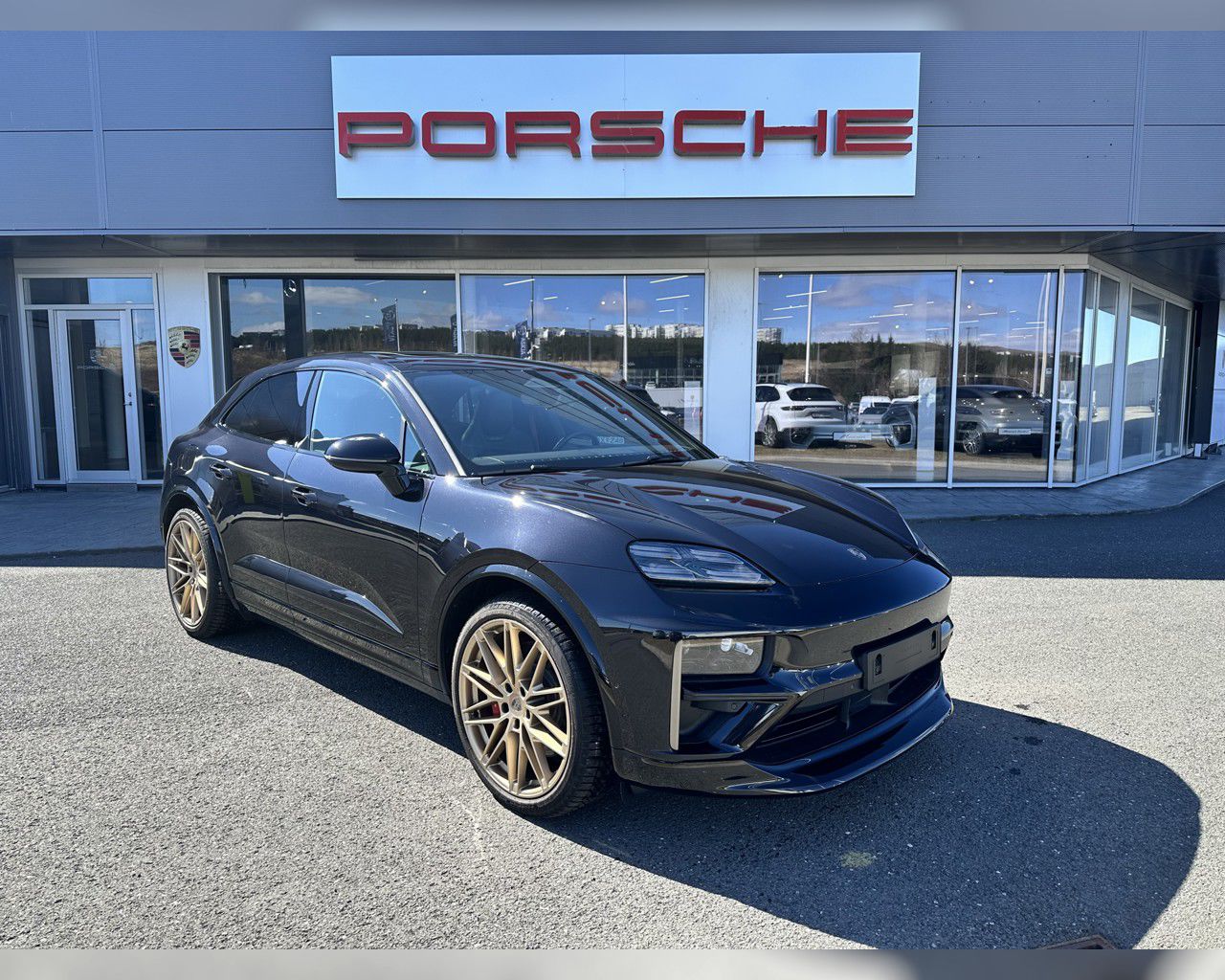
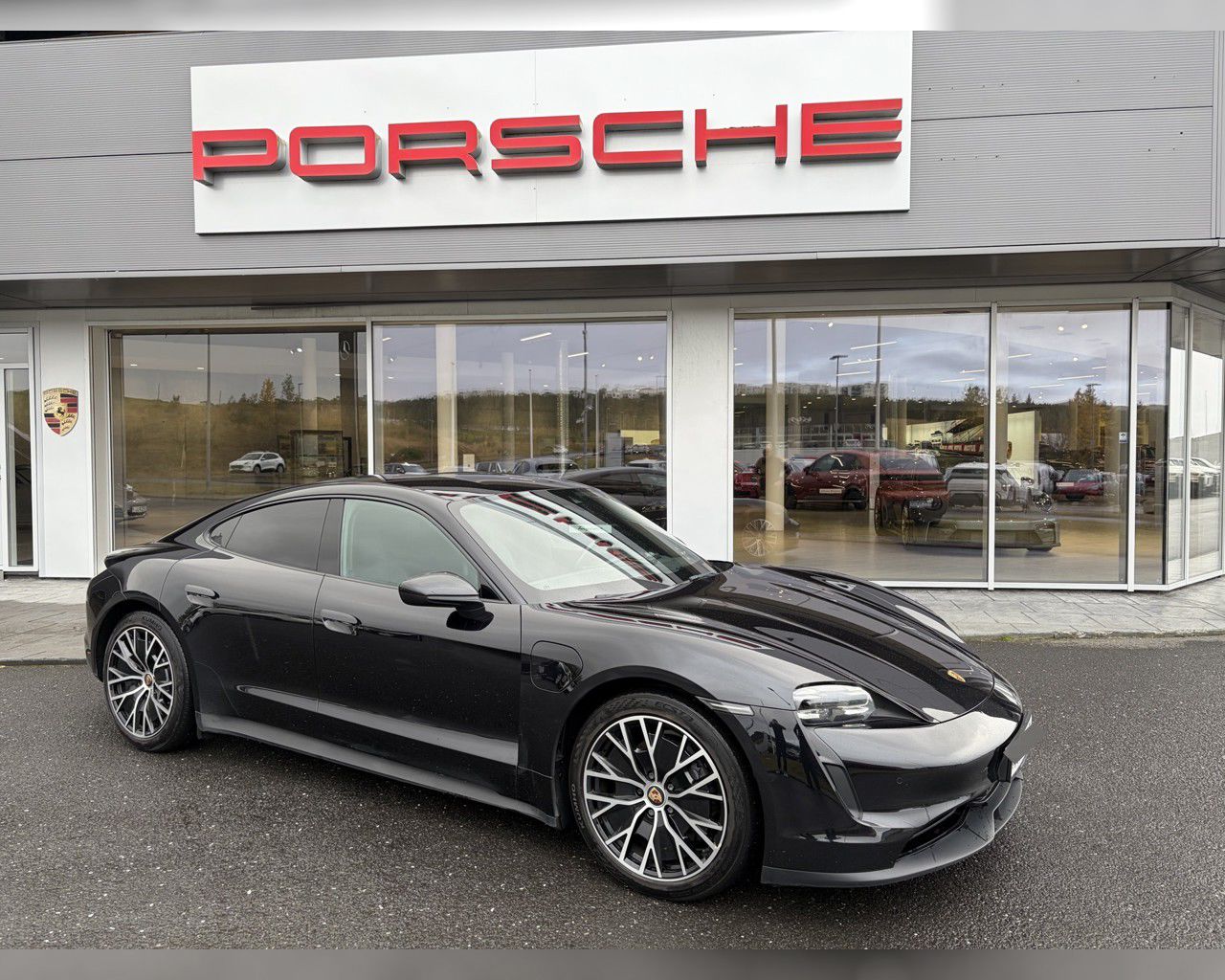
2025, electric, automatic, All Wheels Drive, 389 hp

notadir.benni.is
 Reykjavík, Iceland
 Reykjavík, IcelandReykjavík, IcelandIcelandIcelandIcelandIcelandIcelandReykjavík, IcelandIcelandReykjavík, IcelandIcelandReykjavík, IcelandIcelandReykjavík, IcelandIcelandReykjavík, Iceland
 Oviedo, SpainOviedo, Spain
 Joué-lès-Tours, France
 BelgiumBelgiumBelgium
 NetherlandsNetherlandsNetherlands
The tempting mistake with Porsche listings is assuming the first clean-looking car must be the right one. In the European market, supply can be broad on paper and still feel narrow in real life: one car is far away, another has thin photos, a third has the right spec but unclear history. That is why a smart Porsche search starts with patience. Good cars do exist, but a polished ad is not the same thing as a well-kept car, and a long drive or flight to see one should be earned by better answers from the seller first.
A useful way to shop Porsche is to separate the listing into three layers before you get emotionally attached. First, the identity of the car: exact model, generation, engine, gearbox, drivetrain, and year. Second, the ownership story: service records, mileage logic, invoice trail, registration history, and whether the seller can explain the car in a straight line. Third, the condition visible in the ad: panel fit, wheel condition, tire brand consistency, seat wear, warning lights, and the quality of underside or engine-bay photos if they are provided. If one of those layers is vague, the offer may still be worth exploring, but it should not be treated like a top candidate.
Porsche attracts buyers who often shop with their heart first and their calendar second. That is understandable, but it helps to decide early whether you are buying for weekend pleasure, daily use, long-distance touring, or a mixed role. A Porsche 911, Cayman, Boxster, Cayenne, Macan, Panamera, or Taycan may all wear the same badge, yet the shortlist logic is completely different. Some buyers begin by chasing a dream spec and only later realize they actually need easier access, quieter cabin comfort, lower running stress, or more luggage space.
This matters in listings because weak offers often hide behind desirable badges. A basic question like why this Porsche and not another Porsche? can save time. If you know you want a practical daily car, you will read a Macan or Cayenne listing differently from a two-seat sports car ad. If you want the sharpest driving feel, you may care less about rear-seat usefulness and more about service evidence, tire choice, brake condition, and whether modifications were done tastefully or carelessly. The best ad is not the one that looks most exciting; it is the one that aligns with the job you actually need the car to do.
Some Porsche ads look expensive and serious but still tell you very little. That is a red flag in a brand where maintenance history, options, and previous use can matter as much as the headline photo. Be cautious when a seller uses broad language like “full option,” “perfect condition,” or “collector’s car” but avoids specifics. Ask for the VIN, cold-start video, service documentation, and clear photos of the seats, steering wheel, front bumper, lower bodywork, and all four wheels. On performance-oriented cars especially, small cosmetic clues can reveal a lot about how the car was used.
Another less obvious point: with Porsche, poor listing discipline often predicts poor ownership discipline. When an ad cannot clearly state what has been serviced, which keys are included, whether the tires match, or when major consumables were last addressed, the problem is rarely just the ad itself. A careful owner usually knows the car’s story and can tell it without drama. A vague seller may still have a decent car, but that is the moment to slow down and compare it against stronger, more transparent offers.
Mileage matters, but on used Porsche cars for sale it should never act alone. A lower-mileage car with gaps in maintenance, long idle periods, or suspicious cosmetic preparation can be less convincing than a higher-mileage example with consistent care. Ask how the mileage was accumulated. Steady touring use and documented servicing often read better than a car that looks underused yet comes with thin paperwork and too many unanswered questions.
This is also where buyers in the wider EU market can make better decisions than they think. Because cars may come from different countries and ownership styles, the strongest listing is often the one with a believable paper trail rather than the nearest location or the most flattering photos. Compare inspection records, service stamps or invoices, tire age, brake wear, software or equipment claims, and evidence of regular maintenance. A Porsche with honest imperfections and complete history is usually easier to trust than one presented as flawless.
Before arranging a viewing, ask the seller to describe the car as if you cannot see it. Listen for confidence and consistency. Useful questions include: How long have you owned it? Why are you selling? What work was done recently? Are there any faults, warning messages, oil leaks, suspension noises, gearbox issues, charging issues, or cosmetic defects I should know about before coming? Has it been repainted, modified, tracked, or stored for long periods? Which services can you document today, not later?
The answers matter, but so does the style of the answer. Good sellers usually respond directly. Weak sellers often drift into emotion, avoid timelines, or repeat that the car is “really clean” instead of addressing specifics. With Porsche, that difference is valuable. It can save you a wasted trip and help you focus on cars that deserve a proper inspection.
Two similar Porsche listings can feel miles apart once you look beyond the badge. Equipment can change usability, resale appeal, and ownership satisfaction. So can maintenance standards. That is why it helps to compare not just year and mileage, but seating, suspension setup, wheel size, lighting, driver-assistance features, infotainment generation, charging equipment where relevant, and whether the car remains close to original specification.
There is also a practical truth many buyers learn late: Porsche ownership expectations are often set by the seller’s attitude before you even see the car. If the ad is clear, the documents are ready, the history is coherent, and the owner speaks openly about wear and past work, the offer moves up the list. If the seller dodges basic questions, pushes urgency, or treats documentation as an afterthought, keep looking. On a brand like Porsche, the right car often reveals itself not by being the flashiest listing, but by being the easiest one to verify calmly.
 Add as preferred sourceSee more from zvelta in Google Search Add as preferred source