 EN
ENDEALER

€41,721DEALER
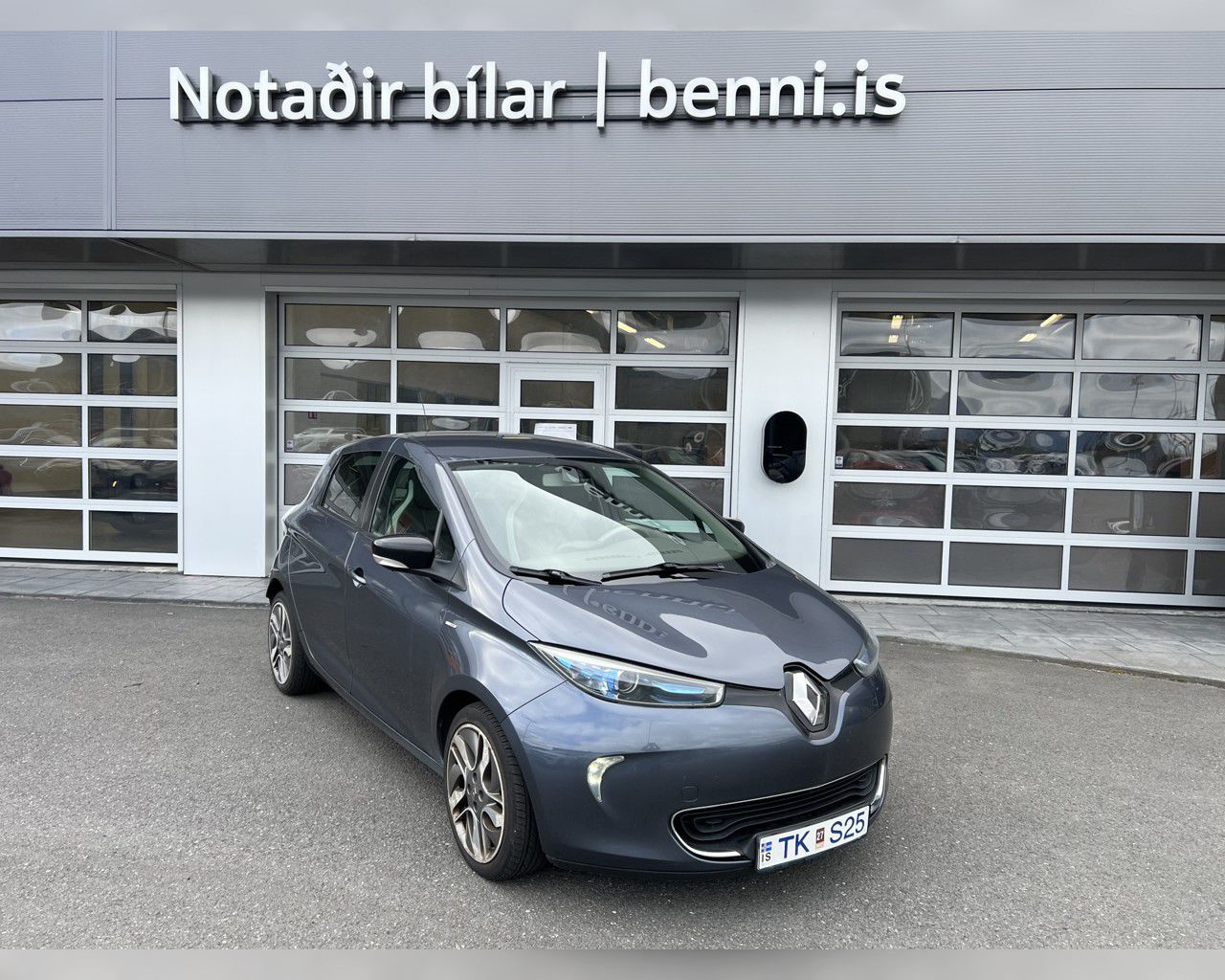
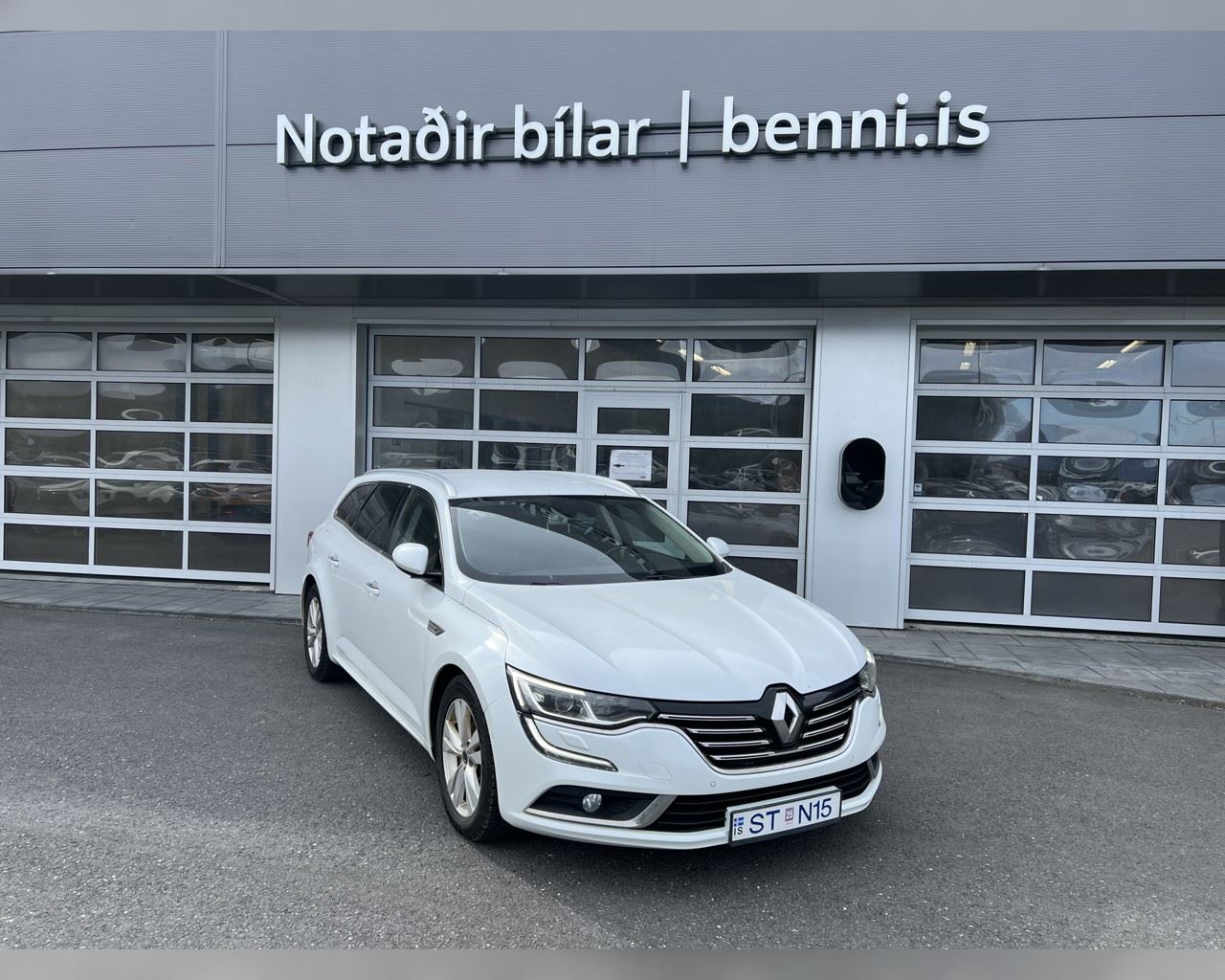
2024, diesel, automatic, 92K km, Front Wheels Drive, 150 hp

notadir.benni.is
 Iceland
 IcelandIcelandIceland
 Clermont-Créans, FranceClermont-Créans, France
 SpainSpainSpainSpainSpainSpainSpainSpainSpainSpainSpainSpainSpainSpainSpainSpainSpainSpainSpainSpain
A good Renault listing should make everyday ownership easy to imagine. Before you get distracted by trim names, bright photos, or a low asking price, ask a simpler question: does this offer look like it came from someone who actually knows the car? With Renault, that matters more than many buyers admit, because the brand covers everything from small city cars to family hatchbacks, vans, crossovers, and older budget-friendly models that can look similar on paper but feel very different to live with.
Many buyers enter the Renault market with a vague plan: something economical, something practical, maybe something newer than their current car. That is how shortlists get messy. A better approach is to picture the weekly routine. If the car will spend most of its time in town, a compact Renault with clear service records and tidy bodywork may be worth more than a larger, better-equipped example with a sketchier past. If you need motorway comfort, rear-seat space, or luggage room, then compare listings through that lens first and treat features as secondary.
This brand often attracts sensible buyers, and that is useful when you read ads. A well-kept Renault offer usually feels calm rather than theatrical: consistent photos, a believable mileage story, recent maintenance mentioned in plain language, and equipment listed without exaggeration. Weak offers often do the opposite. If the description is full of vague claims, cropped images, or heroic wording but says little about servicing, ownership, or what has recently been replaced, slow down.
One of the most revealing things about a used Renault is whether the seller can describe daily life with it in a normal, detailed way. You are not looking for a romantic backstory; you are looking for signs of familiarity. Does the ad explain where the car was used, how long it has been owned, whether it was a family commuter, a second car, or mainly used for longer trips? Can the seller say when the last service was done and what was included? Those small details make an offer feel grounded.
That ownership angle matters because Renault cars are often bought for practical reasons, and practical owners tend to leave practical clues. Clean seat fabric but heavily worn controls can suggest harder use than the mileage implies. A shiny exterior with almost no mention of maintenance may mean the seller prepared the car for photos, not for inspection. On the other hand, an ad that notes ordinary imperfections, two keys, invoice history, tyre condition, or a recent fluid service often belongs to someone who expects serious questions and is ready for them.
When you have several Renault cars for sale on your shortlist, compare them in layers. First, match body style and intended use. There is no point comparing a city-focused Renault to a family-oriented one only because the prices overlap. Second, compare the history quality: registration documents, maintenance records, inspection notes, and consistency between photos and description. Third, compare wear. Steering wheel, pedals, driver seat bolsters, load bay scuffs, and panel gaps can tell you more than polished paint in flattering light.
Then contact the seller with a few questions that are hard to dodge:
The goal is not to interrogate people. It is to see whether the answers arrive clearly and consistently. Trust the rhythm of the conversation. A careful seller usually answers directly and does not act offended by basic questions.
Renault listings in the EU market can vary wildly in presentation. Some cars are photographed honestly on a driveway or at a workshop; others are staged to hide wear, poor panel alignment, or tired interiors. Look for full daylight photos, both keys if claimed, close-ups of seats, steering wheel, infotainment, cargo area, and wheels. If a seller gives you twenty exterior shots but avoids the driver seat or instrument cluster, there is usually a reason.
A less obvious point: with mainstream brands like Renault, overcomplicated listings can be a warning sign. When a seller spends more energy on dramatic language than on useful facts, the car may not stand up well to a normal inspection. In this part of the market, honesty tends to look slightly boring, and boring is often good.
This is where many buyers make the wrong move. The cheapest example in the listings may still become the expensive one if it needs immediate catch-up maintenance, tyres, electrical fixes, cosmetic work, or unresolved paperwork. A slightly pricier Renault with a cleaner history and more coherent ownership story can be the easier car to live with from day one.
Think about the first three months, not just the purchase day. Will you feel comfortable using it for commuting, school runs, weekend trips, or motorway drives without immediately building a repair list in your head? The right Renault offer usually creates that feeling. It does not need to be perfect, but it should feel understandable.
A promising Renault listing is usually easy to summarize in one sentence: the car matches your real use, the condition makes sense for the mileage, the seller sounds informed, and the documents appear coherent. That combination matters more than flashy wheels, a crowded option list, or a price low enough to trigger panic buying.
If you keep your search focused on everyday fit, service evidence, and seller credibility, Renault can be one of the more rewarding brands to shop in used and nearly new listings across Europe. The smart buyer does not chase the most exciting ad. The smart buyer looks for the Renault that already feels like it has been lived with properly, maintained without drama, and offered for sale by someone who is not hiding the ordinary truth of the car.
 Add as preferred sourceSee more from zvelta in Google Search Add as preferred source