 EN
ENDEALER

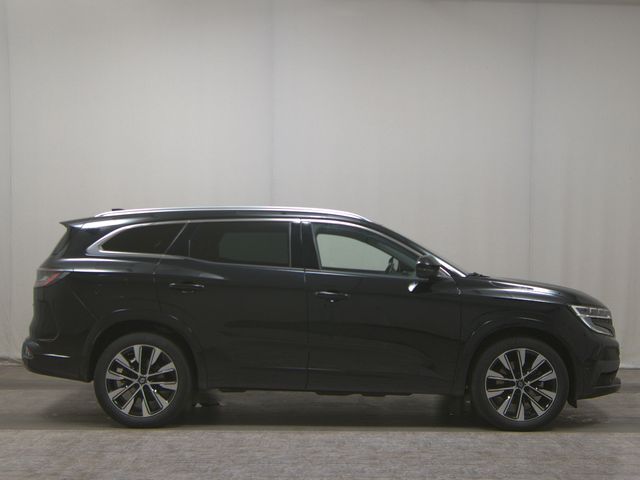
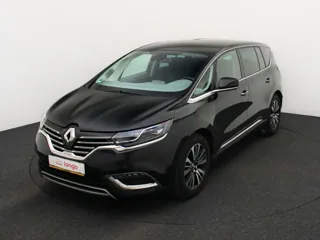
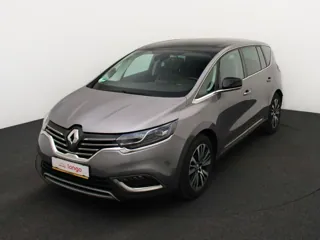
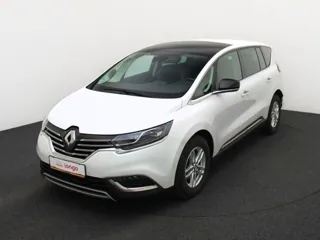
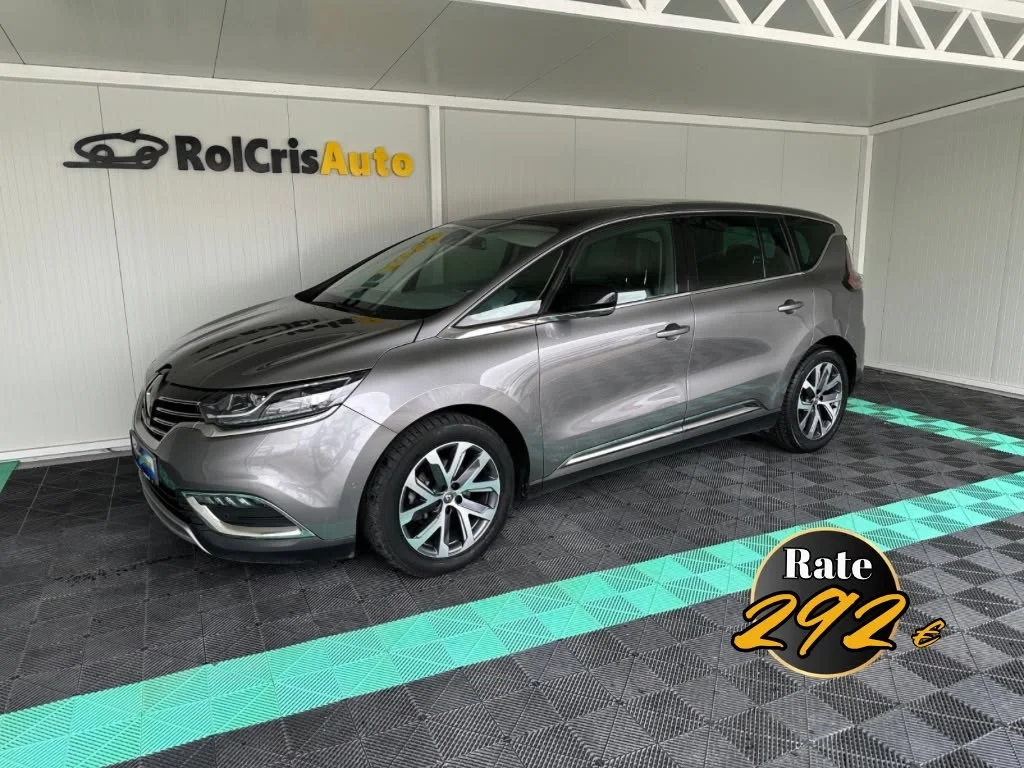
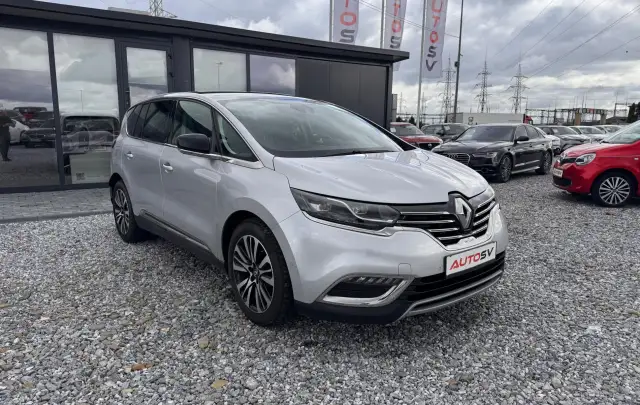
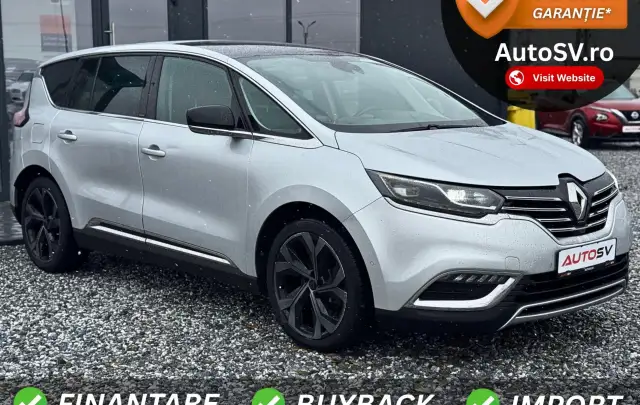
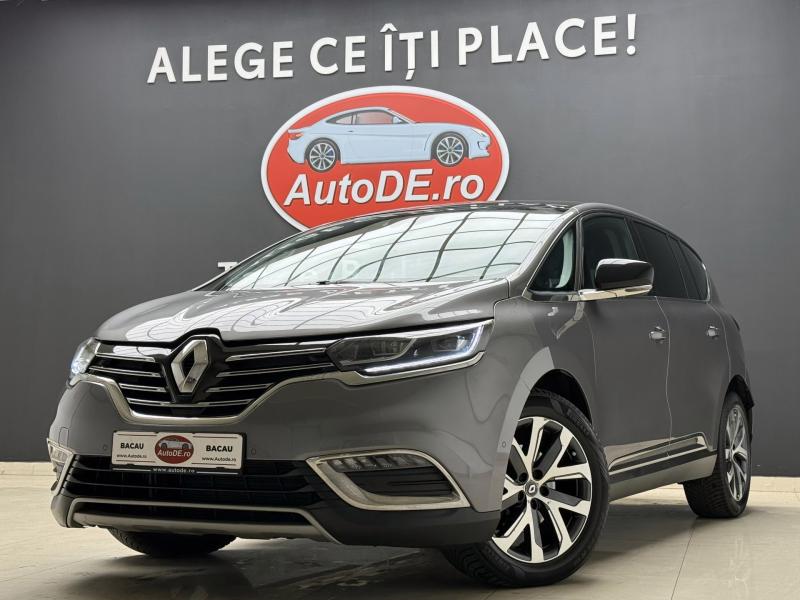
2024, automatic, 24K km, VAN, ICONIC E-TECH FULL HYBRID 200 (146KW), Used condition, Europa, In stock, sale date 20.10.2026 06:45

CarOutlet.eu
 Spain
SpainAuction starts
20 Oct, 06:45
 Spain
Spain BelgiumBelgiumBelgium
 NetherlandsNetherlandsNetherlands
 FranceFranceFranceFrance
 Germany, Lower SaxonyGermany, Lower Saxony
 Estonia, HarjumaaEstonia, Harjumaa
 EstoniaEstonia
 Miškiniai, Lithuania
 Romania, Arad CountyRomania, Bihor County
 Romania, Maramureş
 Romania, SuceavaRomania, Suceava
 Romania
 Romania
If you are looking at a Renault Espace, you are probably not shopping by accident. People usually land here because they want more than simple A-to-B transport: more space, more flexibility, and a car that feels designed around real family or long-distance use rather than just badge appeal. That is exactly how to approach Renault Espace listings in the EU market. Don’t start with mileage alone. Start with the role this car needs to play in your life, then see which offers actually fit that job.
The interesting thing about the Renault Espace is that it tends to attract deliberate buyers. A used Renault Espace is often on the shortlist of someone comparing practical alternatives, not someone chasing the trendiest listing. That changes how you should read the market. A strong Espace offer usually explains itself clearly: ownership story, service history, recent maintenance, interior condition, seating layout, and honest photos that show how the car has been used. A weak offer often hides behind vague language like “full options” or “runs well” without giving the details that matter for a car in this class.
When comparing Renault Espace cars for sale, pay close attention to whether the seller understands why people buy one. If the ad barely mentions cabin condition, versatility, or maintenance records, that can be a clue that the seller is treating it like just another used car. With a Renault Espace, that is not enough. Buyers are usually paying for usability, not only transport.
A common mistake is to sort the listings by newest or cheapest and assume the answer will appear. A better method is to split the Renault Espace offers into three groups: family-focused cars that look carefully kept, high-mileage cars that may still be good value if documented properly, and attractive-looking but thinly described listings that need more caution. That simple grouping will save time fast.
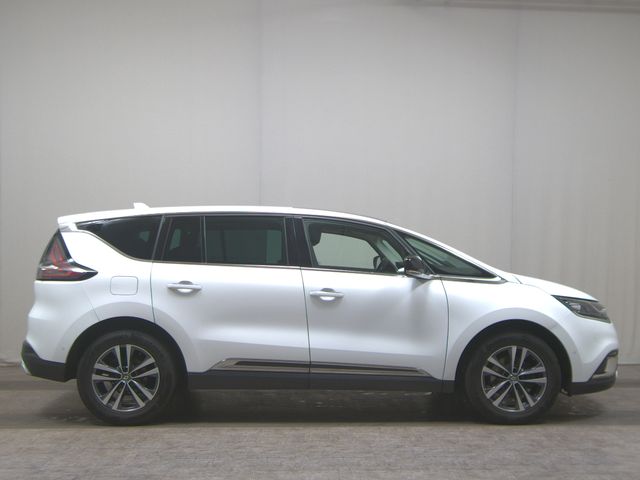
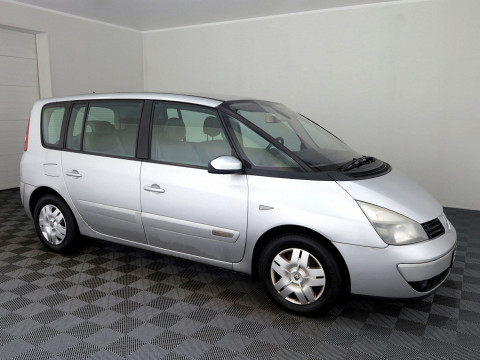
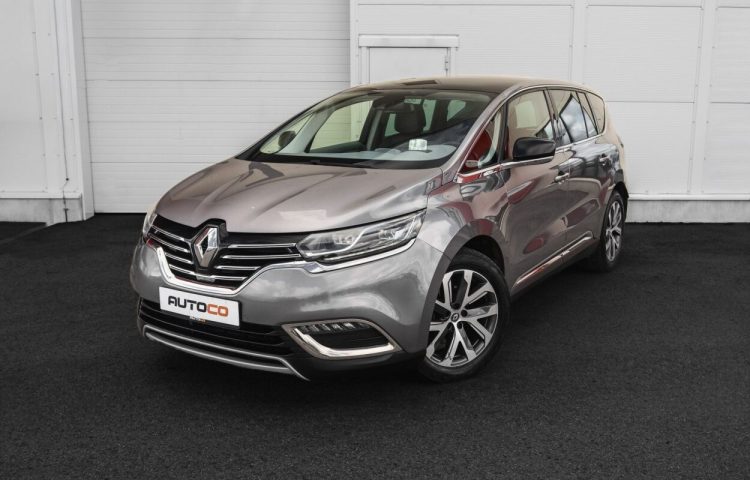
Look closely at the photos before you contact anyone. On a Renault Espace, the cabin tells a big part of the story. Heavy wear on seats, trim, loading areas, or family-use surfaces is not automatically a deal-breaker, but it should match the stated mileage and the seller’s description. If the interior looks tired yet the ad speaks as if the car has barely been used, ask more questions before arranging a viewing. Also compare how many useful photos the listing includes. Sellers with nothing to hide usually show more than one flattering angle.
Another useful trick: compare how the Renault Espace is presented against nearby alternatives you might also consider. If one seller gives a full maintenance narrative and another offers only two dark photos and a one-line description, the difference is already part of the value. A better documented car may be worth the extra trip or the slightly higher asking price.
Before you go see a Renault Espace, send a short message or make a call with a few targeted questions. Ask how long they have owned it, whether there is service history, what has been done recently, whether any warning lights are present, and whether there are known issues they would mention before a visit. Ask about tires, brakes, keys, documents, and whether the car has spent much of its life on long trips or shorter urban use. None of these questions are aggressive; they simply help separate a prepared seller from someone hoping you will ignore the details.
For a Renault Espace specifically, ask the seller to describe how everything feels in normal use rather than asking for broad reassurance. Does the transmission behave smoothly? Does the engine start cleanly when cold? Do all major comfort features work as expected? Are the seats, folding mechanisms, and cabin functions operating properly? A seller who answers precisely is easier to trust than one who keeps repeating that the car is “perfect.”
This model often reveals a lot through the selling context. A Renault Espace can come from households that genuinely needed space and comfort, and those owners may have kept records because the car was part of daily family logistics or long holiday travel. That can be a very good sign. On the other hand, some listings appear after the car has already passed through several hands, and then the description becomes strangely generic. If the seller cannot explain the ownership background in a natural way, slow down.
This matters more in a car like the Renault Espace than in a simpler city car, because people do not usually choose it randomly. When the ad and the conversation show no understanding of the model’s practical strengths, it is fair to wonder whether the current seller really knows the car. In the EU market, where buyers often compare listings across borders and across several familiar family-car alternatives, clarity becomes part of trust.
Some Renault Espace offers look excellent at first glance because the photos are polished and the paint presents well. That is nice, but it should never outrank paperwork, consistency, and condition you can verify. Check whether the mileage feels believable against steering wheel wear, seat condition, pedals, loading areas, and the overall freshness of the cabin. Ask to see service records before or during the viewing, not after you are already emotionally committed.
It is also smart to ask what the car needs next, not only what has just been done. Honest sellers often give a balanced answer: maybe routine maintenance is coming, maybe a cosmetic issue exists, maybe a set of tires will be needed later. That kind of realism is healthier than a seller claiming the Renault Espace needs absolutely nothing. Used cars rarely work like that.
A Renault Espace is worth viewing when the offer is complete enough to reduce guesswork. You want clear photos, a believable description, sensible answers, and a seller who does not dodge basic ownership or maintenance questions. You also want the car to match your actual use case. If you need family space, comfort, and everyday practicality, the right Renault Espace can make a lot of sense. If you are only reacting to a low price, you may end up chasing a compromise that looks spacious on paper but feels neglected in person.
The best way to use this page is to compare listings patiently and reject weak ones early. A good Renault Espace ad should make the next step easier, not murkier. If the details line up, the seller communicates openly, and the condition supports the story, then you may have found an offer worth seeing before somebody else does.
 Add as preferred sourceSee more from zvelta in Google Search Add as preferred source