 EN
ENDEALER
€2,799DEALER
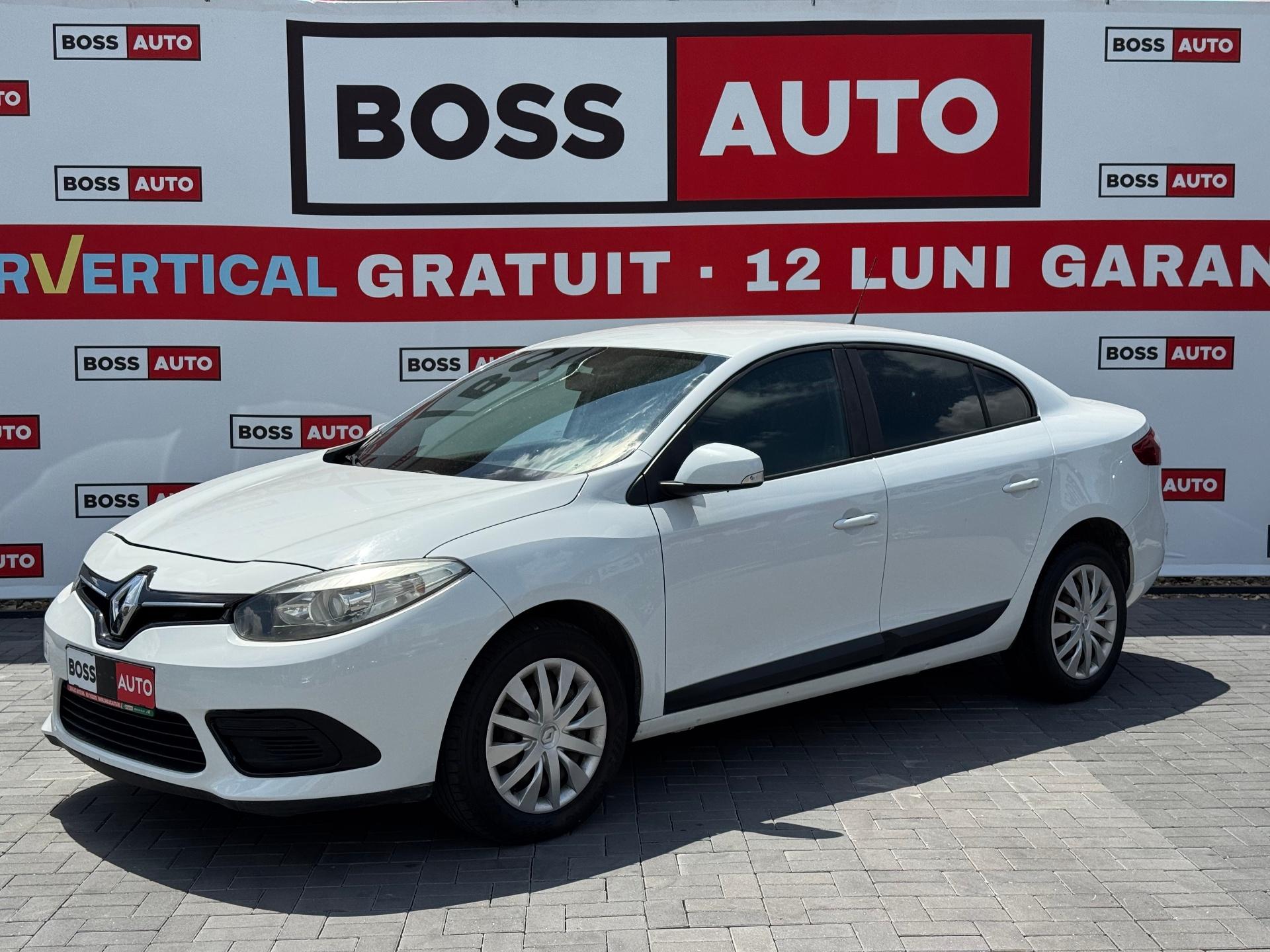
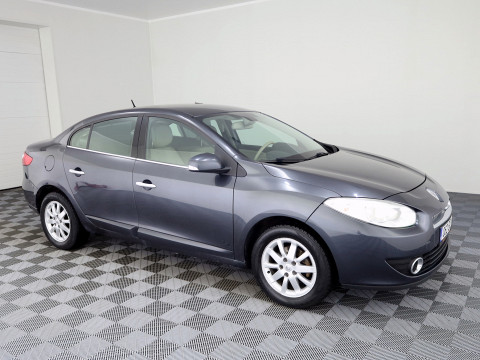
2011, gas, automatic, 238K km, sedan, Front Wheels Drive, 2,000 cm3, grey, Used condition, Europa, In stock

BaltiCar.com
 Estonia, Harjumaa
 Estonia, Harjumaa
 Romania, Bucharest
If you are looking at a Renault Fluence, the smart move is not to ask first whether it is a “good car” in the abstract. Ask whether this particular Renault Fluence is a better buy than the next three cars sitting near it in your shortlist. On a model with modest market presence, that comparison mindset matters more than glossy photos or a seller saying everything works. A thin selection can tempt buyers to excuse missing history, vague descriptions, or suspiciously old photos. Usually, that is where a weak deal begins.
A Renault Fluence usually appears in the market as a practical choice rather than an emotional one, so judge it like a practical buyer. Compare each listing line by line: mileage, ownership story, service records, tire condition, interior wear, warning lights, and whether the seller describes recent maintenance clearly or hides behind generic phrases. If one Renault Fluence has fewer details than a nearby alternative from a similar class, do not reward the weaker listing just because the model is less common in current cars for sale.
This is especially important when there is only one active Renault Fluence listing in front of you. Scarcity can create false urgency. A rare listing is not automatically a strong listing. Sometimes it simply means you need patience. If the photos are limited, the description is thin, and the seller avoids specifics about maintenance history, it can be better to wait than to overpay for a car you already have doubts about before seeing it.
A worthwhile used Renault Fluence offer usually gives you something solid before you even call: consistent photos, readable registration details where appropriate, an interior that matches the claimed mileage, and a seller who explains what has been done recently. Look for signs that the owner understands the car rather than just wants it gone. “Serviced last month” means little on its own; “oil, filters, front brakes, and battery replaced” is far more useful.
Weak offers often reveal themselves in smaller ways. A car photographed wet, badly lit, or only from flattering angles may be hiding cosmetic or bodywork issues. An engine bay photo that is missing is not proof of trouble, but it is one more reason to ask better questions. If the seller mentions “small investment needed,” ask what exactly that means and why it was not fixed before sale. With a Renault Fluence, a calm, specific owner is often a better sign than an enthusiastic but vague trader description.
The Renault Fluence rarely gets chosen in isolation. It usually sits beside other sensible used sedans and hatchbacks in the same budget conversation. That is why you should compare not just price, but compromise. Is this Renault Fluence giving you cleaner history, better visible condition, and a more believable ownership story than the alternatives? If yes, a slightly less fashionable model can be the smarter buy. If no, do not talk yourself into it because the shape, badge, or equipment list looks acceptable.
Here is the useful trick: compare the seller effort as much as the car. A careful seller of a Renault Fluence who provides service invoices, clear cold-start information, and honest notes about defects may be a safer bet than a shinier rival listing with almost no substance. In the used market, presentation quality often mirrors ownership quality. Not perfectly, but often enough to matter.
At the same time, know what compromises are acceptable. Minor cosmetic wear, age-related chips, or a less exciting trim can be fine if the car appears mechanically consistent and documented. What is harder to excuse is a confused maintenance story, mileage that does not match cabin wear, or a seller who gets defensive when asked simple questions. That is usually your signal to step back and compare again.
Before arranging a viewing, ask a short list of direct questions and listen to how the answers are given. How long have you owned the Renault Fluence? Why are you selling it? What maintenance was done in the last 12 months? Are there any warning lights, leaks, noises, or faults that appear occasionally? When were the tires, brakes, and battery last changed? Is there a service book, invoice file, or any record that supports the mileage and maintenance claims?
You are not only collecting facts. You are checking coherence. A trustworthy seller usually answers in a straight line and does not need to improvise basic history. If the story keeps changing between messages and the call, the listing may not deserve a trip. For a Renault Fluence, where buyers are often looking for sensible value, a transparent ownership story is one of the biggest strengths an offer can have.
When shoppers search for a Renault Fluence in the EU market, they can fall into a strange trap: because the model feels slightly off the main mainstream radar, they assume every surviving example is somehow special. Usually it is not. It is simply another used car that deserves the same skepticism you would apply to a more common model. That mindset protects you from forgiving mediocre documentation or overlooking signs of neglect.
The opposite mistake also happens. Some buyers dismiss the Renault Fluence too quickly because it is not the first model they had in mind. That can make a genuinely tidy, well-kept example look less interesting than it should. If the listing is honest, the condition is coherent, and the seller can support the story with paperwork, the Renault Fluence can make more sense than a more popular alternative with a murkier past. The point is not to chase rarity or avoid it; the point is to compare the actual offer in front of you.
If you cannot verify the basics, waiting is often the smarter decision. Walk away when the seller dodges document questions, refuses a pre-purchase inspection, describes the condition in grand terms but shows little proof, or pressures you with “many buyers coming today.” A decent Renault Fluence listing should be able to survive normal buyer scrutiny. If it collapses under ordinary questions, that is useful information.
Treat this page as a place to judge value, not just availability. Compare each Renault Fluence listing honestly against nearby alternatives, ask specific questions before you travel, and be willing to leave empty-handed. In the used market, that patience is not lost time. It is how you avoid turning a merely available car into an expensive mistake.
 Add as preferred sourceSee more from zvelta in Google Search Add as preferred source