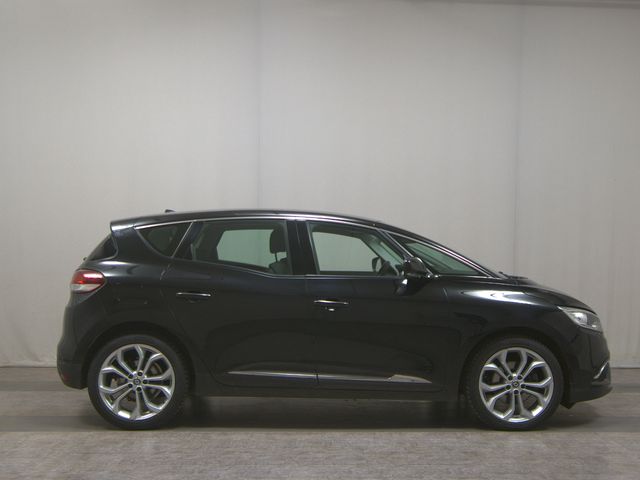
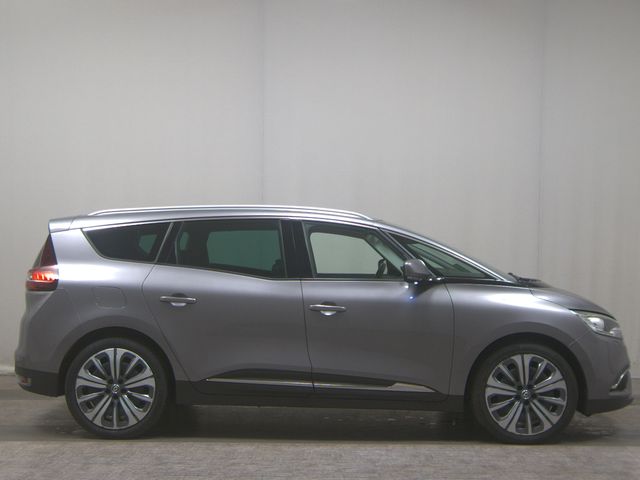
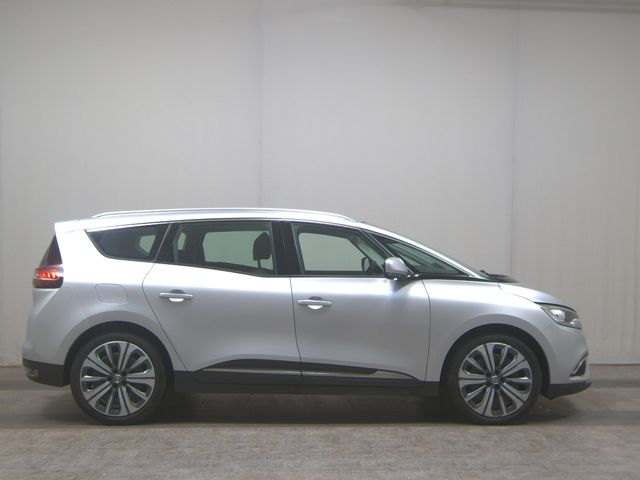
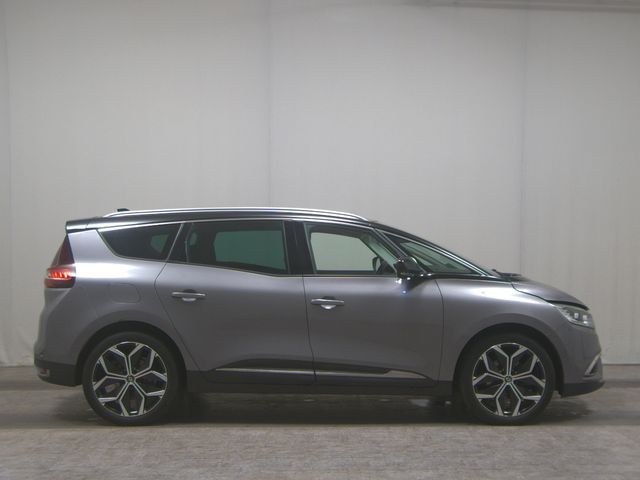
 EN
ENDEALER

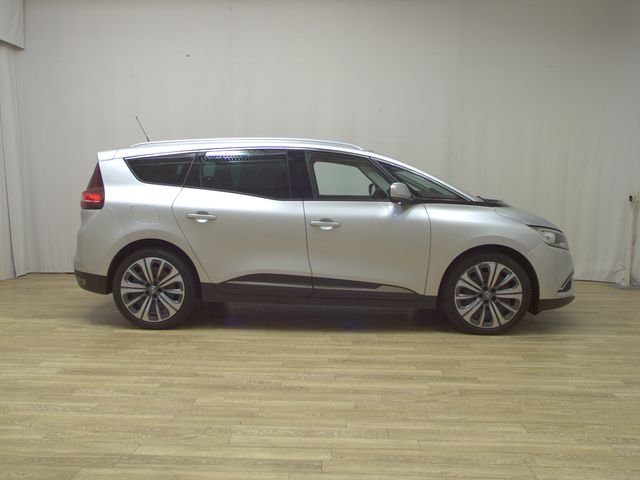
2025, electric, automatic, 13K km, VAN, 218 hp, BEV 92KWH 220HP ICONIC, Used condition, In stock, sale date 26.10.2026 04:45

CarOutlet.eu
 Belgium
Auction starts
26 Oct, 04:45
 BelgiumBelgiumBelgiumBelgiumBelgiumBelgiumBelgium
 NetherlandsNetherlandsNetherlands
 FranceFranceFranceFranceFranceFranceFranceFrance
 Germany, Lower SaxonyGermany, Lower SaxonyGermany, Lower SaxonyGermany, Lower SaxonyGermany, Lower SaxonyGermany
 Estonia, Harjumaa
If you are shopping for a Renault Scenic, the smartest move is not to chase the first tidy photos or the lowest mileage claim. This is a model people often buy for practical reasons, so the best offer is usually the one that makes sense as a whole: condition, maintenance history, interior wear, equipment, and seller honesty all matter together. In the eu market, where used family cars can look similar on paper, the good Renault Scenic listings tend to stand out through detail rather than hype.
A Renault Scenic usually ends up on the shortlist because a buyer wants space, easier access, family-friendly seating, and a calmer day-to-day ownership experience than a larger SUV might bring. That matters when you compare listings. Two cars with similar photos may suit very different lives. One seller may present a Renault Scenic as a city-friendly family car with clean interior condition and sensible equipment; another may be offering a higher-mileage example that has clearly done long motorway trips. Neither is automatically better. The right one depends on whether you care more about cabin freshness, maintenance records, luggage flexibility, or a stronger value-for-money argument.
When you compare used Renault Scenic offers, try building a shortlist around three simple questions: does the condition match the mileage, does the history sound coherent, and does the specification actually fit your daily use? A nice panoramic roof or larger wheels can look attractive in photos, but clean seats, working electronics, and evidence of consistent care can matter more once the novelty wears off.
One useful habit with a Renault Scenic is to read the ad text almost more carefully than the photos. Vague wording like “everything works,” “investment not needed,” or “just serviced” without any supporting detail is not a deal breaker by itself, but it should push you to ask better questions. A strong seller usually knows what has been done recently, what still needs attention, and why the car is being sold.
Pay attention to small mismatches. If the cabin looks heavily used but the mileage seems unusually low, ask for service documentation and inspection records. If the exterior is clean but there are very few photos of the interior, that can be a sign the seller knows where the weaker impression is. On a Renault Scenic, interior condition matters because buyers often choose it precisely for comfort and practicality. Worn switchgear, damaged seat trim, broken storage pieces, or neglected rear seating can tell you a lot about how the car was treated.
This is where many buyers either save money or waste it. A Renault Scenic should not be judged in isolation. Compare it with other practical family cars in the same price band and age bracket, but be clear about what compromise you are willing to accept. If another option looks newer or more fashionable yet offers a worse seating layout, poorer visibility, or less convincing maintenance history, the Renault Scenic may still be the stronger buy. On the other hand, if the Scenic you are considering is only attractive because it is nearby or slightly cheaper, it may be better to wait.
A good comparison mindset is to separate fixable flaws from ownership-shaping flaws. Light cosmetic wear, a missing second key, or older tyres may be manageable if the paperwork and mechanical story are solid. But inconsistent history, obvious neglect, unexplained warning lights, rough transmission behavior, or signs that major issues are being downplayed should change the decision immediately. Waiting for a better Renault Scenic is often cheaper than buying a tired one that looked convenient on the day.
There is also a less obvious point about how people shop this model. Buyers often cross-shop the Renault Scenic with vehicles that are not direct rivals on paper, simply because they want room and usability without moving into a bulkier class. That creates a strange market effect: the best Scenic listings are sometimes overlooked by people filtering too narrowly, while weaker cars can linger because they photograph well. If an offer has modest photos but unusually complete documentation and a clear, calm description, do not ignore it.
Before viewing a Renault Scenic, ask the seller for a cold-start video if possible, a photo of the service book or invoices, and clear images of the dashboard with the ignition on. Ask which features do not work exactly as they should, not whether “everything is fine.” That phrasing often gets a more honest answer. Also ask how long the seller has owned the car, whether it was used mainly for short trips or longer runs, and whether any recent work was preventive or done to solve a fault.
If the ad mentions recent maintenance, ask what was replaced and when. If the listing highlights low mileage, ask how that mileage is supported. If the Renault Scenic is being sold as a family car in excellent condition, ask for close photos of the rear seats, boot floor, door trims, and steering wheel. Those areas often tell a truer story than polished exterior shots.
The better Renault Scenic listings usually feel consistent. The photos, mileage, wear, service story, and seller answers all point in the same direction. You are not looking for perfection; you are looking for a car that makes sense. In the eu market, where choice can be uneven and some ads are much stronger than others, patience is part of buying well.
If you find a Renault Scenic with believable history, sensible condition, and a seller who answers directly, it is worth moving quickly enough to arrange a viewing. But if the listing leaves too many gaps, do not talk yourself into it just because the format, size, or badge suits your needs. The right Renault Scenic is the one that still looks like a good idea after you compare it properly, ask the awkward questions, and sleep on the decision for a night.
 Add as preferred sourceSee more from zvelta in Google Search Add as preferred source


![Renault Grand Scenic GRAND SCÉNIC Evolution TCe 140 VP [5P] Bvm 6-140CH-7cv (mini Monospace)](https://cdn-media.caroutlet.eu/car/4383/92/thumb_438291280_car_small.jpg "Renault Grand Scenic GRAND SCÉNIC Evolution TCe 140 VP [5P] Bvm 6-140CH-7cv (mini Monospace)")
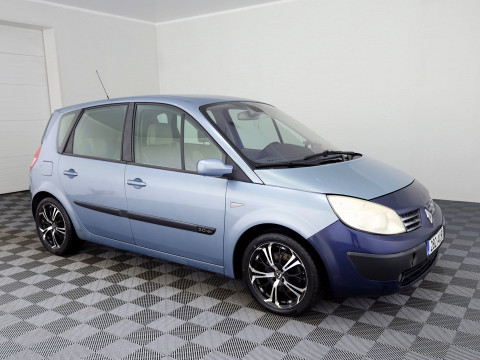
![Renault Grand Scenic GRAND SCÉNIC Evolution TCe 140 VP [5P] Bvm 6-140CH-7cv (mini Monospace)](https://cdn-media.caroutlet.eu/car/4383/91/thumb_438290931_car_small.jpg "Renault Grand Scenic GRAND SCÉNIC Evolution TCe 140 VP [5P] Bvm 6-140CH-7cv (mini Monospace)")