 EN
ENDEALER

€15,500DEALER
€15,400
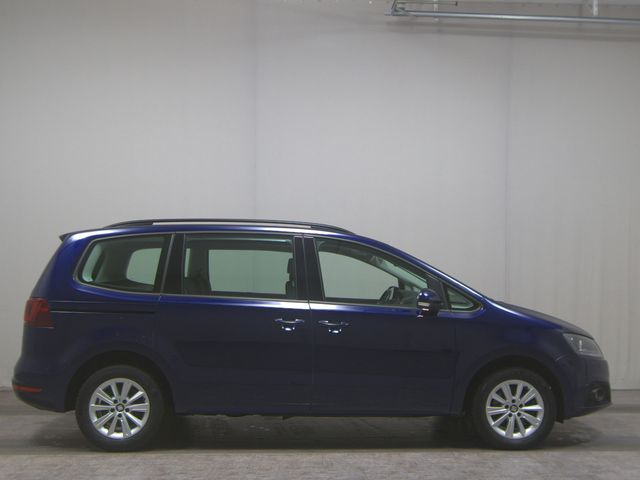
2022, gasoline, manual, 170K km, VAN, 1,400 cm3, 150 hp, 1.4 TSI 110kW DSG St&Sp Style GO, Used condition, Europa, In stock, sale date 24.10.2026 08:00

CarOutlet.eu
 Spain
SpainAuction starts · 24 Oct, 08:00
Current bid€14,900
 Spain
Spain
 Bockel, Germany
 Estonia, Harjumaa
 Poland, Lesser Poland
 Romania, Arad CountyRomania, Arad County
 Romania, Arad County
 Romania, Arad County
 Romania, Timiș CountyRomania, Timiș County
 Romania, Cluj CountyCiba, Romania
 Romania, Bacău County
If you are shopping for a SEAT Alhambra, the smartest first step is not chasing the cheapest ad. It is building a shortlist that saves you wasted calls and disappointing viewings. The SEAT Alhambra usually attracts buyers who need real space, flexible seating, and everyday usability, so the right listing is rarely the one with the flashiest wording. The right one is the offer that makes sense on paper before you even pick up the phone: clear photos, believable mileage, a readable maintenance story, and enough detail to suggest the seller actually knows the car.
On a SEAT Alhambra page, the difference between a “call now” listing and a “leave it alone” listing is often simple. A good ad usually explains ownership, service history, recent work, and how the car is equipped. A weak ad hides behind short phrases, poor images, or vague claims like “everything works” without showing much. For a family-focused MPV, detail matters more than hype. If the seller cannot be bothered to show the seats, load area, dashboard, door operation, and overall condition, there is already a reason to be cautious.
Before calling, compare each SEAT Alhambra offer with a practical lens. Do the photos match the mileage story? Does the wear on the steering wheel, seats, and sliding-door area look consistent with the description? Are there signs the car has been used hard for shuttle work, airport transfers, or heavy family duty without much cosmetic care? None of these automatically rule a car out, but they should shape the conversation you are about to have.
A viewing should be earned. The SEAT Alhambra listings worth visiting are usually the ones where the seller can answer ordinary questions without sounding defensive or improvising. Ask what has been serviced recently, whether there are invoices or digital records, how long they have owned the car, and why they are selling it. Also ask what does not work perfectly. Serious sellers usually have a calm, specific answer. Weak sellers often respond with broad reassurance and very little substance.
One useful trick with a SEAT Alhambra is to ask for a cold-start video if the car is not nearby. That request is practical, not fussy. You want to hear how it starts, whether warning lights stay on, and whether the seller is comfortable showing the car without preparation. If they avoid this simple request while insisting the car is excellent, move it down your shortlist.
You should also ask for photos that are oddly often missing from used listings: the third-row seating area, folded-seat configuration, door sills, boot trim, and close-ups of wheel condition. These areas tell you a lot about daily life with the car. A SEAT Alhambra can look respectable from ten feet away and still reveal a much harder story when you inspect the family-use touchpoints.
This model creates a very specific buyer trap. People search the SEAT Alhambra because they want maximum room without jumping straight into more expensive large-family alternatives. That means a cheap ad can feel emotionally “right” before it is logically right. In practice, the weakest offers often win attention because they seem to solve the budget problem immediately. But with an MPV like this, neglected condition can erase the purchase advantage very quickly.
A surprisingly useful clue is how the seller describes the car’s role. If the SEAT Alhambra is presented as a practical family car with a believable maintenance narrative, that is one thing. If it is presented with almost no story, no cabin detail, and no explanation of recent use, assume nothing and verify everything. Buyers sometimes focus so hard on seating capacity that they overlook ownership quality. That is backwards. With this kind of car, ownership quality is often the real dividing line between a smart buy and a tiring one.
When you call about a SEAT Alhambra for sale, avoid yes-or-no questions. Ask open questions that force real answers. What work was done in the last year? When were the tyres, brakes, and fluids last addressed? Has the car spent more time on long motorway runs or short urban trips? Are all keys present? Is there anything the next owner will want to fix soon? If the seller gives precise, unhurried answers, that is a good sign. If every answer becomes “come see it, it’s perfect,” be careful.
Ask about documents in a natural way too. Is the registration history straightforward? Are service records available in paper form, digitally, or both? Has the mileage history been easy to follow? On the EU market, buyers often compare cars across borders, and that makes consistency even more valuable than a polished ad. A clean paperwork story may not make the listing exciting, but it can make it the one worth driving to see.
One less obvious thing about the SEAT Alhambra in the EU market is that buyers often search with two minds at once. One mind says, “I need space and function.” The other says, “Maybe I can still get a premium-feeling deal if I hunt hard enough.” Sellers know this. Some listings lean heavily on equipment language to distract from mediocre presentation or incomplete history. Nice features matter, of course, but they should not outrank condition, consistency, and seller transparency.
That is why the best SEAT Alhambra shortlist is usually a little boring on purpose. It may include the ad with fewer dramatic claims but better photos, a fuller history, and a seller who answers directly. Do not confuse excitement with quality. In used family-car shopping, calm competence usually beats sparkle.
It is sensible to compare the SEAT Alhambra with similar large MPV options while browsing used listings. That comparison helps you judge whether a particular example is honestly presented or simply floating on the strength of the model’s reputation and practicality. But once you are evaluating one actual SEAT Alhambra, stay focused on the car in front of you. A good model can still be a poor offer. A less glamorous listing can still be the better ownership decision.
If an ad gives you enough evidence to trust the next step, make the call. If the seller gives consistent answers and the car’s story holds together, arrange a viewing. If the listing is cheap but evasive, thin on details, or strangely incomplete for a family MPV, skip it and keep your time for better offers. That is the practical way to shop the SEAT Alhambra: not by chasing every possibility, but by filtering hard enough that the right one becomes obvious.
 Add as preferred sourceSee more from zvelta in Google Search Add as preferred source