 EN
DEALER
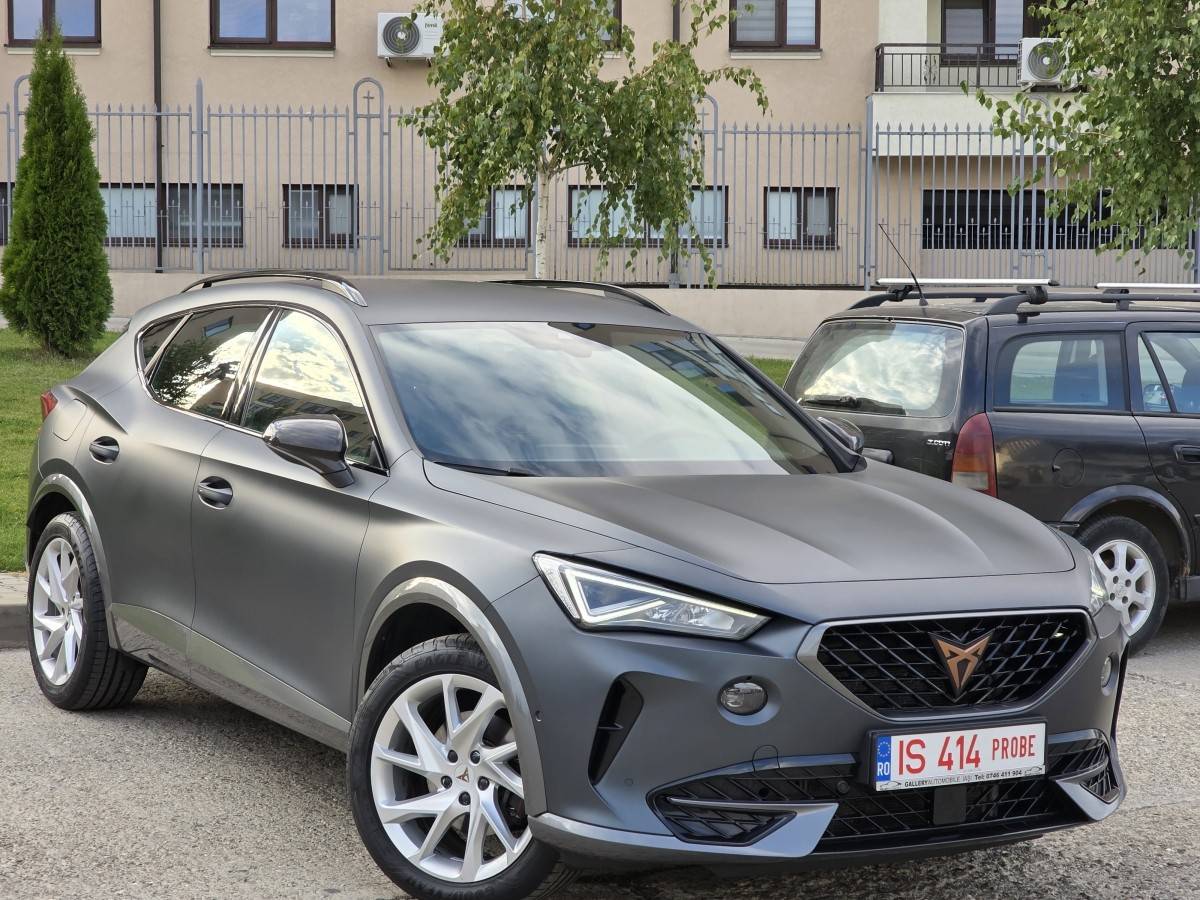
€19,990DEALER
SEAT: Formentor, diesel, automatic, 205K km, SUV, 1,968 cm3, 150 hp, Euro 6, grey, Used condition, In stock

GalleryAutomobile.ro
 Valea Adâncă, Romania
 Valea Adâncă, Romania
 Romania, IlfovRomania, IlfovRomania, IlfovRomania, IlfovRomania, IlfovRomania, IlfovRomania, IlfovRomania, Ilfov
If you are looking at a SEAT Formentor in the European market, the smartest first step is not asking whether the car looks good in photos. It is asking whether the listing is worth your time to investigate, especially when there may be only a small number of active offers at once. With a car like the SEAT Formentor, buyers often end up comparing cars across borders, juggling distance, paperwork, and the temptation to rush because the model feels modern and desirable. That is exactly where weak offers hide.
A useful way to shop for a SEAT Formentor in Europe is to think in stages. Some listings are local enough for a casual first viewing. Others turn into a half-day train ride, a flight to another capital, or a cross-border inspection that needs more discipline. Before you contact any seller, decide what would make a SEAT Formentor worth that effort. If the advert has only glamour shots, vague mileage history, and no clear explanation of ownership or maintenance, it is not a travel-worthy lead yet.
That sounds obvious, but buyers often relax their standards once the right color, wheels, or trim appears. The SEAT Formentor is exactly the kind of model that can trigger that reaction. It looks special enough to create urgency, while many used examples still present themselves as lifestyle purchases rather than carefully documented cars. The listing may feel premium; your evaluation should stay practical.
A strong SEAT Formentor listing should help you answer three questions quickly: what car is this exactly, how has it been used, and why should you trust this seller? If those answers are blurred, do not fill the gaps with optimism.
Look for consistency between mileage, interior wear, tire condition, and steering wheel or seat bolsters shown in photos. Check whether the seller describes service history in plain terms or hides behind soft phrases like "well maintained" without dates, invoices, or recent work. On a SEAT Formentor, equipment can affect how one listing compares with another far more than the main photo suggests, so ask for a full specification summary if the advert is light on details.
Also pay attention to photo logic. A careful seller usually shows the car in a way that anticipates questions: front, rear, both sides, interior, luggage area, wheels, infotainment, and close-ups of any visible marks. A weak listing often gives you dramatic angles and little else. That is not proof of a bad car, but it is a signal that you will have to work harder to verify the offer.
When buyers compare a SEAT Formentor, they naturally look at year, mileage, price position, and trim. Those matter. But in a thin market, seller behavior can matter almost as much as the car itself. If you are considering travelling from one part of Europe to another for a viewing, test the seller before you test the car.
Ask for the VIN, recent service documents, a cold-start video, and close photos of any damage or wear. Notice the tone of the reply. A serious seller may not answer instantly, but should answer clearly. If the response becomes slippery the moment you ask for documentation, that usually tells you more than the original advert. A genuine owner or solid dealer typically understands that a cross-city or cross-country buyer needs proof before planning a trip.
This is where the European search journey changes buying logic. A SEAT Formentor that looks merely "interesting" in your home area may become a bad idea if it requires a flight, hotel, and insurance questions just to verify basic details. Meanwhile, a slightly less flashy example with transparent history can be the better buy because the whole process is easier to trust.
You do not need a dramatic checklist. You need a short set of questions that exposes weak offers fast. For any SEAT Formentor for sale, ask:
That last point matters more in Europe than many buyers expect. The distance between a promising listing and a real inspection can be large enough for a seller to become casual, disorganised, or suddenly unresponsive. A dependable SEAT Formentor offer is not just about the vehicle; it is also about whether the deal can be handled cleanly.
In a multi-country market, location is not just a pin on a map. It changes how strict you should be before departure. If the SEAT Formentor is nearby, you can tolerate an imperfect advert and clarify details on site. If it is several hours away or in another country, demand more evidence in advance: extra underside photos if possible, clearer paint details, full dashboard images with the engine running, and confirmation of documents needed for registration or export.
There is also a subtle pattern worth noticing. Sellers in major urban markets often know how to photograph a car well, but presentation and substance are not the same thing. Conversely, a more ordinary listing from outside the biggest metro areas can sometimes be better documented by an owner who kept every invoice. For a SEAT Formentor, polished presentation should never outrank paper trail and mechanical honesty.
Walk away if the story keeps changing. Walk away if mileage is described confidently but supporting history stays vague. Walk away if the seller refuses simple identification details yet pushes for a deposit. And walk away if you catch yourself defending the advert more than the seller is explaining it.
The right SEAT Formentor is not just the one with the best styling, the nicest wheels, or the most flattering photos. It is the one that stands up to boring questions. That is how good used-car buying works, especially in a Europe-wide market where distance can make buyers emotional and impatient.
A final practical rule: shortlist fewer cars, but investigate each one properly. Even with limited SEAT Formentor listings, you are usually better off building one strong candidate file than chasing every attractive advert. Compare history, condition, seller quality, and travel logic together. When a SEAT Formentor clears those hurdles, it becomes a car worth seeing rather than just a car worth clicking.
 Add as preferred sourceSee more from zvelta in Google Search Add as preferred source