 EN
ENDEALER

€13,300DEALER
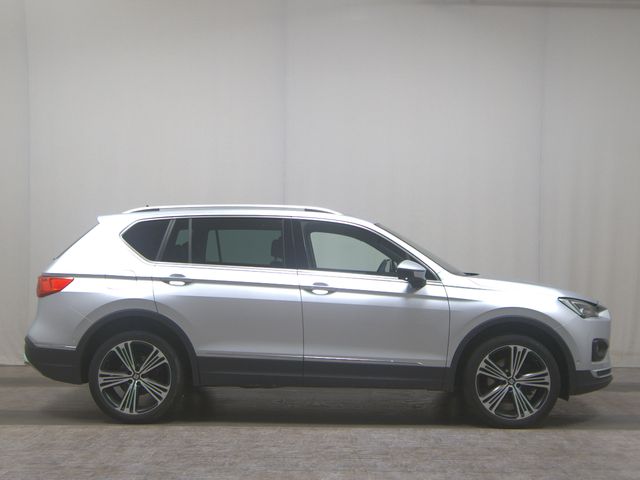
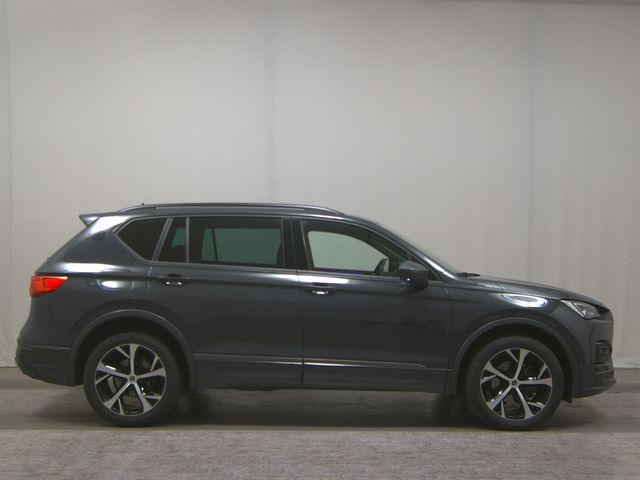
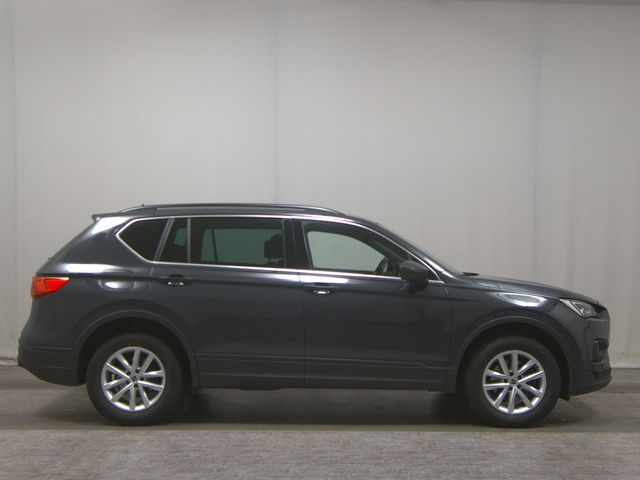
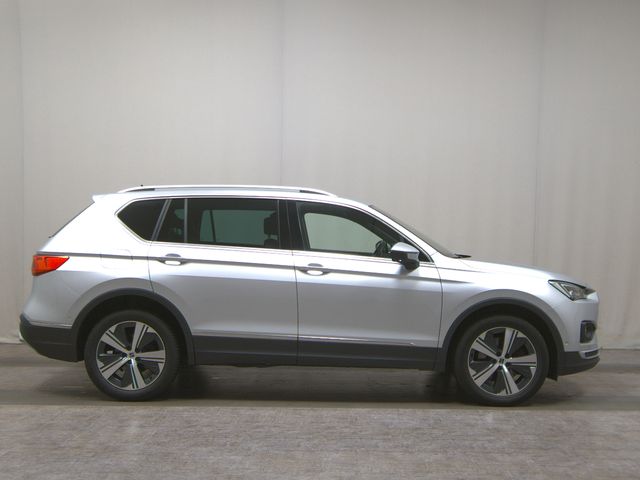
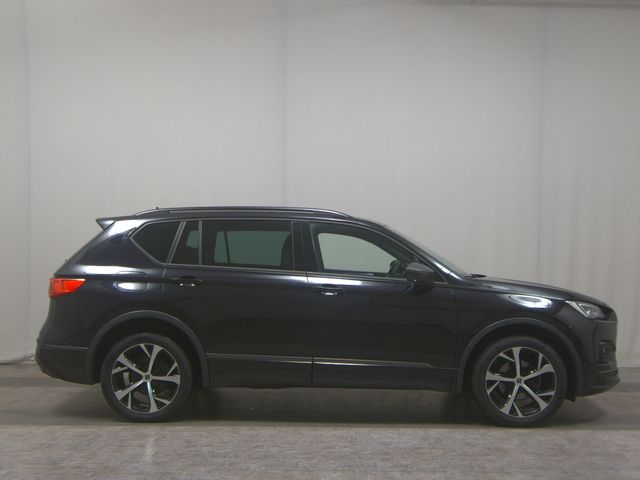
2021, hybrid, automatic, 165K km, SUV, 150 hp, 1.4 TSI PHEV XCELLENCE DCT, Used condition, In stock

CarOutlet.eu
 Belgium
 Belgium
 NetherlandsNetherlandsNetherlandsNetherlandsNetherlandsNetherlandsNetherlandsNetherlands
 FranceFranceFrance
 Germany, Lower SaxonyGermany, Lower SaxonyGermany, Lower SaxonyGermany, Lower SaxonyGermany, Lower Saxony
 GermanyGermanyGermanyGermanyGermanyGermanyGermanyGermany
The tricky part with a SEAT Tarraco in the European market is not creating a shortlist. It is resisting the temptation to chase the first clean-looking ad when supply is limited and cars may be far apart. With only a small pool of used listings at any given time, buyers often relax their standards too early: a tidy photo set, a reasonable mileage claim, and suddenly a long trip feels justified. That is exactly when you need to slow down. A SEAT Tarraco can still be the right buy, but on a thin market you win by comparing details before you compare emotions.
A good first step is to treat every promising SEAT Tarraco listing as incomplete until the seller proves otherwise. In EU cross-border shopping, distance and paperwork matter almost as much as condition. Ask for the registration documents, service records, and a clear explanation of ownership history before you discuss travel plans. If the seller is vague about where the car has been registered, how long they have owned it, or why maintenance history is missing, that is not a tiny issue hidden behind an attractive price. It is part of the offer.
When you compare SEAT Tarraco cars for sale, look beyond the headline facts. Mileage, year, and price are only the first screen. The stronger listings usually make it easy to understand how the car has been used and cared for. You want a seller who shows the cabin, load area, all sides of the body, wheels, and the details buyers usually ask about later. A weak listing often relies on flattering angles and leaves gaps exactly where wear, repainting, or neglect might be hiding.
Read the wording carefully too. A seller who can describe recent maintenance, tires, brakes, software updates if relevant, or what was done at the last service usually sounds different from someone repeating generic sales phrases. With a SEAT Tarraco, equipment can strongly affect how satisfying the car feels day to day, so compare trim and features in a practical way. Do not assume two similar-looking examples are equivalent just because both seem well kept in photos. One may have the comfort, seating, driver assistance, or convenience details you will value every week; the other may simply photograph well.
One useful habit on a limited-supply page is to separate scarce from special. A scarce SEAT Tarraco is just hard to find. A special one earns your trip through evidence: fuller history, better presentation, believable wear for the mileage, and a seller who answers directly. Buyers often blur those two ideas. That is how average cars become “must-see” cars.
Another less obvious signal is how the seller handles simple follow-up requests. Ask for cold-start video, instrument cluster photos, close shots of seat bolsters, tailgate edge, wheel condition, and any known cosmetic flaws. A serious seller usually understands why you ask. A weak seller may act offended, delay for days, or keep sending the same three polished photos. In a market where a SEAT Tarraco may require a train, flight, or full-day drive to inspect, responsiveness is not just a nice extra. It tells you whether the rest of the transaction is likely to be orderly.
The best questions are boring. They also save you from bad journeys. Ask whether the mileage is documented through service invoices or inspection records, whether there are two keys, when consumables were last replaced, and whether any warning lights, intermittent faults, or infotainment issues have appeared. If the SEAT Tarraco is being sold soon after purchase, ask why. If the seller says the car needs “nothing,” ask what work has been done recently to support that claim.
For used listings, it also helps to ask what is not original. Has any panel been repainted? Are the wheels original to this version? Is there any damage history the seller knows about? You are not trying to interrogate someone; you are testing whether the story stays consistent. Strong private sellers and competent dealers tend to answer clearly. Weak offers become foggy the moment specifics enter the conversation.
A smart buyer does not evaluate a SEAT Tarraco in isolation. Compare it with other seven-seat or family-focused SUVs appearing in the same search window, especially if availability is thin. This is not to talk yourself out of the SEAT. It is to force the listing to justify itself. If one SEAT Tarraco has average history, average condition, and average equipment, then “rare locally” is not enough reason to overpay or overlook missing documentation.
This is where the SEAT Tarraco can become more interesting than it first appears. Buyers who arrive after browsing broader family SUV listings are often looking for space and calm rather than badge drama. That changes how you should read offers. A flashy ad matters less here than evidence of sensible ownership. The better SEAT Tarraco listings usually feel straightforward: complete photos, honest notes on condition, and fewer heroic claims. On this page, transparency is often more valuable than presentation.
Go and see the car when the listing survives comparison, the seller answers practical questions, the paperwork sounds coherent, and the car still makes sense after you check alternatives. That last part matters. A SEAT Tarraco is easy to like from the idea of it alone: size, versatility, and family-use logic. But the right buy is the one that stays convincing once the details start piling up.
If you are browsing SEAT Tarraco offers across Europe, patience is part of the strategy. Limited availability can make every decent ad feel urgent, yet weak offers usually reveal themselves if you press for documentation, maintenance history, and clear visual proof. The goal is not to find any SEAT Tarraco for sale. It is to find the one you would still choose after a careful second look.
 Add as preferred sourceSee more from zvelta in Google Search Add as preferred source