
30 June 2026

30 June 2026


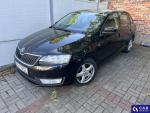
The smart way to shop for a Skoda Rapid is to treat it as a sensible shortlist car, not a fantasy purchase. People usually land on a Skoda Rapid page because they want straightforward transport with enough space, familiar controls, and ownership that feels easier to plan than something flashier. That is exactly why weak listings can be misleading here: a Skoda Rapid often attracts buyers who value logic, so sellers sometimes assume a basic ad will be enough. Don’t reward that. Compare each offer carefully and make the seller prove the car has been cared for.
Why the Skoda Rapid attracts practical buyers
The Skoda Rapid tends to appeal to buyers who want one car to cover daily commuting, family errands, and longer motorway trips without turning the ownership experience into a hobby. On the EU used market, that matters. Cars in this part of the market are often chosen with a calculator in one hand and a calendar in the other: what will it cost to keep, how soon will it need attention, and does the seller sound like someone who actually knows the car?
That buyer profile tells you how to read listings. A strong Skoda Rapid offer is usually not the one with the most excited wording. It is the one with clear photos, believable mileage progression, a calm description of maintenance, and enough detail to show the seller is not hiding behind generic phrases. If an ad says little beyond “good condition” and “drives well,” assume nothing. Ask for specifics.
The first comparison is not price, it is honesty
When you have several Skoda Rapid cars for sale open side by side, start with consistency. Does the wear in the cabin match the mileage? Do the tyres, lights, and body panels suggest the car has been used evenly, or patched together for sale? Are there photos of the service book, invoices, or at least recent maintenance items? In this corner of the market, presentation discipline often tells you more than polished language.
A less obvious point: with a model like the Skoda Rapid, vague equipment descriptions matter more than people think. Buyers often compare these cars on everyday usability, so missing details about climate control, infotainment, parking aids, seat condition, luggage space practicality, or rear-seat wear can make one listing much weaker than another. A seller who skips the ordinary parts of the car may also be skipping the ordinary parts of maintenance.
Questions that quickly separate a solid seller from a weak one
Before arranging a viewing, send a short message or call with focused questions. You do not need a dramatic interrogation. You just need to hear whether the seller answers directly.
Ask:
- how long they have owned the Skoda Rapid
- why they are selling it now
- what maintenance was done recently
- whether there are any warning lights, leaks, or electrical issues
- whether the gearbox behavior, clutch feel, brakes, and suspension have changed recently
- whether there is service history, invoices, or inspection paperwork available
- whether the car has had paintwork or accident repair
Listen to the style of the reply, not only the content. A careful owner usually answers in a sequence: this was done, that still needs attention, here is what I can document. A weak seller often answers in fog: “everything is fine,” “nothing to invest,” “just come and see.” For a used Skoda Rapid, that fog is expensive.
What to notice in the photos before you travel
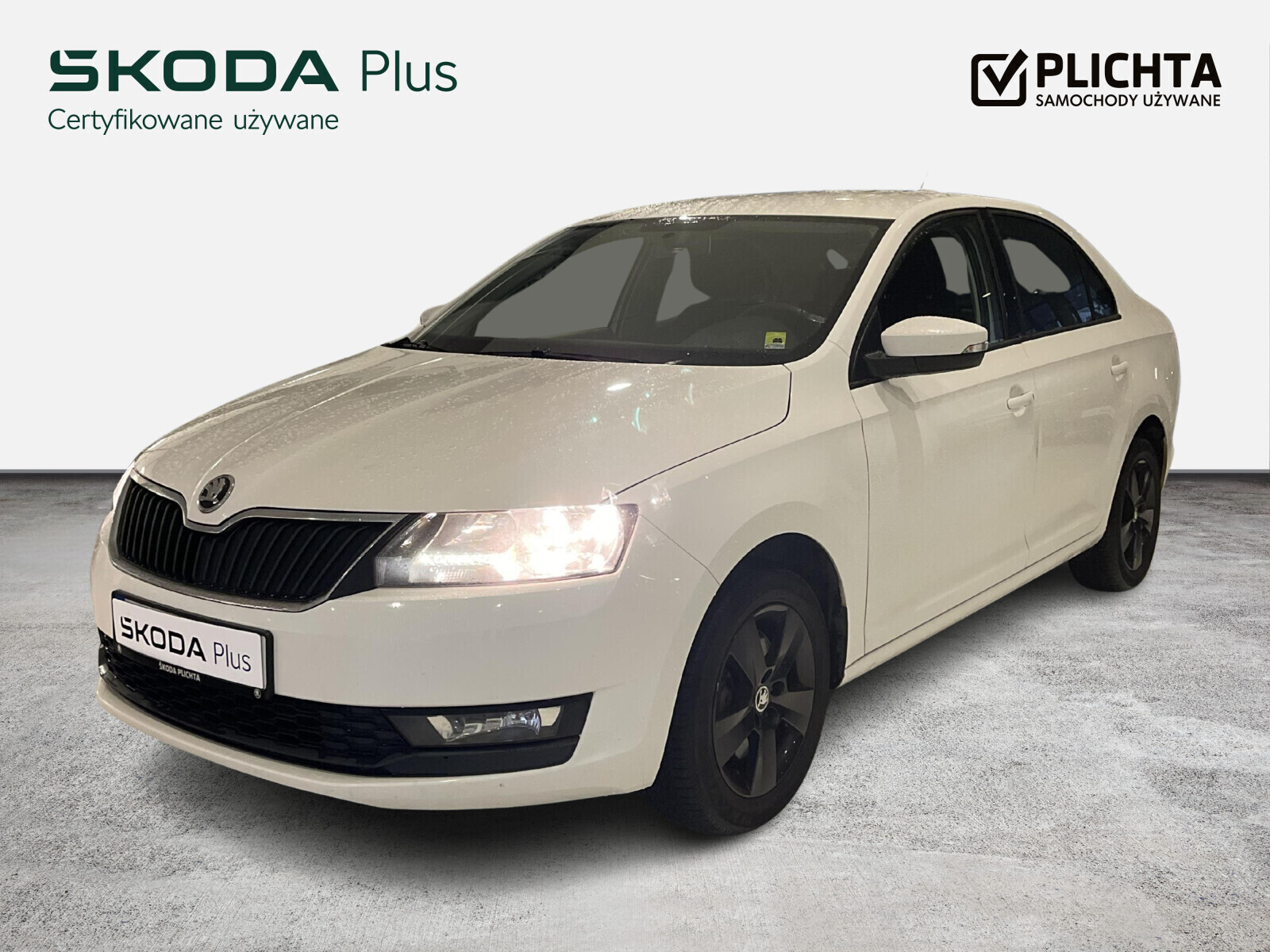
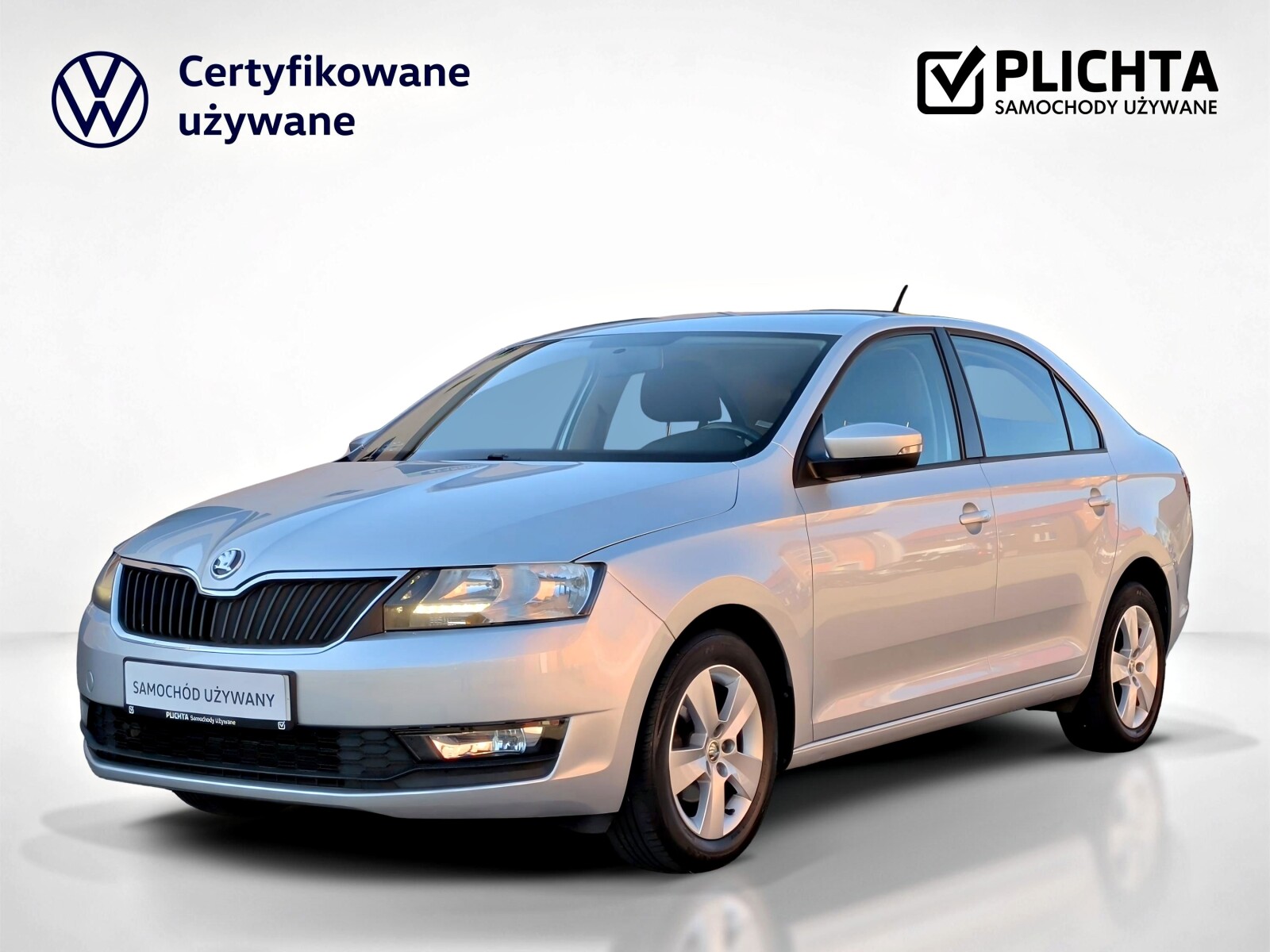
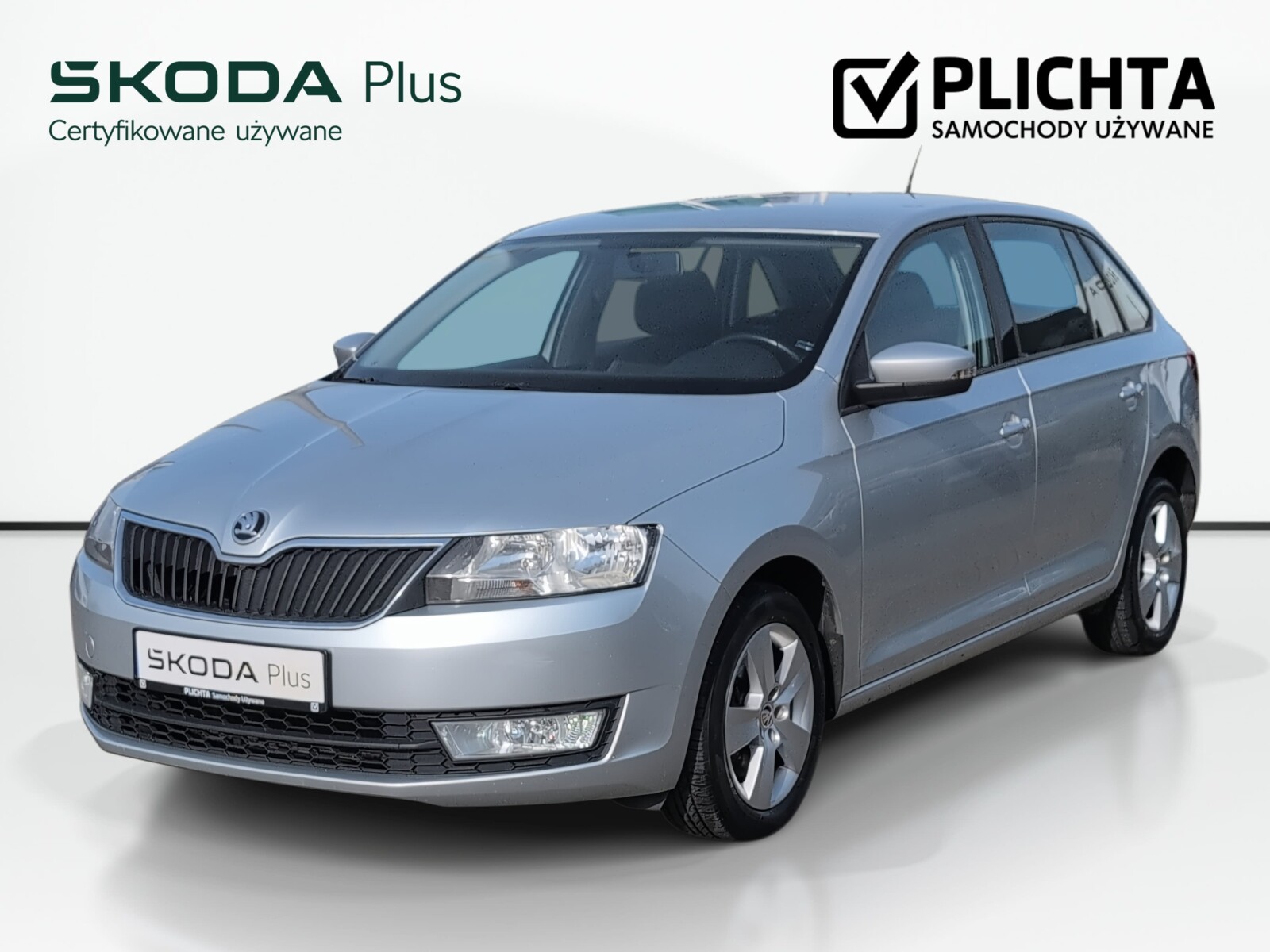
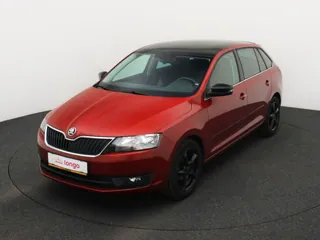
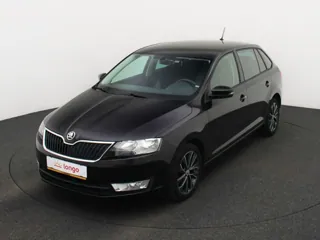
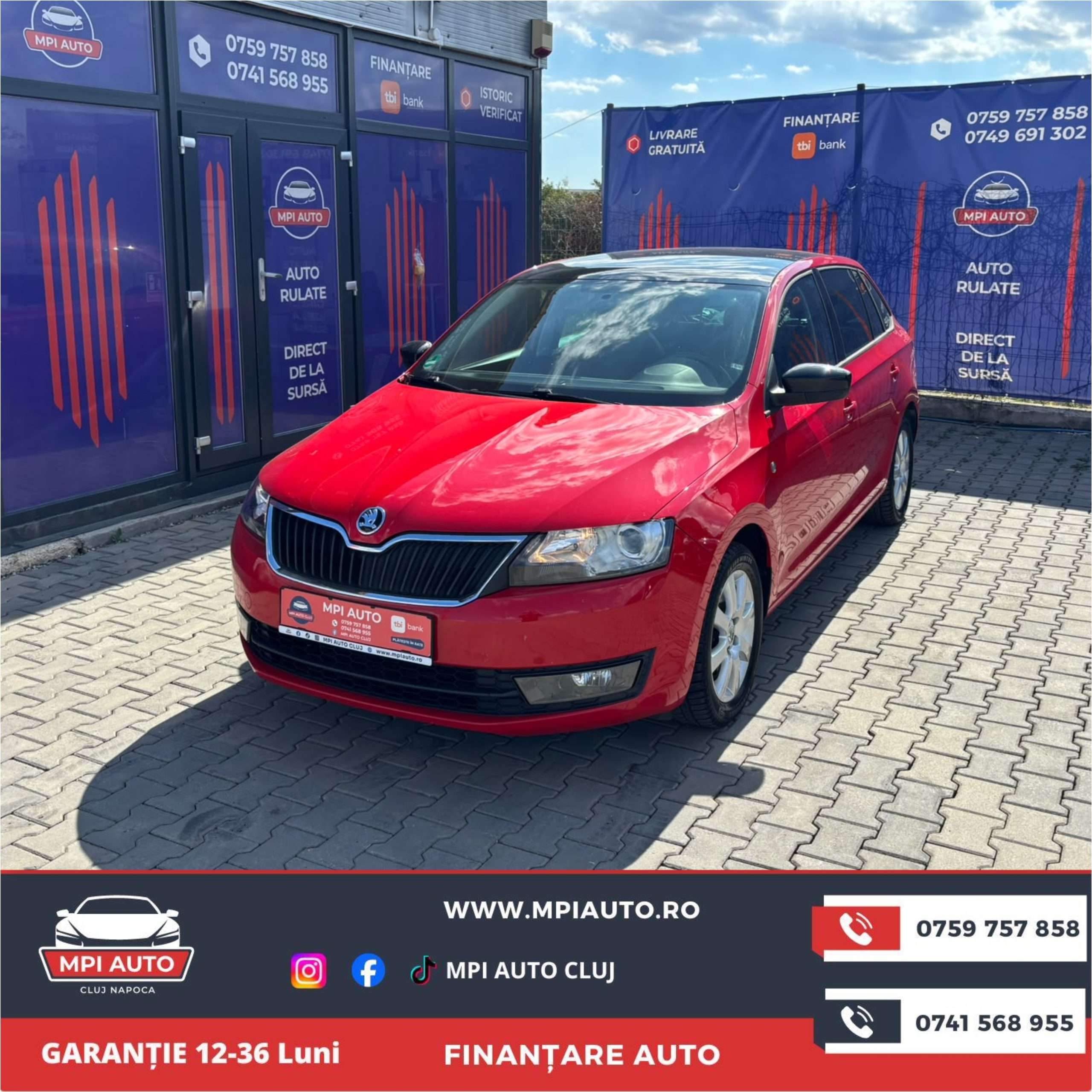
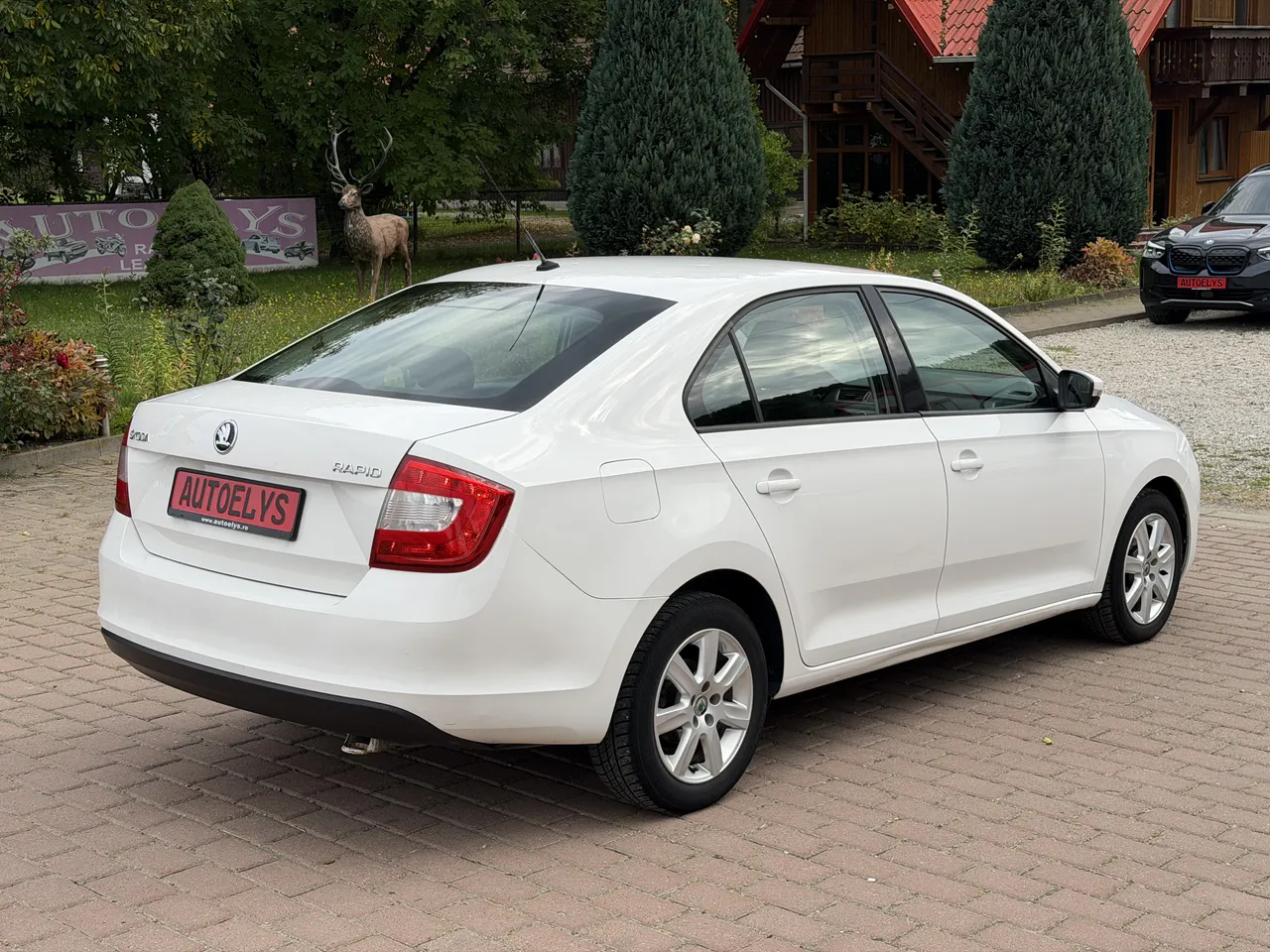
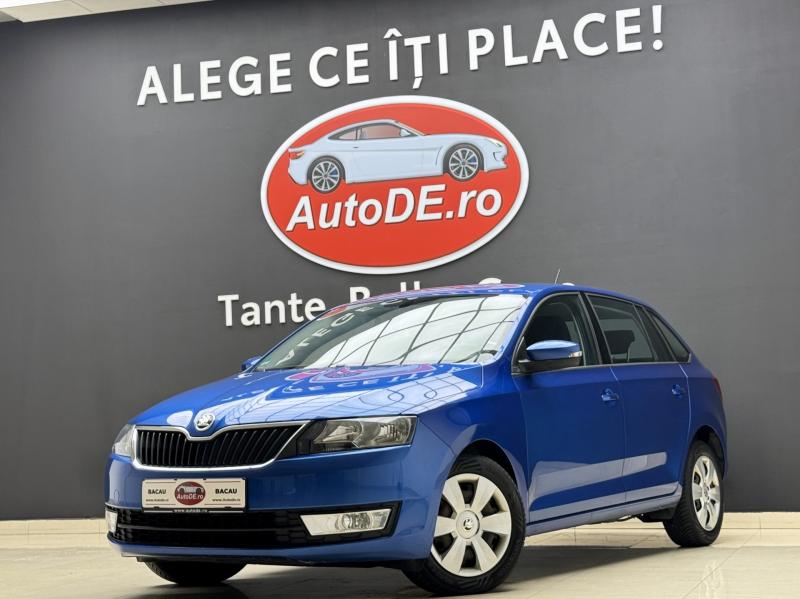
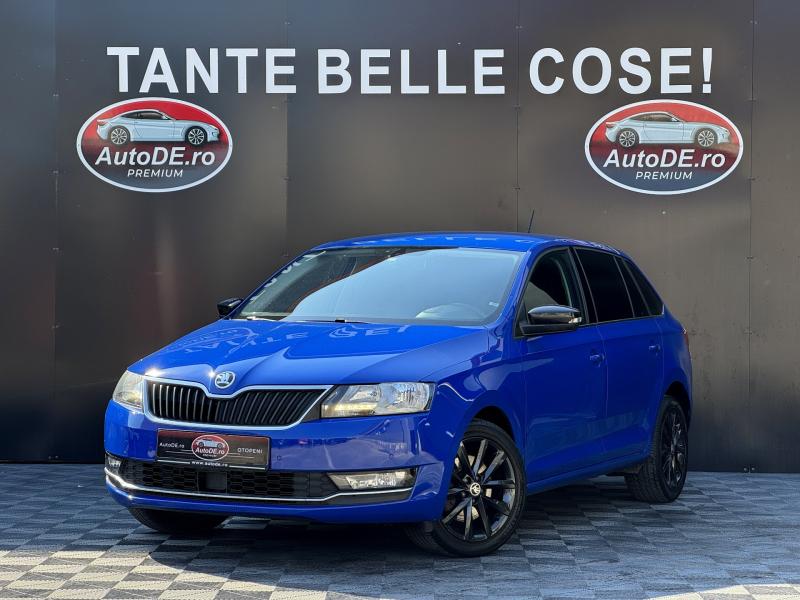
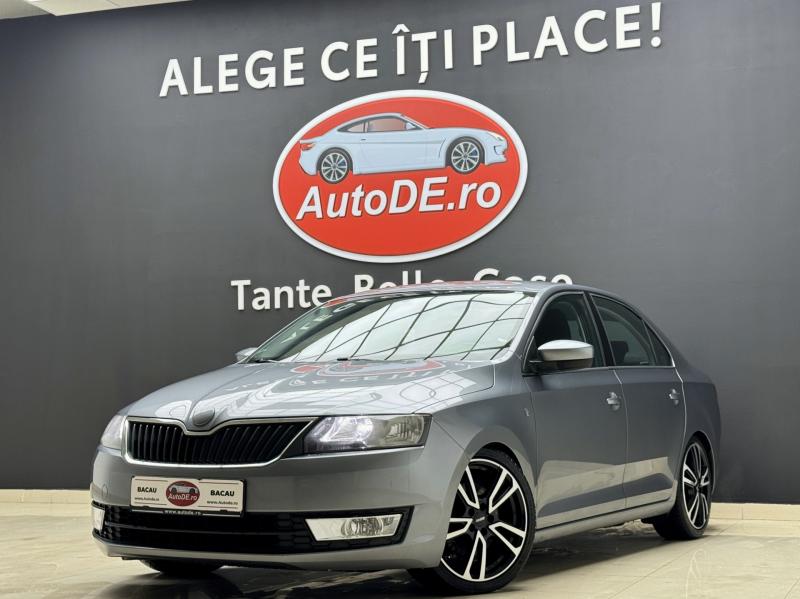
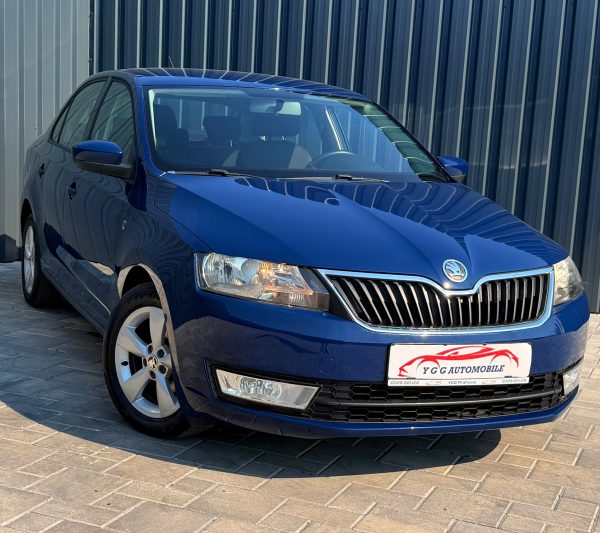
Many average listings reveal their problems before you even leave home. Zoom in on steering wheel wear, gear lever condition, driver’s seat bolsters, panel gaps, lower bumper corners, wheel condition, and the luggage area. On a practical car such as the Skoda Rapid, heavy damage in the boot opening or rear trim can hint at a hard-working life that the ad never mentions.
Also check whether the photos were taken with any care. That sounds minor, but in the EU market it is often a real signal. A seller who photographs the car in daylight, includes all angles, shows the dashboard when running, and adds close-ups of imperfections is usually easier to deal with than someone who posts six dark images in a crowded parking space. The Skoda Rapid is bought by detail-minded people; better listings often come from detail-minded owners.
The viewing should answer one simple question
When you inspect a Skoda Rapid, ask yourself whether the whole car tells one believable story. The mileage, condition, service history, tyre brand mix, interior wear, and seller explanation should line up. If one part feels much newer, older, cleaner, or more heavily worn than the rest, pause and ask why.
During the test drive, keep your standards ordinary and practical. You are not chasing drama; you are checking whether the car feels settled. Does it start cleanly? Does it idle smoothly? Does the steering feel natural? Do brakes respond evenly? Is there anything in the suspension or drivetrain that sounds ignored rather than simply used? A good Skoda Rapid should make life feel easier, not give you a project on the drive home.
Where the Skoda Rapid sits in a real shortlist
The Skoda Rapid usually makes sense for the buyer who values clarity over image. That is its character, and it is also the best reason to be selective. If you are also comparing other compact or family-friendly used cars, the right Skoda Rapid listing often wins not by dazzling you, but by making fewer excuses. Better history, cleaner wear, more transparent ownership, more complete description: that is how this model earns its place.
So if you are comparing Skoda Rapid listings across the EU market, be a little stricter than the average shopper. This is exactly the kind of car where a tidy, honest example can be a very satisfying buy, while a lazy listing can hide months of avoidable hassle. Choose the offer that respects your time before you even book the viewing.