 EN
ENDEALER

€1,799DEALER
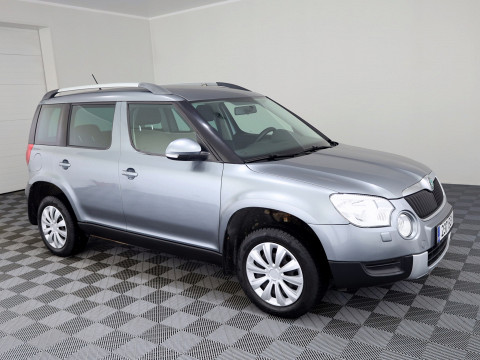
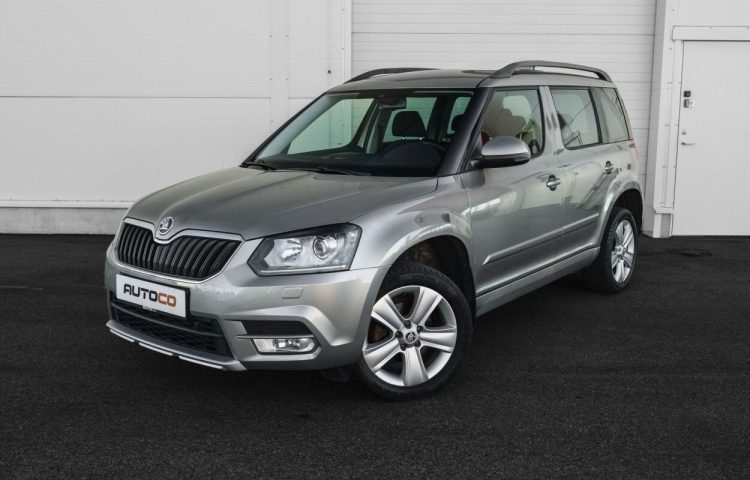
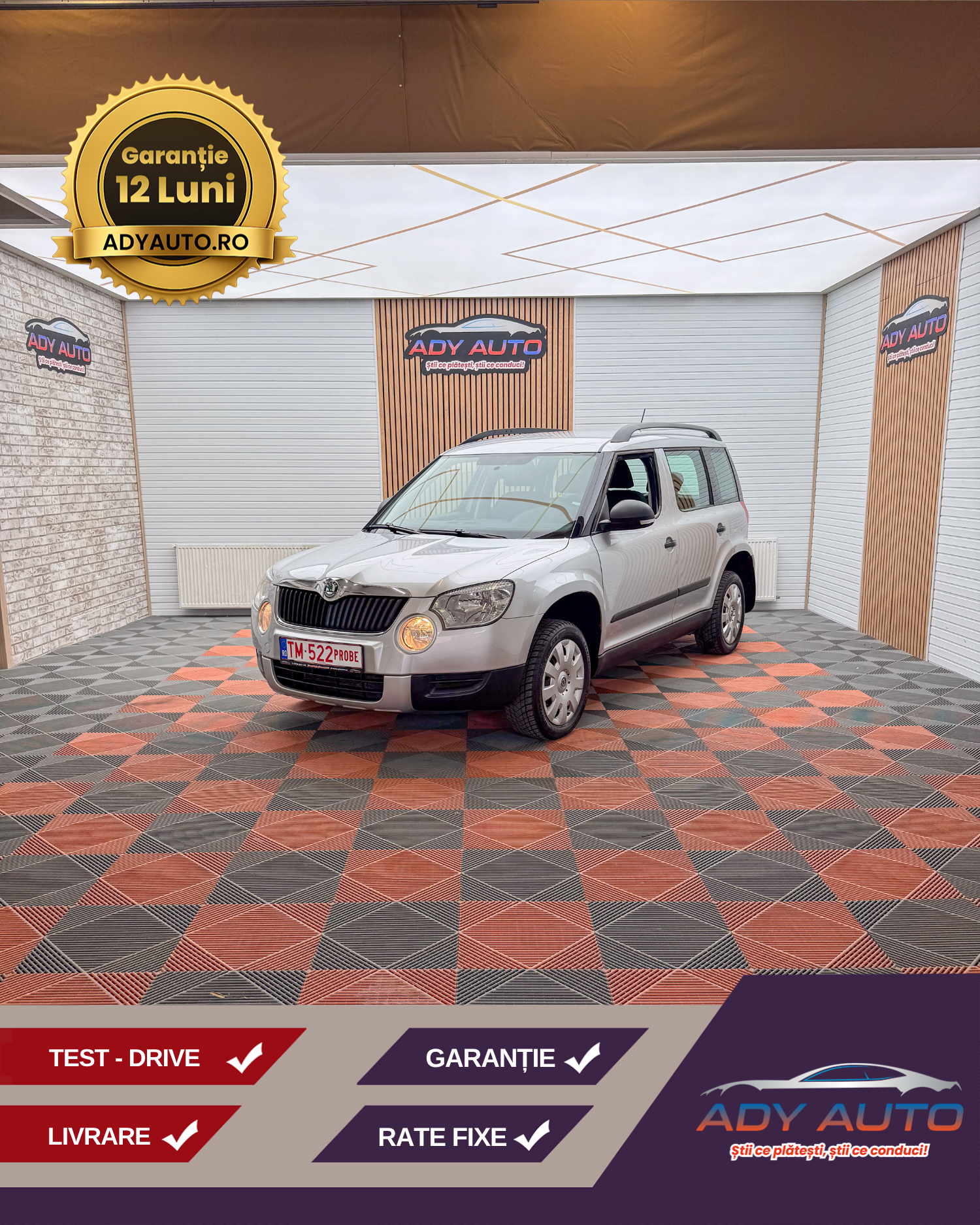
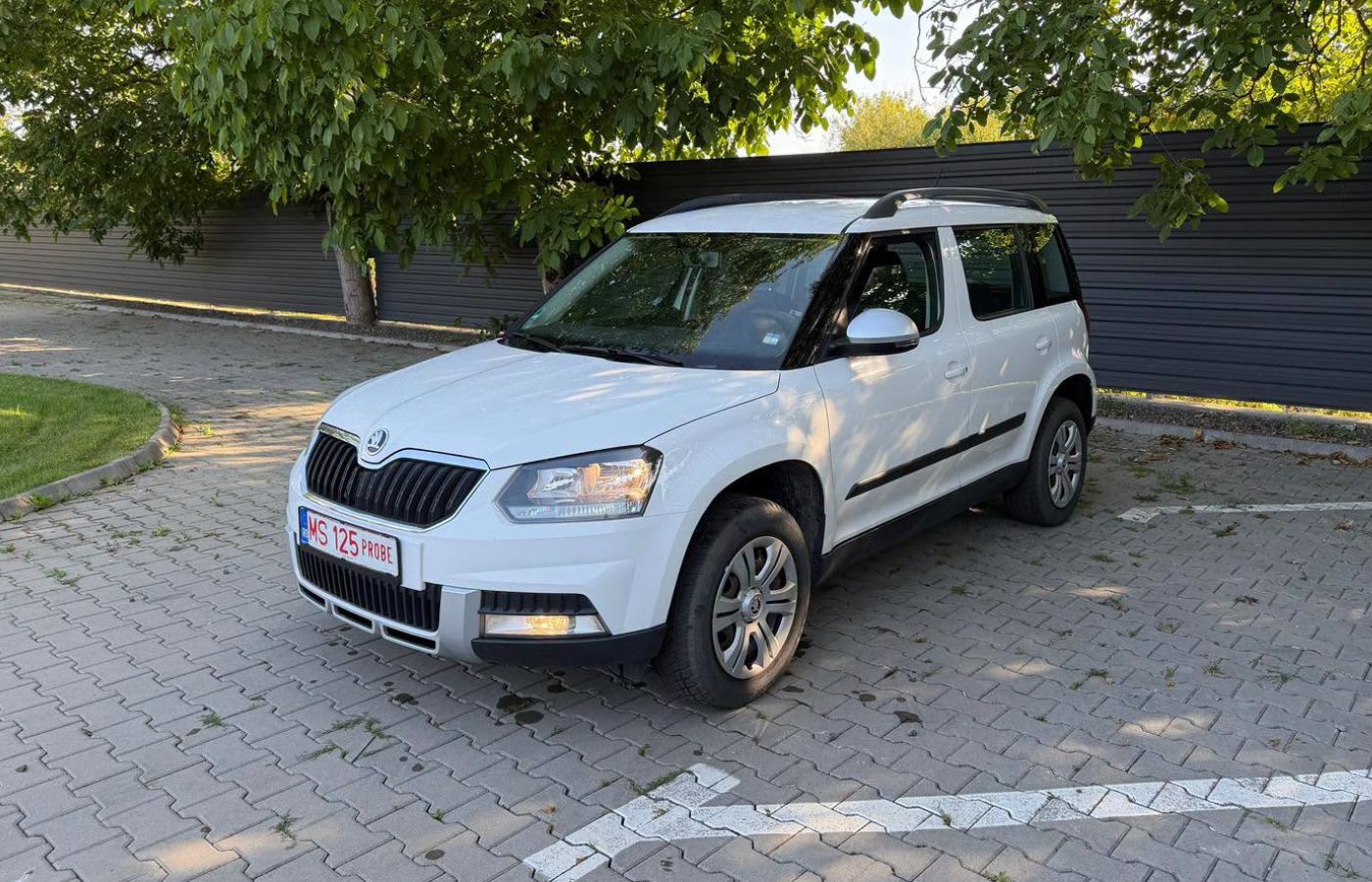
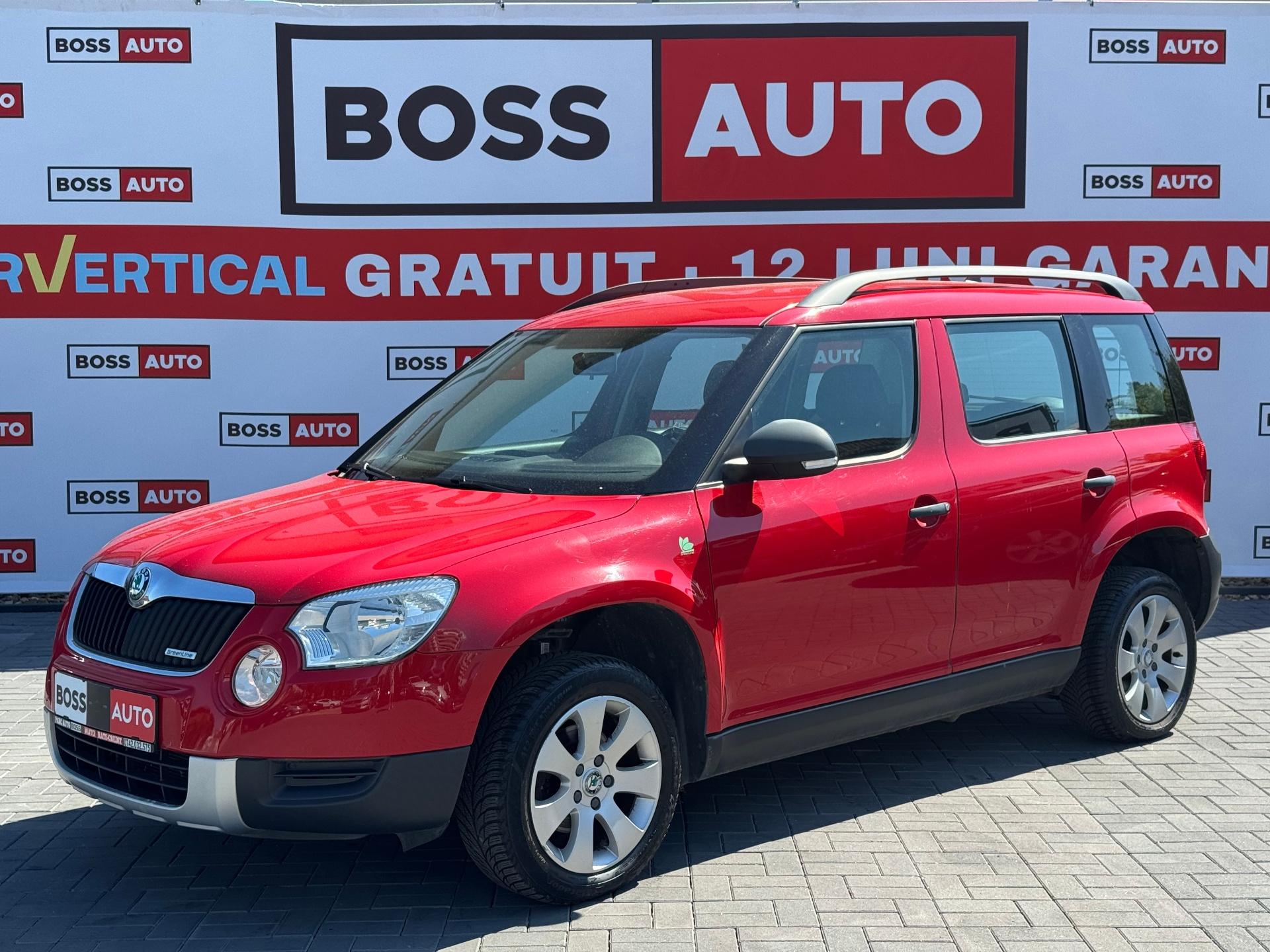
2011, gasoline, manual, 323K km, wagon, All Wheels Drive, 1,800 cm3, blue, Used condition, Europa, In stock

BaltiCar.com
 Estonia, Harjumaa
 Estonia, HarjumaaEstonia, HarjumaaEstonia, Harjumaa
 Romania, Timiș CountyRomania, Timiș CountyRomania, Timiș County
 Romania, Maramureş
 Romania, Mureș County
 RomaniaRomania
 Romania, Bacău County
 Romania, Buzău County
 Romania, Buzău County
 Romania, Bucharest
A good Skoda Yeti listing should make you feel that the owner has actually lived with the car, not just washed it and uploaded three blurry photos. On a model like this, that matters. People usually look at a Skoda Yeti because they want something compact, easy to place in daily life, and a little more versatile than a regular hatchback. So when you compare used cars for sale, focus less on the seller's adjectives and more on whether the ad shows a believable ownership story: clear mileage progression, usable photos, sensible equipment notes, and a maintenance history that sounds like a real person kept the car going rather than prepared it only for sale.
The Skoda Yeti has a particular appeal in the EU used market because buyers often come to it with a very practical shortlist. They are not only searching for style or badge value. They are looking for a car that may fit city parking, family routines, weekend trips, rougher seasonal roads, or simply a more upright driving position. That is why weak listings stand out quickly. If the seller says the car is "perfect" but avoids details on service records, tire condition, warning lights, or recent work, treat that as a reason to slow down.
A stronger Skoda Yeti listing usually answers small everyday questions before you even ask them. Has it been used mainly for commuting, family use, or mixed driving? Is the interior shown properly, including seat wear, boot area, steering wheel, and controls? Does the seller mention two keys, invoices, old inspection papers, or a timing-related service if relevant to that specific car? Those are not glamorous details, but they often separate the cared-for examples from the ones being moved on cheaply for a reason.
When only a handful of Skoda Yeti offers are available, it is easy to talk yourself into the first decent one. Resist that. Open each listing and compare the things you will actually live with: seating condition, visibility of bodywork from all angles, wheel and tire setup, dashboard photos with the engine running, and how much useful information the seller volunteers without being pushed. A tidy exterior means less if the cabin looks tired in the places you touch every day.
This is also where the Skoda Yeti can be deceptive in a good way. Some examples look plain in photos but turn out to be the ones worth driving across town to see, because the owner has documented maintenance, described faults honestly, and photographed the car in daylight instead of hiding it in a parking garage. On the other hand, a shiny ad with almost no specifics can be a time-waster. If you find yourself guessing about condition, ownership history, or what exactly is included, the listing is not doing its job.
Before arranging a viewing, send a short message or call with a few pointed questions. Ask what work was done recently, whether anything currently needs attention, and whether the seller would be comfortable starting the car from cold when you arrive. Ask if there are any recurring warning lights, vibrations, drivetrain noises, water leaks, electrical quirks, or air conditioning issues. You are not trying to trap the seller; you are checking whether the answers come naturally.
With a Skoda Yeti, the useful questions are often the ordinary ones. Does everything inside get used as it should? Do the rear seats fold and lock properly? Is the boot floor complete? Are there signs of heavy wear from pets, tools, or frequent cargo? A seller who knows the car will usually answer in a calm, specific way. A vague answer like "all good" to every question is less reassuring than an owner who says, "The car drives well, but one parking sensor is intermittent and the rear tires will need replacing soon." Real cars come with details; trustworthy sellers do too.
A promising Skoda Yeti should earn the trip before you leave home. Look for consistency between photos, description, and conversation. If the mileage appears low for the car's age, ask what supports it. If the body looks very clean, ask for close photos of the lower panels, edges, and any previously repaired areas. If service history is mentioned, ask whether it is stamped, invoiced, digital, or a mix. You do not need a perfect car. You need a car that matches its story.
One less obvious clue in the EU market is how the seller talks about routine ownership. Someone who can explain where the car has been serviced, what fuel or oil habits they followed, when the brakes or tires were last changed, and why they are selling the Skoda Yeti usually gives you more confidence than someone reciting generic selling lines. Buyers often chase specification first, but for an everyday crossover like this, traceable care can matter more than one extra option.
Skip listings that make basic verification hard. Few photos, no cabin shots, no document mention, no service context, and no willingness to discuss faults usually means more risk, not hidden value. Also be careful with ads that try too hard to create urgency while saying very little. A decent Skoda Yeti should not need mystery to sell.
If you are comparing alternatives, think about the role this car will play in your life. The best Skoda Yeti for you may not be the newest-looking one, but the one that feels easiest to own on an ordinary Tuesday morning: easy to get into, easy to see out of, easy to load, and backed by an owner who kept records instead of excuses. That is the offer worth viewing first. And if a seller gives you enough honest detail that you can already imagine daily life with that exact Skoda Yeti, you are probably looking at one of the stronger listings.
 Add as preferred sourceSee more from zvelta in Google Search Add as preferred source