 EN
ENDEALER

€36,638DEALER
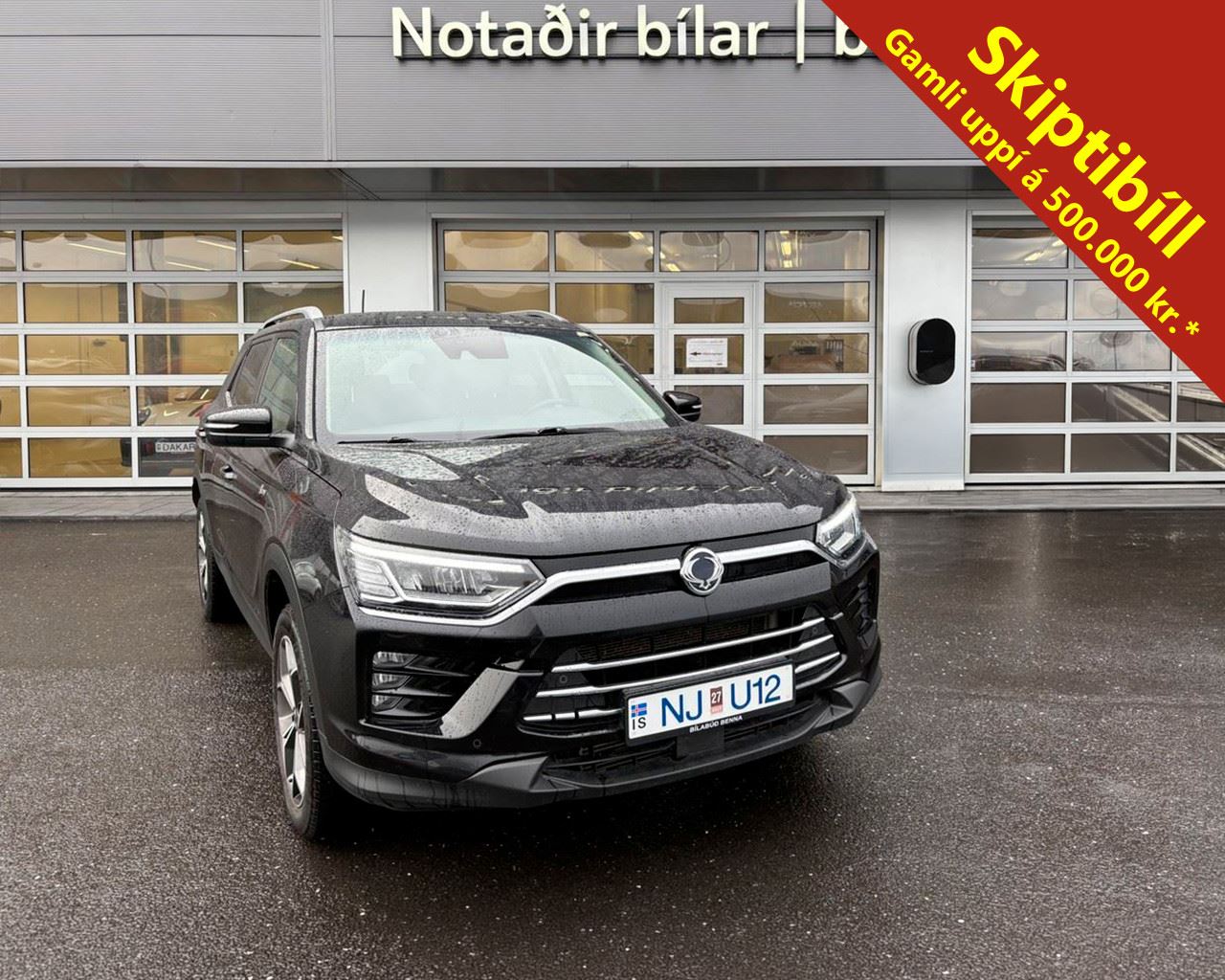
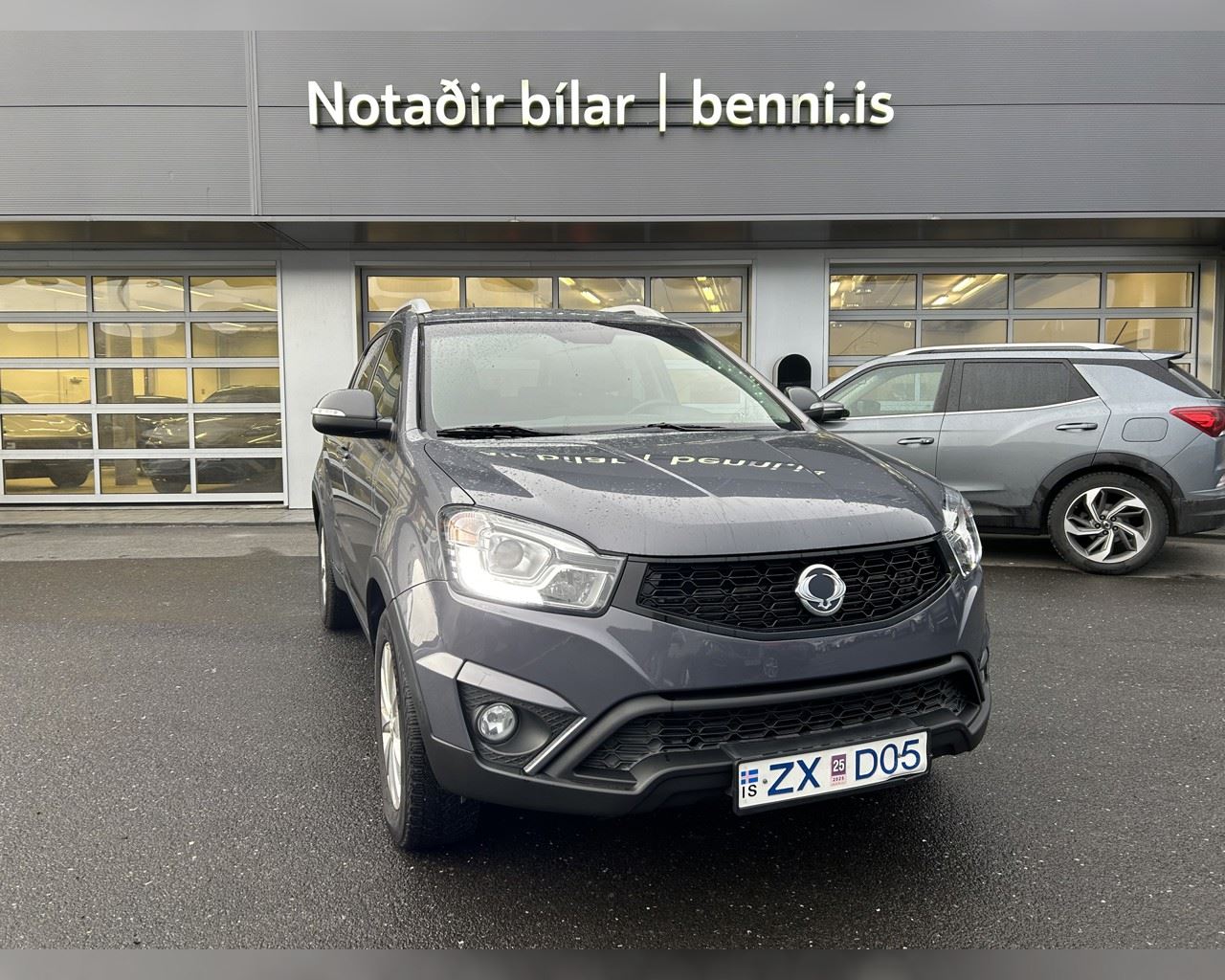
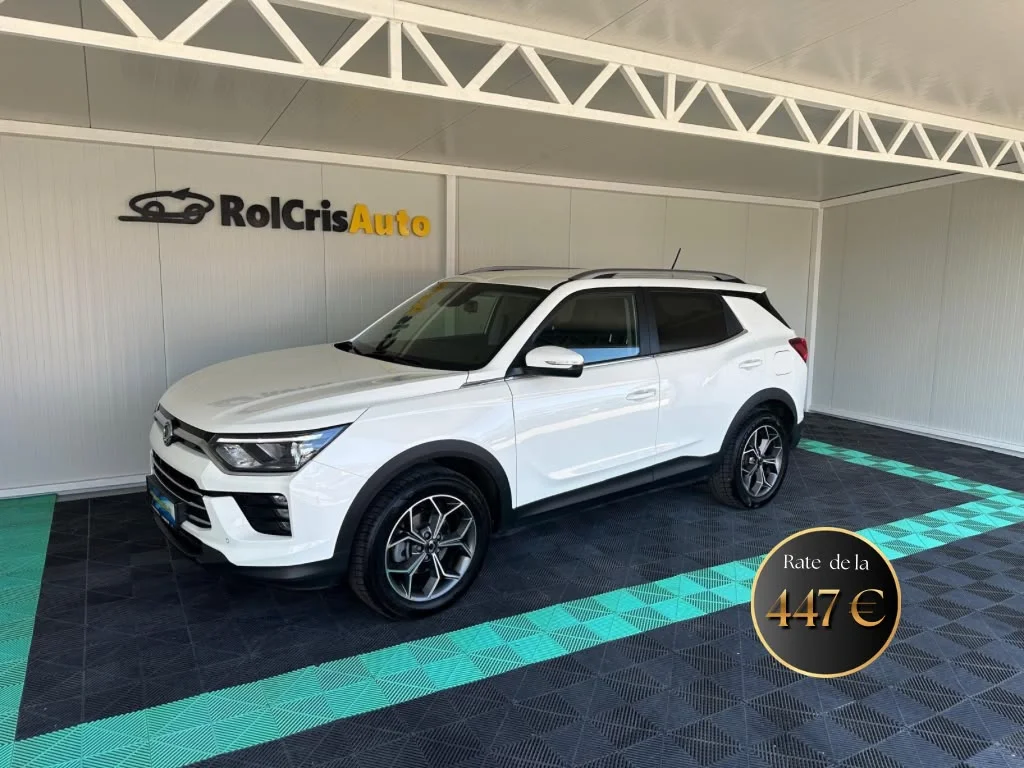
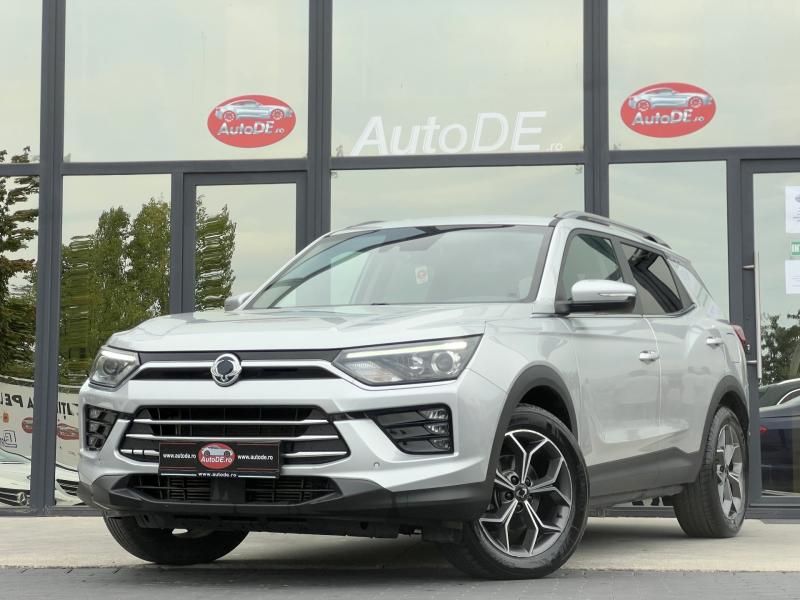
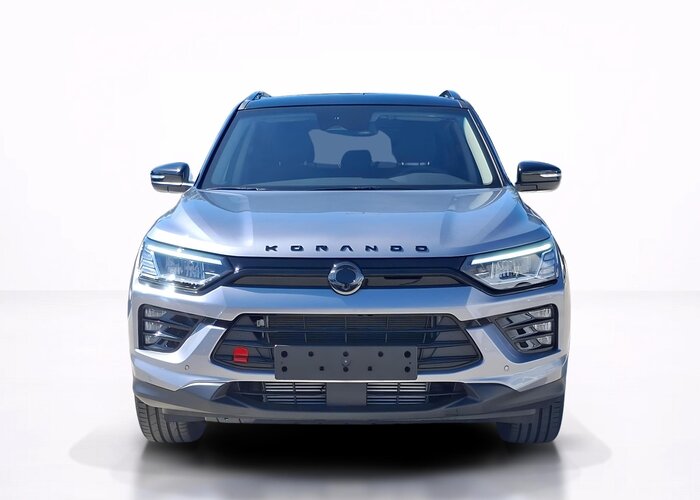
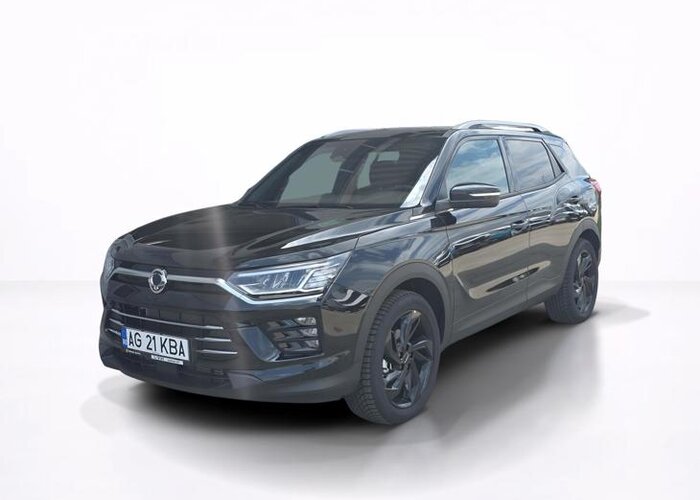
SsangYong: Korando, 2024, gasoline, automatic, 79K km, All Wheels Drive, 164 hp

notadir.benni.is
 Reykjavík, Iceland
 Reykjavík, IcelandIcelandIcelandIcelandIcelandReykjavík, Iceland
 Belgium
 Romania, Bihor County
 Romania, Botoșani County
 Romania
 Romania, Bucharest
 RomaniaRomaniaRomaniaRomaniaRomaniaRomania
If you are looking at a SsangYong Korando, the smart approach is not to treat it like a mainstream default choice. That is exactly why some buyers end up liking it. A Korando usually attracts someone who wants a compact SUV shape, everyday usefulness, and a bit of distance from the usual shortlist full of familiar badges. On this page, the job is simple: separate the genuinely well-kept SsangYong Korando offers from the cars that are only cheap because too many questions have been left unanswered.
The SsangYong Korando often sits in an interesting part of the market. It is not always the first model people search for, which can work in your favor if you are patient and compare carefully. Buyers who land on a Korando listing are often not chasing image first. They are usually trying to balance budget, usable cabin space, higher seating position, and the hope of finding a car that has been overlooked next to more obvious alternatives.
That buyer profile matters, because it changes how you should read listings. With a SsangYong Korando, the question is rarely “is this the trendiest SUV?” It is more often “does this specific car look honestly owned, sensibly maintained, and priced in line with its condition?” That shift in mindset helps you avoid wasting time on weak offers with flattering photos and very little substance.
When several SsangYong Korando cars for sale appear similar at first glance, the listing itself can tell you a lot before you even contact the seller. A strong offer usually shows the car from multiple angles, includes interior photos, mentions service history in plain language, and does not hide basic facts like mileage, transmission type, or visible wear. A weak listing often does the opposite: few photos, vague wording, no mention of ownership history, and suspiciously short descriptions that expect the price to do all the talking.
Look closely at consistency. If the SsangYong Korando is presented as very clean and carefully maintained, the photos should support that story. Check whether seat wear matches the stated mileage, whether the steering wheel and driver controls look unusually tired, and whether the exterior pictures avoid common damage points. If a seller shows only glamor shots and skips ordinary details, that is not proof of a problem, but it is a reason to ask more before arranging a visit.
A less obvious clue: niche-brand listings often reveal how engaged the owner has been. With a SsangYong Korando, a seller who can explain why they bought it, what they liked about it, and what has been done recently is usually easier to trust than someone using generic used-car phrases. Because this model can attract practical owners rather than impulse buyers, a well-written listing sometimes reflects a better ownership story than you might expect.
A phone call or message should help you eliminate half the doubtful options quickly. Ask the seller of the SsangYong Korando whether the maintenance history is documented with invoices, service book entries, or at least a clear timeline of recent work. Ask what has been repaired during their ownership, how long they have had the car, and whether there are any faults they would want to mention before you travel.
Keep the questions concrete. Does everything electrical work? Are there warning lights on startup or after driving? Has the car spent long periods unused? Are there two keys? Is the mileage easy to trace through documents or inspections? If the seller becomes evasive on simple points, that matters as much as the answers themselves.
For used SsangYong Korando listings, it is also worth asking whether the car has been serviced by a specialist familiar with the brand or simply maintained wherever convenient. This is not about assuming one answer is always better; it is about understanding how carefully the car has been looked after. With models outside the most crowded mainstream, confidence often comes from paperwork and clarity, not from badge familiarity.
The best SsangYong Korando offer is not automatically the cheapest, newest-looking, or most heavily advertised. It is usually the one where condition, explanation, and price make sense together. If one listing shows consistent upkeep, readable history, honest cosmetic imperfections, and a seller who answers directly, that is often a better viewing candidate than a shinier example with gaps everywhere.
Try to compare cars in layers. First layer: documents and ownership story. Second: visible condition inside and out. Third: signs of sensible maintenance. Fourth: whether the specification and overall presentation actually match your needs. If you mostly need comfortable daily use, family errands, and occasional longer trips, a tidy SsangYong Korando with clear history can be more attractive than a supposedly better-equipped example that raises doubts in every other area.
This is where the Korando’s character becomes important. People usually do not search for a SsangYong Korando to make a statement; they search for one because they want a practical SUV and are open to a less predictable answer. That makes seller honesty even more valuable. On a model like this, the right car often feels reassuring rather than exciting. That is a good sign, not a boring one.
Once you decide an offer is worth seeing, keep your inspection grounded. Check panel alignment, tire condition, glass, lights, interior wear, and how the engine starts from cold if possible. During a test drive, listen for noises you cannot identify, pay attention to steering feel, braking behavior, gearbox smoothness, and whether the car tracks straight. None of that is unique to the SsangYong Korando, but it matters more when you are trying to judge an individual example instead of buying on reputation alone.
Do not overlook the small usability details either. Seat comfort, visibility, loading space, rear-seat practicality, and how easy the controls feel can decide whether this SsangYong Korando will suit your life better than a more obvious rival. Buyers sometimes become so focused on avoiding risk that they forget to ask whether they will actually enjoy living with the car.
In the EU market, SsangYong Korando listings can make most sense when you compare them against your real alternatives rather than your ideal fantasy car. If your shortlist includes more common compact SUVs, ask yourself what you are gaining and what you are giving up with each option. The Korando may win you over through value, straightforward practicality, or simply because a well-kept example looks more convincing than a tired mainstream
 Add as preferred sourceSee more from zvelta in Google Search Add as preferred source