 EN
ENDEALER

€22,700DEALER
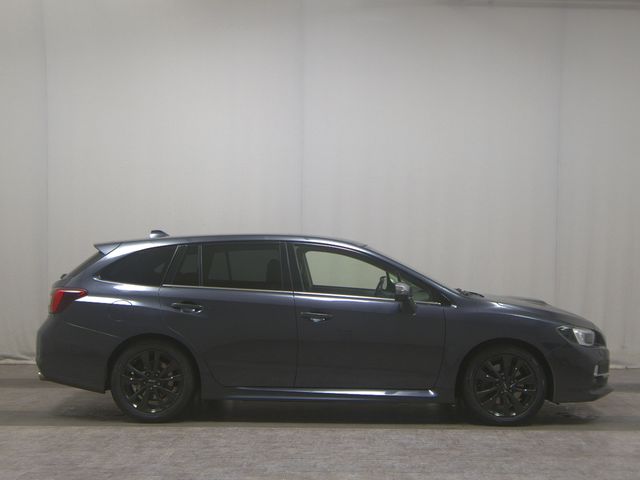
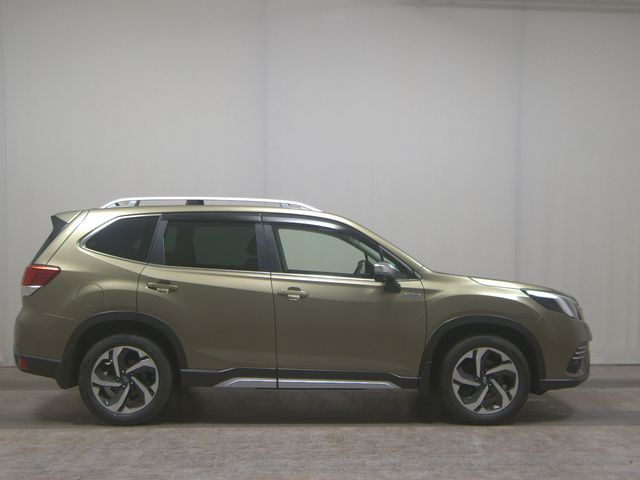
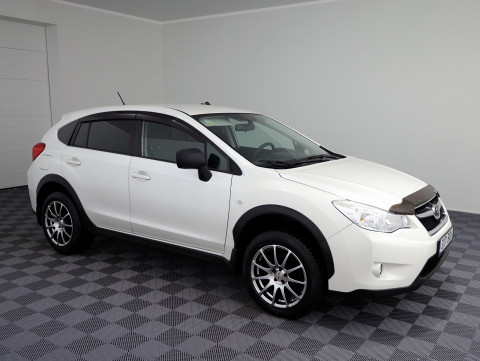
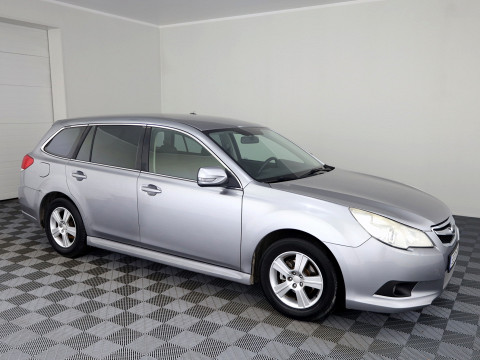
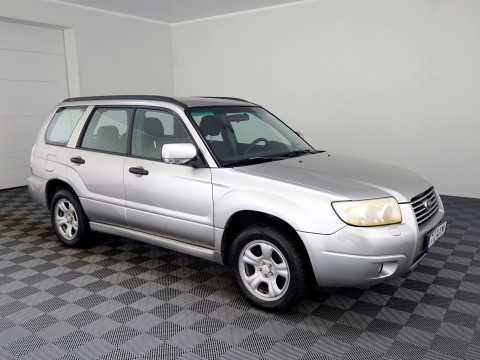
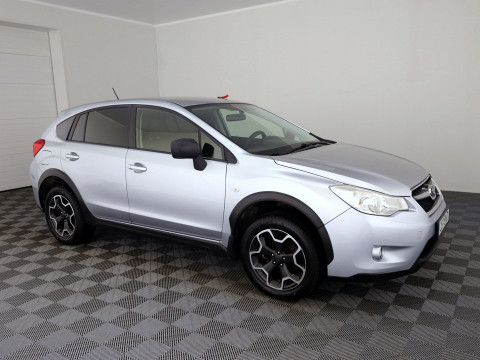
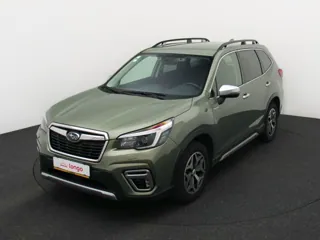
2026, gasoline, automatic, 52K km, SUV, 1,995 cm3, 150 hp, grey, 2.0i e-BOXER Automaat Premium, Used condition, Europa, In stock, sale date 29.10.2026 08:45

CarOutlet.eu
 Netherlands
Auction starts
29 Oct, 08:45
 NetherlandsNetherlands
 Germany, Lower SaxonyBockel, Germany
 Estonia, HarjumaaEstonia, HarjumaaEstonia, HarjumaaEstonia, HarjumaaEstonia, HarjumaaEstonia, HarjumaaEstonia, HarjumaaEstonia, HarjumaaEstonia, HarjumaaEstonia, HarjumaaEstonia, HarjumaaEstonia, HarjumaaEstonia, Harjumaa
 Miškiniai, EstoniaMiškiniai, EstoniaTorņakalns, Estonia
 Torņakalns, LatviaTorņakalns, LatviaTartu linn, EstoniaTartu linn, Estonia
 Poland, Lesser Poland
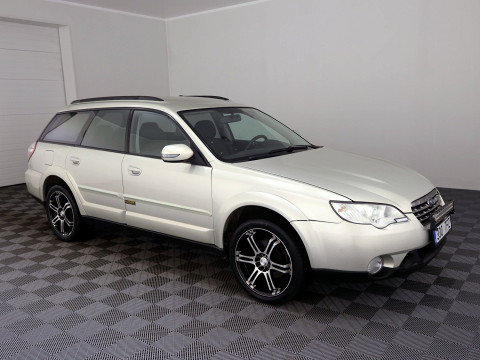
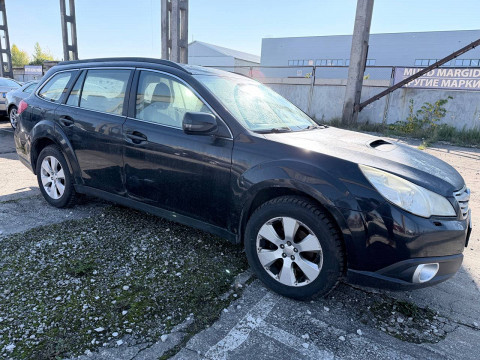
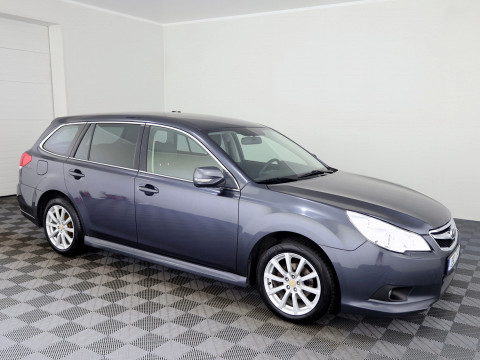
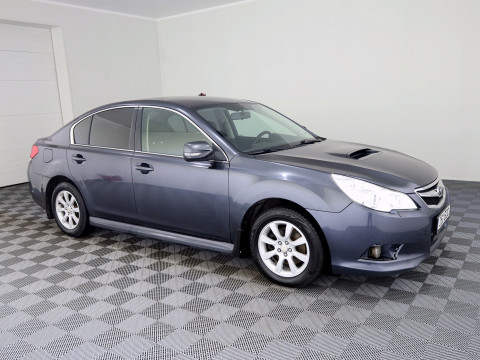
If you are shopping Subaru in Europe, start by deciding which kind of Subaru logic fits you best. This brand often attracts buyers who care about secure road manners, year-round use, and a slightly different ownership experience from the usual mainstream shortlist. That is exactly why weak listings can waste your time: people often get drawn in by the badge, a rugged photo set, or one attractive feature, then overlook the details that really separate a promising car from an expensive guess.
A good Subaru listing should help you understand the car before you even think about a call. On a brand page with only a small number of active offers, it is tempting to lower your standards and treat every Subaru for sale as a rare opportunity. Resist that. Scarcity can make ordinary cars look special. Compare each offer as if there were ten more waiting tomorrow.
Look first at the basics that shape value in any used Subaru search: mileage, service history, visible condition, engine and transmission description, tire state, equipment level, and how clearly the seller explains ownership. If the listing gives you only a year, a few dark photos, and a vague line like “runs well,” that is not a charming old-school ad; it is missing substance. Subaru buyers usually know what they are looking at, so a thin listing can be a signal that the seller either does not know the car well or hopes you will fill in the gaps yourself.
A practical way to compare Subaru offers is to group them by use case instead of by emotion. Ask yourself: is this a city-friendly daily driver, a family wagon, an all-weather commuter, or a more niche enthusiast choice? Once you do that, the right comparison set becomes clearer. A car that looks expensive at first glance may make more sense if the history is complete, the photos are honest, and the seller can explain what was done and when. Another one may seem cheaper until you notice missing document details, inconsistent panel gaps in pictures, or a suspiciously fresh interior against high claimed mileage.
With Subaru listings, seller signals can be especially revealing. A serious seller often understands that the buyer is not just asking, “Does it start?” but also, “Has it been cared for in a way that matches how this brand is usually bought?” The best ads tend to show small, confidence-building details: cold daylight photos, close-ups of tires and body edges, a readable dashboard image, service invoices or at least dates of maintenance, and specific notes instead of recycled sales phrases.
The wording matters too. If a seller writes clearly about recent maintenance, explains cosmetic flaws without drama, and answers direct questions directly, that usually tells you more than a polished description full of generic praise. Be careful with listings that lean on image alone: mountain-road photos, wet forest backdrops, or heroic language about adventure can be fun, but they do not replace proof. On a Subaru, the honest little clues are often better than the cinematic ones.
One of the most useful small tests is response style. Send a simple message asking for the VIN, service documentation, ownership duration, and whether there are any known faults or warning lights. A serious seller normally replies in a way that moves the conversation forward. A weak seller often dodges one of those points, answers only the easiest question, or rushes you toward a viewing without documentation. That does not automatically make the car bad, but it does tell you where the risk is shifting: toward you.
Subaru can attract loyalists, and loyalty sometimes makes buyers too forgiving. Try looking at the photos as if the badge were covered. Are all four corners shown? Is the car photographed clean enough to inspect, but not so heavily edited that textures disappear? Do the seats, steering wheel, pedals, cargo area, and door cards tell a consistent story with the claimed mileage and use?
For used Subaru cars, consistency is often more important than perfection. A few stone chips, worn load-space trim, or weathered rubber seals may be completely normal for a car that has been used honestly. What you want to avoid is a mismatch: shiny dealer-style exterior photos, then almost no interior detail; one side shown repeatedly, the other barely visible; engine bay omitted entirely; or document photos promised but never shared. When you compare offers, these gaps matter because they often predict what the viewing will feel like.
There is also a less obvious point here: Subaru buyers in the European market sometimes search with a very specific ownership expectation. They are not only buying transport; they may be buying confidence for winter trips, rougher roads, or long-term practicality. That means a good listing should show the car in a way that supports that trust. If the ad cannot even establish basic clarity, imagine how much uncertainty remains around maintenance habits, previous repairs, or neglected wear items.
Before arranging a viewing, ask for a short timeline of ownership and servicing. You are not looking for a perfect story; you are looking for a story that hangs together. Who owned the Subaru recently? How long has the seller had it? What maintenance was done in the last year? Are there invoices, inspection records, or registration documents ready to show? Has anything electrical, mechanical, or cosmetic been left for the next owner to sort out?
Then ask one more question many buyers skip: why is this particular Subaru worth viewing instead of the next one? A strong seller usually has a real answer. Maybe it is documented maintenance, unusually straight bodywork, transparent ownership, or equipment that genuinely matters to daily use. A weak seller tends to fall back on lines like “first to see will buy” or “price reflects condition.” Those phrases are not automatic deal-breakers, but they should push you to inspect more critically.
If you do go see the car, match the real vehicle against the listing, not against your hope. Check whether the paint, glass, lights, wheels, cabin wear, and paperwork align with the ad. Confirm that the mileage shown in the photos matches the car in person. Ask the seller to walk you through controls, startup behavior, warning lights, and the service folder without rushing. The way that moment unfolds often tells you as much as the car itself.
Subaru can make a lot of sense when you want something a little outside the default European choices, but that is also why comparison discipline matters. Do not compare a Subaru only against another Subaru. Compare it against what else your budget could buy with clearer history, stronger seller transparency, or easier day-to-day ownership in your area. Sometimes the best-value
 Add as preferred sourceSee more from zvelta in Google Search Add as preferred source