 EN
ENDEALER

€21,923DEALER
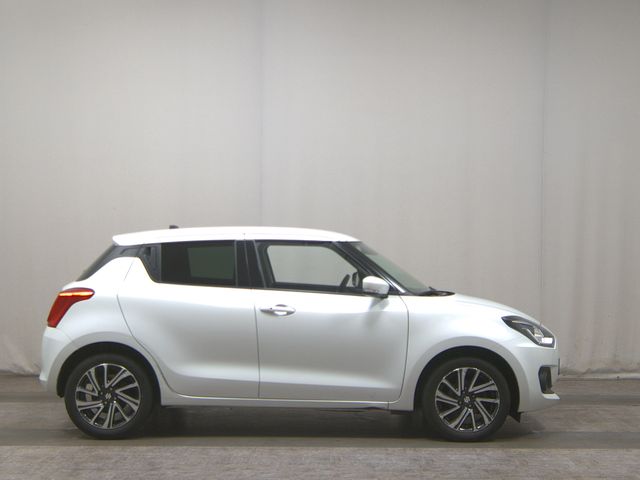
2024, gasoline, manual, 99K km, All Wheels Drive, 102 hp

notadir.benni.is
 Iceland
 Iceland
 BelgiumBelgium
 NetherlandsNetherlandsNetherlandsNetherlandsNetherlandsNetherlandsNetherlandsNetherlandsNetherlandsNetherlandsNetherlandsNetherlandsNetherlandsNetherlandsNetherlandsNetherlandsNetherlands
 Denmark
 FranceFranceFrance
 Germany, Lower Saxony
If you are shopping Suzuki in Europe, the smartest move is not to start with the cheapest listing. Start with the travel logic. A Suzuki that looks tempting in one part of the EU can become a weak deal once you factor in distance, inspection effort, seller responsiveness, and how easily you can verify its history before setting off. With a brand like Suzuki, where buyers often look for sensible everyday cars rather than status purchases, the better offer is usually the one that is clearly presented, honestly described, and realistic to inspect without heroic effort.
Suzuki attracts practical shoppers, so the listings worth your time usually feel practical too. Good offers tend to show the car from all sides, include clean interior photos, mention mileage consistently, and say something useful about maintenance rather than hiding behind vague phrases. If you see a Suzuki ad with very few photos, no cold-start detail, no service context, and a short description that leans only on “good condition,” slow down. That does not mean the car is bad, but it does mean the seller is asking you to do too much guesswork.
When comparing used Suzuki cars for sale, look for signs that the owner understood the car rather than simply trying to move it on. Was the maintenance history photographed or described? Is the tire condition visible? Do the panel gaps and paint reflections look even across multiple images? Does the equipment list match what is visible in the cabin? Small mismatches in a listing are not always serious on their own, but a cluster of them often tells you the viewing may waste your time.
Across the EU market, location matters more than many buyers admit at the start. A Suzuki listed close enough for a same-day trip is easier to inspect calmly, return to if needed, and compare against another car on the same route. A car that requires a flight, a border crossing, or a full weekend of planning creates pressure, and pressure is how buyers start excusing weak details.
That is the less obvious part of shopping Suzuki across Europe: the car does not have to be expensive to become inconvenient. A modest hatchback or compact SUV can still turn into a poor decision if the logistics make you rush. If one offer is in a region where you can line up two or three viewings in a day, while another demands a long journey for a single uncertain car, the first listing may be the stronger buy even if the headline price is slightly higher. Good buyers protect their time as carefully as their budget.
Before you call, compare the listing itself. Before you travel, compare the seller. Ask for a photo of the service book or invoices if they are not already shown. Ask whether the mileage can be documented through service records or inspections. Ask whether there are warning lights on startup, whether the engine is fully cold before your visit, and whether any recent work was done that a buyer should know about. The point is not to interrogate the seller; it is to see whether answers arrive clearly and consistently.
With Suzuki, this matters because many buyers are looking for durability and low-drama ownership. That makes documentation and honest condition especially important. If a seller avoids direct questions, changes the story about maintenance, or becomes vague as soon as you ask for specific photos, treat that as part of the condition report. In real buying, communication quality is often an early mechanical clue in disguise.
A useful way to shop Suzuki is to ask what role the car is meant to play in your life. City use, occasional motorway trips, family errands, winter driving, and light outdoor use all change what matters in a listing. Buyers sometimes compare every Suzuki offer as if they were interchangeable, then end up chasing trim details while missing more important differences in condition, ownership history, or inspection convenience.
This is also where the search journey across Europe matters. You may begin by browsing broadly across the EU, then narrow quickly once you notice where the best-documented Suzuki offers are actually appearing. One week you are comparing cars in neighboring markets that are easy to reach by train or a short drive; the next, you realize the strongest shortlist is not the widest one but the one you can inspect properly without forcing the deal. That shift is healthy. The right Suzuki listing often becomes obvious only after you stop treating every distant offer as equally attainable.
Suzuki listings can be deceptively tidy. Clean photos, polished paint, and a cheerful seller can make an average car feel better than it is. So keep returning to the boring questions. Is the mileage story believable? Do the seat wear, steering wheel, pedals, and driver’s door area fit the claimed use? Are there enough images to judge the body honestly? Is there evidence of routine care, not just cosmetic preparation? A seller who knows the car should be able to describe what has been done, what may need attention, and why the car is for sale.
One useful editorial rule: if a listing makes the Suzuki look unusually easy to buy, look twice. The best offers are not always dramatic bargains. They are often simply coherent. Photos, paperwork, seller answers, and visible condition all point in the same direction. That kind of coherence is what makes a viewing worth the trip.
When you narrow your options, do not rank listings by price alone. Rank them by viewing value. Which Suzuki can you verify most easily? Which seller is giving you enough information to justify the journey? Which offer would still make sense if you found a minor issue during inspection? That is how experienced buyers filter new and used listings without burning time.
A good Suzuki offer in Europe is usually the one that survives comparison from several angles: condition, maintenance story, seller clarity, and inspection practicality. If you keep those four together, you are less likely to chase weak ads and more likely to find a car that feels right before, during, and after the viewing.
 Add as preferred sourceSee more from zvelta in Google Search Add as preferred source