 EN
ENDEALER
€1,099DEALER
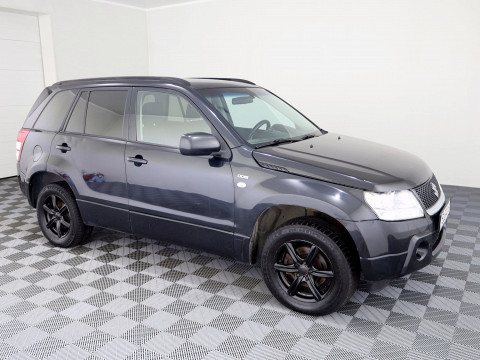
2010, gasoline, manual, 212K km, wagon, All Wheels Drive, 2,400 cm3, black, Used condition, Japan, In stock

BaltiCar.com
 Estonia, Harjumaa
 Estonia, HarjumaaEstonia, HarjumaaEstonia, Harjumaa
 Czech Republic, Olomoucký kraj
 Romania, Timiș County
 Lazu Baciului, Romania
 Romania, Maramureş
 Romania, Bacău CountyRomania, Bacău CountyRomania, Bacău County
If you are looking at a Suzuki Grand Vitara, the smartest first step is not dreaming about the test drive but deciding whether the listing itself deserves your time. On model pages with limited stock, buyers often become too forgiving: one decent-looking ad appears, and suddenly missing service details, poor photos, or vague answers feel acceptable. That is exactly how weak offers survive. With a Suzuki Grand Vitara, patience matters. Even when availability across the EU market looks thin, you still want to compare the few details you do have and treat every missing piece of information as something to verify, not excuse away.
A good Suzuki Grand Vitara offer usually gives you enough substance to decide whether a call is worth making. You should be able to understand the car’s condition story from the ad itself: how it looks outside, how worn the cabin appears, whether mileage is presented confidently, and whether the seller mentions maintenance in a way that sounds specific rather than decorative. “Runs well” tells you almost nothing. A line about recent servicing, a clear set of photos from multiple angles, and an honest note about cosmetic flaws tells you much more.
When comparing used Suzuki Grand Vitara listings, look for consistency between the written description and the images. If the ad says the car is carefully maintained but shows only three dark photos and no interior, that mismatch matters. If the seller mentions long-term ownership, ask what that actually means in years and whether there are invoices, stamps, or at least a believable timeline of work done. You are not trying to catch someone out; you are trying to separate a real car with a real ownership history from a fast, disposable listing.
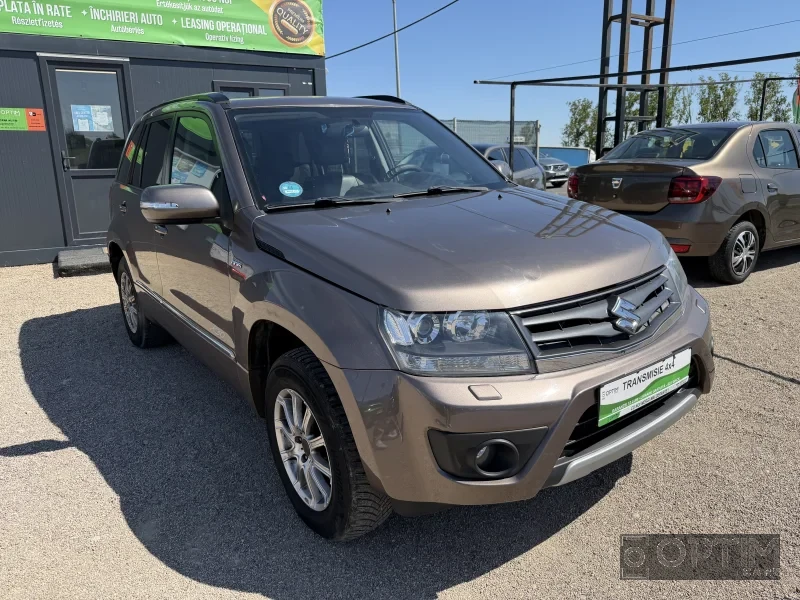
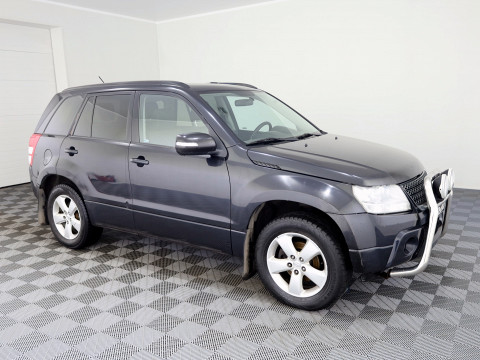
This is where many buyers either save themselves a wasted trip or walk straight into one. The strongest seller signals on a Suzuki Grand Vitara for sale are often small and unglamorous. Clear photos taken in daylight, including the seats, steering wheel, cargo area, tires, and dashboard with ignition on, suggest the seller expects scrutiny. Short but precise wording is usually better than inflated praise. “Two keys, service book, recent clutch, air conditioning works” is stronger than a paragraph of hype.
Pay attention to what the seller avoids. If there is no mention of documents, ownership duration, maintenance, or known faults, ask directly. If the reply comes back evasive—“everything is fine, come see”—that is useful information. A serious seller of a Suzuki Grand Vitara will usually answer practical questions without drama: when was it last serviced, what does not work, whether there is rust to note, whether warning lights are present, and whether the gearbox, transfer system, or suspension has any issue the next owner should know about. Even response style matters. People who know their car tend to answer in complete thoughts; people moving a questionable car often answer only the easiest part of your question.
One less obvious clue: look at how the seller describes use. The Suzuki Grand Vitara attracts buyers who want something sturdy, simple, and usable, so ownership patterns can vary a lot. A careful family owner, a rural utility owner, and a trader all write ads differently. None is automatically bad, but the ad should make sense. If the car looks heavily used and the description insists it was “driven only gently,” keep your skepticism switched on.
Before you travel to inspect a Suzuki Grand Vitara, send a short list of questions and see whether the answers line up. Ask for the VIN if the seller is comfortable sharing it for checks. Ask whether the mileage can be supported by records, whether there are service invoices, and whether any recent work was done simply to prepare the car for sale. That last question is useful because it sometimes reveals whether the car was genuinely maintained or just made presentable.
Also ask what needs attention next. A trustworthy seller may say something refreshingly ordinary: tires are aging, brakes will need doing later, one window switch is temperamental, or there is a scratch on a rear door. Those answers are not deal-breakers; they are signs you may be speaking to someone grounded in reality. By contrast, a used Suzuki Grand Vitara described as needing “nothing at all” despite age and mileage deserves a closer look.
With only a small number of Suzuki Grand Vitara cars for sale, buyers sometimes think comparison is impossible. It is not. You can still compare the current listing against the standard of a good ad. Does it show enough of the car? Does the condition match the mileage story? Does the equipment shown in photos match what is claimed? Do the tires, trim wear, and cabin condition feel proportionate? A sparse market does not remove the need for standards; it just makes disciplined comparison more important.
This is also a model where buyer expectations should stay practical. Many people searching the Suzuki Grand Vitara are not chasing novelty; they want a vehicle that feels honest and useful. That changes how you judge value. A cleaner, better-documented example can be the stronger buy even if it is less shiny in the photos. Marketplace behavior often rewards bright cosmetic presentation, but long-term ownership usually rewards paperwork, transparency, and signs of consistent care.
A Suzuki Grand Vitara is worth viewing when the seller provides enough evidence that the car has a traceable story: readable photos, believable mileage context, straightforward answers, and some form of maintenance history or ownership detail. It is worth skipping when you see layered vagueness—unclear photos, generic wording, no documents mentioned, and messages that dodge simple questions.
The best mindset for this page is calm selectiveness. Even if there is only one active listing now, your job is not to convince yourself it must be the one. Your job is to decide whether this specific Suzuki Grand Vitara earns a viewing. Ask a few focused questions, compare the ad against common-sense standards, and let the seller’s own signals tell you whether the offer is serious.
 Add as preferred sourceSee more from zvelta in Google Search Add as preferred source