 EN
ENDEALER

€36,588DEALER
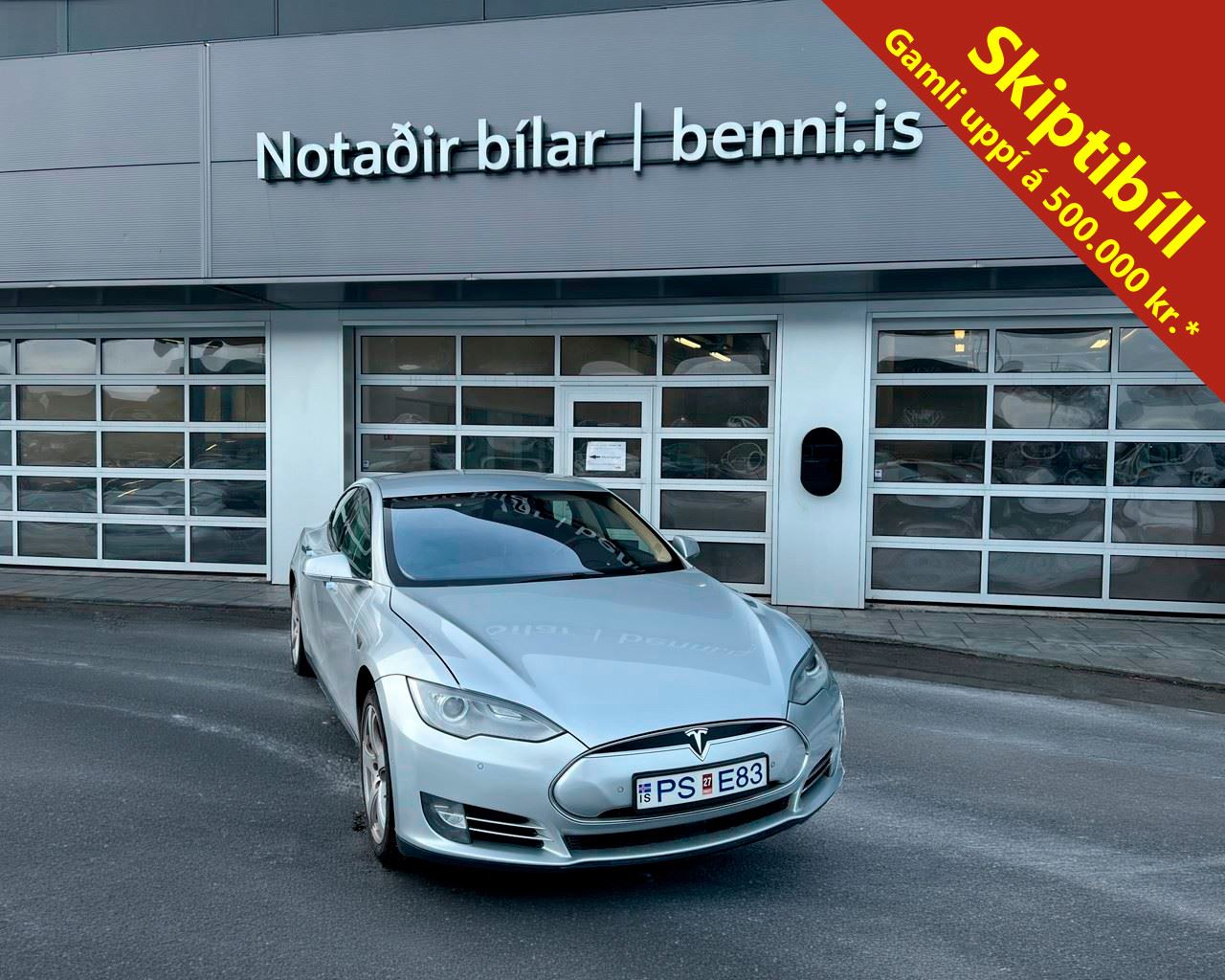
2022, electric, automatic, 60K km, All Wheels Drive, 499 hp

notadir.benni.is
 Reykjavík, Iceland
 Reykjavík, IcelandIcelandIcelandIcelandIcelandIcelandReykjavík, IcelandIcelandIceland
 BelgiumBelgiumBelgiumBelgiumBelgiumBelgiumBelgiumBelgiumBelgiumBelgiumBelgiumBelgiumBelgiumBelgiumBelgiumBelgium
The smart way to shop Tesla in Europe is to treat each listing as an ownership story, not just a badge and a battery size. Two cars that look nearly identical in photos can feel very different to live with. One may come from a careful owner who charged sensibly, kept records and fixed small faults early; another may be a fast-flipped car with thin information, vague answers and glossy pictures hiding an average past. When you browse Tesla cars for sale, your job is not only to find a good model. It is to find the offer that makes everyday life easier after you buy it.
With Tesla, buyers often focus first on range, acceleration or screen-driven features. That is understandable, but ownership usually becomes about smaller things: how the car was used, how it was charged, what condition the interior is in, whether panel gaps or paint issues were repaired well, and whether the seller can explain the car calmly and clearly. A strong Tesla offer in the EU market usually feels coherent. The mileage, photos, service documentation, tire condition, software-related notes and general wear all tell the same story.
If a seller avoids simple questions, slow down. Ask how long they have owned the car, why they are selling, whether any bodywork was done, whether charging was mostly at home or on fast chargers, and whether there are invoices for maintenance, tires, brakes or suspension work. None of these answers alone proves a car is good or bad, but together they help you understand whether this Tesla has been lived with carefully or moved on quickly.
The best listings usually do not try too hard. They show the car in normal light, include close photos of wheels and interior wear, describe equipment clearly, and mention imperfections without drama. That matters because Tesla buyers are often comparing several similar-looking offers at once. A seller who openly notes a scratch, a replaced panel or a set of worn tires may actually deserve more confidence than one who writes almost nothing and relies on polished exterior shots.
A useful trick when comparing used Tesla listings is to read them backward: start with what is missing. Are there photos of charging cables? Is the glass roof, bumper corners and wheel condition visible? Does the description mention recent maintenance or only comfort features? Is there any sign the seller understands the car beyond repeating model branding? Weak offers often reveal themselves through silence.
For many buyers, Tesla enters the shortlist because the brand promises a distinct ownership experience: quiet daily driving, easy one-pedal adaptation, simple cabin design and a different relationship with software than most rivals. But the right choice inside the brand still depends on your real routine. If the car will mostly handle commuting and city-to-suburb travel, a smaller, more common option may be easier to compare across listings. If family space, rear-seat use or luggage shape matters, look closely at body style, opening width, seat condition and practical wear rather than judging only by headline specs.
This is where Tesla shopping gets interesting. Some buyers fall in love with the idea of the brand before they judge the actual car in front of them. That can lead to overpaying for a weak example simply because the photos look modern. Try reversing that logic: first decide what your week looks like, where you charge, how often you drive longer routes, and how tolerant you are of cosmetic flaws or future fixes. Then compare Tesla offers based on the life you will actually live with the car.
One of the less obvious things about buying Tesla in Europe is that confidence comes not only from the car, but from the previous owner. A well-kept Tesla often feels like a machine that has been part of somebody's routine, not a gadget passed along for novelty. Clean door seals, even tire wear, a tidy charging kit, sensible photo documentation and realistic wording from the seller can say a lot. You are not just buying transport; you are buying the previous owner's habits.
That is also why some average-looking listings deserve a closer look. An understated Tesla offer with clear history, believable mileage, consistent wear and a seller who answers specific questions may be a better buy than a shinier example with a thin description. On the used market, trust often hides in boring details.
Before visiting, ask for the VIN, registration details where appropriate, service or maintenance documents, and confirmation of what comes with the car: keys or cards, charging accessories, wheel sets and any recent replacement parts. During the viewing, check panel alignment, paint consistency, wheel damage, seat bolsters, touchscreen responsiveness, warning messages and how the car behaves during a calm test drive. Listen for suspension noises on rough roads and pay attention to anything the seller dismisses too quickly as "normal."
If the car is advertised with attractive equipment, verify it in the actual vehicle rather than assuming the listing is precise. If mileage is low, the overall wear should broadly match. If the seller says the car was mostly used for long trips, ask what kind of charging routine that involved. These are ordinary buyer questions, but with Tesla they help you understand not just condition, but the rhythm of ownership.
Walk away from a Tesla offer if the story keeps changing, the documents do not line up, the condition feels off for the mileage, or the seller gets defensive about basic checks. The same goes for listings that look intentionally vague: few photos, no useful details, no mention of ownership history, no explanation of visible flaws. In a brand with such a strong identity, weak offers sometimes hope the name itself will do the work.
A better approach is to compare several Tesla cars for sale side by side and be a little ruthless. Match condition against mileage, maintenance clarity against asking price, and seller transparency against how far you would travel to inspect the car. The right Tesla is rarely the one that shouts loudest in the listing. It is usually the one that feels easiest to trust before you even turn the wheel.
 Add as preferred sourceSee more from zvelta in Google Search Add as preferred source