




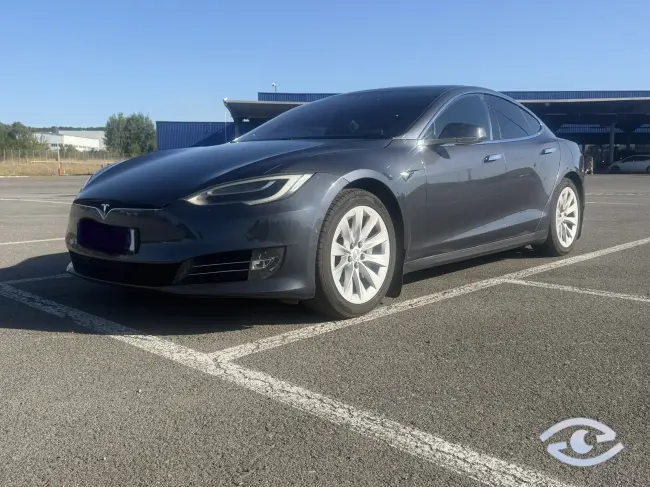




If you are shopping for a Tesla Model S in Europe, the smartest first step is not chasing the lowest price or the newest registration year. It is learning how to separate a well-kept car from a vague, expensive promise. With a model like the Tesla Model S, small differences in listing quality matter a lot: battery-related paperwork, charging habits, software-related details, accident history, and how clearly the seller answers simple questions can tell you more than a polished headline ever will.
Start by judging the offer, not the fantasy
A used Tesla Model S can look irresistible in photos because the design still carries presence, and many ads lean on that. But when you compare cars for sale in the EU market, try to read each offer like an editor, not a dreamer. Is the seller actually describing this Tesla Model S, or just repeating generic lines about electric performance and premium comfort? A serious listing usually names the version clearly, shows the actual mileage consistently across text and documents, and explains what comes with the car: charging cables, service records, number of keys, recent maintenance, and whether the car has spent time in more than one European market.
That last point matters more than many buyers expect. A Tesla Model S that has moved across borders inside Europe is not automatically a bad buy, but it does deserve better questions. Ask what documents are available today, what language the service paperwork is in, and whether registration, import, or ownership history is easy to follow. If the seller gets defensive about basic paperwork, that is useful information.
The seller signals that save you time
Here is where weak offers often give themselves away. On a good Tesla Model S listing, the photos usually do more than show glossy exterior angles. You want clear shots of the seats, screen, wheels, charging port area, luggage space, and the parts of the bodywork sellers avoid when they are hiding something: bumper corners, lower door edges, panel gaps, and close-ups in natural light. A serious seller often includes boring photos, and boring is good. Boring means they are trying to document the car rather than stage it.
Wording matters too. If the ad keeps saying “full option,” “perfect,” or “like new” but skips basic facts, slow down. A stronger listing for a Tesla Model S tends to mention routine ownership details without drama: what has been replaced, what still works as expected, whether there are cosmetic flaws, and how the car has been charged and used. Service notes do not need to be poetic; they need to be specific. Even the seller’s response style is revealing. If you ask for the VIN, photos of tire wear, a screenshot of the service menu, or confirmation of included charging accessories, a serious seller usually answers directly. Evasive replies, strangely cropped photos, and repeated “come see, everything is fine” messages often mean the viewing will waste your afternoon.
One less obvious clue: notice whether the ad sounds written by an owner who knows the car or by someone flipping inventory quickly. Neither is automatically bad, but the difference matters. A private owner who can explain daily charging habits, storage, minor imperfections, and why they are selling often gives you a clearer picture than a seller who only knows how to repeat the trim line. With the Tesla Model S, that ownership fluency is part of the product.
Compare the car you see with the life you actually live
Many buyers approach the Tesla Model S as a statement car first and a practical purchase second. In the EU market, it is usually wiser to reverse that logic. Think about where you will charge, how often you drive long distance, whether you care more about cabin condition than acceleration bragging rights, and how much patience you have for sorting out small electronic or cosmetic issues after purchase. A beautiful Tesla Model S with patchy history can feel far less premium after the handover than a slightly less flashy one with transparent records and a careful owner.
This is also where listings should be compared side by side, not one by one. Put mileage, equipment, visible condition, tire brand consistency, interior wear, and document clarity on the same mental table. If one Tesla Model S has better photos, cleaner paperwork, and a seller who answers properly, that car may be worth viewing first even if another ad looks cheaper. Cheap and weak is a common combination in online listings; cheap and well-explained is much rarer.
Questions worth asking before you book a viewing
Before you travel to inspect a Tesla Model S, send a short list of practical questions. Ask whether the car has any warning messages, what recent maintenance has been done, whether both keys are included, whether the charging equipment shown in the ad comes with the car, and whether there are invoices or digital service records available to review. Ask directly about paintwork, accident repairs, wheel damage, seat wear, and anything on the car that no longer works exactly as intended.
Do not ask twenty questions at once just to sound informed. Ask the kind that force concrete answers. “Can you send a cold-start video and a close-up of all four wheels?” is better than “Is the car in good condition?” “Can you show the charging cable set and document pack in one photo?” is better than “Do you have all documents?” The goal is not to annoy the seller. The goal is to find out whether the listing deserves your time.
A Tesla Model S is often bought twice
There is a useful mindset shift here: you are not only buying the Tesla Model S itself, you are also buying the previous owner’s habits. That is why clean photos, complete wording, and calm answers matter so much. The car may still be appealing years after launch, but ownership quality shows through in tiny ways long before you turn the wheel. A seller who has kept records, photographed flaws honestly, and speaks plainly usually makes the whole process easier.
In a thin market, especially when available Tesla Model S listings in Europe are limited, buyers can become too forgiving. Resist that. Scarcity should make you more disciplined, not less. If the ad is vague, the documents are fuzzy, and the seller is oddly slippery, move on or at least lower your enthusiasm before you ever leave home. The right Tesla Model S is not just the one with the right spec on paper. It is the one whose listing, seller behavior, and ownership story still make sense after you stop admiring the shape.
 Add as preferred source