 EN
ENDEALER
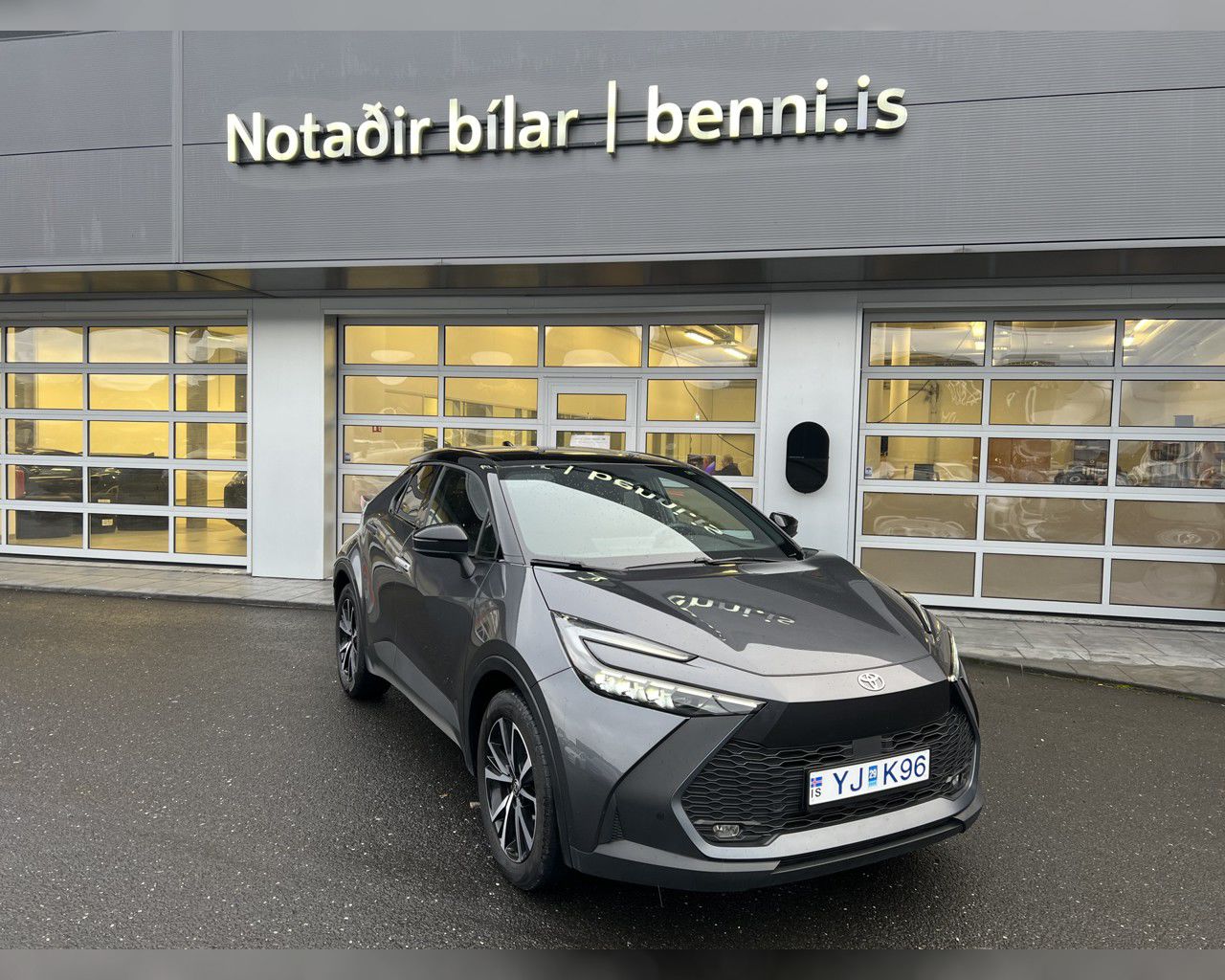
€47,586DEALER
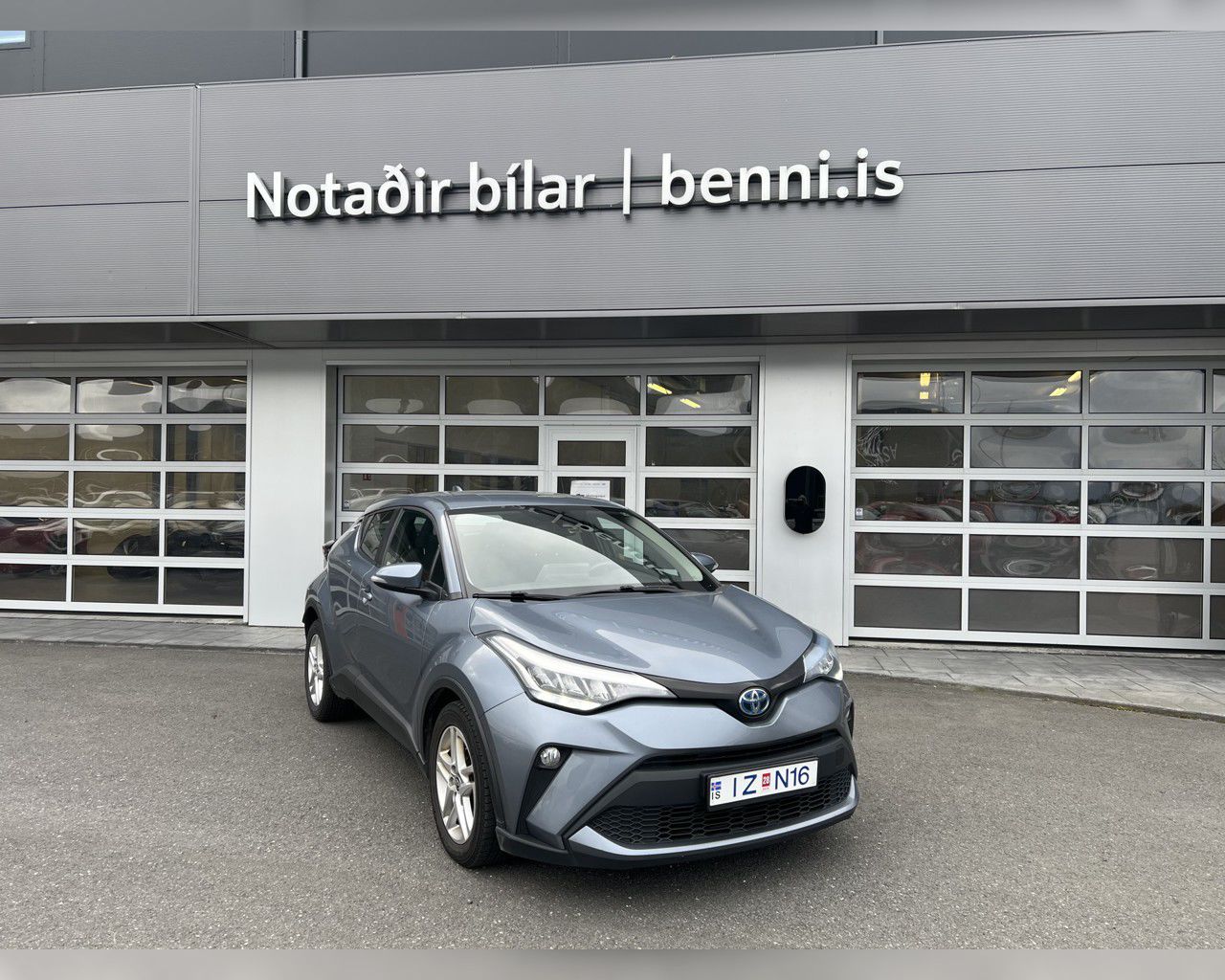
2025, gasoline, 27K km, Front Wheels Drive, 151 hp

notadir.benni.is
 Iceland
 IcelandIcelandIcelandIcelandIcelandIcelandIcelandReykjavík, IcelandIcelandIcelandReykjavík, IcelandReykjavík, IcelandReykjavík, Iceland
 SpainSpainSpainSpainSpainSpainSpainSpainSpainSpainSpainSpain
If you are browsing Toyota listings, the useful question is not simply "is Toyota a good brand?" but which kind of Toyota fits the way you actually drive. That is why this brand keeps showing up in so many shortlists across the EU market: Toyota often attracts buyers who want a car that feels easy to live with, easy to resell, and easier to understand from the listing itself. On a busy catalog page, that matters. A Toyota is rarely chosen only on style. It is usually chosen because the buyer wants fewer surprises, sensible running expectations, and a model range broad enough to cover everything from small city cars to family cars, crossovers, and work-friendly SUVs.
A strong Toyota offer often appeals to people who shop with their calculator switched on, even if they do not admit it. They may like cars, but they dislike ownership drama. In practice, that means they compare condition, maintenance history, and seller clarity more carefully than flashy extras. Toyota buyers also tend to think one step ahead: not just "Do I like it today?" but "Will this still make sense in two or three years?" That mindset changes how you should read listings. A basic but well-documented Toyota can be a better buy than a richer-spec example with vague photos, weak service details, and a seller who avoids simple questions.
That brand character is important when comparing new and used cars for sale. Toyota listings often compete less on headline excitement and more on trust signals. Clean photos, consistent mileage story, invoices, recent maintenance notes, tire condition, and a believable explanation of ownership history can matter more here than a dramatic description. If a seller writes very little, uses old photos, or cannot explain where the car was serviced, treat the offer with more caution even if the price looks tempting.
One easy mistake is comparing every Toyota against every other Toyota. That usually wastes time. It is better to split the brand into roles. Are you looking for a compact everyday commuter, a family car with enough rear-seat practicality, a higher-riding crossover, or something with more long-distance comfort? Toyota makes sense for several buyer types, but not every Toyota suits the same life. Start with the job the car must do three times a week, not the one perfect holiday trip you imagine once a year.
When scanning listings, compare offers within that role first. A tidy, honestly presented city-focused Toyota may be a better real-world choice than a larger model with patchy history and unclear maintenance. The same goes for family buyers: cabin practicality, loading ease, and evidence of regular servicing may matter more than cosmetic upgrades. If you keep jumping between very different Toyota body styles, you can end up rewarding the wrong things in the listing and missing the car that genuinely fits your routine.
Here is the less obvious part: with Toyota, weak offers often hide behind the brand's reputation. Some sellers rely on the name alone and assume buyers will overlook lazy presentation. Do not. A respected brand is not a substitute for a respected example. If the ad mentions "excellent condition" but shows only dark photos, no interior detail, no close-ups of wear points, and no explanation of recent work, the listing is still weak. Toyota may bring buyers in, but the individual car must still earn your time.
Look for consistency. Does the claimed condition match the steering wheel, seats, pedals, and luggage area? Does the mileage make sense against service entries and inspection dates? Has the seller shown two keys, manuals, or maintenance paperwork if they mention careful ownership? Ask what was done recently, what may need attention soon, and whether anything does not work exactly as it should. Honest answers are often more valuable than polished wording.
A useful editorial observation across the eu market: Toyota draws both cautious private buyers and fast-moving traders, which can create a strange mix in listings. Some ads are genuinely solid, understated offers; others are priced around the strength of the badge rather than the strength of the car. That is why Toyota shoppers should be especially disciplined about comparing seller effort. A good seller of a good Toyota usually makes your first ten minutes easy. You understand the history, the condition, the equipment, and the reason for sale without having to extract every detail by force.
Before arranging a viewing, ask for the ownership story in plain words. How long has the seller had the Toyota? Why is it being sold now? Where was it serviced? Are there invoices or digital service records? Has anything major been replaced recently, or is any regular maintenance due soon? You are not trying to interrogate the seller; you are checking whether the car has a coherent life story.
Then ask questions that reveal care rather than marketing. When were the tires fitted? Are there chips, dents, or interior defects not visible in the photos? Does every feature work properly? Has the car been used mostly for city trips, commuting, or longer journeys? The answers can help you compare two similar Toyota offers more intelligently than a simple year-and-mileage sort ever will.
A Toyota listing is worth your time when the offer feels complete before you arrive. That does not mean perfection. It means enough clarity to believe the car has been owned and presented responsibly. Prioritize listings with believable photos, a specific description, visible maintenance effort, and a seller who answers directly. If two cars seem similar, the better documented one is usually the better first appointment.
Also keep alternatives in your head. A Toyota should not win automatically just because it is a Toyota. Compare it with other brands in the same role and with other Toyota models that may suit your needs better. But if you want a car that often appeals to practical buyers, rewards careful listing comparison, and can make everyday ownership feel less stressful, Toyota deserves a serious look. The smart move is simple: judge the badge with respect, and judge the actual offer even more carefully.
 Add as preferred sourceSee more from zvelta in Google Search Add as preferred source