 EN
ENDEALER

€13,200DEALER
2019, automatic, 101K km, hatchback, 1,798 cm3, 136 hp, white, TOYOTA 5p Berline 1.8 HYBRID 136 CVT AUTO DESIGN BUSINESS, Used condition, In stock

CarOutlet.eu
 Belgium
 Belgium
 Netherlands
 Estonia, HarjumaaEstonia, HarjumaaEstonia, Harjumaa
 Sendvaris, LithuaniaMiškiniai, EstoniaTorņakalns, Estonia
 Torņakalns, Latvia
 PolandMiškiniai, LithuaniaMiškiniai, Lithuania
 Poland, Lesser Poland Voivodeship
 Romania, Cluj
 Romania, Cluj
 Romania, Sibiu
 Romania, București
 Romania, BucureștiRomania, București
 Romania, București
 Greece, AtticaGreece, Attica
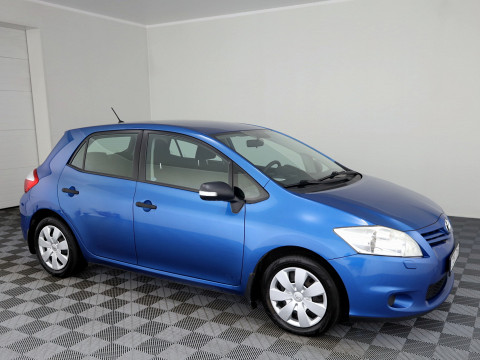
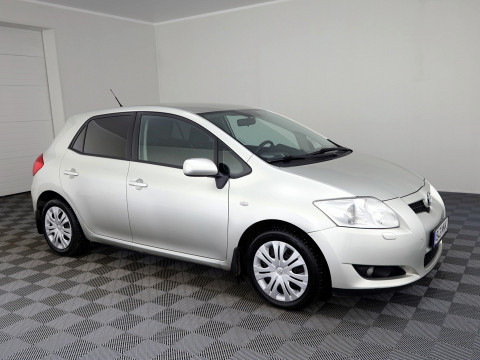
If your current search for a Toyota Auris shows only a handful of promising cars, that is not a bad thing. It usually means you can slow down, read each listing properly, and spot the difference between a tidy everyday hatchback and an offer that only looks good in small photos. The Toyota Auris often attracts buyers who want sensible ownership rather than drama, so the real task is not hype. It is filtering for condition, history, and seller honesty.
Because the Toyota Auris sits in a practical part of the used market, weak ads often hide behind ordinary language: “good condition,” “drives well,” “service done,” and little else. Treat that as a signal to ask for proof, not as reassurance. Before you contact the seller, compare the basics line by line: mileage, registration history, photo quality, interior wear, tire condition, dashboard warning lights, and whether the service record is shown or only mentioned. On a car like this, the little clues matter more than grand claims.
A useful shortcut is to ask yourself whether the seller is presenting a cared-for Toyota Auris or simply trying to move stock. Clear photos of the seats, steering wheel, cargo area, and lower body panels usually tell you more than artistic angles. If the listing avoids close shots, gives no cold-start information, or skips document details, you may be looking at an offer that becomes expensive in time and hassle later.
This is where buyers often lose time. A Toyota Auris can look similar across many used listings, especially when equipment descriptions are short and colors are conservative. So instead of staring only at year and mileage, compare ownership signals. Did the seller keep invoices? Is there a believable maintenance timeline? Do the photos show consistent wear for the stated mileage? Has anything been recently replaced, and can the seller explain why?
That last point matters more than people think. Sellers who can explain recent work calmly and specifically usually know the car. Sellers who say “everything is perfect” without detail often do not. For a Toyota Auris, ask what has been done in the last 12 to 24 months, whether the gearbox behavior has changed, whether the air conditioning works properly, and whether there are any recurring electrical annoyances, warning lights, or interior faults. None of these questions are dramatic, but together they separate solid ownership from guesswork.
There is also a less obvious market habit worth noticing in the eu search scene: practical cars often get advertised with very thin descriptions because sellers assume the model will “sell itself.” That creates a strange effect. The better car is not always the better ad, and the worse car is not always the cheapest one. A brief listing is not an automatic red flag, but it does mean you should judge the seller by how they respond when you ask for extra photos, VIN-related document confirmation, service evidence, and a walkaround video.
A good phone call can save an entire weekend. Ask the seller of the Toyota Auris whether they are the private owner, how long they have had the car, and why they are selling now. Then move to specifics: when was it last serviced, what work is due soon, are there any scratches or rust spots not visible in the ad, do all keys come with the car, and are there any issues that appear only on longer drives or cold starts?
If the listing mentions low mileage, ask what supports it besides the odometer. If the ad says the car is “well maintained,” ask where it was maintained and whether receipts or stamped records are available. If the car has unusually fresh cosmetic work, ask directly what was painted or repaired. The aim is not to interrogate the seller; it is to see whether the story of this Toyota Auris stays consistent once details enter the conversation.
When you inspect the car, focus on wear patterns rather than isolated defects. On a used Toyota Auris, the steering wheel, pedals, driver’s seat bolsters, gear selector, and door handles can tell you whether the car’s everyday life matches the listing. Uneven tire wear can hint at suspension or alignment issues. Damp smells, heavy air freshener, or freshly cleaned engine bays can all be innocent, but they deserve a second question.
A short test drive should include low-speed maneuvering, normal urban acceleration, braking without drama, and a stretch where you can listen for road noise or vibration. You are not trying to prove the Toyota Auris is flawless. You are trying to decide whether the imperfections are normal for age and use, or signs of deferred maintenance that will become your problem immediately after purchase.
The best way to judge a Toyota Auris listing is sometimes to compare it with a few nearby alternatives in the same practical bracket, not because you must change models, but because it sharpens your standards. If one Auris seller is evasive about history and another seller of a similar everyday hatchback is open, organized, and specific, you have learned something important about the offer in front of you. The model choice matters, but the seller quality matters almost as much in the used market.
That is especially true when available listings are limited. If only one Toyota Auris currently looks close to your needs, do not talk yourself into a weak car just because the search feels narrow. A patient buyer usually makes the better buy. Ask for more proof, book an inspection if needed, and be ready to walk away if the paperwork, condition, or seller behavior do not line up. A good Toyota Auris should feel reassuring before you pay for it, not convincing only after you start making excuses for it.
 Add as preferred sourceSee more from zvelta in Google Search Add as preferred source