 EN
ENDEALER

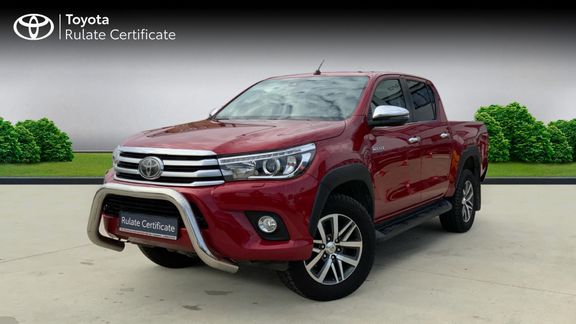
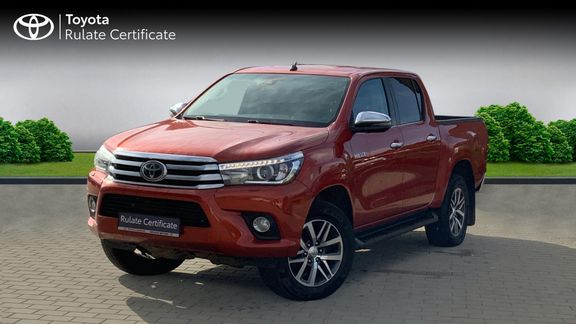
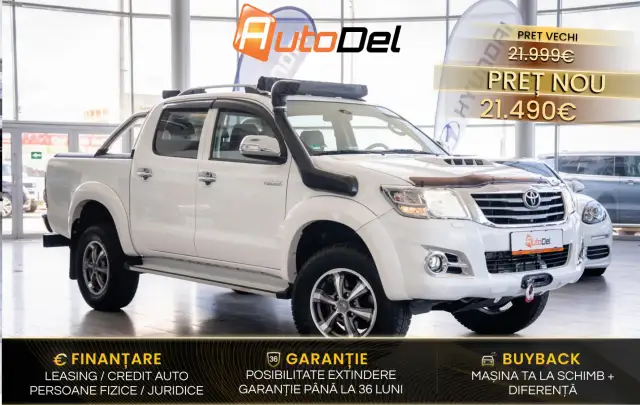
2022, diesel, manual, 133K km, SUV, 150 hp, white, 2.4 D-4D Cabina Sencilla GX, Used condition, Europa, In stock, sale date 19.10.2026 06:45

CarOutlet.eu
 Spain
SpainAuction starts
19 Oct, 06:45
 SpainSpainSpainSpain
 Netherlands
 Oradea, Romania
 Comuna Ghiroda, RomaniaScheia, Romania
 Romania, Suceava
 Romania, Prahova
 Greece, AtticaGreece, AtticaGreece, Attica
If you are shopping for a Toyota Hilux, the smartest move is to slow the search down just enough to compare the right details. A Hilux often attracts buyers who need something specific: a pickup that looks honest in work clothes, can still serve private use, and is easy to justify if the condition is right. That means a weak listing can waste your time quickly, but a good one can be worth a long trip. In the EU market, location matters more than many buyers expect, because the best Toyota Hilux offer may not be the closest one.
Before messaging any seller, decide what kind of Toyota Hilux you are actually trying to buy. Many used examples are advertised in a way that makes them sound interchangeable, yet they rarely are. One Hilux may have spent its life as a work truck with visible wear but sensible upkeep. Another may present better in photos while hiding a harder commercial history, patchy servicing, or cosmetic fixes that look cleaner online than in person. When you compare cars for sale, read the listing with that difference in mind.
A useful shortcut is to separate offers into three buckets: clearly work-focused, mixed private-and-business use, and lifestyle-oriented trucks with cleaner presentation and more attention paid to trim, body condition, and accessories. That alone helps you judge whether the asking price, mileage, and overall story make sense together. If the seller cannot explain the truck's daily use in a calm, believable way, treat the listing carefully.
A Toyota Hilux in Europe is often a travel purchase. You may start by looking near home, then widen the radius, then consider another country when local options look thin or overpriced. That search journey changes inspection logistics. A nearby weak offer can tempt you into a rushed viewing because it feels convenient, while a better Hilux farther away naturally forces you to ask sharper questions first. Oddly enough, distance can make buyers more disciplined.
That is one of the less obvious advantages of cross-border comparison in the eu market: you begin to notice how sellers describe the same vehicle type differently. Some listings lean heavily on toughness and image. Better ones usually show useful ownership signals instead: consistent photos, a readable service story, a clear explanation of equipment, and no vague language around accident repairs, drivetrain behavior, or paperwork. If you would need a flight, a train, or a full day of driving to inspect the Toyota Hilux, ask for the evidence before you commit the time.
Photos matter, but not in the simple "more is better" way. For a Toyota Hilux, look for photos that help you understand use, not just polish. Check whether the bed, rear bumper area, side steps, wheel arches, cabin wear, and underbody views tell a coherent story. A pickup with signs of honest use is not automatically a bad buy. A pickup with carefully framed photos that avoid the places people normally damage on work vehicles deserves more skepticism.
Mileage should be read together with maintenance history and seller confidence. A higher-mileage Toyota Hilux can still be worth considering if the service story is easy to follow and the seller answers directly. A lower-mileage example can be the weaker offer if the history is vague, imports or ownership changes are poorly explained, or the condition does not match the claim. Equipment also changes value more than casual buyers think. Double cab versus other body styles, visible tow use, bed covers, tires, interior condition, and trim features all affect whether two listings are really comparable.
When a Toyota Hilux looks promising, send a short list of specific questions instead of a generic "Is it available?" Ask how long the seller has owned it, what kind of work or daily use it handled, whether service records are available, and whether there are any known issues with gearbox behavior, drivetrain engagement, suspension noises, warning lights, or rust repairs. Ask whether the truck has been repainted anywhere and whether the seller can provide cold-start video, walk-around video, and close photos of the bed and lower body.
The tone of the reply tells you a lot. Good sellers do not need perfect prose, but they usually answer in a structured way and do not dodge simple ownership questions. Weak offers often hide behind broad phrases like "everything works" or "just needs nothing" while avoiding proof. If the seller becomes impatient when you ask for documents, service history, VIN-related confirmation, or clearer underside photos, that is useful information. Better to lose a listing than lose a weekend on a poor Toyota Hilux viewing.
Pickup listings can create a false sense of confidence because a tough-looking vehicle appears reassuring even when the ad is thin. With a Toyota Hilux, pay extra attention to anything suggesting hard towing, heavy site use, inconsistent tires, improvised accessories, or repairs that may have been done to keep the truck working rather than to restore it properly. None of those points automatically kill a deal, but they should change the level of proof you ask for.
There is also a buyer trap unique to models with strong reputations: people sometimes assume the name does too much of the work. That can lead to relaxed scrutiny. The result is not usually a disastrous purchase; more often it is overpaying for an average example because the badge feels safe. The better habit is to compare each Toyota Hilux listing against the next-best alternative, not against the model's reputation.
If the current Toyota Hilux for sale is one of very few available offers, resist the urge to treat scarcity as proof of quality. Low availability should push you toward better verification, not faster commitment. Check whether the seller's story, visible condition, mileage, equipment, and documents line up cleanly. If they do, a viewing may be worthwhile even if the car is farther away. If they do not, waiting can be the stronger move.
A good Toyota Hilux buy usually feels consistent before it feels exciting. The photos make sense, the usage story makes sense, the maintenance story makes sense, and the seller behaves like someone who expects sensible questions. That is the listing worth pursuing. Everything else is just urgency dressed up as opportunity.
 Add as preferred sourceSee more from zvelta in Google Search Add as preferred source