 EN
ENDEALER
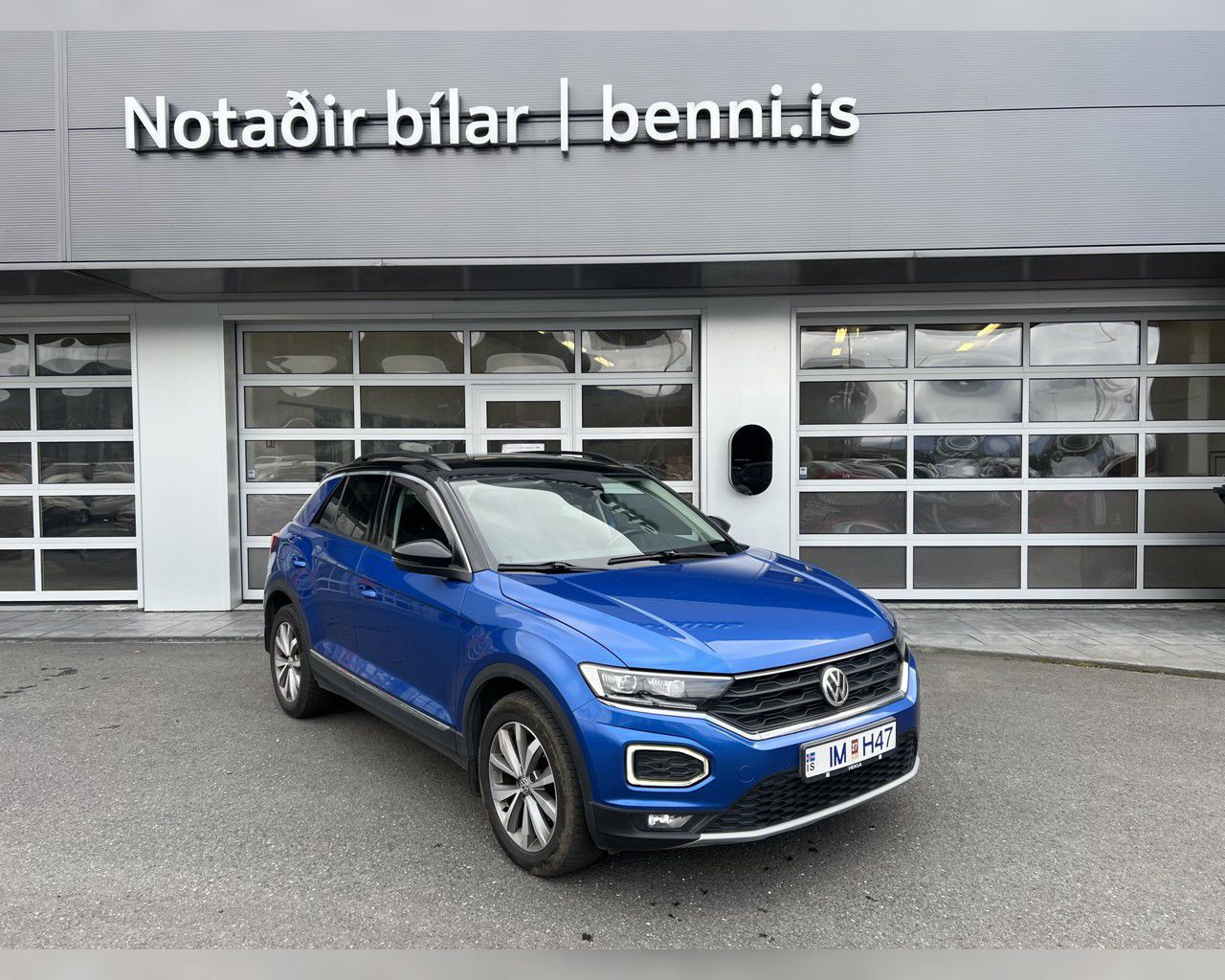
€18,184DEALER
2018, diesel, automatic, 189K km, All Wheels Drive, 150 hp

notadir.benni.is
 Iceland
 IcelandIceland
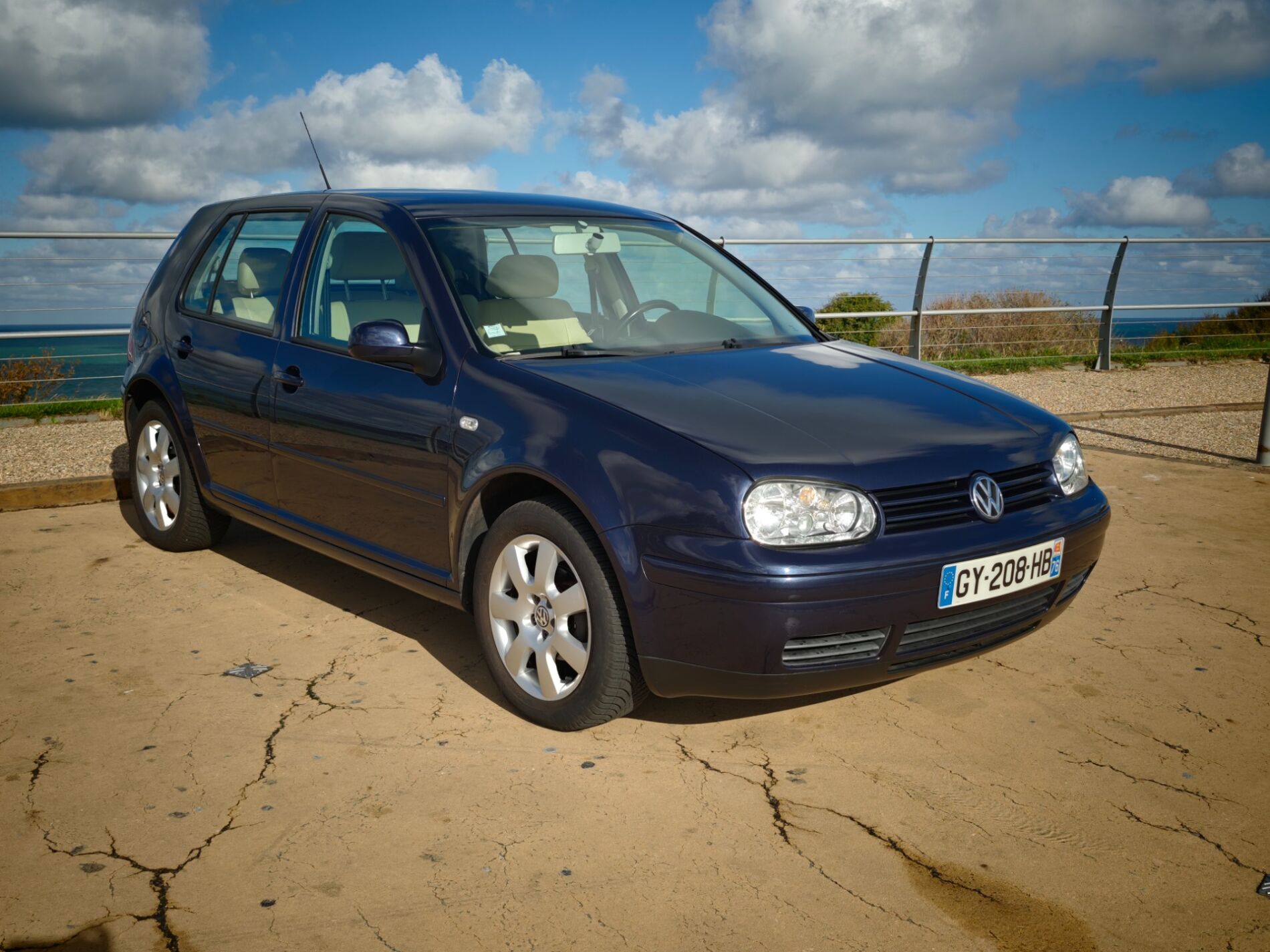
 Varengeville-sur-Mer, France
 SpainSpainSpainSpainSpainSpainSpainSpainSpainSpainSpainSpainSpainSpainSpainSpainSpainSpainSpainSpainSpainSpain
A good Volkswagen listing usually tells you more than the badge does. When buyers scan used cars for sale across Europe, the real challenge is not whether Volkswagen belongs on the shortlist; it is figuring out which offer is genuinely worth a call, which one deserves a trip to inspect, and which ad is polished enough to hide a mediocre car. That is where a calmer, more selective approach pays off.
Volkswagen sits in a part of the market where many buyers start with a practical question: do I want something familiar and easy to compare, or something more unusual? In the EU market, Volkswagen often ends up in the first group. There are enough listings, enough trim and engine variations, and enough overlap between generations that you can compare condition, mileage, equipment and seller quality without feeling boxed into one rare option.
That variety is useful, but it also creates noise. Two Volkswagen offers can look similar in photos and still represent very different ownership stories. One may be a carefully kept family car with boring but reassuring history. Another may have attractive wheels, fresh detailing and very little explanation. Buyers often lose money by focusing too quickly on year, mileage and monthly budget, while missing the more revealing details: how the seller describes maintenance, whether the photos show wear honestly, and whether the equipment list matches the visible car.
One of the easiest mistakes with Volkswagen listings is to shop by badge only. A Golf, Passat, Tiguan, Polo or Touran can each make sense depending on your needs, but the stronger buy is often the one with the clearest history rather than the “better” model on paper. If you are comparing used Volkswagen cars for sale, put the listing itself under pressure before you emotionally commit.
Look at the basics in combination: registration year, claimed mileage, engine type, transmission, trim, visible wear, tire condition, interior use, and service notes. A Volkswagen with moderate mileage but a transparent maintenance story can be a safer viewing candidate than a lower-mileage example with vague wording and no document photos. The same goes for equipment. Sellers love to highlight navigation, LED lights or larger wheels, but practical value often sits elsewhere: climate control that works properly, intact interior switchgear, a clean luggage area, matching tires, and evidence that routine servicing was not postponed.
A less obvious point: Volkswagen attracts both careful owners and image-driven sellers. That means listings can be deceptively polished. Crisp exterior photos do not matter much if there are no close-ups of seats, steering wheel, cargo area, door edges or the infotainment screen powered on. When a seller shows only flattering angles, assume they are curating your attention.
This is where many buyers save themselves a wasted weekend. In a strong Volkswagen listing, the seller usually sounds like someone who knows the car, not someone trying to escape a conversation. Good signs include clear photo coverage, readable wording, service notes with dates or mileage references, document mentions that are easy to verify, and a response style that answers the actual question asked.
Weak ads tend to reveal themselves in small ways. Ten exterior photos but no interior details. A description full of generic praise and almost no maintenance information. “Everything works” with no mention of what was serviced recently. Claims like “full options” when the photos show only a partial equipment level. A seller who avoids straightforward questions about ownership duration, invoices, warning lights, accident repairs or tire age is not necessarily hiding a disaster, but they are giving you a reason to slow down.
Ask for specifics before arranging a viewing. When was the last service done, and what exactly was replaced? Are there invoices or a digital service record? How many keys are included? Are there any dashboard warnings on cold start? Has the gearbox ever had service work or software updates, where relevant? Is the mileage documented across inspections? A serious seller of a Volkswagen usually does not need perfect answers to everything, but they should answer directly and consistently.
Many shoppers move too fast through pictures because Volkswagen models feel familiar. Familiarity is exactly why you should slow down. On common brands, weak listings can hide inside normal-looking ads. Zoom into seat bolsters, pedal wear, steering wheel texture, cargo floor, lower bumper edges and panel gaps. Check whether all photos appear to be taken at the same time and place. If the exterior is spotless but the engine bay, trunk and door shuts are missing, ask why.
Also watch for mismatches between the story and the images. A carefully maintained Volkswagen should not feel strangely anonymous. If the ad mentions careful ownership but shows no manuals, no service paperwork, no spare key, and no detail shots of commonly worn areas, the listing may simply be underprepared. That is not always a deal-breaker, but it lowers confidence and should affect how far you are willing to travel.
Before viewing any Volkswagen offer in Europe, try to decide whether the car is worth your time, not whether you already want it. Ask what the seller has done during their ownership, what still needs attention, and whether there is anything they would fix if they kept the car another year. That last question is useful because it invites a more honest answer than “is anything wrong with it?”
If you are comparing several Volkswagen listings, make a short ranking based on evidence rather than charm. Put document clarity, maintenance explanation, photo honesty and seller responsiveness ahead of cosmetic appeal. Then, during the viewing, check whether the in-person car matches the tone of the ad. A good listing usually leads to a coherent inspection. A weak listing often unravels quickly once the bonnet is open and the small details start adding up.
Volkswagen remains an easy brand to shop badly because there is so much choice and so much familiarity. It is also an easy brand to shop well if you resist the urge to treat every decent-looking ad as interchangeable. Compare the ownership story, not just the spec sheet. The best Volkswagen offer is often the one that explains itself clearly before you even arrive.
 Add as preferred sourceSee more from zvelta in Google Search Add as preferred source