 EN
ENDEALER

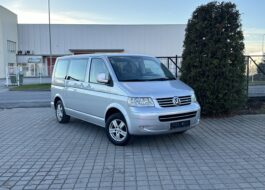
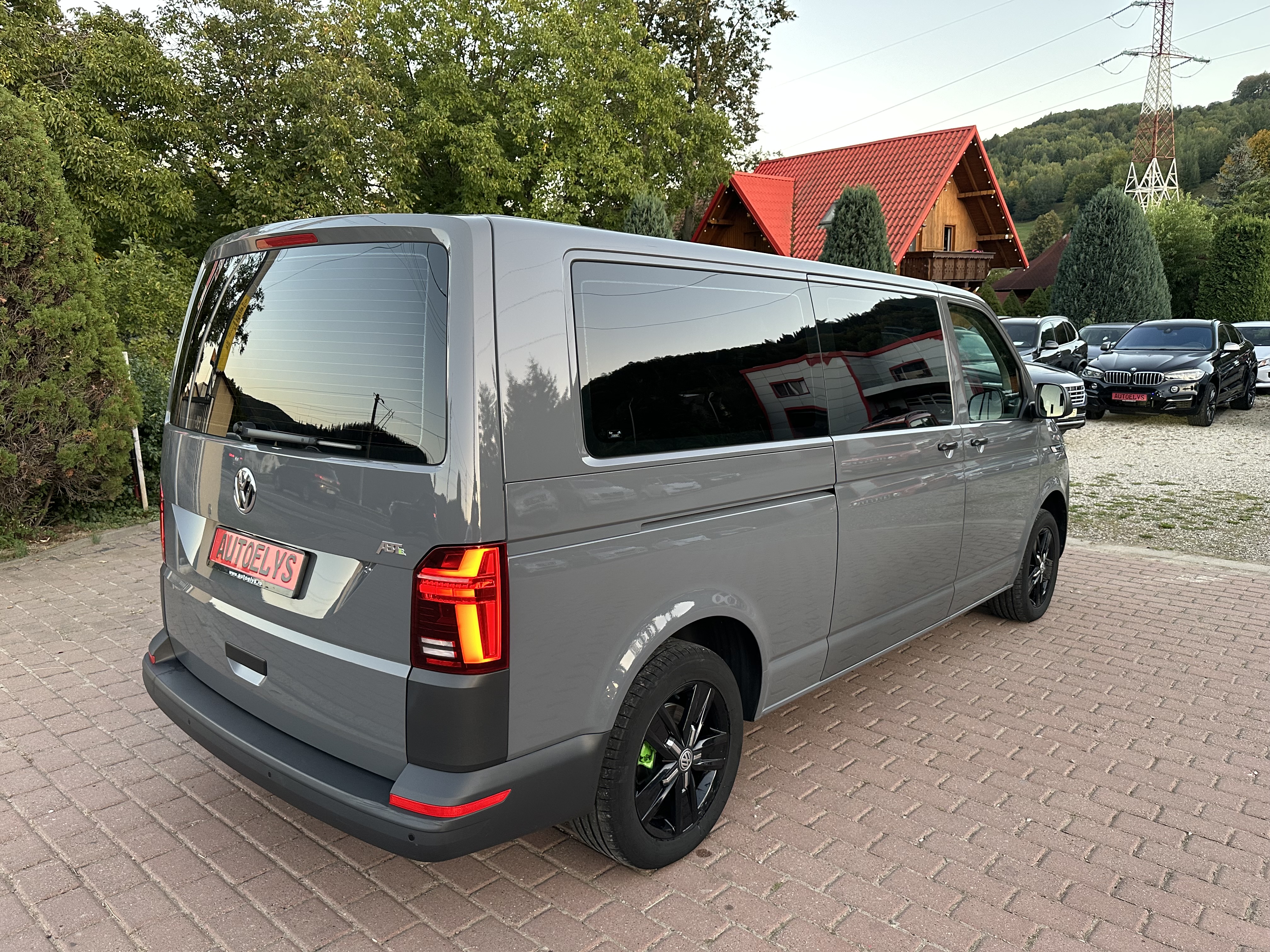
2024, diesel, automatic, 62K km, VAN, 1,968 cm3, 150 hp, Transporter 2.0 TDi SCR BMT Comfor. 9Pl. DSG (EU6d-T 110 kw., Used condition, In stock, sale date 23.10.2026 07:00

CarOutlet.eu
 Belgium
Auction starts
23 Oct, 07:00
 BelgiumBelgiumBelgiumBelgiumBelgium
 GermanyGermanyGermanyGermany
 Gersthofen, Germany
 Estonia, TartuEstonia, TartuEstonia, Tartu
 Czech Republic, Olomoucký kraj
 Poland, Lesser Poland
 Romania, Suceava
The smart way to shop for a Volkswagen Caravelle is not to start with price. Start with the listing quality. On a model like this, a cheap ad with thin photos and vague text can cost more time and money than a stronger offer that already shows how the vehicle was used, maintained, and configured. If you are building a shortlist from Volkswagen Caravelle cars for sale across the EU market, the first goal is simple: decide which listings deserve a call, which deserve a real visit, and which should be skipped before they eat your weekend.
A promising Volkswagen Caravelle listing usually answers practical questions before you ask them. You want clear exterior photos from all sides, a useful look at the cabin, seats, luggage area, and driver controls, plus basic details on mileage, transmission, engine version if stated, service history, ownership use, and equipment. Because the Caravelle sits in that space between family transport, shuttle work, and business use, the same model can lead very different lives. One seller may be offering a carefully maintained people carrier; another may be selling a tired ex-transfer vehicle with heavy daily use. The ad should help you tell the difference.
Good listings also tend to be consistent. If the photos show a tidy interior but the description avoids any mention of maintenance, ask why. If mileage is presented confidently but there is no document trail, that matters. If the vehicle is advertised as especially clean, compare that claim with steering wheel wear, seat bolsters, door handles, load area trim, and the overall condition of the cabin. A Volkswagen Caravelle is often bought for practical reasons, so signs of honest use are normal. What you are trying to spot is not use itself, but use that does not match the story in the ad.
A viewing-worthy Volkswagen Caravelle usually has a believable ownership story. Ask the seller how the vehicle was used: family travel, hotel shuttle, company transport, airport runs, or occasional long-distance trips. That one answer can shape the rest of your questions. A Caravelle that spent its life on smoother long routes may present differently from one that did constant short urban work with many passengers getting in and out all day.
Ask for service invoices, recent maintenance, tire condition, brake work, and whether any interior seating changes were made over time. On a practical model like the Volkswagen Caravelle, seating layout and trim condition can matter almost as much as mileage, because they affect how usable the vehicle really is for your own plans. If you need it for family trips, school runs, or business passengers, a worn or mismatched interior may be more expensive to sort out than the ad price suggests.
A strong candidate for a visit is not necessarily the newest or the cheapest. It is the one where the seller answers directly, sends extra photos without hesitation, and does not become vague when you ask ordinary buyer questions. A seller who can quickly show the registration papers, maintenance records, and a cold-start video is often giving you a better signal than a seller who keeps repeating that the Volkswagen Caravelle "drives perfectly" but avoids specifics.
This is where many buyers lose focus. A low-priced Volkswagen Caravelle can look attractive because the model has a loyal audience and practical appeal, so people assume any running example is worth pursuing. But with this kind of vehicle, cheap often means hidden sorting-out work: cosmetic wear that reflects harder use, incomplete history, commercial past, tired seating, inconsistent panel gaps in photos, or a seller who wants the buyer to fill in too many blanks.
One useful rule: if the seller expects you to overlook missing information because the price is "already low," treat that as a reason to be stricter, not more flexible. A weaker ad can still become a worthwhile car, but only if the seller compensates with proof: extra photos, paperwork, honest explanations, and willingness to discuss details calmly. Without that, the bargain logic collapses quickly.
There is also a less obvious point about the Volkswagen Caravelle in the EU market: buyers often search it with two very different mindsets. Some are comparing it with passenger-focused family transport, while others are effectively shopping for a working van-based people mover. That split changes what counts as a good offer. A seller who understands the difference will usually describe the vehicle in a more grounded way. If the ad feels confused about whether the Caravelle is premium family transport, shuttle tool, or general-purpose bus, you may be looking at a listing that was not prepared carefully.
When you contact the seller, skip the generic "Is it still available?" opener and go straight to useful questions. Ask how long they have owned the Volkswagen Caravelle, why they are selling it, and what was done in the last year. Ask whether all seats are present and original, whether any warning lights appear, and whether there is anything that needs attention soon. Ask for photos of the tires, the seat rails or floor area if visible, and close-ups of the driver seat, tailgate, and loading edge. Those areas often tell a more honest story than polished exterior shots.
If the listing mentions service history, ask whether it is fully documented or partial. If the mileage seems fair but the cabin looks overly tired, ask directly whether the vehicle had commercial passenger use. If the ad says the Volkswagen Caravelle is ready for long trips, ask when it last completed one without issue. You are not trying to interrogate the seller; you are trying to see whether the answers come naturally and consistently.
When several used Volkswagen Caravelle offers start to blur together, compare them in layers. First layer: documentation and seller clarity. Second: condition visible in photos. Third: configuration that suits your real use. Fourth: only then, price. This order helps because buyers often overpay for imagined value or underbuy a vehicle that will need immediate attention.
It is also worth comparing the Caravelle not only against other Caravelle listings, but against what you would accept from alternatives in the same practical category. That keeps your judgment sharp. If one Volkswagen Caravelle has a weak history, unclear interior wear, and vague ownership answers, it should not survive on shortlist charm alone just because you like the model.
The right Volkswagen Caravelle offer usually feels calm rather than exciting. The photos make sense. The wear matches the mileage story. The seller can talk.
 Add as preferred sourceSee more from zvelta in Google Search Add as preferred source