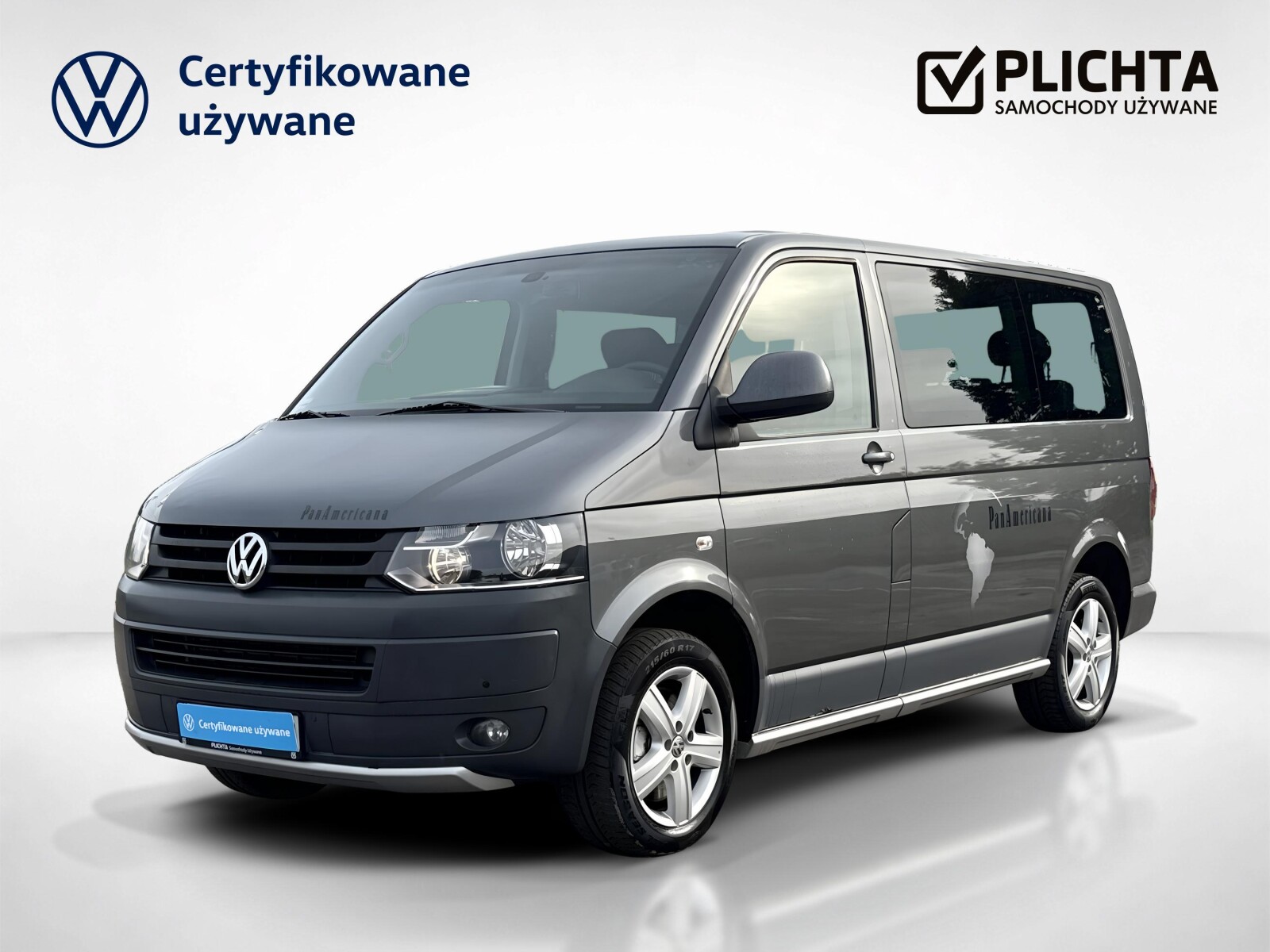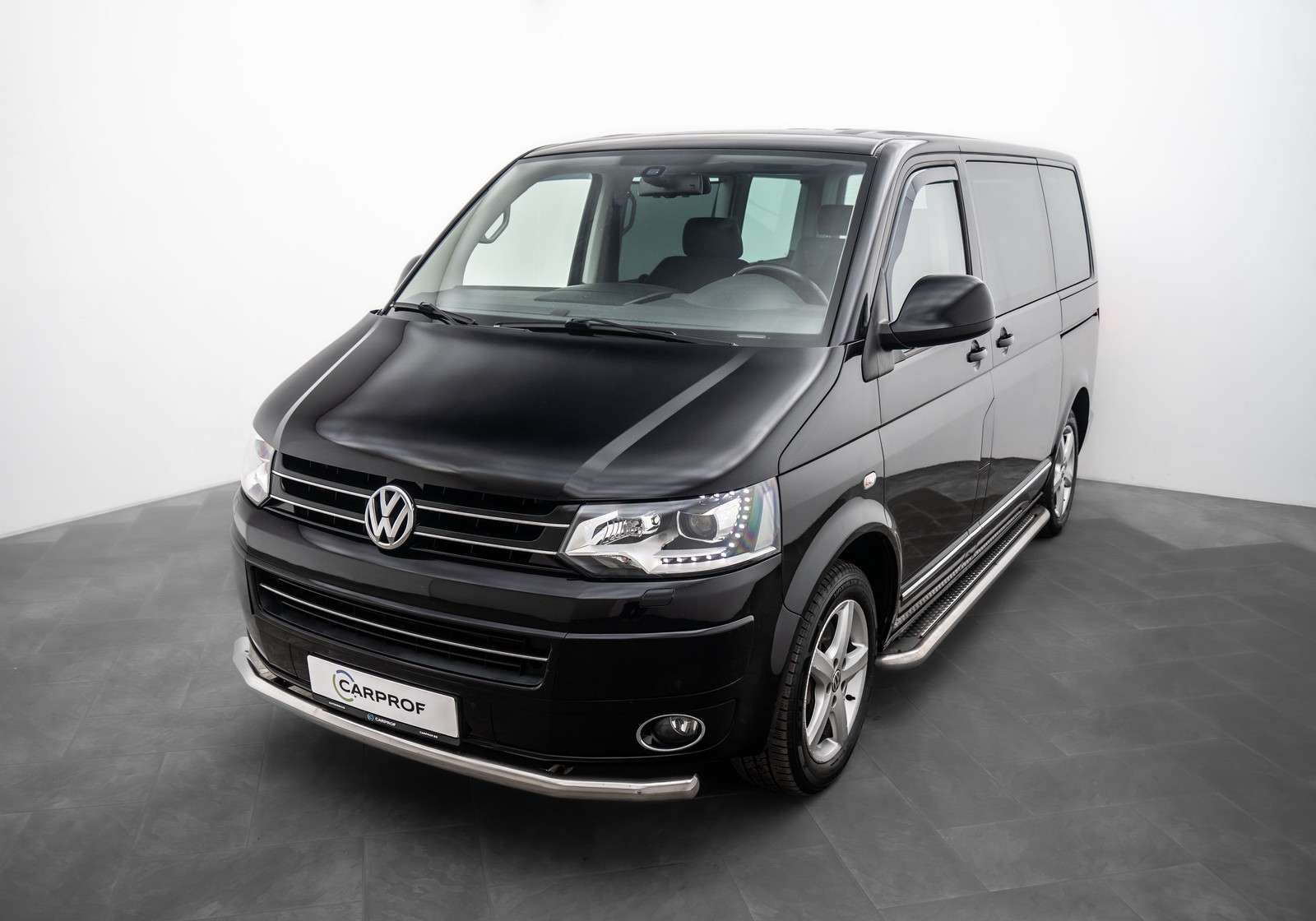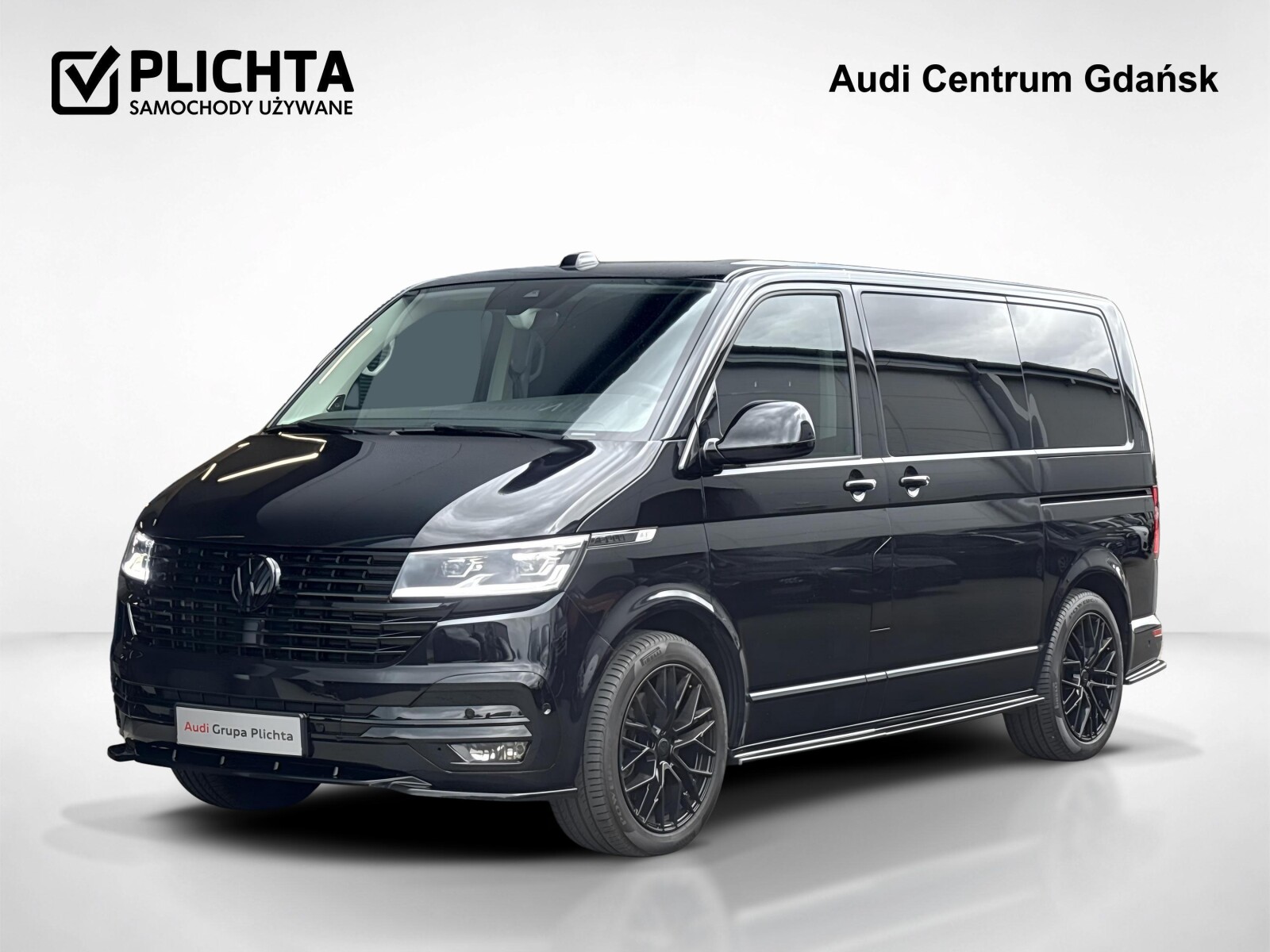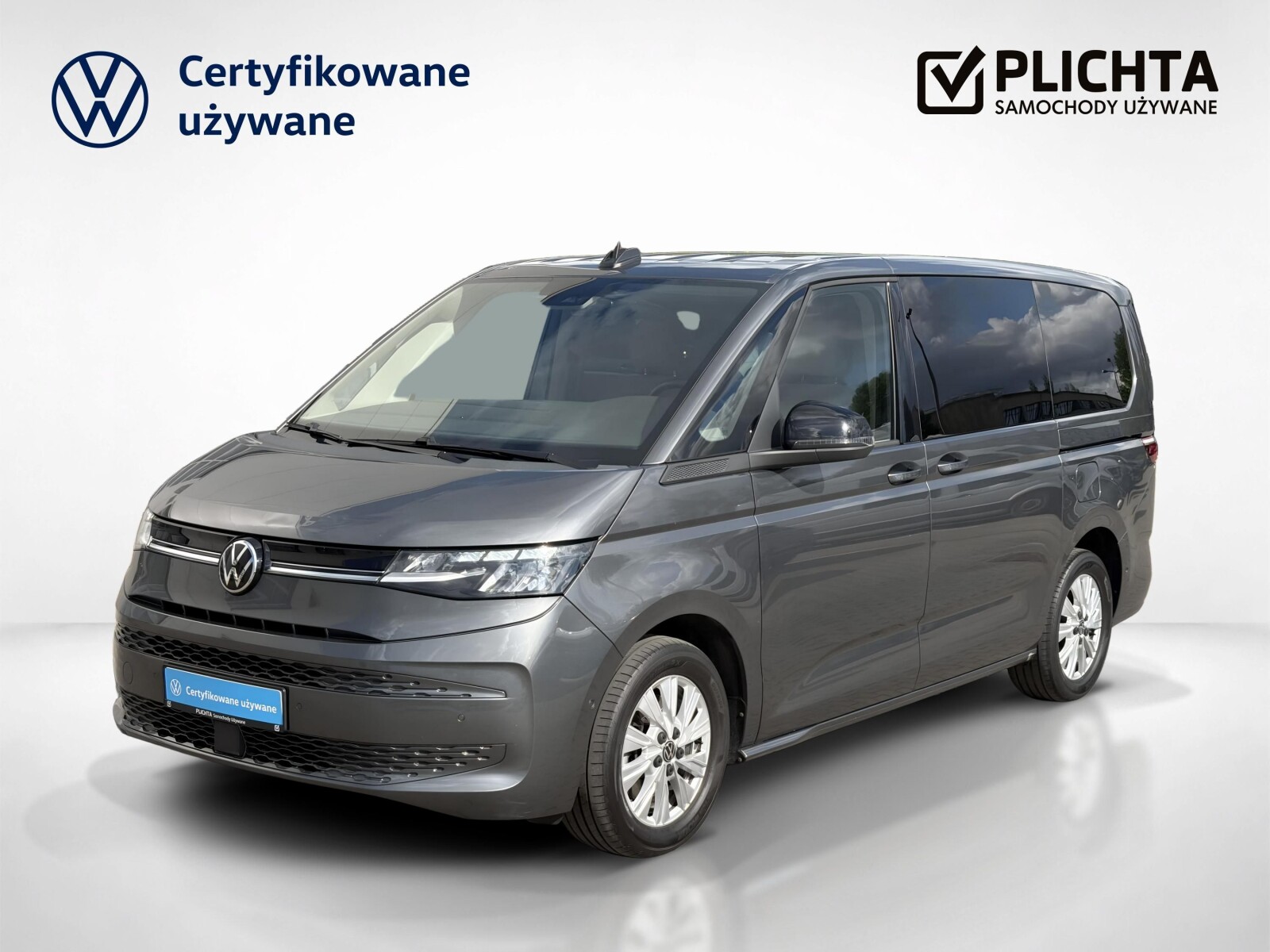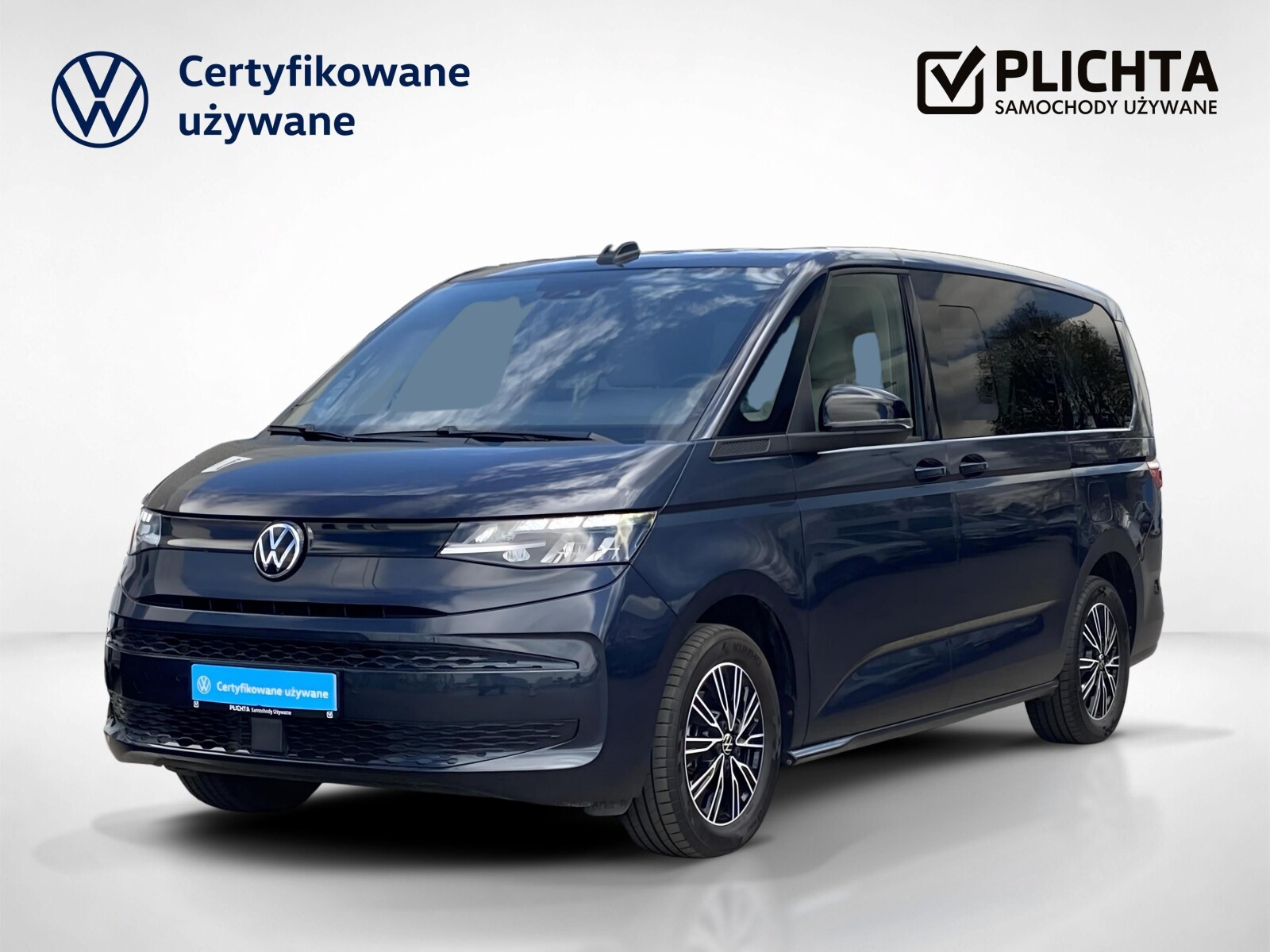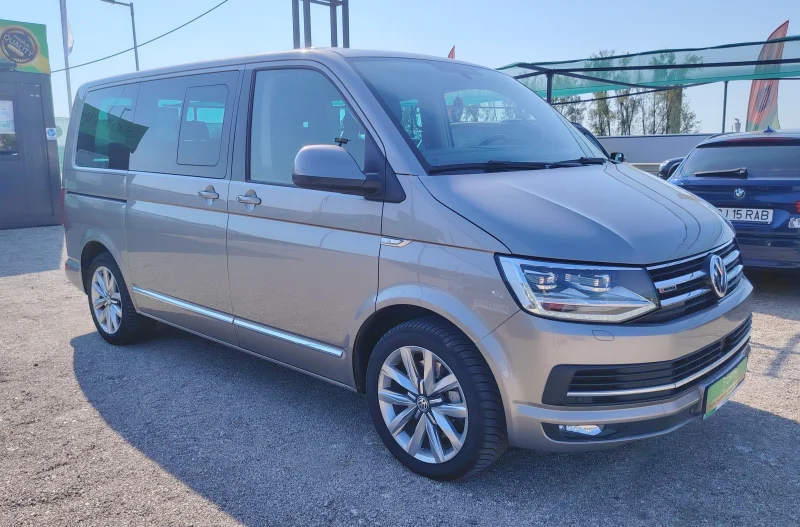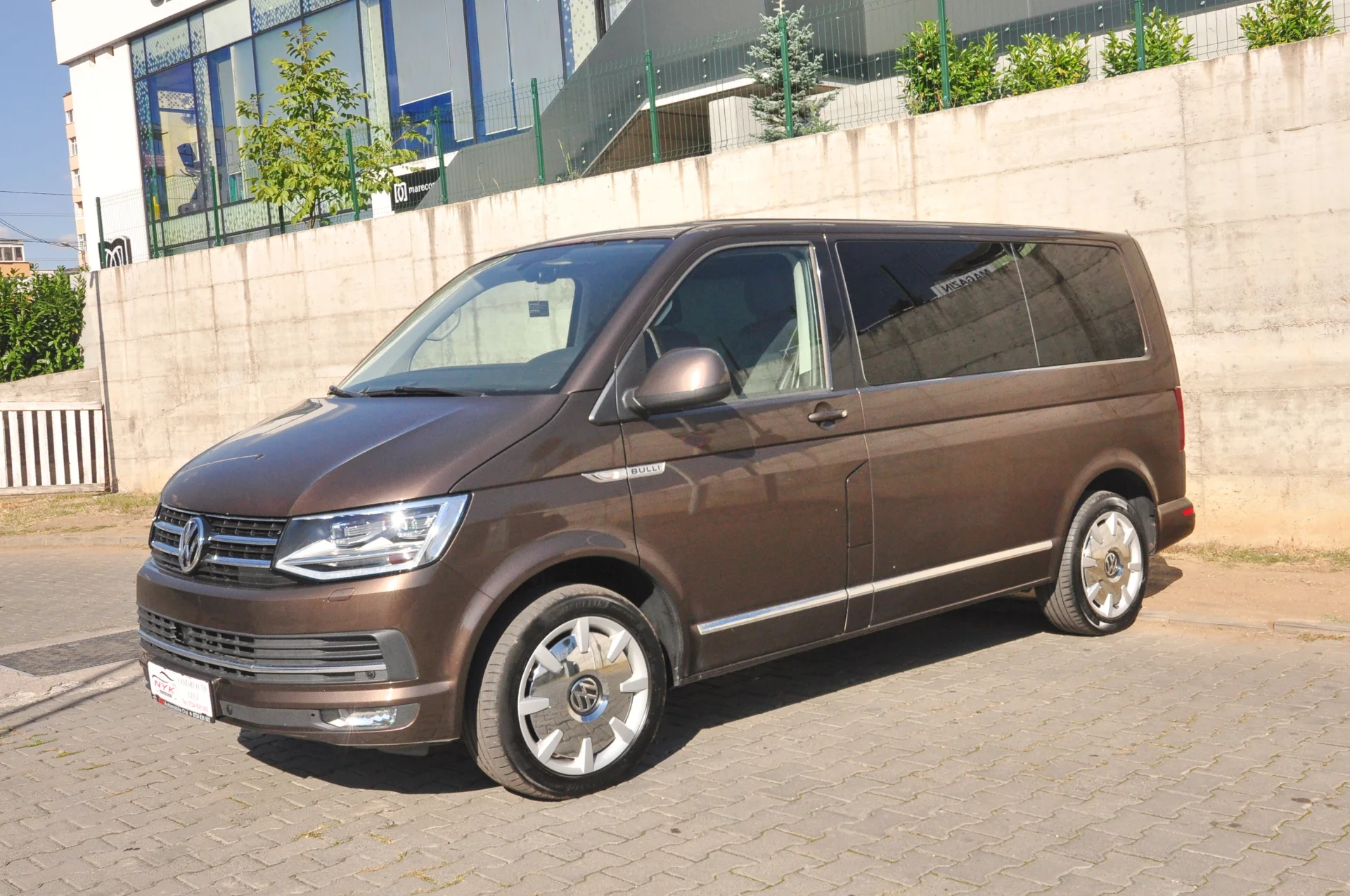


The best Volkswagen Multivan listing is rarely the one that looks the most glamorous in the first ten seconds. On this page, the smart move is to read each offer like a story about ownership: how this Volkswagen Multivan was used, how carefully it was kept, and whether the seller gives you enough detail to trust the next step. With only a limited number of cars for sale in the EU market at any one time, weak listings can waste your time quickly, so the first filter should be clarity, not excitement.
A Volkswagen Multivan is bought for life around it, not just the badge
People shop for a Volkswagen Multivan because they already imagine the routine: family trips, airport runs, business use, long weekends, or simply needing a cabin that feels more flexible than a normal car. That is why everyday-use details matter more here than in many ordinary used listings. Look closely at seating layout, access, luggage space, cabin wear, and whether the photos show a vehicle that has been lived with carefully rather than just cleaned for sale. A Multivan can look impressive in broad shots yet reveal a harder life in the close-ups: scuffed rails, damaged seat bases, tired interior plastics, or uneven trim fit.
When you compare Volkswagen Multivan offers, try to picture your own week with the car. Will you actually use the seating versatility, or are you paying extra for a configuration that sounds useful but does not match your routine? If you carry passengers often, ask whether all seat functions work as they should, whether seats slide and lock smoothly, and whether any interior parts have been removed, repaired, or replaced. In a people-focused vehicle, small cabin faults matter because they tell you how the vehicle was treated when nobody was preparing it for a photo gallery.
Read the listing for honesty, not just information
A trustworthy Volkswagen Multivan seller usually makes life easier before the first call. Good listings tend to include consistent photos, clear mileage, a readable equipment description, and a sensible explanation of maintenance history. A weak offer often hides behind vague phrases like “everything works” or “top condition” while saying very little about servicing, ownership, paperwork, or recent repairs.
If a used Volkswagen Multivan ad shows only exterior photos, ask yourself why the interior is missing on a model where the interior is a major part of the value. If the text mentions many features but not service history, that imbalance matters. A careful seller usually understands that buyers of a Volkswagen Multivan want reassurance about upkeep, not just a long options list. Even the tone can tell you something: concise and specific is better than breathless and evasive.
One less obvious clue on the EU market is how the seller talks about use. A Multivan that spent its life as a cherished family car may be presented very differently from one that worked hard in shuttle or commercial-style duty, even if both are described politely. Neither automatically means “good” or “bad,” but your questions should change. Ask what the typical use was, who drove it most, and why it is being sold now. The answer does not need to be perfect; it just needs to sound natural and consistent.
Which questions are worth asking before you go see it?
Before arranging a viewing, ask for the ownership basics in one message or call. Has the Volkswagen Multivan got service records or invoices? Are there any warning lights, known faults, or upcoming maintenance items? Has anything major been repaired recently? Are all keys, manuals, and documents present? If the seller answers directly, you save time. If every answer becomes slippery, the viewing may not be worth the trip.
For this type of vehicle, ask practical questions that match real use. Do the doors, seat mechanisms, folding functions, and climate controls all work properly? Has the interior ever had water ingress, heavy wear, or improvised repairs? Are there signs of family wear, business use, or repeated load stress? A Volkswagen Multivan earns trust when the seller can describe the car as a lived-in machine rather than reciting a sales script.
Also ask for cold-start behavior if you cannot inspect it immediately. A seller who has nothing to hide is often comfortable sending a short walkaround or startup video. That is not proof of perfection, but it can expose rough running, warning messages, missing trim pieces, or a suspiciously selective presentation.
The nicest example on paper is not always the best buy
A polished Volkswagen Multivan can still be a weak offer if the history is patchy or the description feels assembled to distract you from the basics. On the other hand, a less flashy listing with complete photos, believable wear, service evidence, and a seller who answers calmly can be the better car to chase. This is especially true with practical multi-purpose vehicles, where honest ownership often matters more than showroom-style presentation.
There is also a particular psychology around Volkswagen Multivan search behavior: buyers often get attached to one layout, one color, or one equipment feature and then forgive too many question marks elsewhere. Try not to do that. If one listing has the exact cabin setup you want but weak documentation, compare it against a slightly less exciting car with better history and clearer ownership signals. The second one may feel less romantic online and much more satisfying six months later.
How to decide whether a Volkswagen Multivan offer deserves a visit
Shortlist the listings that combine usable photos, realistic condition, believable mileage presentation, and a seller willing to discuss the car in detail. Then judge each Volkswagen Multivan not only as a vehicle for sale, but as a future daily companion. Can you imagine living with this exact example without immediately budgeting for unresolved problems? Does the ad make you feel informed or merely persuaded? That distinction matters.
The right Volkswagen Multivan in the EU market should feel easy to understand before it tries to impress you. Look for consistency between the photos, the description, the maintenance story, and the seller's attitude. If those parts line up, the car is worth seeing. If they do not, keep scrolling. On a model where comfort, flexibility, and ownership experience are the whole point, the best offer usually feels trustworthy before it feels exciting.