 EN
ENDEALER

€23,350DEALER
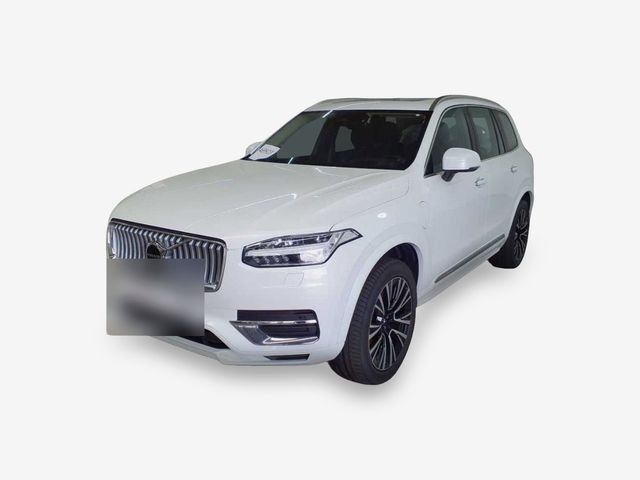
2022, hybrid, automatic, 201K km, SUV, 310 hp, 2.0 T8 PHEV PLUS BRIGHT 4WD, Used condition, In stock

CarOutlet.eu
 Belgium
 BelgiumBelgiumBelgium
 NetherlandsNetherlandsNetherlandsNetherlandsNetherlands
 FranceFranceFranceFranceFrance
 Germany, Lower SaxonyGermany, Lower SaxonyGermany, Lower SaxonyGermany, Lower SaxonyGermany, Lower SaxonyGermanyGermanyGermanyGermanyGermanyGermanyGermany
A good-looking Volvo XC90 listing can tempt you into moving too fast, especially in a market where supply is not endless and the right car may be a long drive away. That is exactly why the first clean photos and a polished description should not decide the purchase. With a used Volvo XC90, the better move is to slow down, compare three or four realistic alternatives, and decide which seller is giving you enough evidence to make the trip worthwhile.
Across the EU market, buyers often face the same pattern: a handful of attractive cars for sale, some with strong equipment, some with vague histories, and many that look better in photos than they will in person. The Volvo XC90 is the kind of SUV people shop with both emotion and logic. It promises space, family usefulness, and a premium feel, so sellers know how to present it well. Your job is not to be impressed too early. Your job is to work out whether the listing is transparent, whether the ownership story makes sense, and whether the asking price is being supported by condition rather than by confidence alone.
When you line up several Volvo XC90 offers, resist the urge to sort only by year, mileage, or trim. Those matter, but the listing story matters just as much. A strong ad usually gives you a believable picture: clear exterior shots, a tidy interior, readable instrument cluster photos, useful detail on service history, and some explanation of recent maintenance or ownership. A weak offer often hides behind short phrases like “full options” or “excellent condition” without showing what backs that up.
For a model like the Volvo XC90, ask yourself whether the car has been presented by someone who understands what buyers worry about. Has the seller shown wear areas such as seats, steering wheel, boot space, and lower body panels? Is there any mention of when key maintenance items were done? If a listing feels expensive but gives you almost nothing to verify, treat that as a warning sign, not a premium signal.
This is where real buyer behavior in Europe matters. Because listings may be spread across different countries and sellers, the cost of chasing the wrong car is not small. A cheap Volvo XC90 that looks “close enough” on paper can become the expensive choice once you factor in travel, time, inspection, registration questions, and the risk of discovering missing history after arrival.
That is why I would usually shortlist the seller before I shortlist the car. A slightly pricier Volvo XC90 with coherent photos, document clarity, and straightforward answers can be a better buy than a bargain listing that avoids specifics. Ask for the VIN, ask for photos of the service book or invoices if available, ask whether the mileage history can be supported, and ask what the seller would want you to know before you travel. Sellers who answer directly tend to save you wasted journeys. Sellers who become vague the moment you ask for evidence are telling you something useful.
A phone call or message should do more than confirm availability. Use it to test transparency. Ask how long the seller has owned the Volvo XC90 and why it is being sold now. Ask whether there are any warning lights, known faults, paintwork repairs, accident history, or upcoming maintenance items. Ask whether both keys are present, whether the service history is partial or complete, and whether any major work has been done recently.
Then ask the question many buyers forget: how does the car behave when cold? A seller may say it “drives perfectly,” but cold starts, idle quality, gearbox smoothness, suspension noises, and dashboard messages are often more revealing than a warm test drive around the block. If the seller has already driven the Volvo XC90 before you arrive, ask to know that in advance. You want to inspect it honestly, not after symptoms have been temporarily disguised.
Mileage matters, but condition often tells the more interesting story. In a Volvo XC90, look closely at the driver’s seat bolsters, steering wheel finish, buttons, luggage area, and the general consistency of use. Heavy interior wear combined with an unusually optimistic description deserves more questions. The same goes for mismatched tyres, poor panel gaps, moisture in lights, uneven paint reflections, or an engine bay that looks freshly cleaned but not properly documented.
One less obvious point: a family SUV can age in very honest ways. Scratches in the boot, child-seat marks, and normal cabin wear are not automatically bad signs. Sometimes they come with a believable ownership story and a stack of maintenance records. A suspiciously “perfect” Volvo XC90 with little supporting history can be the one that deserves extra caution. Neat presentation is good; over-curated presentation can be theater.
When choosing between listings, think beyond the purchase moment. Which Volvo XC90 looks easier to live with over the next two or three years? That usually means balancing condition, history, seller openness, and likely near-term costs rather than chasing the most impressive trim. Equipment is nice, but a well-kept example with sensible documentation will often be the calmer ownership experience than a flashier car with too many unanswered questions.
It also helps to compare the Volvo XC90 against your real alternatives, not your dream alternatives. If you need space, comfort, and everyday usability, ask whether this specific car delivers those things cleanly enough to justify viewing it now. If not, keep looking. In a market with limited but still varied used listings, patience is a buying skill. The right Volvo XC90 is rarely just the one with the best photos. It is the one whose condition, paperwork, and seller behavior continue to make sense each time you look closer.
 Add as preferred sourceSee more from zvelta in Google Search Add as preferred source