 EN
ENDEALER

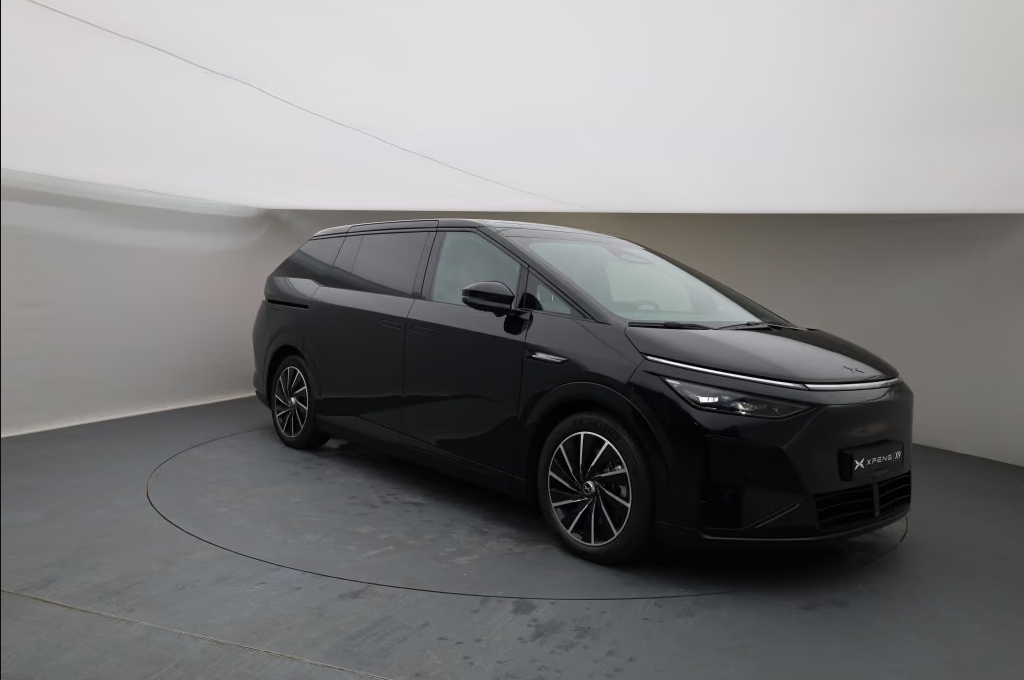
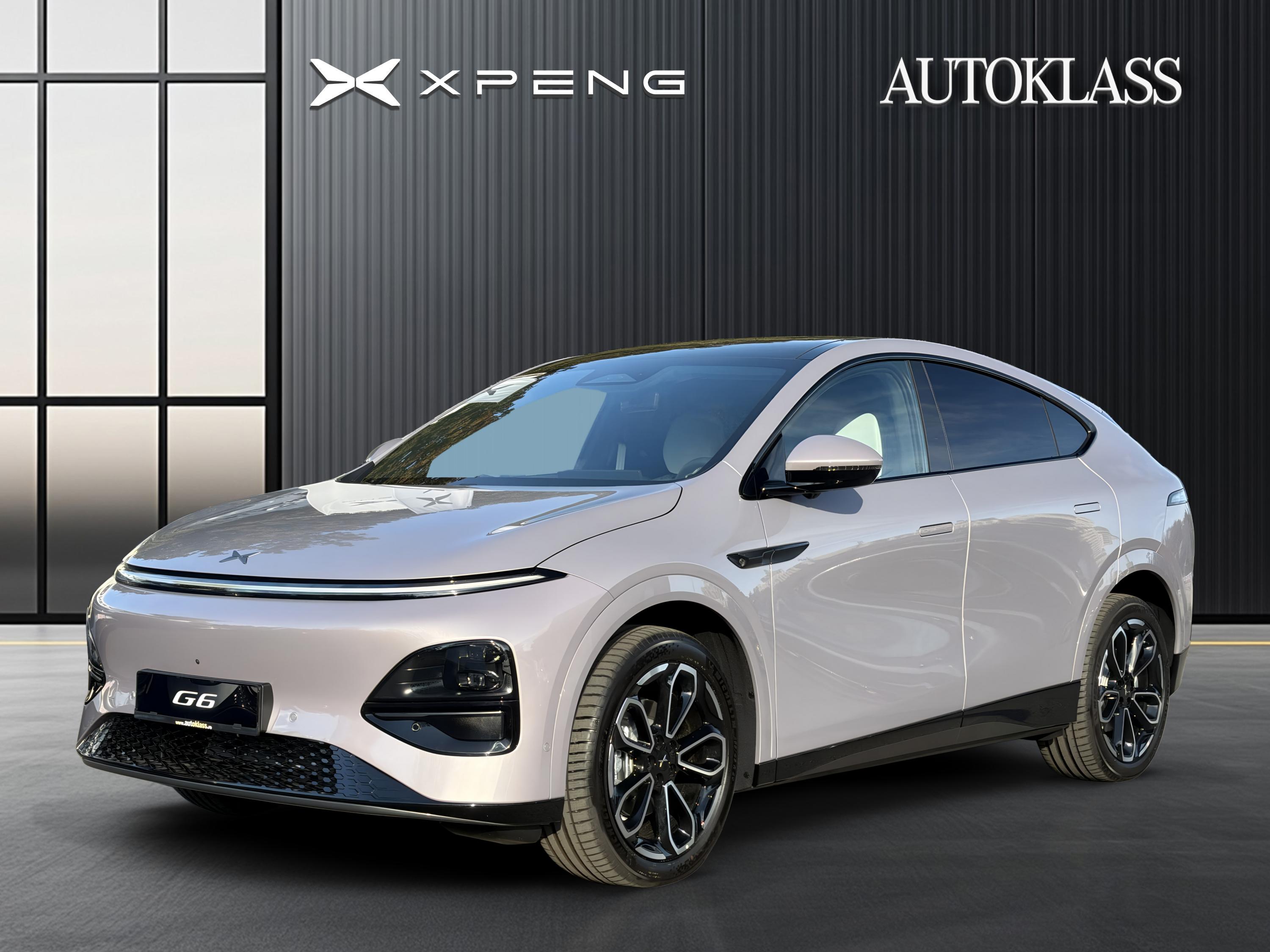
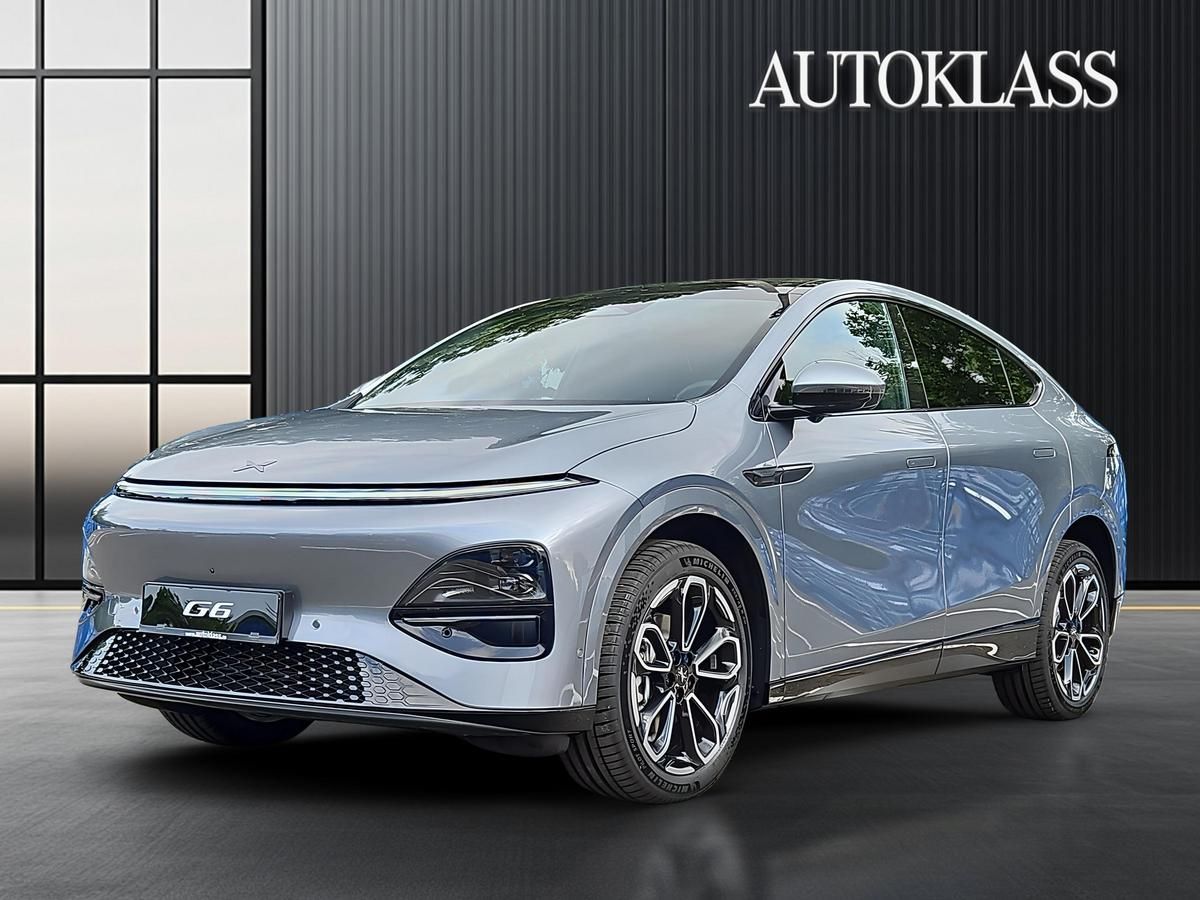
2024, automatic, 131K km, 313 hp, 230 kW, Used condition, Europa, In stock, sale date 20.10.2026 10:45

CarOutlet.eu
 Netherlands
Auction starts
20 Oct, 10:45
 Netherlands
 Denmark, South Denmark
 Denmark, South DenmarkDenmark, South DenmarkDenmark, South DenmarkDenmark, South DenmarkDenmark, South DenmarkDenmark, South DenmarkDenmark, South DenmarkDenmark, South DenmarkDenmark, South DenmarkDenmark, South DenmarkDenmark, South DenmarkDenmark, South Denmark
 Romania, Bacău County
 Sector 1, RomaniaSector 1, RomaniaSector 1, RomaniaSector 1, RomaniaSector 1, RomaniaSector 1, RomaniaSector 1, RomaniaSector 1, RomaniaSector 1, RomaniaSector 1, Romania
If you are looking at Xpeng in Europe, the smartest move is not to start with the cheapest ad. Start by building a shortlist of offers that actually deserve your time. With a newer EV brand, the difference between a promising listing and a frustrating one is often not obvious in the first photos. A low price can hide missing charging accessories, vague import history, software uncertainty, accident repairs, or a seller who cannot explain the car beyond copying the spec sheet. The good news is that Xpeng can be shortlisted very rationally if you read listings with discipline.
A strong first-round Xpeng listing usually feels specific rather than flashy. Look for clear photos of the exterior, interior, charging port area, wheels, and screen menus, not just dramatic angles. A useful seller description should mention battery-related basics in plain language, service or maintenance records if available, registration status, number of keys, and what charging equipment comes with the car. For Xpeng, software and convenience features matter to buyers, so it helps when the seller can explain what works, what language the interface is set to, and whether there are any known limitations in the current market.
When you compare used Xpeng cars for sale across the EU market, prioritize listings where the seller shows they understand the car they own. If the ad reads like a generic repost and avoids details about ownership, charging habits, or recent work, move it down the list. If the seller can answer simple questions clearly before you travel, that offer is usually worth more attention than a slightly cheaper one with foggy information.
A practical way to handle Xpeng offers is to sort them into three groups. Call the ads that are complete, well photographed, and consistent. Visit the cars where the answers stay solid after a phone conversation: documents match the story, mileage sounds believable, and the seller can discuss condition without getting defensive. Skip the listings that force you to guess too much. If the price is tempting but the information gap is large, it rarely becomes a better deal in person.
One less obvious clue: with newer electric brands, weak sellers often lean too hard on novelty. They will talk about how futuristic the car feels, but not about tires, charging cables, cosmetic damage, ownership paperwork, or how long the car has been standing. A better Xpeng listing usually does the opposite. It treats the car like a normal used vehicle that still needs normal buyer trust.
Do not compare ads only by year and mileage. Compare the whole ownership package. Check whether the car appears ready to use immediately or whether you will need to sort out missing items, cosmetic issues, charging setup, or document questions after purchase. For an EV brand like Xpeng, equipment completeness can matter more than buyers expect. Ask what comes with the car, whether both keys are present, whether home or public charging accessories are included, and whether any parts or functions need attention.
Then compare seller behavior. A careful private owner who can explain routine use may be a safer bet than a polished ad with thin answers. A dealer listing can still be excellent, but check whether the dealer actually inspected the car or is simply moving stock. Ask for close photos of any damage, screenshots or photos that support the equipment claim, and confirmation of the registration documents before arranging a visit. Strong sellers do not act offended by reasonable questions.
This matters especially in a multi-country EU search. Xpeng listings may look similar at first glance, yet the buying experience can vary a lot depending on how transparently the car was imported, registered, prepared for sale, and described. You do not need perfect certainty before calling, but you do want a coherent story.
Keep the phone call short and practical. Ask: How long have you owned the Xpeng? Why are you selling it? Is the mileage documented? Has the car had body repairs or repainting? Are there warning messages on the screen? What charging cable or accessories are included? Are both keys available? Is there service history, invoices, or any documented maintenance? Can you send photos of the documents and close-ups of any defects?
Notice not only the answers, but the rhythm of the answers. Good sellers tend to answer directly and in the same level of detail throughout the conversation. Weak sellers often become vague exactly where the car may have a problem. If someone avoids basic questions, keeps changing the story, or pressures you to come immediately because “many people are interested,” that Xpeng offer probably belongs in the skip pile.
A Xpeng offer deserves an in-person inspection when the listing is detailed, the seller is consistent, the visible condition matches the mileage claim, and the paperwork sounds orderly. When you arrive, check whether the car looks like the photos, whether panel gaps and paint finish appear consistent, and whether interior wear matches the story. Turn the car on, look for warning lights or persistent alerts, test basic functions, and pay attention to whether the seller seems comfortable letting you inspect the vehicle carefully.
What should stop you before a visit? Missing document photos, unexplained accident language, strange mileage gaps, a seller who cannot show charging items that were promised, or an ad that keeps changing details. Another red flag is an unusually polished listing paired with weak real-world specifics. Xpeng can attract curiosity buyers, and some sellers know that slick presentation can distract from unanswered questions. Do not reward that with a long trip.
The best Xpeng shortlist is usually not the one with the most exciting prices. It is the one with the fewest unresolved questions. Buyers often get distracted by the idea of finding a rare bargain, especially with newer EV brands, but in practice the more valuable win is finding an offer that is easy to verify. In the EU market, where cars may move across borders and arrive through different sales channels, clarity is part of the value.
That is why the strongest Xpeng listing may be the one that feels slightly boring. Honest photos, complete equipment notes, calm answers, clear documents, sensible condition, no drama. When you compare new and used Xpeng listings this way, your shortlist becomes sharper very quickly: some offers deserve a call, fewer deserve a visit, and the weakest ones can be skipped before they waste your weekend. That is usually how better car buying decisions are made.
 Add as preferred sourceSee more from zvelta in Google Search Add as preferred source