 EN
ENDEALER
€52,500DEALER
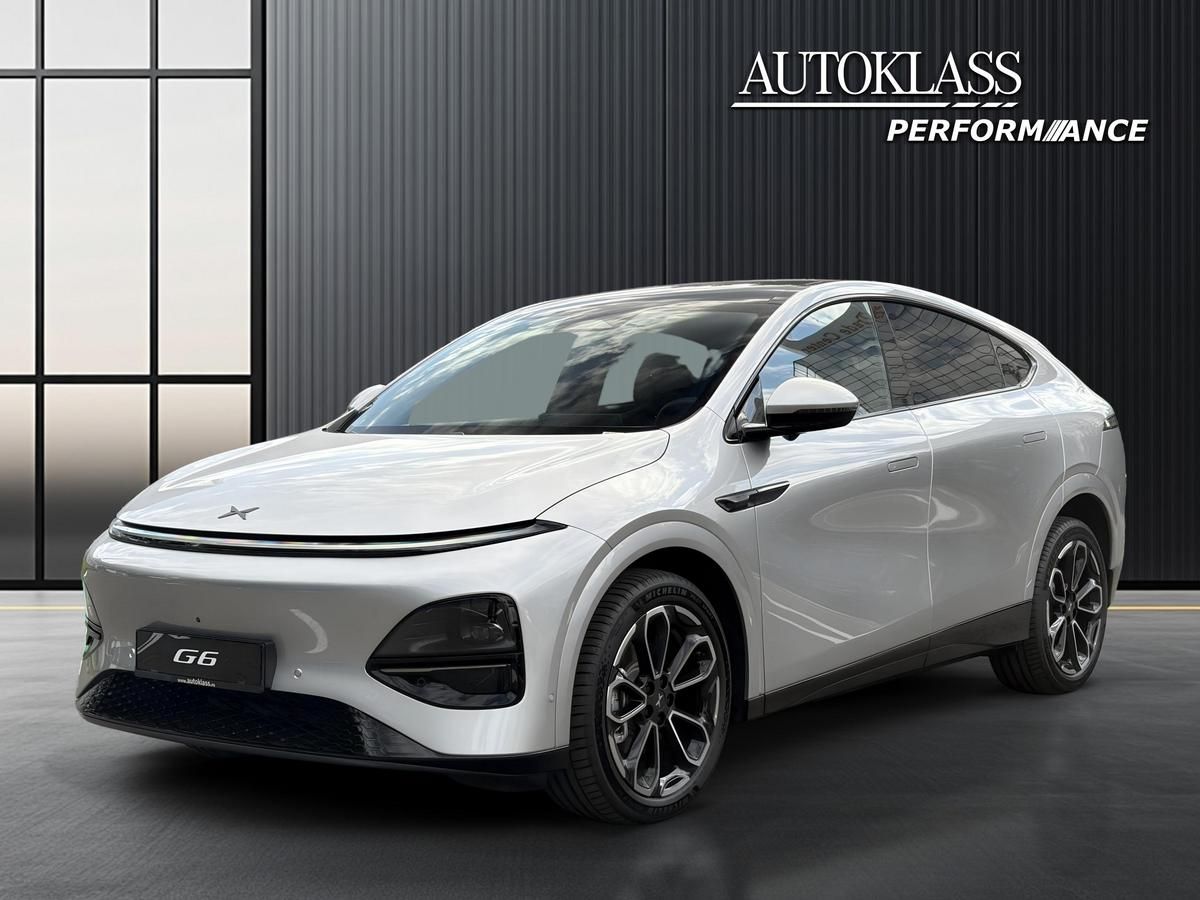
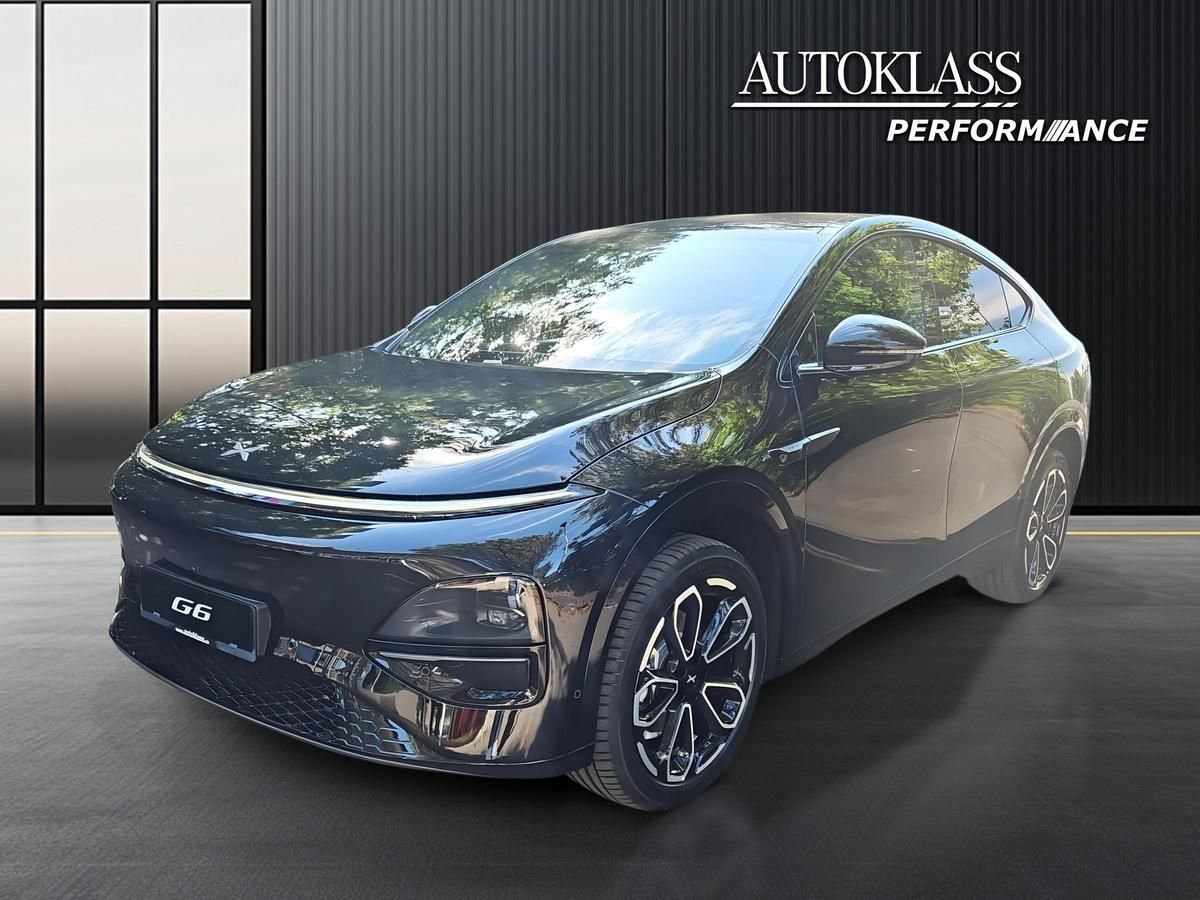
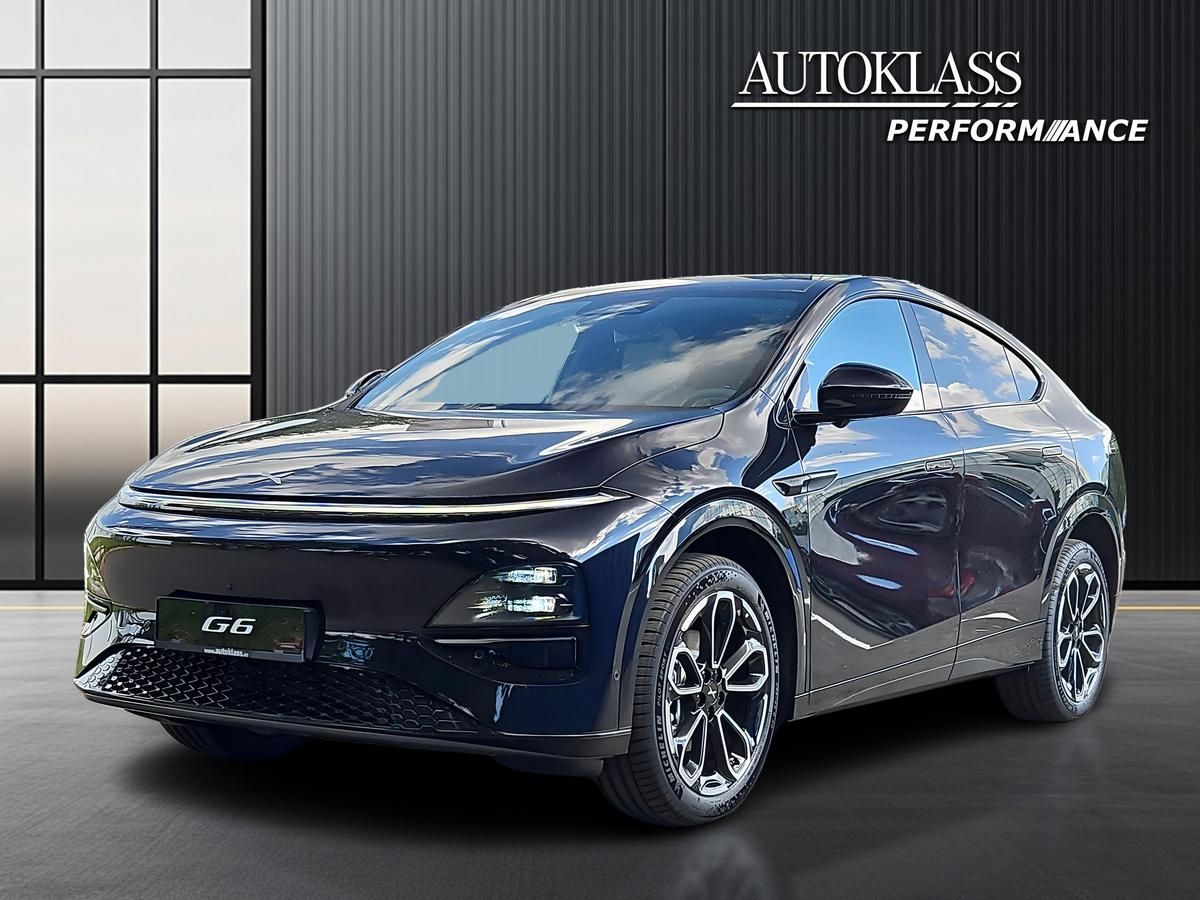
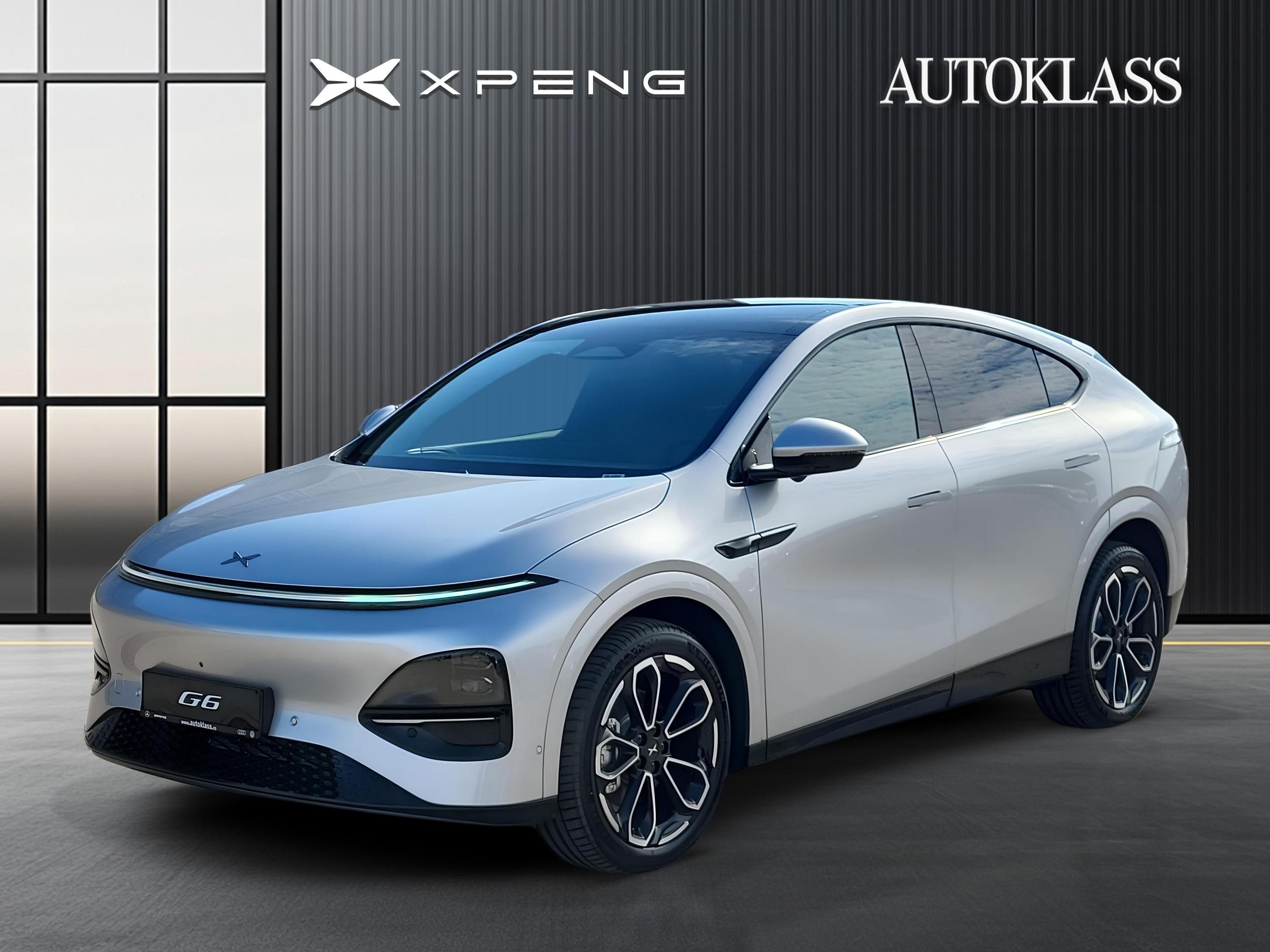
2026, 10 km, Used condition, In stock

autovision-bacau.ro
 Romania, Bacău County
 Romania, Bacău County
 Sector 1, RomaniaSector 1, RomaniaSector 1, RomaniaSector 1, RomaniaSector 1, RomaniaSector 1, RomaniaSector 1, RomaniaSector 1, RomaniaSector 1, RomaniaSector 1, RomaniaSector 1, RomaniaTomis Nord, RomaniaTomis Nord, RomaniaTomis Nord, RomaniaTomis Nord, RomaniaTomis Nord, Romania
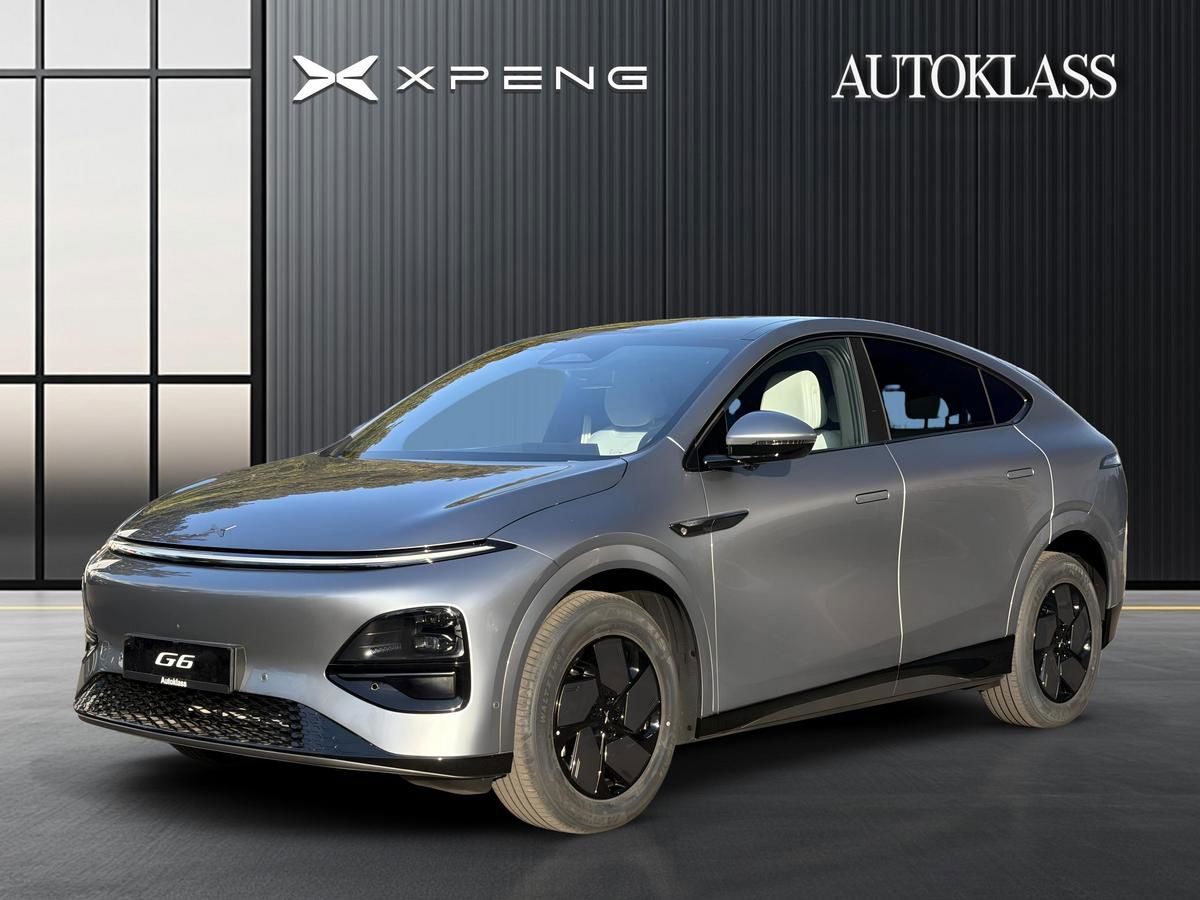
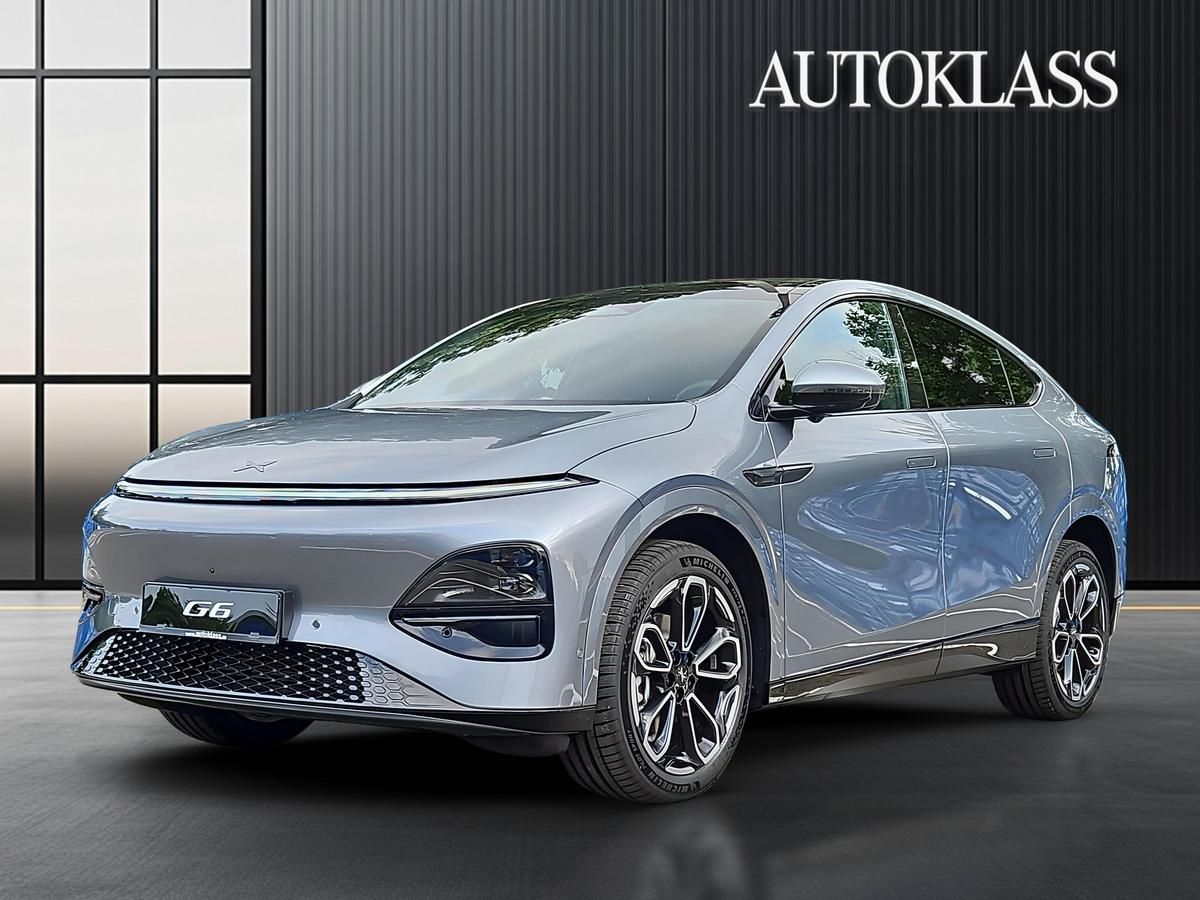
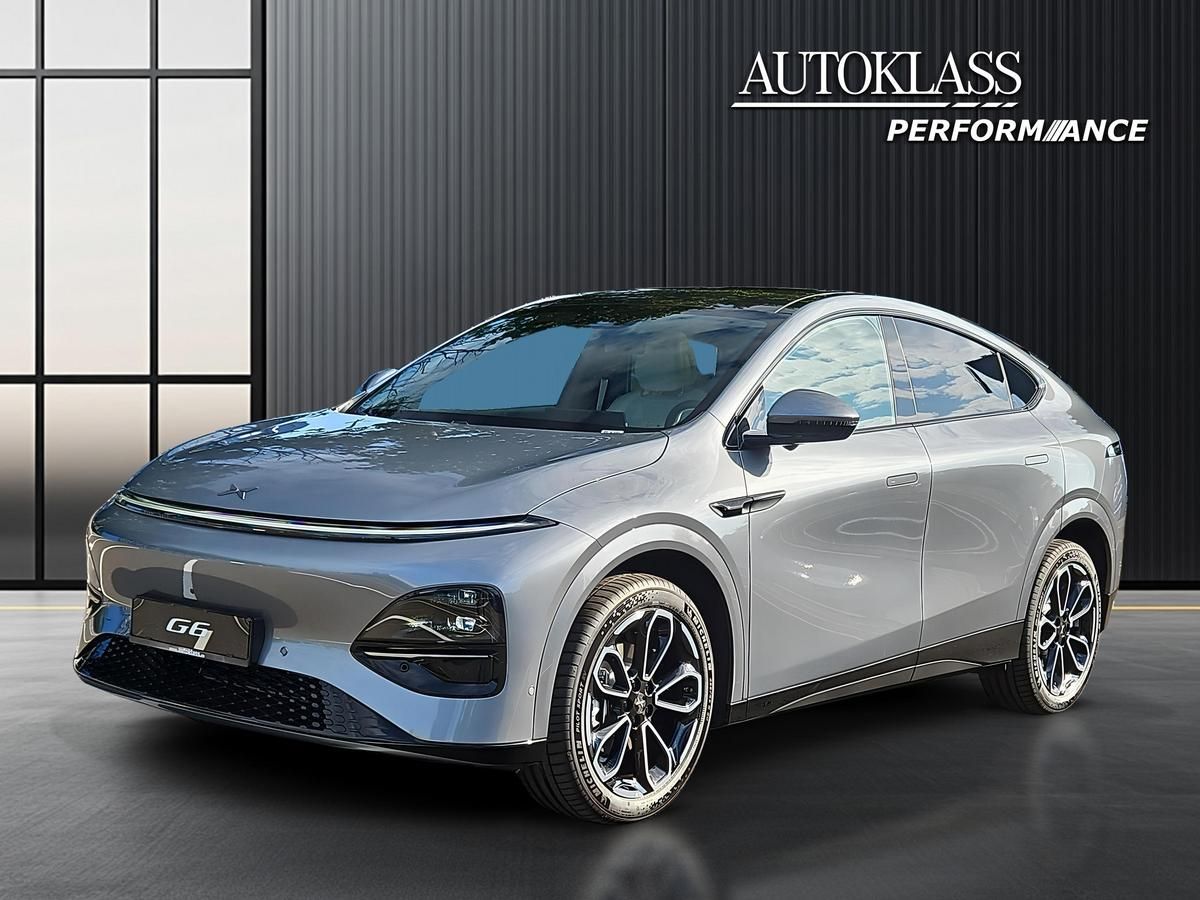
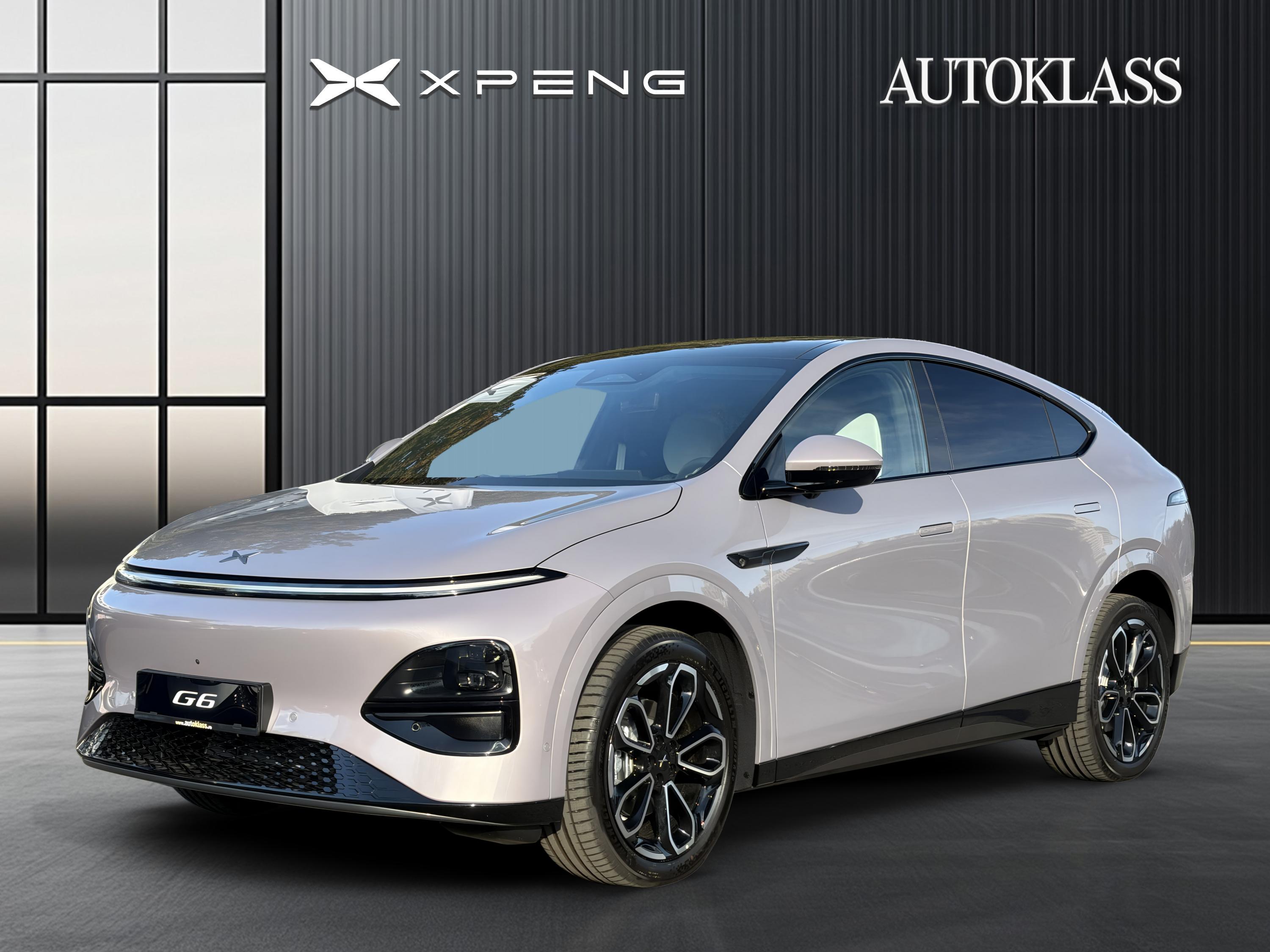
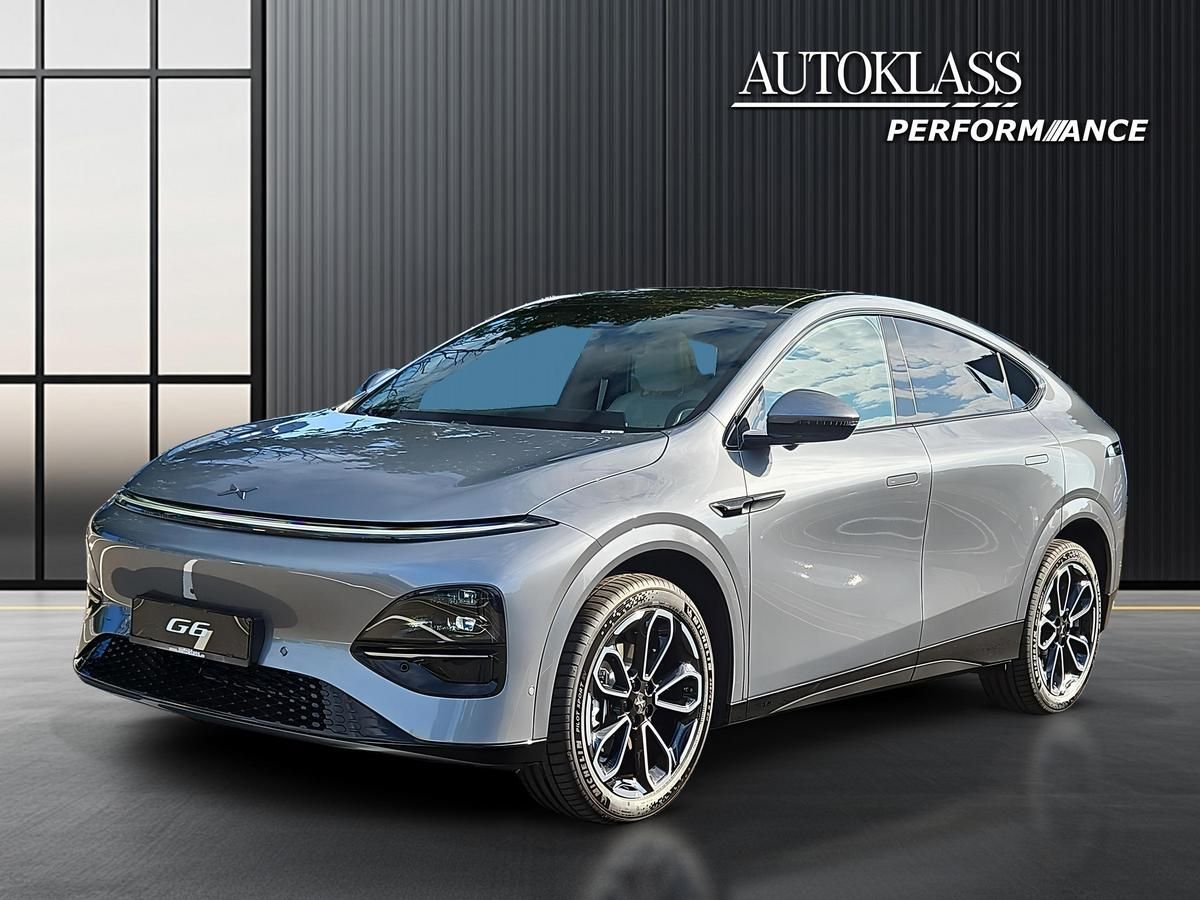
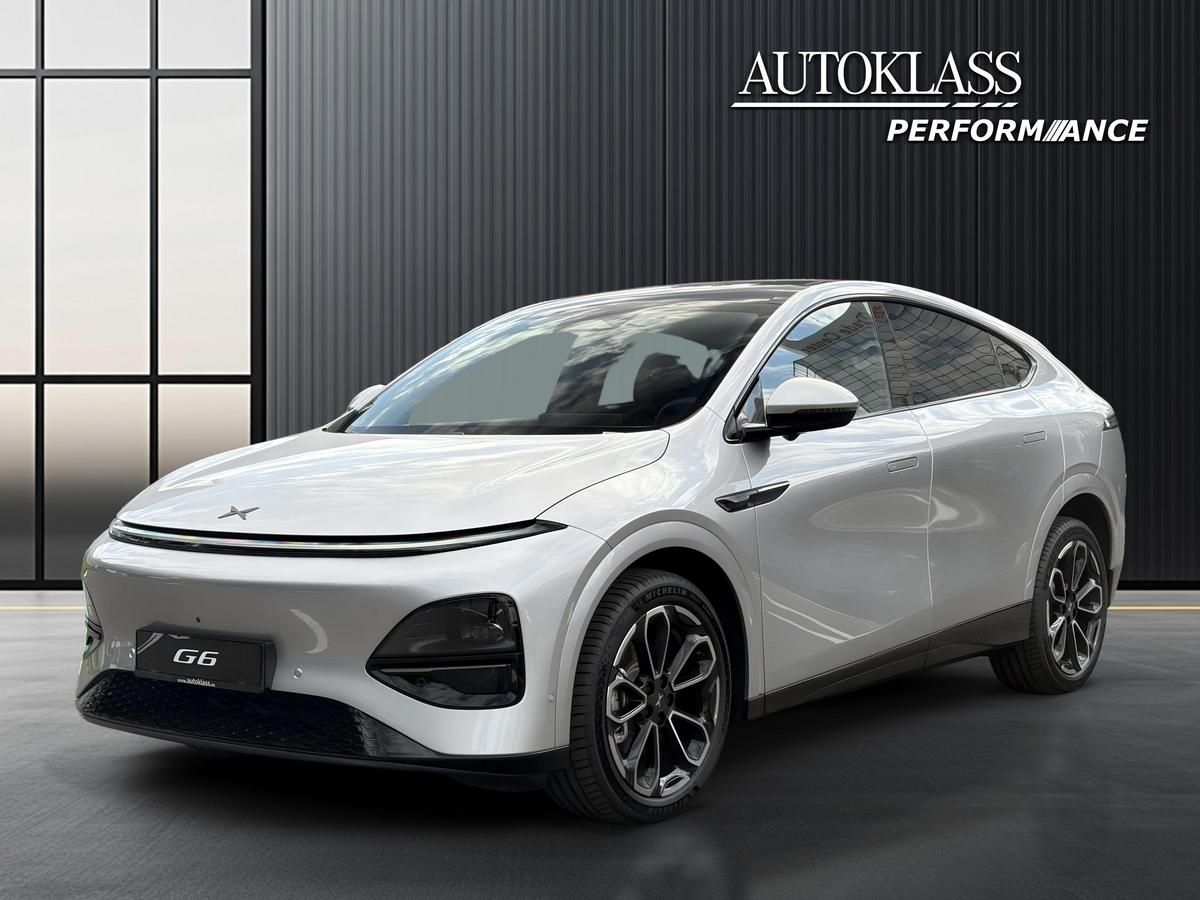
If you are looking at an Xpeng G6 in the EU market, the smartest move is not to start with the headline price. Start with the story the listing tells. On a newer, tech-heavy electric model like the Xpeng G6, buyers usually learn more from consistency than from marketing words: do the photos, mileage, registration details, charging information, equipment notes, and service records all point in the same direction? When they do, the offer is often worth a closer look. When they do not, even a tempting price can turn into wasted calls and a disappointing viewing.
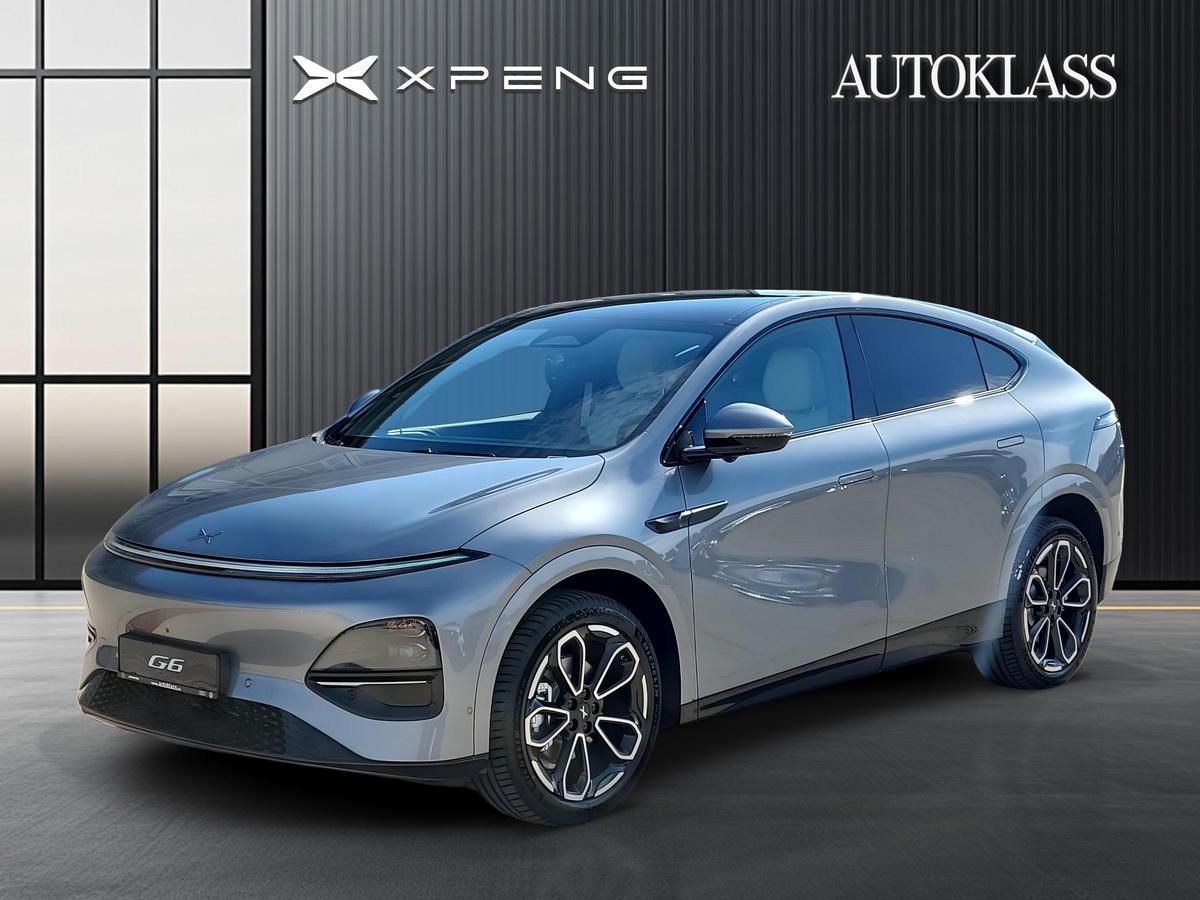
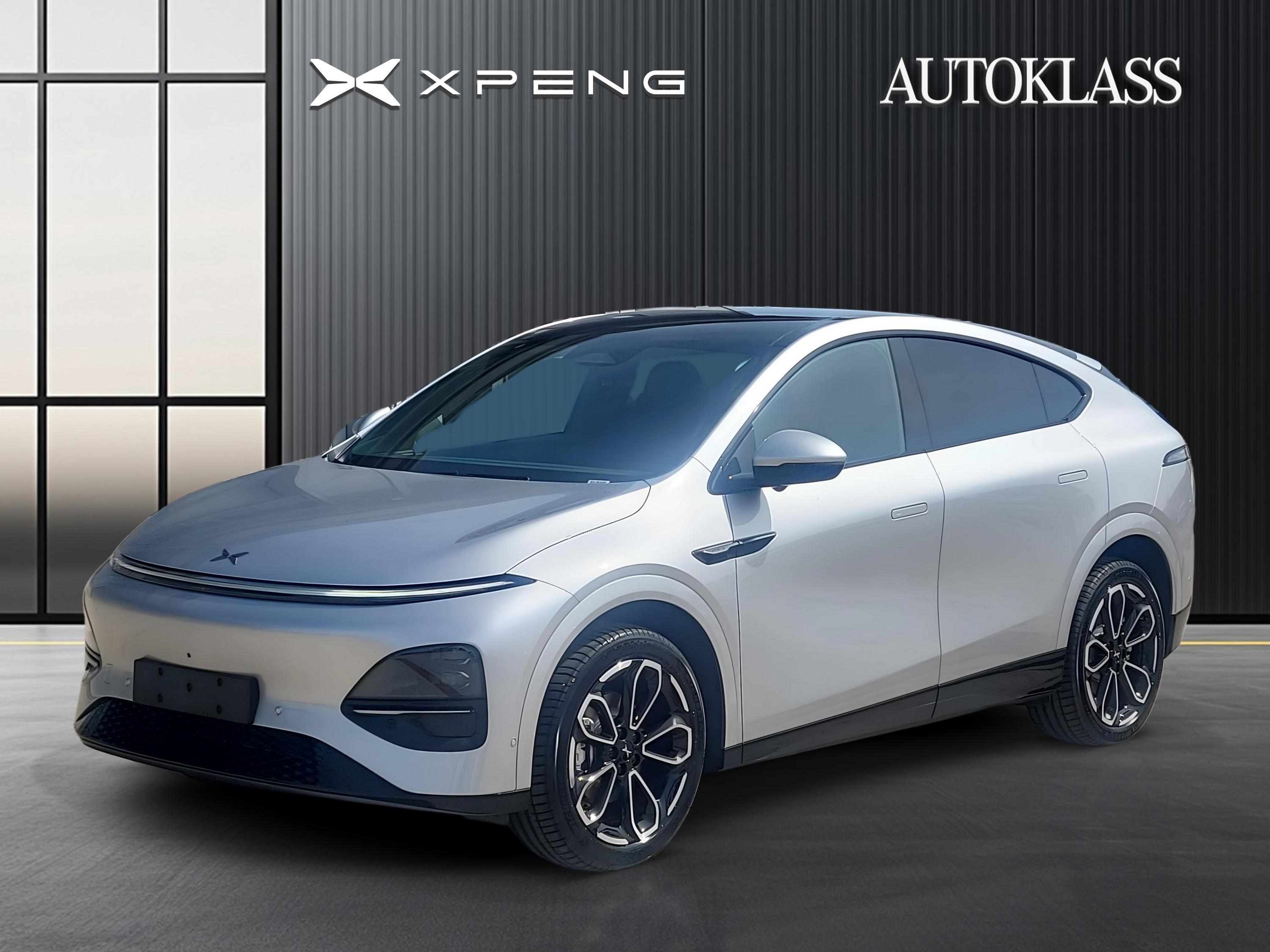
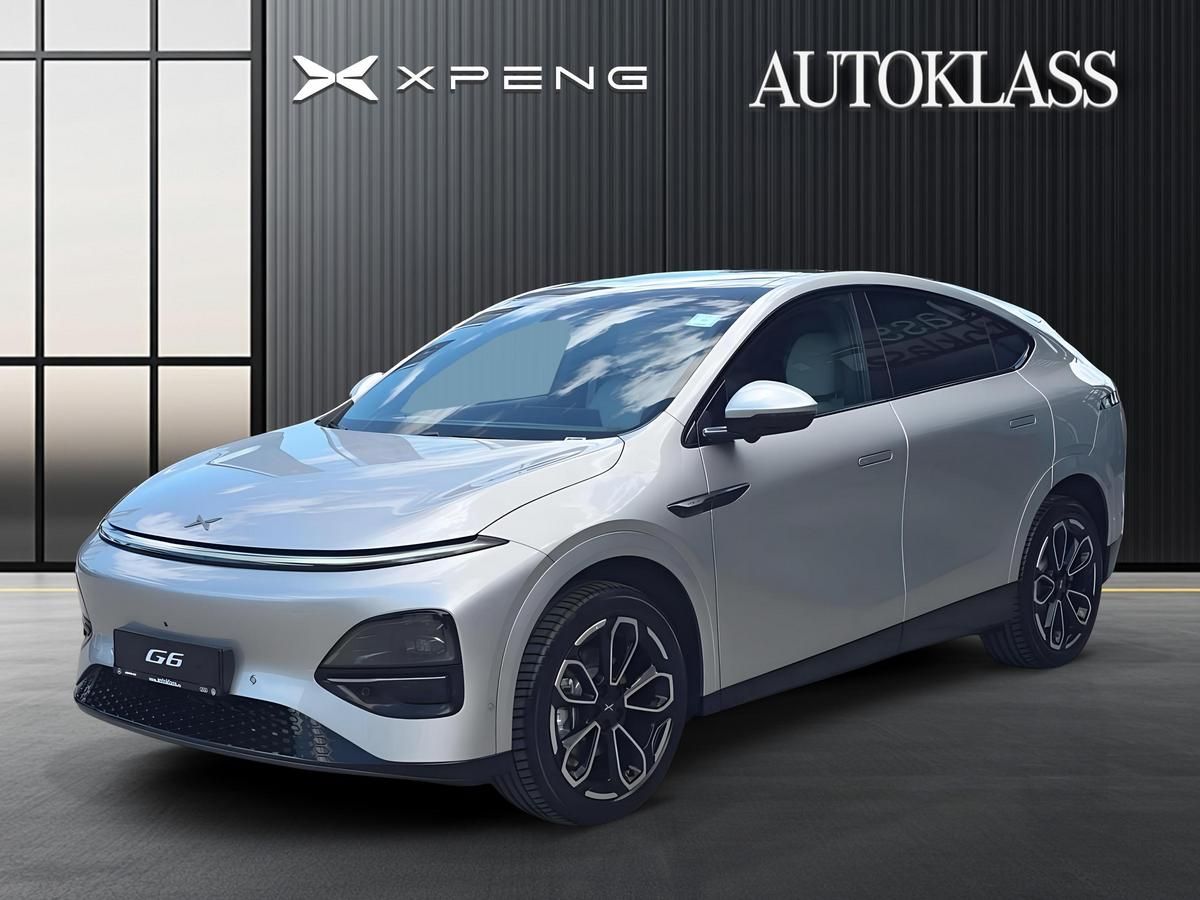
With any Xpeng G6 for sale, look past the polished exterior shots and focus on how complete the seller's information is. A serious listing usually explains more than color and battery-electric status. You want to see whether the seller mentions registration country, delivery date, maintenance history, software or system updates if available, charging cables or accessories included, and the exact trim or equipment level. If an ad sounds vague but asks for premium money, slow down.
This matters even more in a multi-country market like the EU, where listings can differ not just in condition but also in documentation habits and ownership expectations. One Xpeng G6 may be presented almost like a company asset with clear records and neat photos; another may look fine at first glance but reveal very little once you read the description carefully. Before you contact the seller, compare what is actually proven in the ad, not what you are assuming.
The ownership question is where buyers often become more selective. The Xpeng G6 is the kind of car people do not just buy for transport; they buy it because they expect a certain everyday experience. That means the right questions are not only about condition, but about what living with this exact car may feel like. Ask how it has been charged most of the time, whether the owner used it mainly for commuting or longer trips, and whether there are any recurring small annoyances the seller has simply learned to live with.
That last point is underrated. A trustworthy seller will often admit a detail that makes the car feel real: maybe a certain feature takes getting used to, maybe the cabin materials show use in one area, maybe charging habits were mostly home-based. Those answers are more useful than hearing that everything is "perfect." When an Xpeng G6 seller talks naturally about daily use, you get a better sense of ownership than from a long equipment list.
When you have several used Xpeng G6 offers open, compare them in pairs. Do not scroll through ten ads and hope one stands out. Put two side by side and ask simple questions: which seller shows the better record trail, which car looks more honestly photographed, which description sounds like it was written by someone who actually knows the vehicle? A listing with fewer glamour photos but better documentation can easily be the stronger buy.
Look closely at the interior photos, wheel condition, charging port area, and how consistent the claimed mileage feels with visible wear. On a modern EV, the strongest offers are often the ones that remove uncertainty early. If the ad is missing basic ownership context, ask for it before arranging a viewing. You are not being difficult; you are filtering weak offers out of your shortlist.
A short message to the seller can save you hours. For an Xpeng G6 in Europe, useful questions include:
The tone of the reply matters almost as much as the reply itself. Fast, clear answers usually signal a seller who expects serious buyers. Evasive answers, recycled phrases, or irritation at normal questions can tell you the opposite.
This is one of the more human signals in the Xpeng G6 market. People selling a newer electric model often have a specific reason: changing company car policy, moving to another EV, downsizing, or simply not needing the car anymore. The explanation does not need to be dramatic, but it should sound believable. If the reason feels oddly generic while the listing is otherwise thin, keep your guard up.
The best Xpeng G6 offers often come from sellers who understand that buyers of this model care about the ownership experience, not just the spec sheet. They describe how the car fit into everyday life, what kind of use it had, and what comes with it. That kind of detail makes an offer feel grounded.
Usually when three things line up: the listing is complete, the seller communicates well, and the condition appears coherent with the mileage and story. That does not guarantee a perfect car, but it is a strong reason to move from browsing to inspection. When you see an Xpeng G6 listing that is thin on documents, vague on history, and defensive when questioned, treat it as a maybe at best.
In the end, buying the right Xpeng G6 is less about chasing the most exciting ad and more about finding the offer with the fewest unanswered questions. In a still-selective EU market, that is often the buyer's real advantage. Be patient, compare carefully, and give extra value to listings that feel transparent from the first read.
 Add as preferred sourceSee more from zvelta in Google Search Add as preferred source