RU
RU

Вопросы и ответы
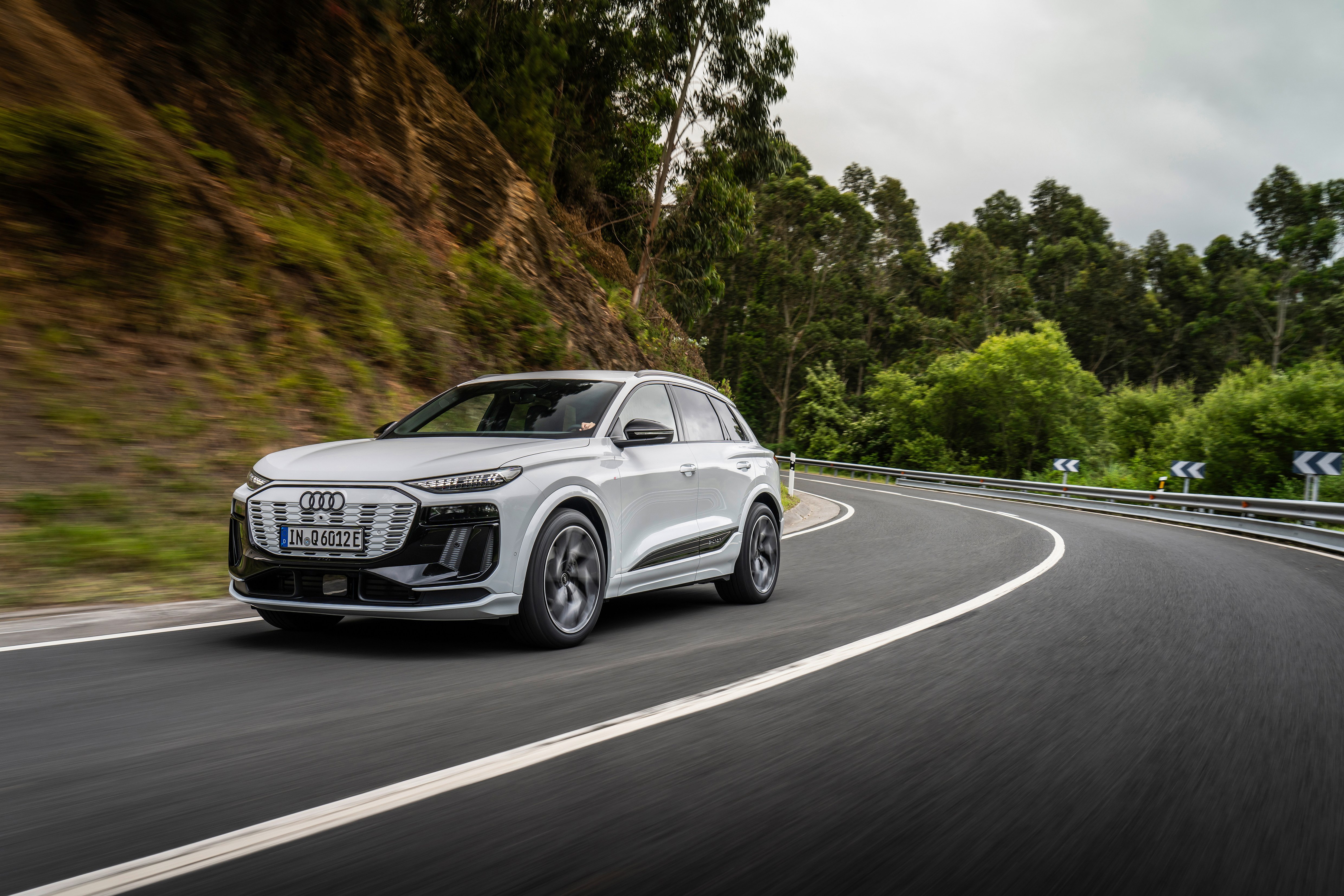
At a target speed of 200–210 km/h, the test recorded 51.1 kWh/100 km on the onboard computer, or an estimated 52.9 kWh/100 km including losses. Using 88.9 kWh of available energy, the test author extrapolated a range of about 168 km from 100% to 0%.
No. The article describes 168 km as a calculated extrapolation from one test under specific conditions, not a certified measurement or an official Audi specification. Audi lists the Q6 e-tron quattro with a WLTP range of up to 625 km.
The driver could not maintain one constant speed because of traffic, and the final kilometres were driven more slowly. The test began at 92% charge, the outside temperature was 14.5 °C, and battery temperature rose from approximately 39–40 °C to 48 °C. The result therefore applies to that car and those conditions.
On August 2, 2026, PiataAuto published the results of an independent German autobahn test of the Audi Q6 e-tron quattro. The driver aimed to maintain 200–210 km/h wherever traffic and speed limits allowed. The onboard computer showed average consumption of 51.1 kWh/100 km, while a calculation that included energy unavailable under high load produced a figure of 52.9 kWh/100 km.
Based on the 88.9 kWh available during the drive, the test author calculated an extrapolated range of around 168 km from 100% to 0%. This is not a certified measurement, nor is it the distance the car actually covered at a constant 200 km/h. Traffic caused the speed to vary, the final kilometres were driven more slowly, and the result applies to one car under specific conditions.
The main takeaway
The test does not prove that the Audi Q6 e-tron can cover only 168 km on every motorway trip. It shows the cost of very high speed: at around 200 km/h, aerodynamic drag demands so much energy that even a battery with almost 95 kWh is depleted quickly.
How the August 2, 2026 test was conducted
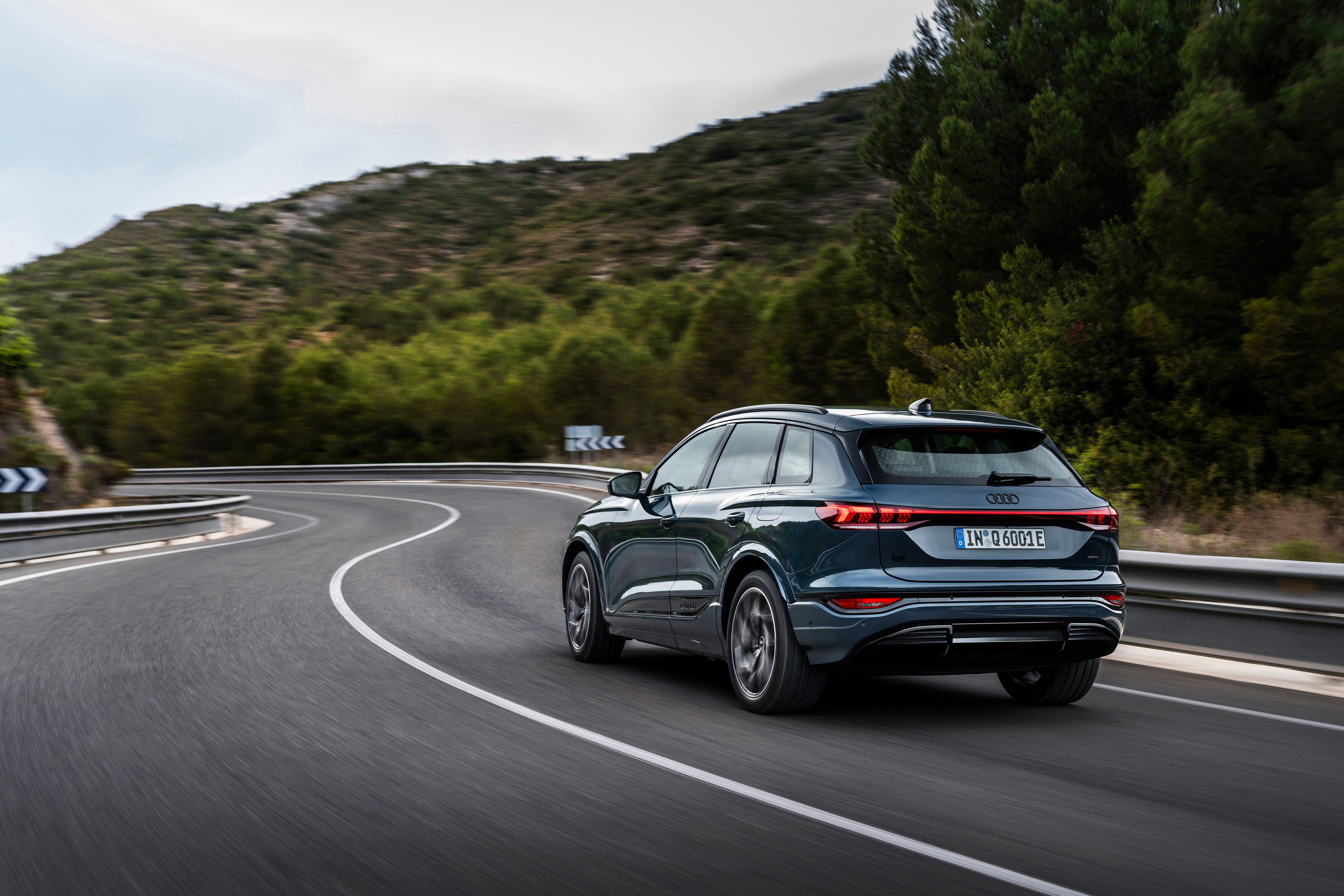
The drive began with the battery at 92%. The outside temperature was 14.5 °C, and the battery had been warmed to approximately 39–40 °C after fast charging. At an actual GPS speed of 200 km/h, the Audi's speedometer indicated around 206 km/h.
Maintaining one constant speed was not possible. The driver accelerated to 200–210 km/h on clear sections and turned around at approximately 56% charge to partly balance the effect of wind in both directions. At 20% charge, the battery temperature had reached 48 °C. A noticeable power limitation appeared at around 5% remaining charge, and the car arrived at the charging station with 1% left.
Key figures from the independent test | ||
Metric | Result | How to interpret it |
|---|---|---|
Target speed | 200–210 km/h | The speed varied because of real-world traffic |
Air temperature | 14.5 °C | Conditions were not hot, but the battery warmed up under load |
Onboard computer consumption | 51.1 kWh/100 km | The final 5 km were driven more slowly |
Calculated consumption including losses | 52.9 kWh/100 km | The test author's estimate based on measured usable energy |
Energy available during the test | 88.9 kWh | 93.8 kWh had previously been measured in this car |
Calculated range | 168 km | Extrapolation of 88.9 kWh at 52.9 kWh/100 km |
168 km is not a new official Audi specification
The figure was obtained by dividing the available energy by the calculated consumption. It describes what would happen if the same conditions continued from a full to an empty battery. The actual route included acceleration, deceleration and a slower final section, so the result cannot be applied to every journey.
How the result compares with WLTP and Audi's data
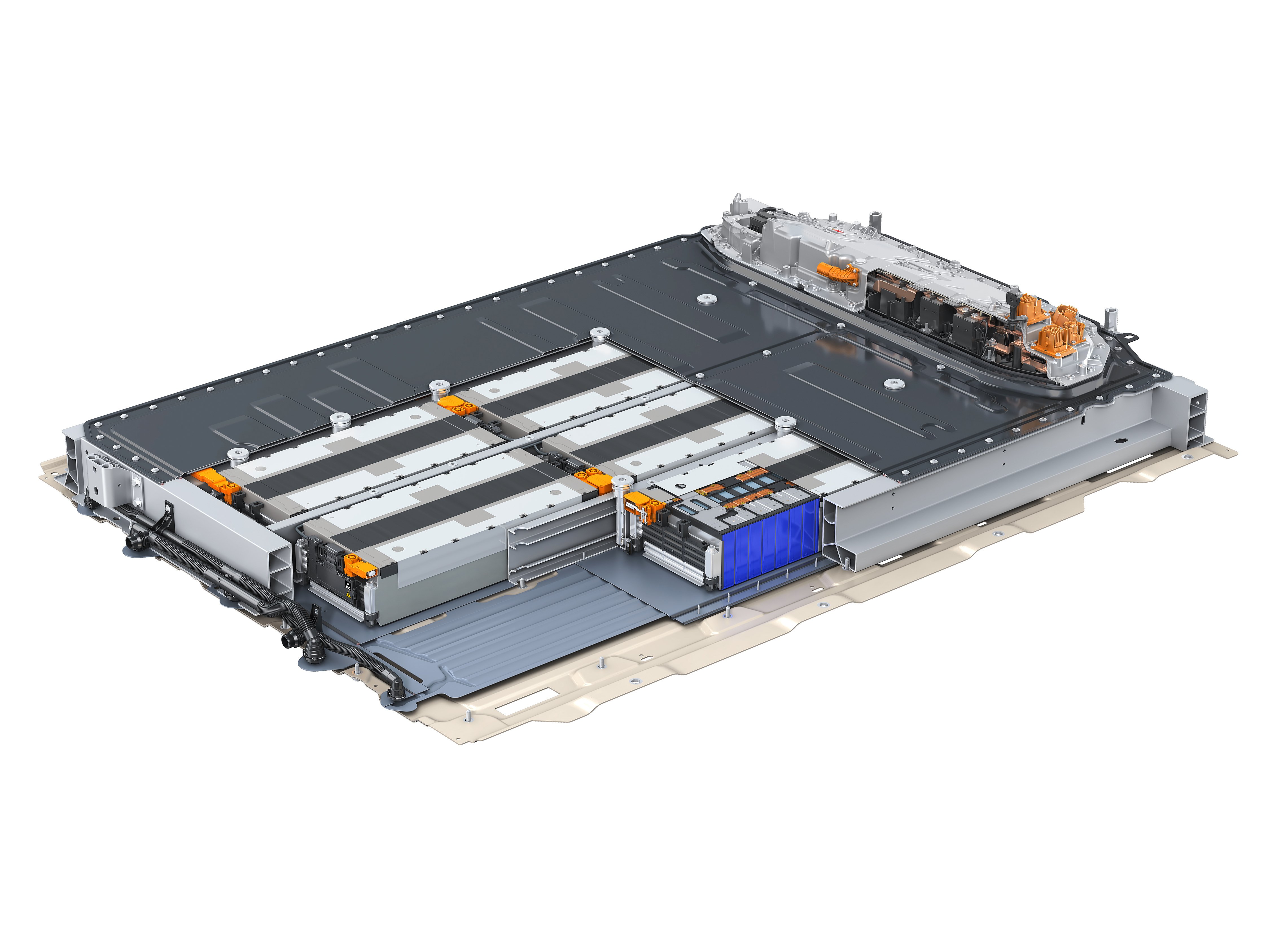
The all-wheel-drive Q6 e-tron quattro has a battery with 100 kWh of total capacity and 94.9 kWh of usable capacity. In Audi's official technical material, this version is listed with a range of up to 625 km under WLTP. The rear-wheel-drive Q6 e-tron performance can cover up to 641 km under WLTP, but it is a different version with a single driven axle.
WLTP is intended to compare vehicles under standardised conditions, not to promise the same range at every speed. Audi explicitly warns that wheels, additional equipment, weather, traffic and driving style affect energy consumption and range.
The European WLTP combines several speed phases. Even the fastest section of the cycle does not simulate sustained driving at a target speed of 200 km/h. Comparing 168 km with the maximum official range therefore illustrates the scale of speed's impact, but it is not a test of WLTP accuracy.
Why consumption rises so quickly above 120 km/h
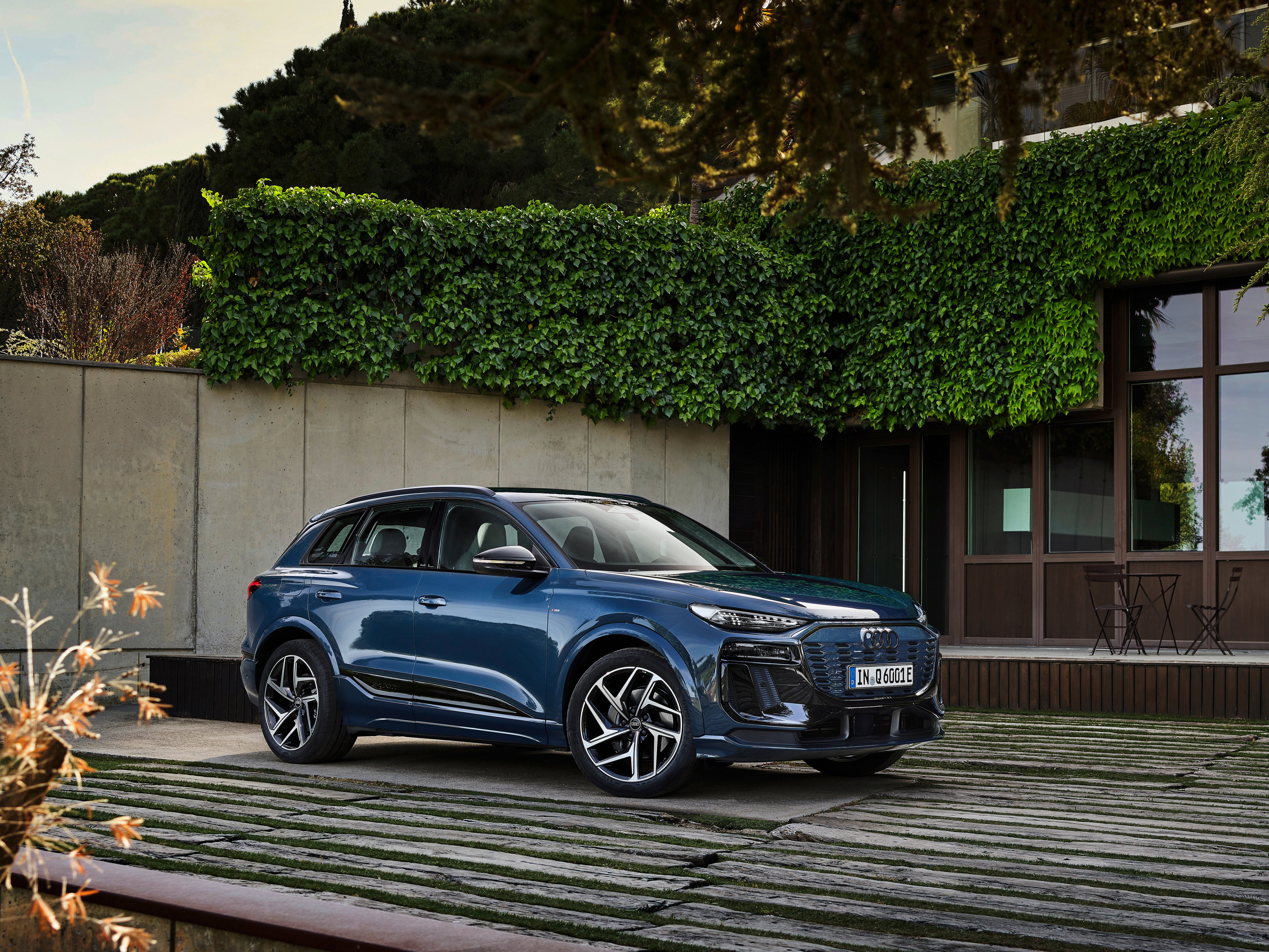
At lower speeds, a significant share of the energy goes into moving the vehicle's mass, accelerating and overcoming tyre rolling resistance. On the autobahn, air becomes the main opponent. Aerodynamic drag rises approximately with the square of speed, while the power required to overcome it rises approximately with the cube of speed.
Speed in numbers
Increasing speed from 120 to 200 km/h makes the car 1.67 times faster. Under unchanged conditions, aerodynamic force rises by approximately 2.8 times, while the power required to overcome it rises by approximately 4.6 times. This is a simplified calculation: it does not account for wind, gradient, temperature, tyre performance or powertrain efficiency.
High power consumption is not limited to propulsion. The battery, inverters and electric motors heat up, forcing the cooling system to work harder. During this test, battery temperature rose from approximately 39–40 to 48 °C. Some of the energy the author expected to draw from the battery was unavailable at the finish, which is why consumption including losses was estimated above the onboard computer's reading.
The US Environmental Protection Agency also lists high speed among the factors that can significantly reduce an electric vehicle's range. Climate control, cold weather, headwinds, tyres and vehicle load also have an effect.
What the Q6 e-tron achieved at normal motorway speeds
Two earlier independent tests provide useful context. On May 21, 2025, MotorTrend recorded 285 miles, or approximately 459 km, at a steady 70 mph—around 113 km/h. On June 19, 2025, Car and Driver covered 250 miles, or approximately 402 km, at 75 mph—around 121 km/h.
Source and date | Conditions | Result | Status |
|---|---|---|---|
Audi, 2024 data | WLTP cycle | Up to 625 km | Official figure for the Q6 e-tron quattro |
MotorTrend, May 21, 2025 | Approximately 113 km/h | 285 miles, approximately 459 km | Independent road test |
Car and Driver, June 19, 2025 | Approximately 121 km/h | 250 miles, approximately 402 km | Independent road test |
PiataAuto test published on August 2, 2026 | Target of 200–210 km/h, variable speed | Approximately 168 km | Calculated extrapolation from one test |
The comparison does not reveal one “correct” range figure; it shows how strongly the result depends on driving conditions. Even the tests at 113 and 121 km/h produced different figures because of their methods, wheels, weather and routes. The gap between those results and the drive at around 200 km/h is so large that speed remains the main cause.
Can fast charging make up for it?
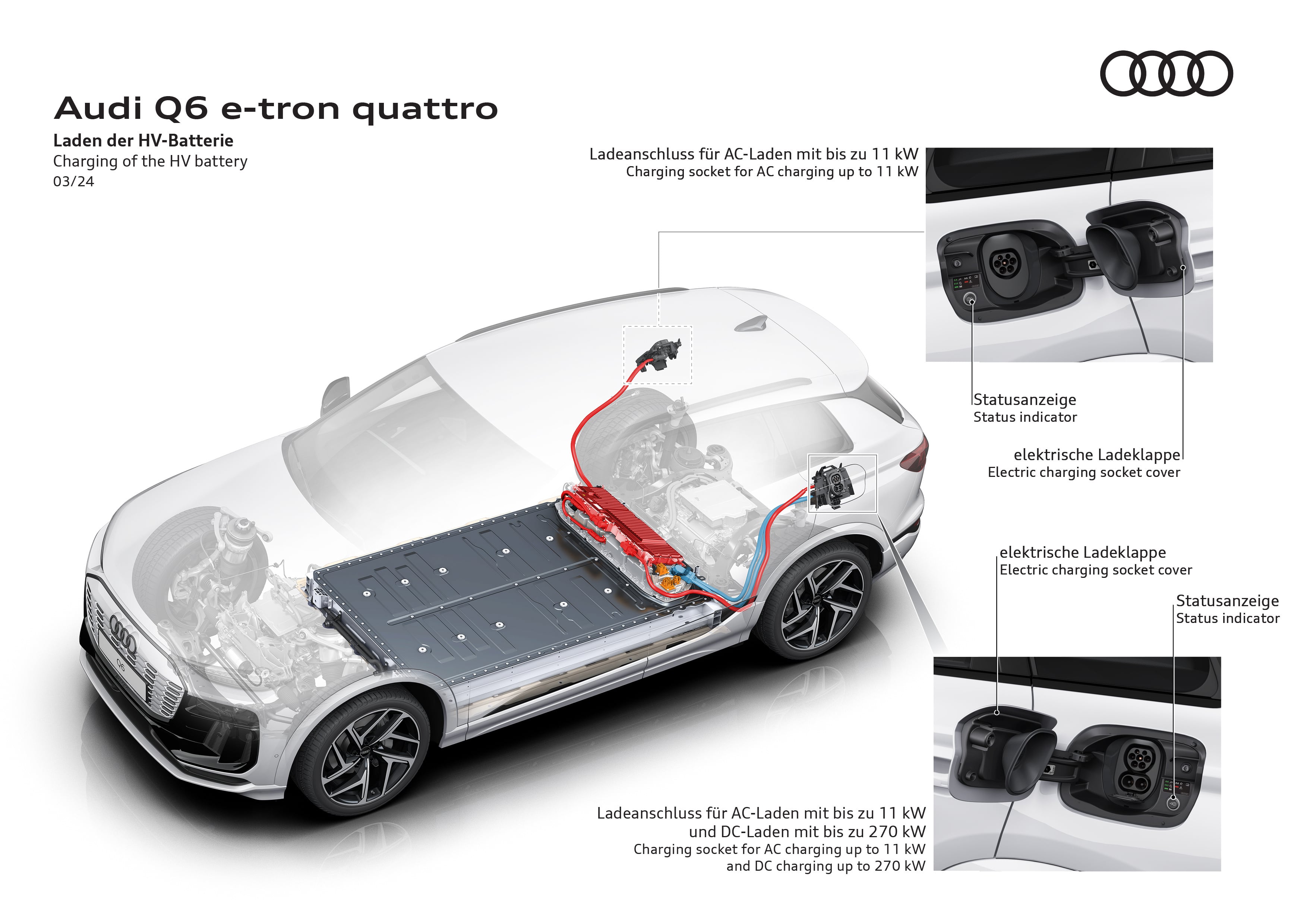
The Q6 e-tron is built on the 800-volt PPE platform. According to Audi data published on May 8, 2024, maximum DC charging power reaches 270 kW, and charging from 10% to 80% takes approximately 21 minutes with a suitable charger and optimal conditions.
High charging power shortens each stop, but it cannot recover the time lost through frequent charging breaks. PiataAuto calculated that, using a range of approximately 92% to 15% charge at around 200 km/h, a stop might be needed after roughly 130 km. This interval is also a calculation, not a guarantee.
Why top speed is not the same as average speed
Covering 130 km at a constant 200 km/h takes 39 minutes. Add 21 minutes for charging alone, and the average speed for the “driving plus charging stop” cycle falls to approximately 130 km/h—before allowing for leaving the autobahn, waiting for an available charger and accelerating back to speed.
How to plan a long EV journey
Do not use the maximum WLTP figure as an autobahn range forecast.
Check consumption at your usual speed—for example, 110, 120 or 130 km/h.
Keep a reserve for headwinds, rain, cold weather and detours around an unavailable charging station.
Plan stops within the fast-charging curve's efficient range rather than assuming you will charge to 100% every time.
Consider wheel size and tyres: they affect rolling resistance and aerodynamics.
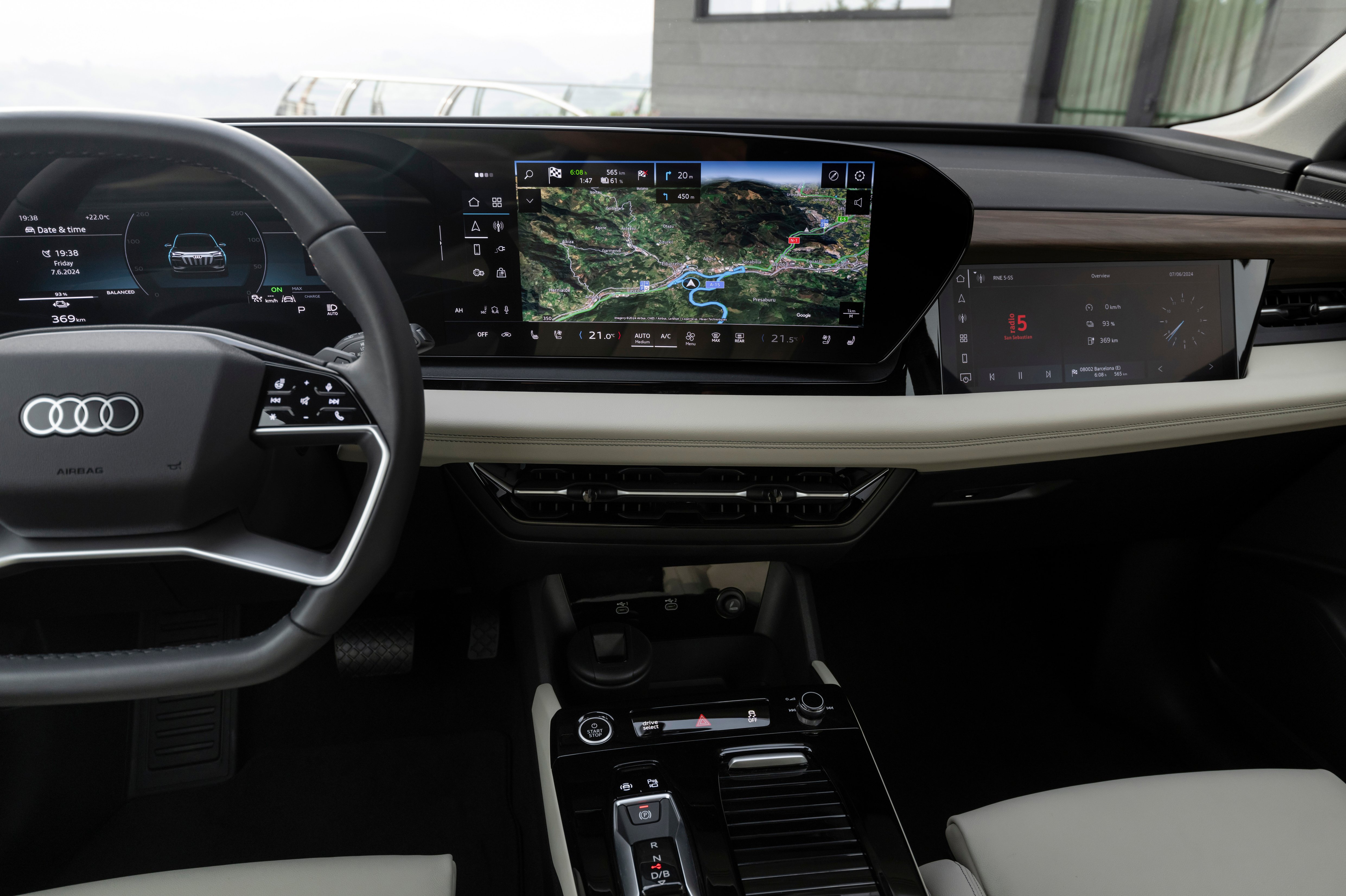
A test at 200 km/h represents an extreme scenario, not typical Q6 e-tron use. At normal motorway speeds, independent tests achieved considerably greater range. But the physics is the same for every EV: the faster a car cuts through the air, the fewer kilometres it gets from each kilowatt-hour.