 RU
RUGerman cars
 News
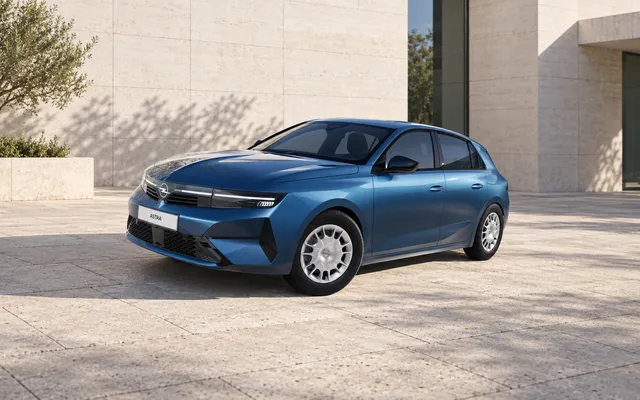
NewsOpel Astra Gets More Affordable: What the New Start Version Includes
 News
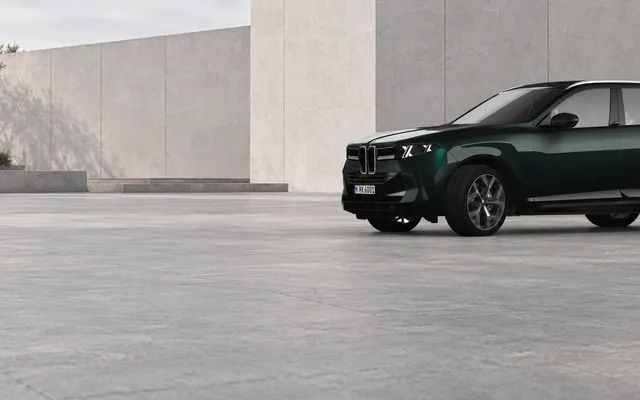
NewsBMW X5 50e, M60e and iX5: Key Differences, Range and Prices
 News
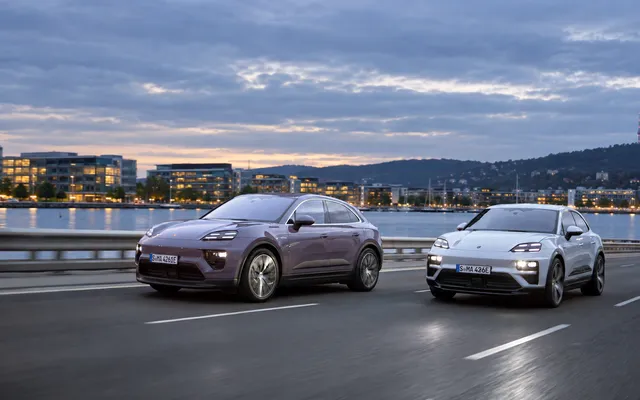
NewsPorsche Reshapes Its Lineup: What’s Next for Macan, 718 and a Sports Car Above the 911
 News
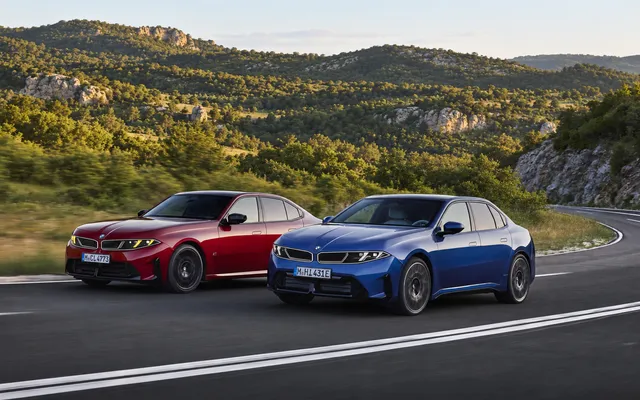
NewsOne Design, Two Architectures: How the New BMW 3 Series Differs from the i3
 News
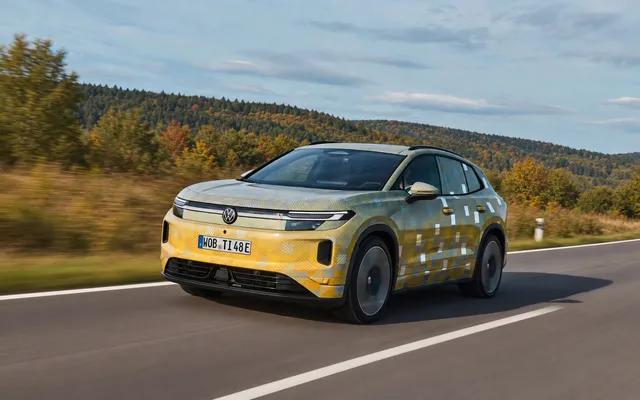
NewsVolkswagen ID. Tiguan Will Replace the ID.4 and ID.5: What We Know Before the Premiere
 News
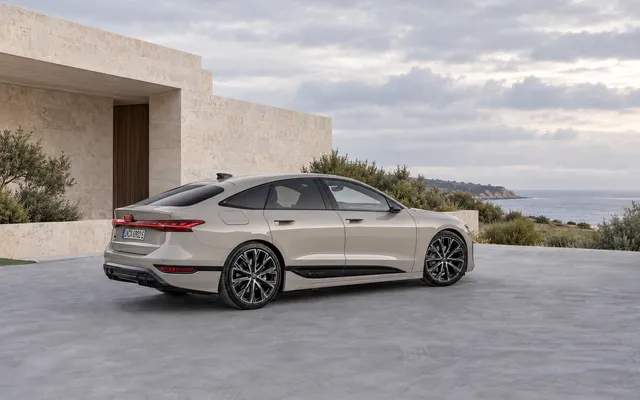
NewsAudi A6 e-tron travels 1,338 km without recharging: what the record means for everyday driving
 NewsВидео
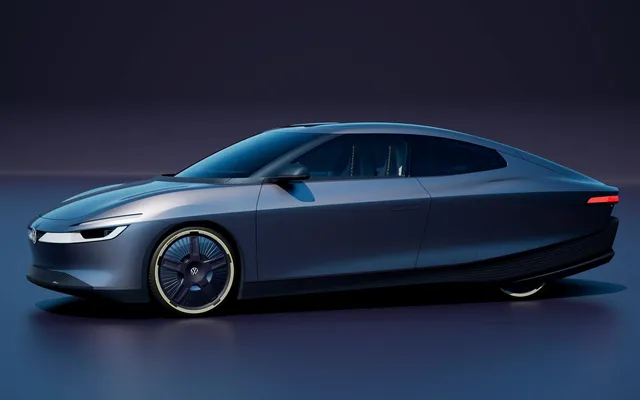
Volkswagen Mission Efficiency: What Lies Behind 1,278 km with One Charging Stop
 News
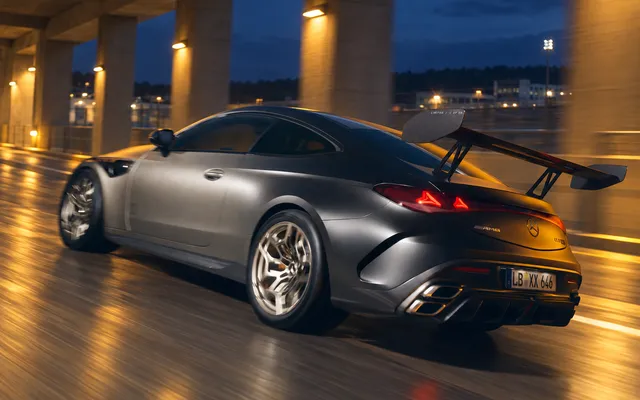
NewsMercedes-AMG CLE 646: What Changed with the Return of the V8
 News
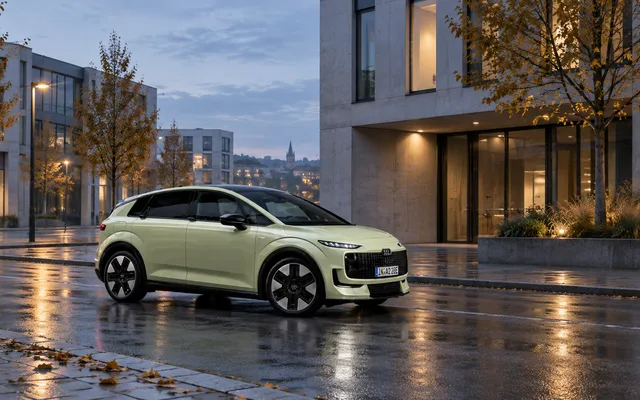
NewsAudi A2 e-tron: the most efficient Audi—but is it practical for everyday life?
 NewsВидео
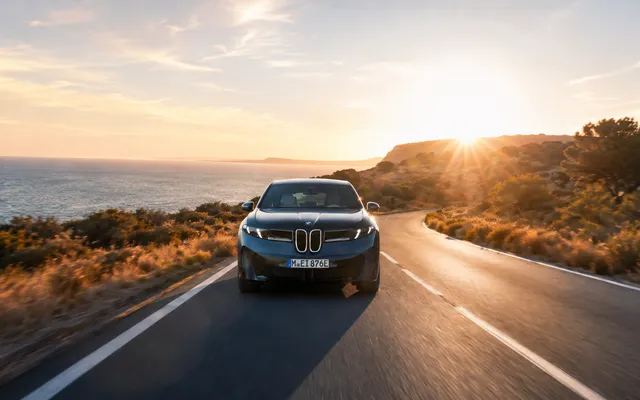
BMW iX3 Neue Klasse: What Has Changed and Who Should Wait for It
 News
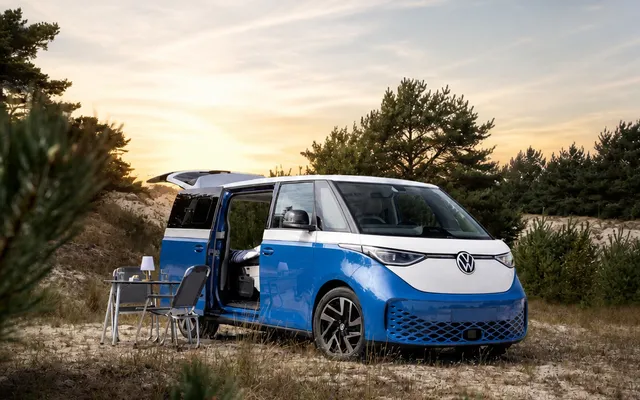
NewsThe First Electric Volkswagen California: What the ID. California Cruise Offers on the Road and at Camp
 News
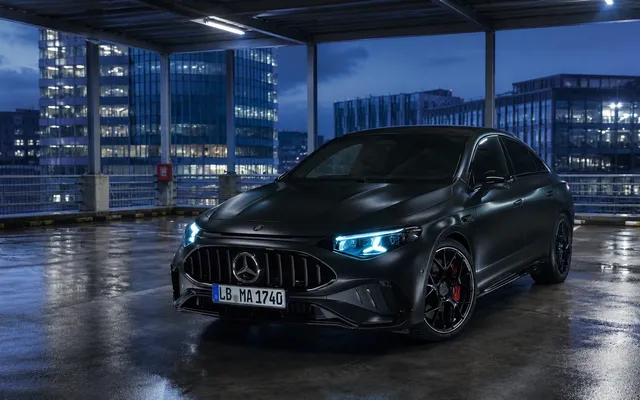
NewsMercedes-AMG CLA 45 Goes Electric: 680 hp, 94 kWh and Simulated Shifts
The "German cars" section is a structured look at vehicles for which precision, logic and build quality matter. There are no loud promises here — only proven solutions, the evolution of technologies and an understanding of why the German automotive industry remains a benchmark for the entire sector.
German cars traditionally prioritize a balance between dynamics, comfort and durability, as well as continuous technological development.
Popular brands and the philosophy of the German automotive industry
Classics adapted to the modern era
In this section you will find material about brands such as BMW, Mercedes-Benz, Audi, Volkswagen, Porsche and other manufacturers shaping the face of the European market.
We examine:
the evolution of design and platforms
the development of petrol, diesel, hybrid and electric powertrains
differences between models in terms of equipment level, handling and practicality
The German automotive industry maintains continuity in engineering solutions while adapting to new environmental and digitalization requirements.
Technology, safety and comfort
A rational approach to innovation
German manufacturers traditionally introduce technologies gradually, paying special attention to their reliability and real-world benefit. In the section's articles we analyze:
modern driver assistance systems
digital instrument panels and multimedia platforms
active and passive safety systems
suspension and chassis characteristics
Special attention is paid to how new technologies affect the everyday operation of the car.
German cars in the global market
Europe, the CIS and export markets
We also examine the positions of German cars in the markets of Europe, CIS countries and other regions. We analyze model popularity, the features of local versions, and how buyer preferences change amid growing competition and the shift to electric vehicles.
Conclusion
The "German cars" section is a structured look at vehicles for which precision, logic and build quality matter. There are no loud promises here — only proven solutions, the evolution of technologies and an understanding of why the German automotive industry remains a benchmark for the entire sector.


