 RU
RUGerman cars
 News
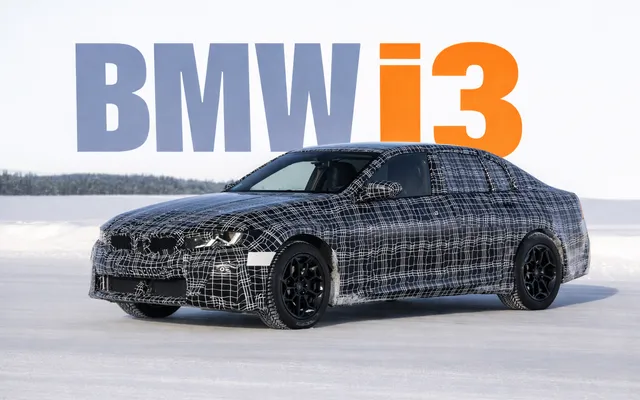
NewsNext-generation BMW i3 — the electric sedan opening a new chapter in BMW's history
 News
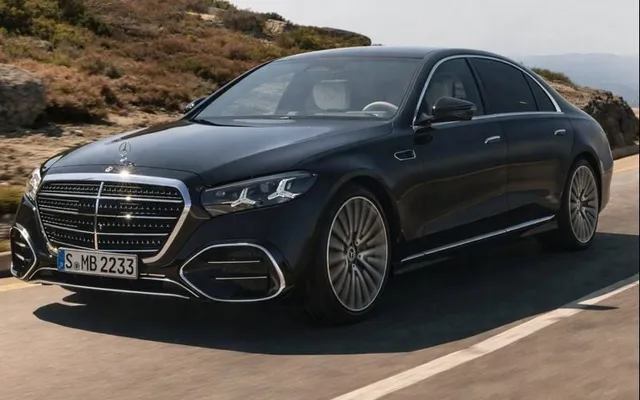
NewsMercedes-Benz S-Class 2026 — when luxury becomes technology
 News
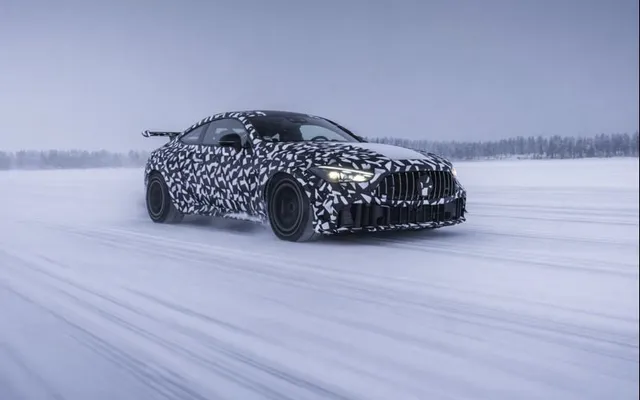
NewsMercedes Mythos: an AMG car you can't just buy
 News
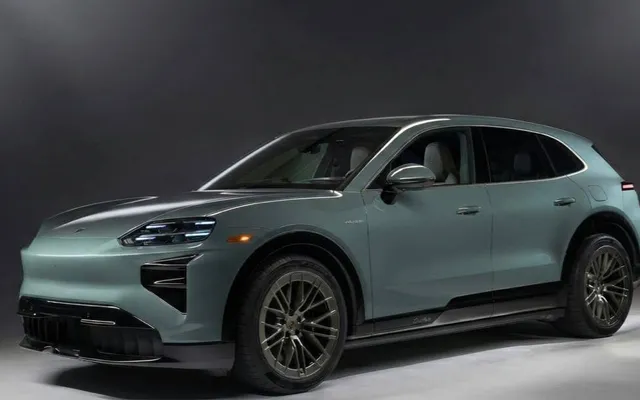
NewsPorsche Cayenne Electric 2026: electric next-generation SUV
 News
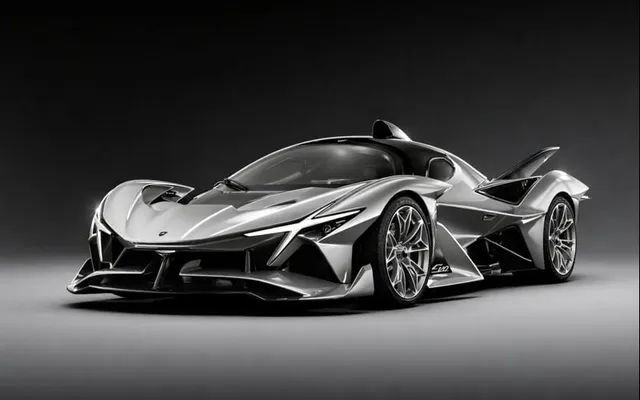
NewsApollo EVO 2026 — the new track hypercar with V12, limited to 10 units
 News
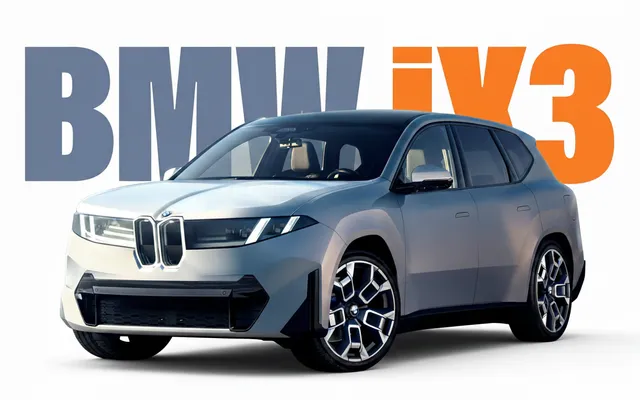
NewsBMW iX3 2026 — New Electric SUV on the Neue Klasse Platform
 News
NewsPorsche files patent for technology that changes car color to match owner’s clothing and surroundings
 News
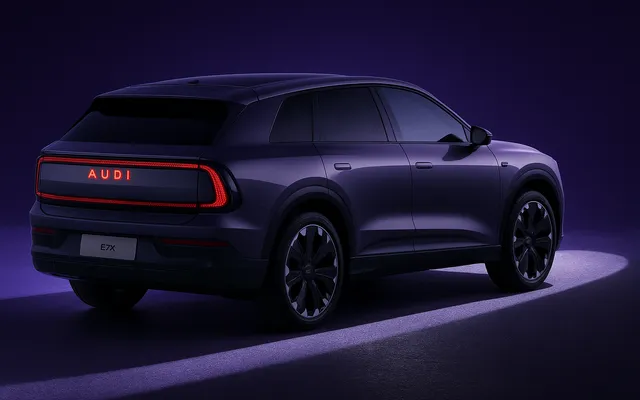
NewsNew Audi E7X: an electric crossover unlike traditional Audis
The "German cars" section is a structured look at vehicles for which precision, logic and build quality matter. There are no loud promises here — only proven solutions, the evolution of technologies and an understanding of why the German automotive industry remains a benchmark for the entire sector.
German cars traditionally prioritize a balance between dynamics, comfort and durability, as well as continuous technological development.
Popular brands and the philosophy of the German automotive industry
Classics adapted to the modern era
In this section you will find material about brands such as BMW, Mercedes-Benz, Audi, Volkswagen, Porsche and other manufacturers shaping the face of the European market.
We examine:
the evolution of design and platforms
the development of petrol, diesel, hybrid and electric powertrains
differences between models in terms of equipment level, handling and practicality
The German automotive industry maintains continuity in engineering solutions while adapting to new environmental and digitalization requirements.
Technology, safety and comfort
A rational approach to innovation
German manufacturers traditionally introduce technologies gradually, paying special attention to their reliability and real-world benefit. In the section's articles we analyze:
modern driver assistance systems
digital instrument panels and multimedia platforms
active and passive safety systems
suspension and chassis characteristics
Special attention is paid to how new technologies affect the everyday operation of the car.
German cars in the global market
Europe, the CIS and export markets
We also examine the positions of German cars in the markets of Europe, CIS countries and other regions. We analyze model popularity, the features of local versions, and how buyer preferences change amid growing competition and the shift to electric vehicles.
Conclusion
The "German cars" section is a structured look at vehicles for which precision, logic and build quality matter. There are no loud promises here — only proven solutions, the evolution of technologies and an understanding of why the German automotive industry remains a benchmark for the entire sector.


