 RU
RUGerman cars
 News
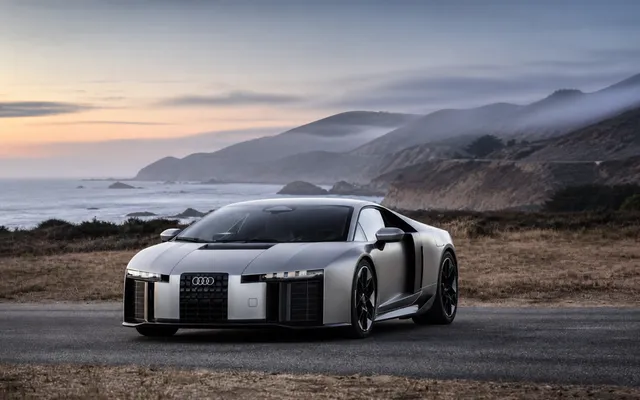
NewsAudi Nuvolari: Why the 1,001-PS Hybrid Supercar Matters
 News
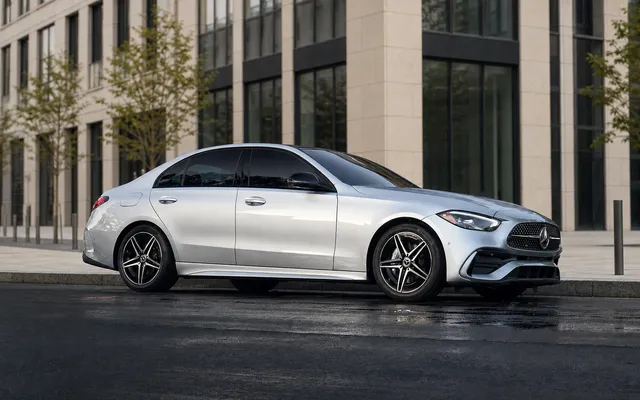
News2027 Mercedes-Benz C-Class: Diesel Stays, and the Update Goes Beyond the Headlights
 News
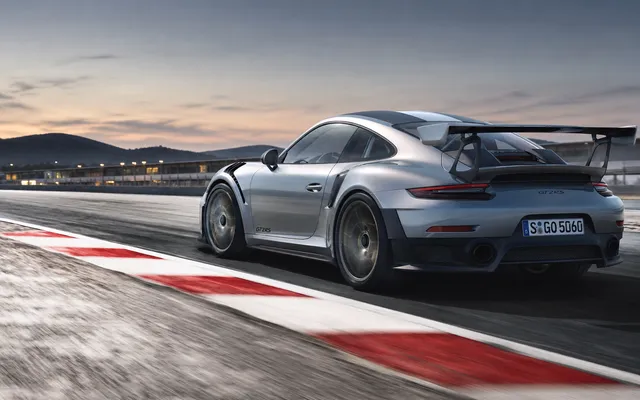
NewsPorsche 911 GT2 Flachbau RS: How Sonderwunsch Differs from the Production 911
 News
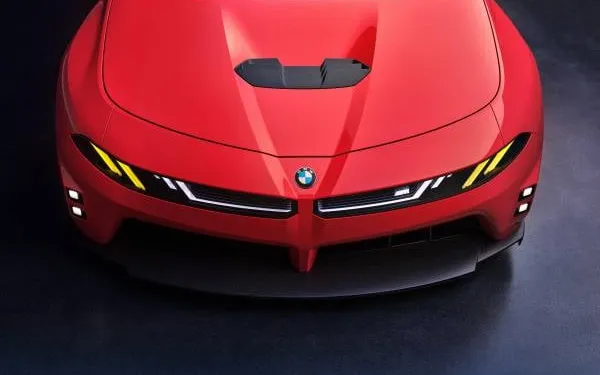
NewsElectric and Petrol BMW M3: Why BMW Is Keeping Both Powertrains
 News
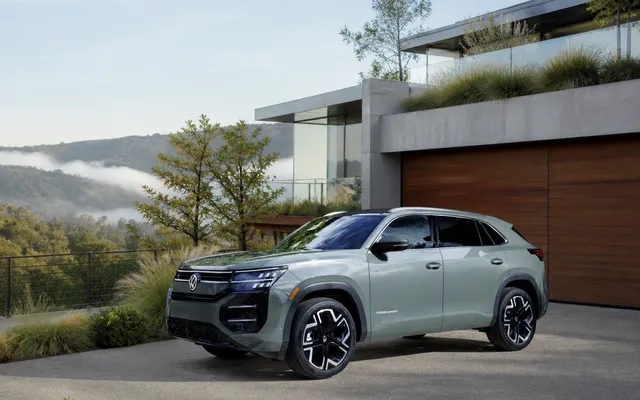
NewsNew Volkswagen Atlas Cross Sport: What Changes in the Second Generation
 News
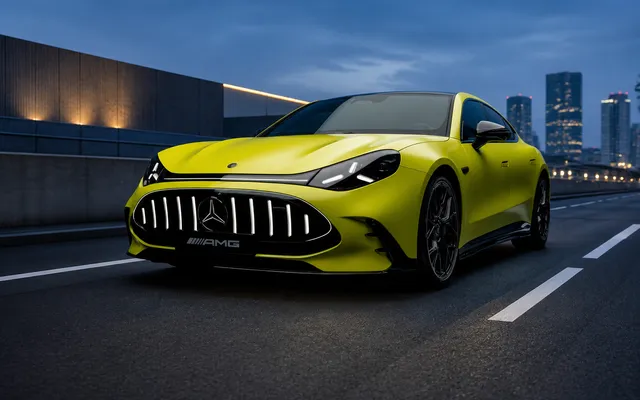
NewsMercedes-AMG GT 53 4-Door EV: Why Does an EV Need Inline-Six Sound?
 News
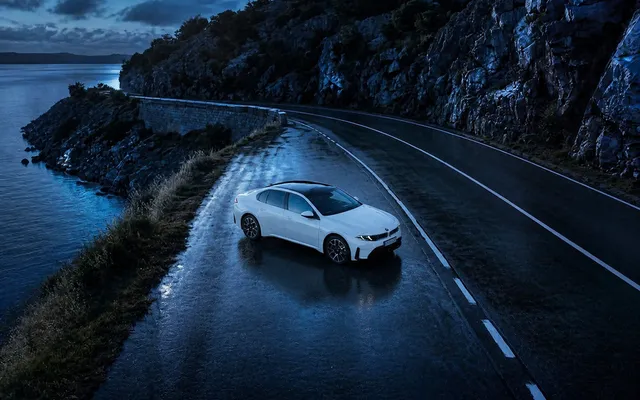
NewsNew BMW i3 Enters Production: What We Know About the Neue Klasse Electric Sedan Before Sales Begin
 News
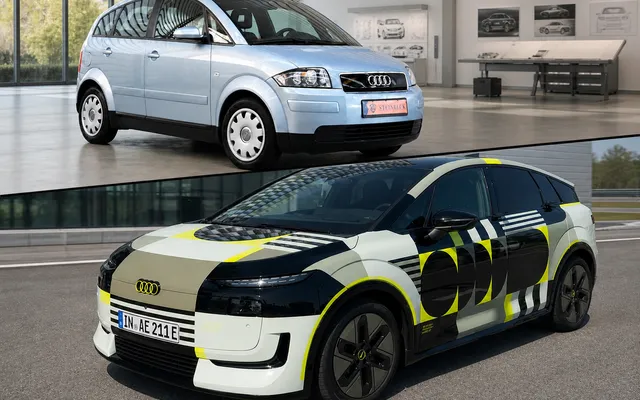
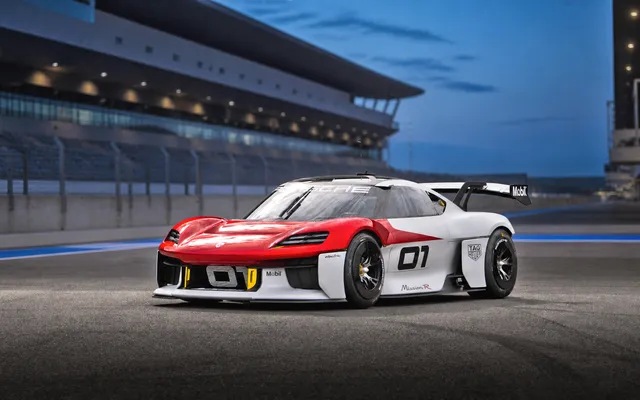
NewsAudi A2 e-tron: What Has Been Revealed About Audi’s New Compact EV
 News
NewsPorsche 718 EV Project Still on Track: What We Know After the CEO’s Statement
 News
NewsSmart #2 Brings Back the Fortwo Format: What Has Changed in the New Electric Two-Seater
 News
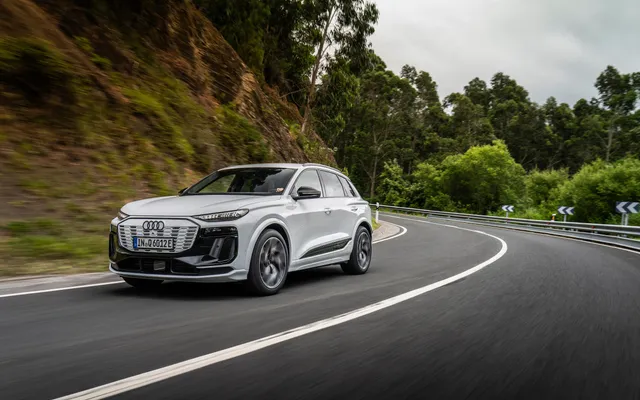
NewsAudi Q6 e-tron at 200 km/h: Why the Estimated Range Fell to 168 km
 News
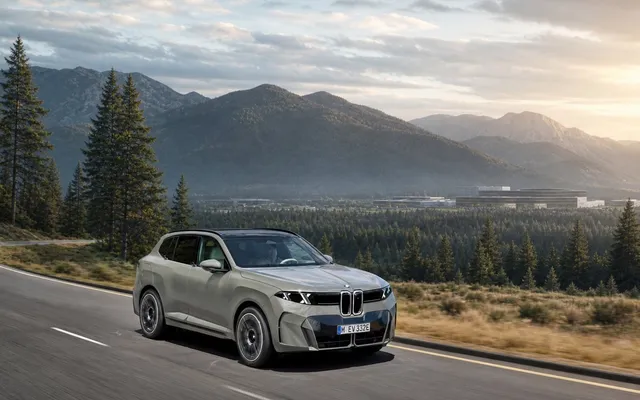
NewsBMW iX5: When Does a 2.9-Tonne Electric SUV Offset Its Battery Carbon Footprint?
The "German cars" section is a structured look at vehicles for which precision, logic and build quality matter. There are no loud promises here — only proven solutions, the evolution of technologies and an understanding of why the German automotive industry remains a benchmark for the entire sector.
German cars traditionally prioritize a balance between dynamics, comfort and durability, as well as continuous technological development.
Popular brands and the philosophy of the German automotive industry
Classics adapted to the modern era
In this section you will find material about brands such as BMW, Mercedes-Benz, Audi, Volkswagen, Porsche and other manufacturers shaping the face of the European market.
We examine:
the evolution of design and platforms
the development of petrol, diesel, hybrid and electric powertrains
differences between models in terms of equipment level, handling and practicality
The German automotive industry maintains continuity in engineering solutions while adapting to new environmental and digitalization requirements.
Technology, safety and comfort
A rational approach to innovation
German manufacturers traditionally introduce technologies gradually, paying special attention to their reliability and real-world benefit. In the section's articles we analyze:
modern driver assistance systems
digital instrument panels and multimedia platforms
active and passive safety systems
suspension and chassis characteristics
Special attention is paid to how new technologies affect the everyday operation of the car.
German cars in the global market
Europe, the CIS and export markets
We also examine the positions of German cars in the markets of Europe, CIS countries and other regions. We analyze model popularity, the features of local versions, and how buyer preferences change amid growing competition and the shift to electric vehicles.
Conclusion
The "German cars" section is a structured look at vehicles for which precision, logic and build quality matter. There are no loud promises here — only proven solutions, the evolution of technologies and an understanding of why the German automotive industry remains a benchmark for the entire sector.


