 EN
EN
Frequently asked questions
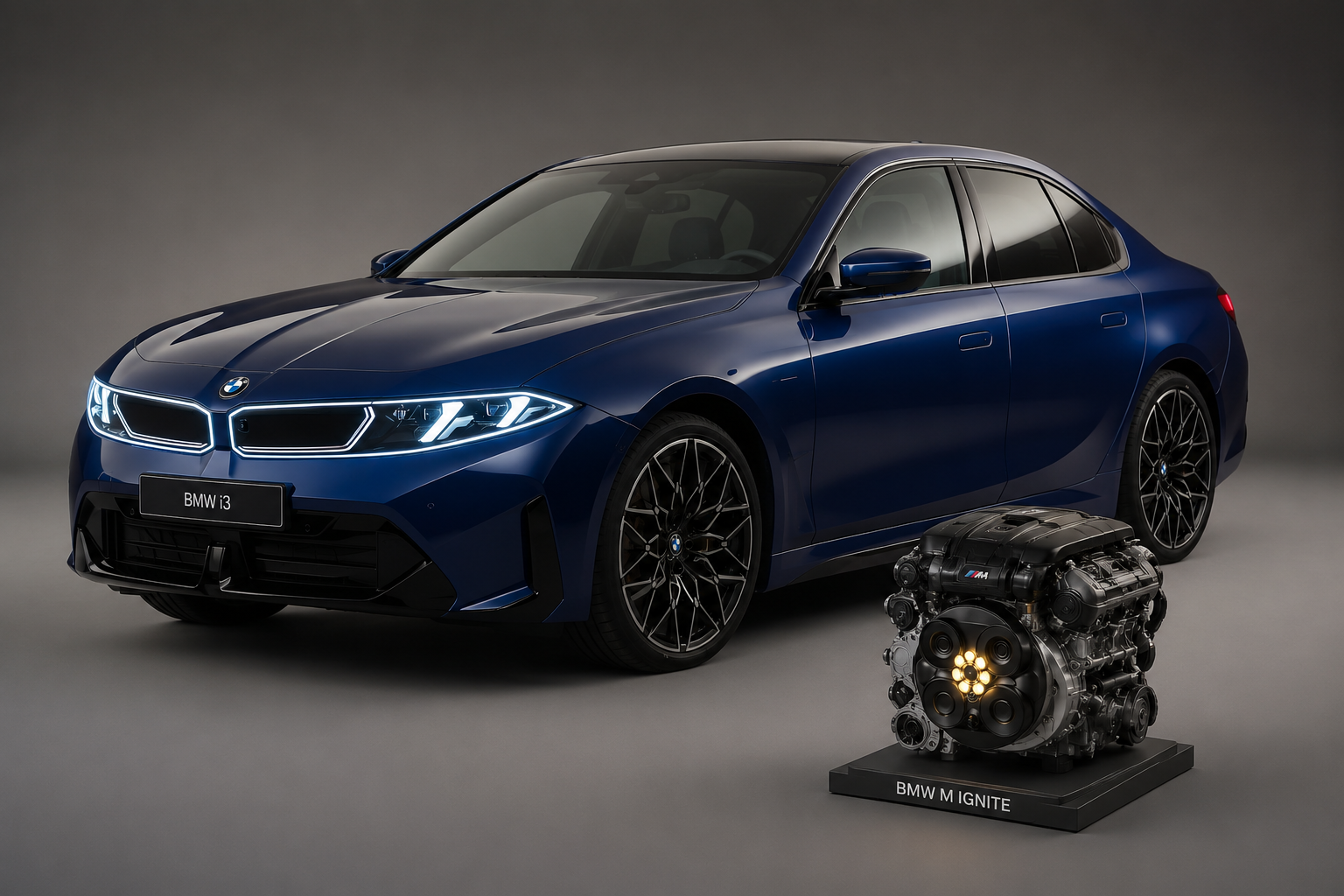
BMW M Ignite is a pre-chamber ignition system developed for BMW M inline six-cylinder engines, primarily the S58. It uses a primary spark plug, an auxiliary spark plug in a pre-chamber and a separate ignition coil for each cylinder.
The system is intended to improve combustion efficiency under high load, reduce fuel consumption and exhaust gas temperatures, lower the risk of knock and preserve power. BMW also states that the engine sound at high revs will become richer and more aggressive.
The article states that BMW has confirmed M Ignite for the BMW M3, the BMW M4 from July 2026 and the BMW M2 from August 2026. It also states that power will remain at the level of the current models.
There are very few things left in the automotive world that genuinely excite enthusiasts. One of them certainly exists — the sound and character of BMW's inline six-cylinder engine.
For many brand fans, these engines have become a symbol of BMW M: powerful, lively, emotional and incredibly torquey. That is why news that BMW is developing a new technology to preserve the legendary "sixes" has generated enormous interest among the brand's fans around the world.
The new system is called BMW M Ignite, and this is not just another marketing term. It is a serious engineering development intended to help preserve iconic BMW M gasoline engines even in the era of strict Euro 7 environmental standards.
What is BMW M Ignite?
BMW M Ignite is a new pre-chamber ignition system for BMW M inline six-cylinder engines. The technology is primarily designed for the famous S58 engine, which is used in:
BMW M2;
BMW M3;
BMW M4.
The main goal of the technology is to reduce fuel consumption and increase engine efficiency under high load without sacrificing power and character.
That is what makes this innovation particularly important. BMW is not trying to replace its legendary engines with small hybrid units. On the contrary — engineers are seeking ways to retain traditional six-cylinder engines under new environmental requirements.
How does the new system work?
Technically speaking, M Ignite is a pre-chamber mixture ignition system.
Two spark plugs per cylinder
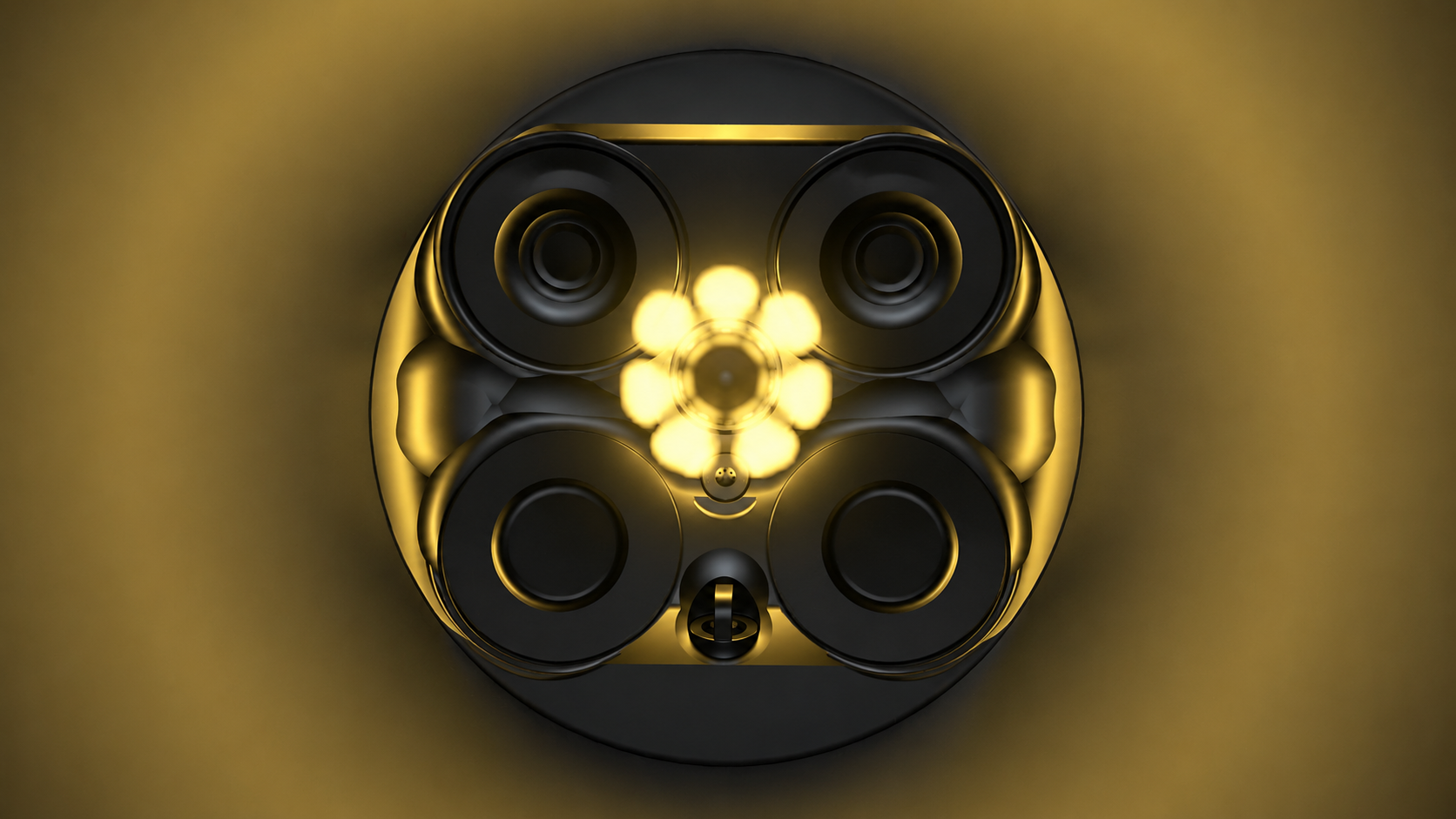
The main distinction of the new technology is the presence of an additional pre-chamber inside the cylinder head. This chamber connects to the main combustion chamber via special channels.
Each cylinder receives:
a primary spark plug;
an auxiliary spark plug in the pre-chamber;
a separate ignition coil.
At low and medium RPM the engine operates almost like a conventional unit. But under high loads the system begins to actively use the pre-chamber.
A portion of the fuel-air mixture enters the pre-chamber, ignites, and then special "jets of flame" erupt into the main combustion chamber at nearly the speed of sound, igniting the mixture in multiple locations simultaneously.
Why is this important?
This arrangement provides several advantages at once:
faster fuel combustion;
lower exhaust gas temperatures;
reduced risk of knock;
improved engine efficiency;
reduced fuel consumption under load.
And all this — without reducing power.
BMW is trying to preserve M DNA
Recent years have dramatically changed the sports car market.
Many manufacturers have reduced engine displacement, switched to four-cylinder hybrids and sacrificed vehicle character for the sake of emissions. Some fans believe that part of modern sports cars has already lost its soul.
BMW M clearly does not want to follow that path.
Frank van Meel, head of BMW M, has previously said that the company intends to keep inline sixes and V8s even after Euro 7 comes into effect.
And the M Ignite technology demonstrates exactly how BMW plans to achieve that.
Why has Euro 7 become such a problem?
Many think the new environmental rules simply demand "lower emissions." In reality it is much more complex.
The Euro 7 standard requires:
stricter control of emissions in real driving conditions;
stable engine environmental performance over many years;
reduction of harmful emissions even under high load.
For powerful sports engines this is a huge challenge.
Previously, under extreme loads manufacturers could use additional fuel for engine cooling. But with Euro 7 such an approach becomes significantly more difficult. That is why BMW had to look for new ways to cool and improve combustion efficiency.
What will change in the BMW M2, M3 and M4?
BMW has already officially confirmed that M Ignite will appear:
on the BMW M3;
on the BMW M4 — from July 2026;
on the BMW M2 — from August 2026.
Power will remain the same
The most interesting point for fans is that BMW states the power of the new versions will remain at the level of the current models.
This is a very important point.
The company is not trying to "strangle" the engine for the sake of ecology. On the contrary — engineers want to preserve the S58 character with almost no compromises.
The sound will become even more aggressive
One of the most unexpected details is that BMW claims the engine sound will not deteriorate.
Moreover, thanks to the two ignition systems, the sound at high revs will become even richer and more aggressive.
This is especially important for BMW M fans. After all, the sound of an inline six is a huge part of the car's emotional appeal.
Why this technology really matters?
M Ignite is not just an engine update.
In fact BMW is showing the industry that traditional gasoline sports engines can still be preserved even in an era of strict environmental limits.
What is particularly interesting is that the technology came from motorsport. BMW explicitly states that M Ignite is an example of transferring racing technology into production cars.
For brand fans this sounds almost like good news from the past:
genuine engineering solutions instead of simply reducing engine displacement.
BMW continues to bet on emotion
Today the automotive market is becoming more and more uniform:
electrification;
small-displacement turbo engines;
digital systems;
artificial sound.
Against this background BMW M is trying to preserve what made the brand cult:
inline six-cylinder engines;
character;
mechanical emotions;
the feeling of a living car.
That is why interest in BMW M's new technologies is so high today.
For many brand fans this is no longer just a question of power or fuel consumption. It is a question of preserving the very philosophy of BMW M.
By the way, if you are interested in news, technology and the history of German cars, check the German cars section, where articles about BMW, Mercedes-Benz, Audi and other German brands are regularly published.
Conclusion
BMW M Ignite is one of BMW's most interesting developments in recent years.
The company did not abandon its legendary inline "sixes"; on the contrary — it found a way to make them more modern, economical and environmentally friendly without losing their character.
The new technology shows that even in the Euro 7 era, sporty gasoline engines can still live, evolve and deliver emotion.
And for BMW M fans that is probably the most important thing.