 EN
EN

Frequently asked questions
Milan Nedeljković takes over from Oliver Zipse on May 14, 2026. His contract is set to run until 2031.
Nedeljković joined BMW in 1993 as a trainee, later led production and served on the Board of Management from 2019. He is described as an internal BMW veteran rather than an external appointment.
The article says BMW intends to continue a multi-powertrain strategy involving combustion engines, plug-in hybrids, battery-electric vehicles and, expected from 2028, hydrogen technology.
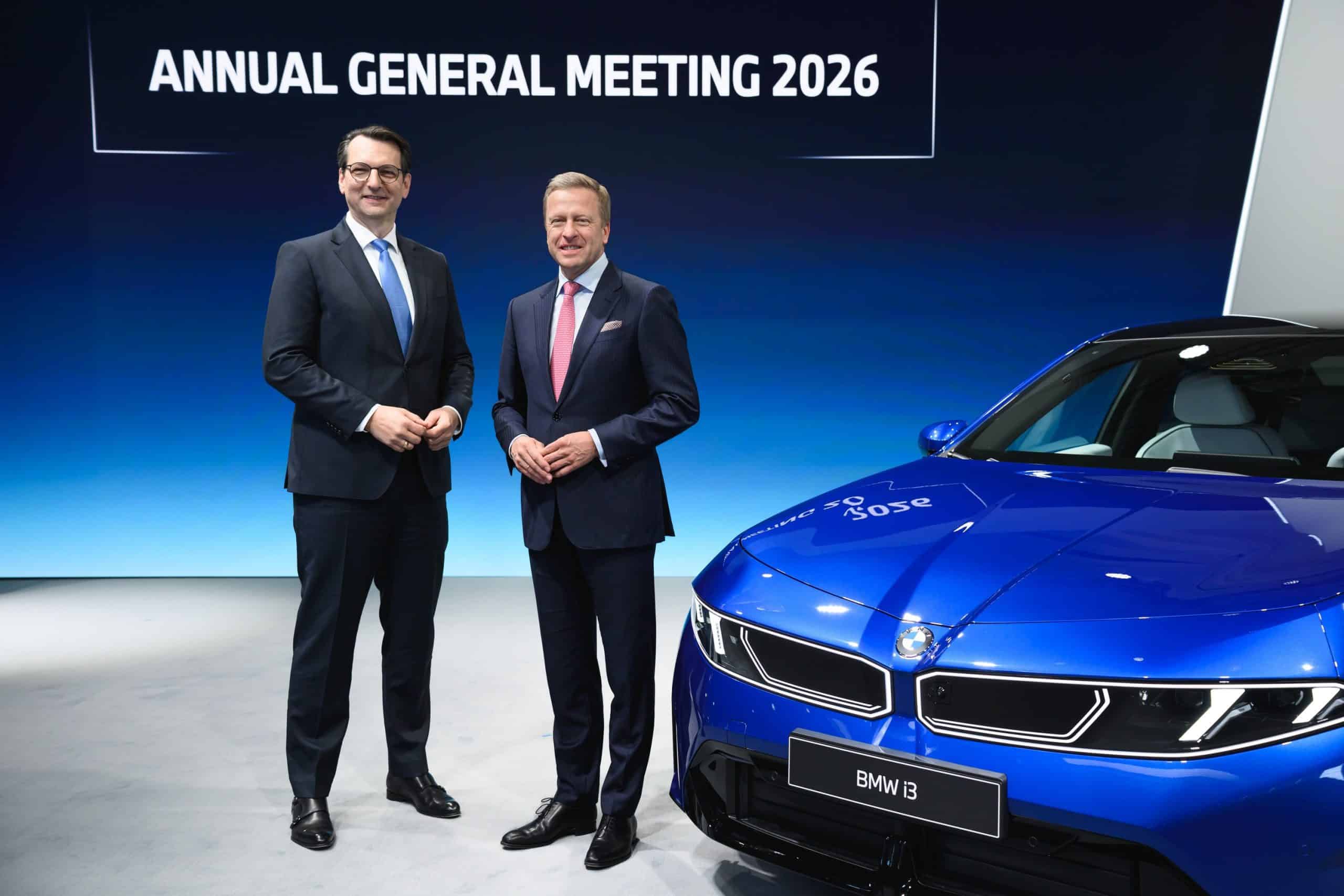
BMW Group has officially entered a new leadership era. At the 106th Annual General Meeting of BMW AG in Munich, Oliver Zipse handed over the chairmanship of the Board of Management to Milan Nedeljković. Zipse leaves the role after 35 years with BMW Group, including almost seven years as the company’s top executive. Nedeljković takes over on May 14, 2026, with a contract running until 2031.
The transition is more than a symbolic change at the top. It comes at a decisive moment for BMW, as the company prepares to roll out its Neue Klasse technology platform, expand its electric lineup, and continue its multi-powertrain strategy across combustion engines, plug-in hybrids, battery-electric vehicles and, eventually, hydrogen.
Oliver Zipse Leaves After 35 Years at BMW
Oliver Zipse joined BMW Group in the early 1990s and became Chairman of the Board of Management in August 2019. His tenure covered one of the most difficult periods in modern automotive history: the COVID-19 pandemic, semiconductor shortages, supply-chain disruption, increasing pressure from China, and the accelerated shift toward electrification.
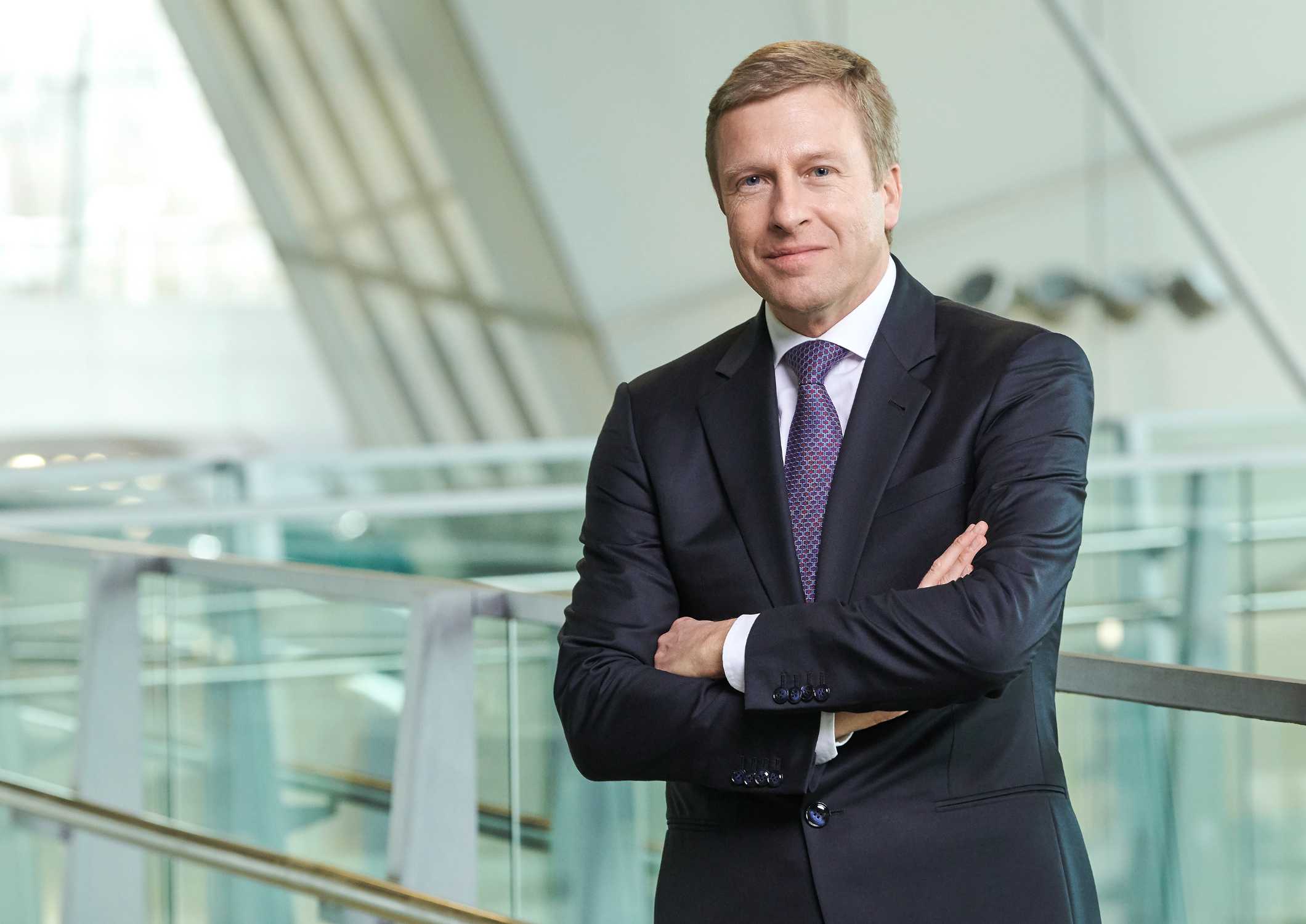
BMW’s Supervisory Board credited Zipse with guiding the company through these challenges while keeping BMW financially stable and strategically independent. His name will also remain closely connected to Neue Klasse, the company’s most important technology and product program for the coming years.
Who Is Milan Nedeljković?
Milan Nedeljković is not an outsider brought in to radically change BMW’s direction. He is a BMW veteran who joined the company in 1993 as a trainee and built his career inside the group. Before becoming CEO, he served as BMW’s head of production and had been a member of the Board of Management since 2019.
His background is especially important because BMW is entering a phase where production flexibility will be just as critical as design, branding or software. The company needs to manufacture combustion models, plug-in hybrids and electric vehicles in parallel, while also scaling Neue Klasse technologies across multiple segments and markets.
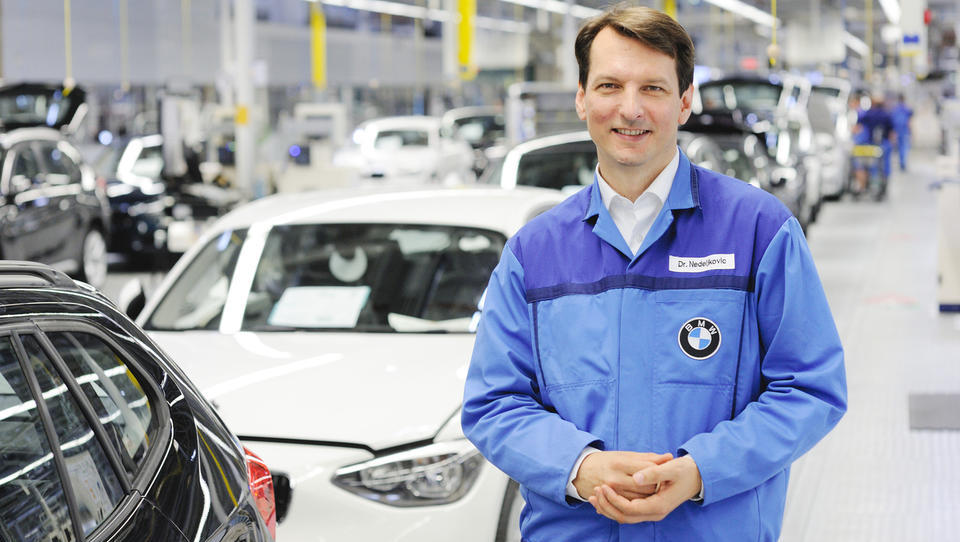
In other words, BMW is giving the keys to the future to someone who deeply understands how the company builds cars.
Why This Change Matters
Nedeljković takes over as BMW prepares one of the largest product offensives in its history. The company says it will launch around 40 new or updated models by the end of 2027, with Neue Klasse technologies spreading across future BMW vehicles — not only electric cars, but also models with other powertrains.
Neue Klasse is not just a new EV architecture. It represents a broader technological reset: new battery systems, 800-volt technology, a new electronic architecture, software upgrades, a new user interface and BMW Panoramic iDrive.
BMW has already put major performance claims behind this strategy. According to Zipse’s AGM statement, the new BMW iX3 reaches up to 805 km of WLTP range. In a demonstration drive from BMW’s Debrecen plant to Munich, the car reportedly covered 1,007 km without recharging and arrived with 2% battery remaining.
The next major model will be the new BMW i3. BMW says series production is planned to start in August, with a projected WLTP range of up to 900 km and the ability to add up to 400 km of range in 10 minutes of charging, thanks to sixth-generation electric drive technology and an 800-volt system.
BMW Is Not Going Electric-Only
One of Zipse’s most important strategic positions was BMW’s technology-open approach. Unlike some competitors, BMW has avoided betting exclusively on battery-electric vehicles. Instead, the company continues to develop combustion engines, diesels, plug-in hybrids, EVs and hydrogen technology.
That strategy appears likely to continue under Nedeljković. BMW has confirmed that it will have 20 fully electric models across its brands by the end of the year. At the same time, plug-in hybrids remain part of the strategy, and hydrogen is expected to join the lineup in 2028. BMW also says the next-generation X5 will be offered with five different drive variants.
This matters because the global market is not moving at one speed. Europe, China, the United States and emerging markets are adopting electrification at different rates. BMW’s bet is that flexibility will protect the brand better than a single-powertrain strategy.
The Challenges Ahead
Nedeljković inherits a strong company, but not an easy market. Reuters reported that BMW faces pressure from U.S. tariffs, intense competition from Chinese manufacturers and the difficult transition toward new electric platforms.
China is one of the biggest challenges. Local EV brands are moving fast, pricing aggressively and competing heavily on software, range and digital experience. For BMW, Neue Klasse is not just a European product program — it is a global response to a market where premium brands can no longer rely only on badge power.
At the same time, BMW remains financially solid. In 2025, BMW Group sold 2.46 million passenger vehicles and more than 202,500 motorcycles. The company reported €133.5 billion in revenue and €10.2 billion in profit before tax.
A Controlled Transition, Not a Crisis Move
This leadership change looks carefully planned. BMW announced the succession in advance, Zipse is leaving as scheduled after the 2026 AGM, and Nedeljković comes from inside the company.
That continuity matters. BMW is not trying to reinvent itself overnight. It is trying to execute a complicated transition while protecting the qualities that made the brand successful: performance, engineering discipline, premium positioning and driving identity.
Conclusion
Oliver Zipse leaves BMW after 35 years with the company and hands over a brand that remains profitable, independent and technologically ambitious. His legacy will be tied to the Neue Klasse program and BMW’s refusal to follow a one-size-fits-all electrification strategy.
Milan Nedeljković now has to turn that strategy into reality. His task is clear: scale Neue Klasse, defend BMW’s position in China and Europe, keep production flexible, and prove that the brand can remain desirable in an era defined by software, batteries and new competitors.
BMW is not just changing its CEO. It is entering the most important execution phase of its modern transformation.