
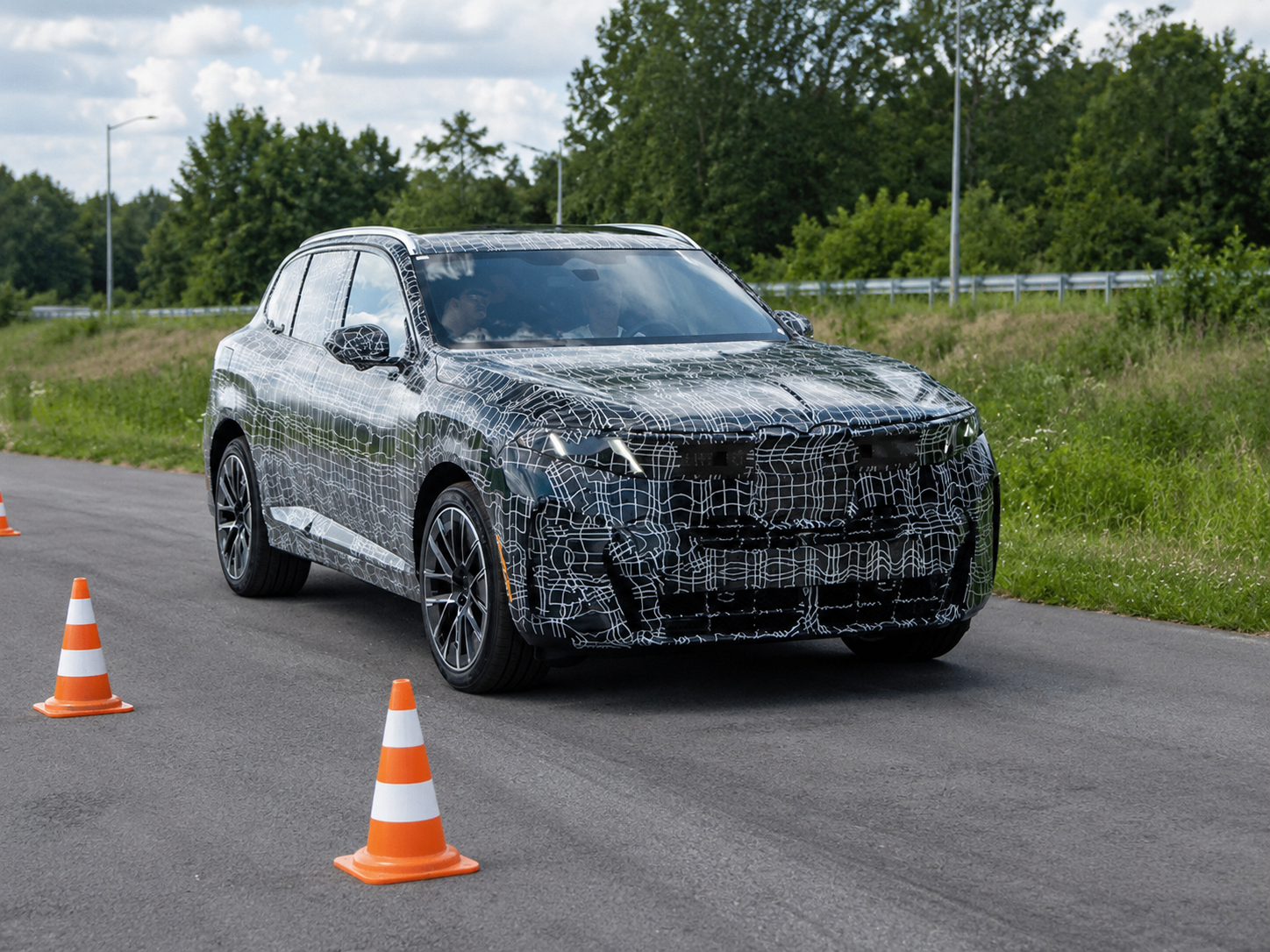
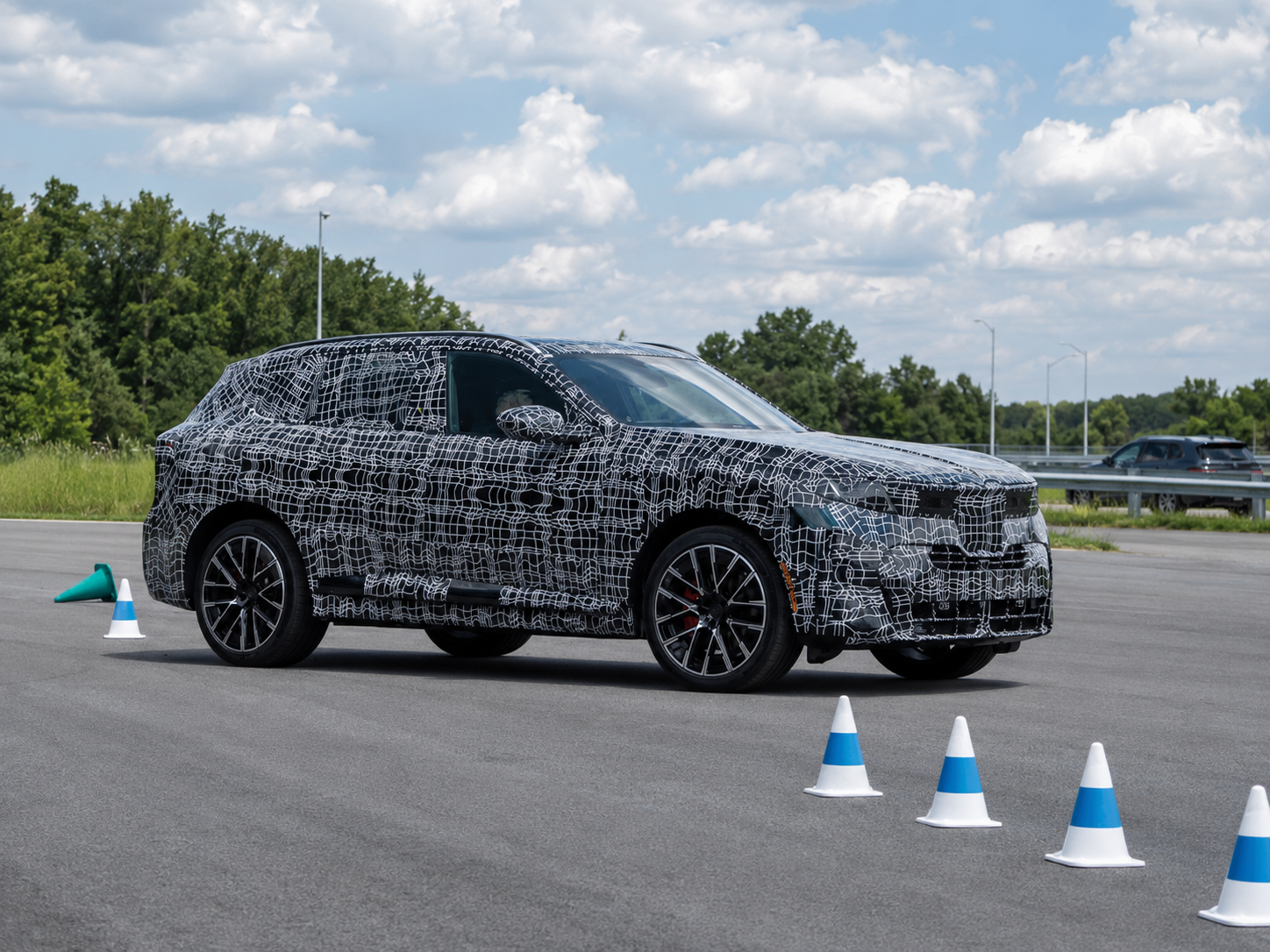
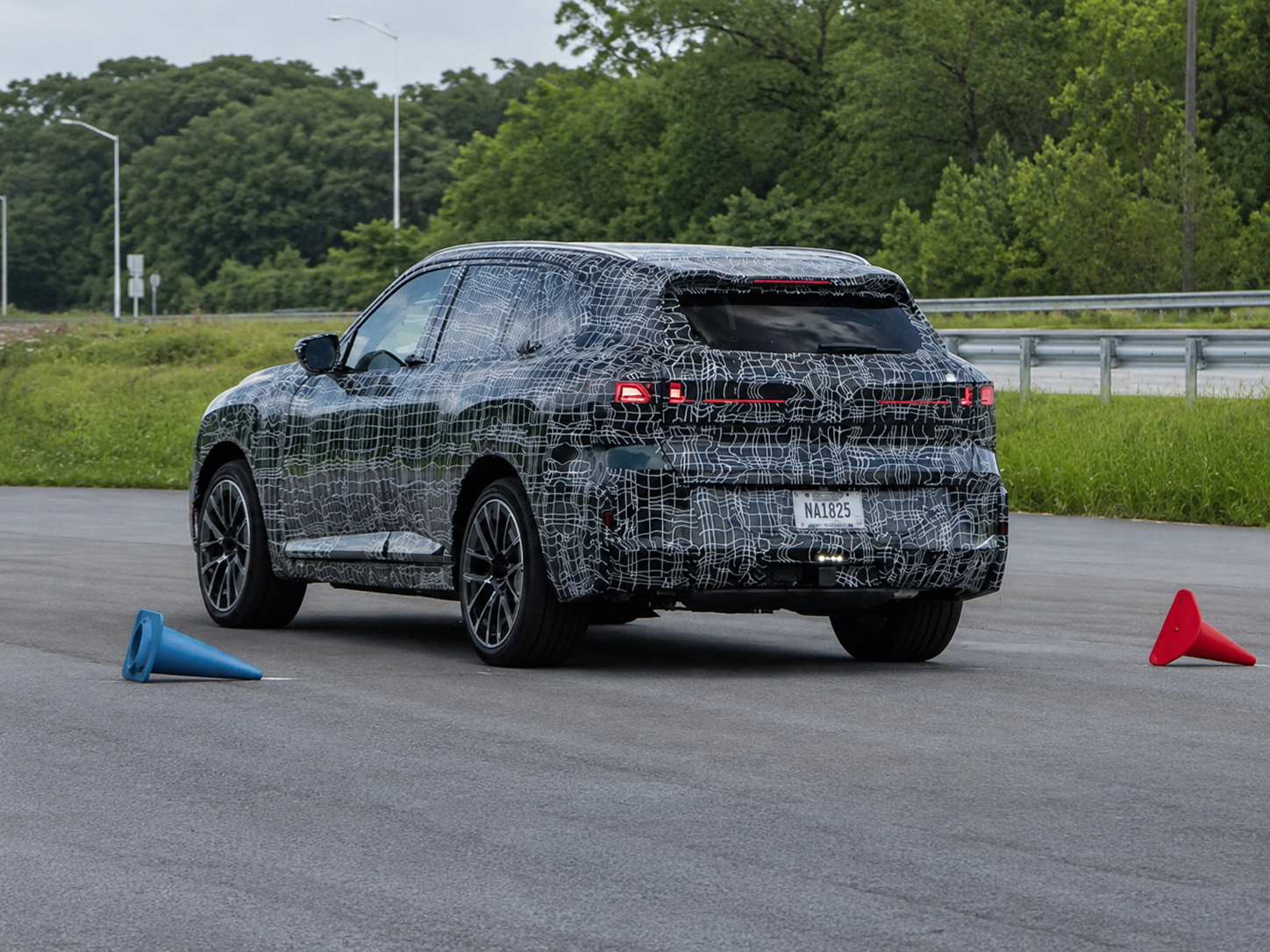
BMW has confirmed important details about the new fifth-generation X5 in an official BMW Group press release. The model is already undergoing final testing near BMW Group Plant Spartanburg in the United States, where the X5 has traditionally been produced for the global market.
The big news is not just the generational change. The new BMW X5 will be the first BMW production model offered right from the start with five powertrain types: gasoline, diesel, plug-in hybrid, fully electric and hydrogen.
The new X5 will not be electric only
BMW has chosen a flexible strategy for the X5. The company is not switching the model entirely to electric power, but keeping different options for different markets and use cases.
The lineup will include:
gasoline versions with a 48-volt mild hybrid system;
diesel versions with a 48-volt mild hybrid system;
plug-in hybrid versions;
the fully electric BMW iX5;
the hydrogen-powered BMW iX5 Hydrogen.
This approach is especially important for the X5. It is a large SUV sold in many regions. In some countries, demand for EVs is growing quickly. In others, diesel, long range, fast refueling and familiar infrastructure still matter.
Which versions has BMW confirmed?
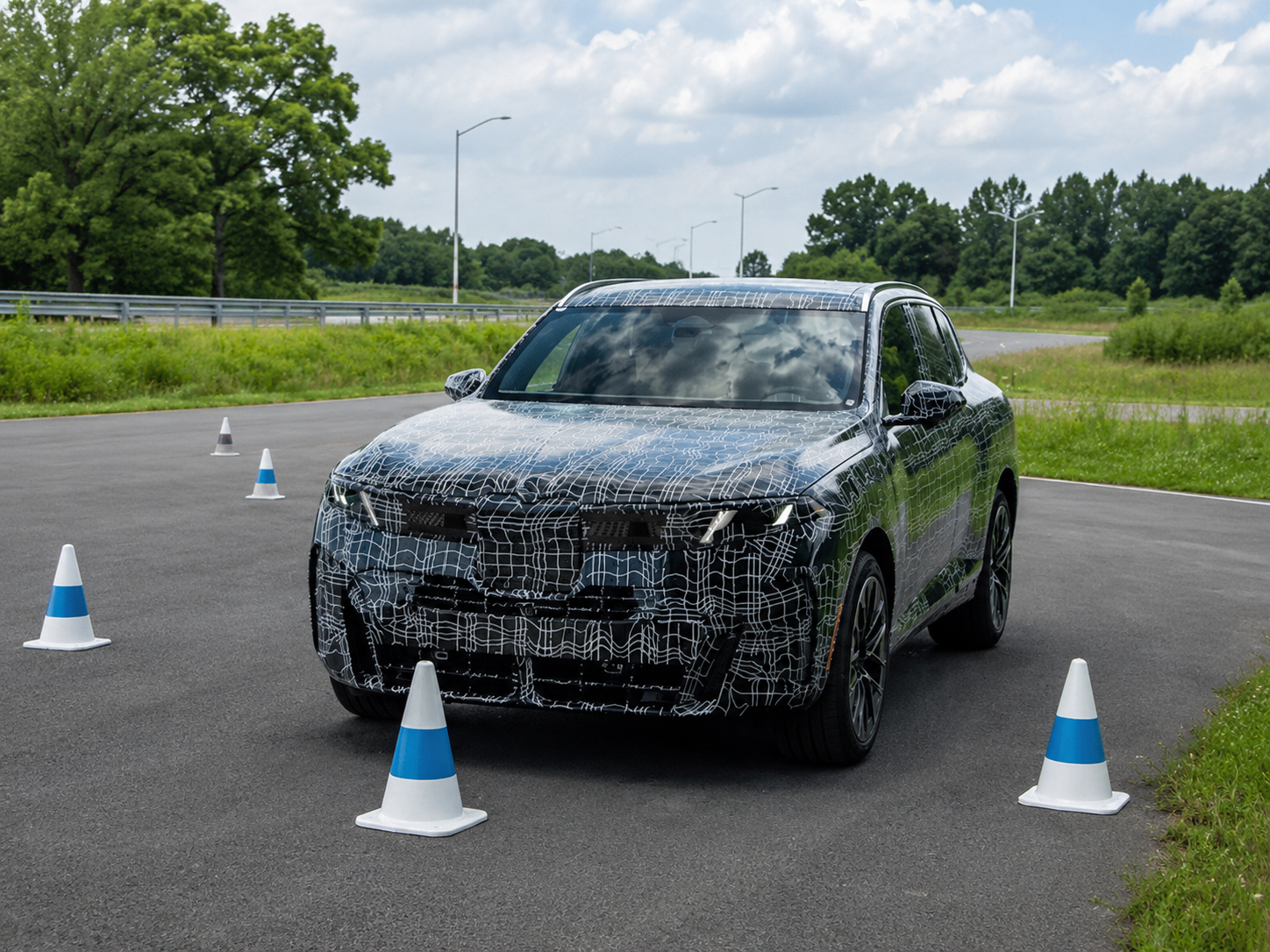
During the final tests, BMW showed journalists three prototypes: the BMW X5 40 xDrive, BMW X5 50e xDrive and BMW iX5 60 xDrive.
All published specifications are still preliminary, because these are development vehicles.
Version | Powertrain type | Preliminary output | What is known |
|---|---|---|---|
BMW X5 40 xDrive | gasoline + 48V mild hybrid | 400 hp | 3.0-liter inline six-cylinder engine |
BMW X5 50e xDrive | plug-in hybrid | 490 hp | a hybrid with charging capability from the grid |
BMW iX5 60 xDrive | fully electric version | 578 hp | two electric motors and a new Gen6 battery |
Diesel X5 version | diesel + 48V mild hybrid | not disclosed | BMW has confirmed a diesel powertrain |
BMW iX5 Hydrogen | hydrogen powertrain | not disclosed | production version planned for 2028 |
The gasoline X5 will remain an important part of the lineup
BMW X5 40 xDrive
The BMW X5 40 xDrive gets a 3.0-liter inline six-cylinder engine with a 48-volt mild hybrid system.
Preliminary output is 400 hp. For the X5, this is the entry-level version, but still a strong one that should preserve the model’s familiar character: long-distance comfort, a muscular engine and xDrive all-wheel drive.
The plug-in hybrid will become more powerful
BMW X5 50e xDrive
The BMW X5 50e xDrive gets a plug-in hybrid setup with 490 hp.
This version is for buyers who want the ability to drive on electric power in the city, but without full dependence on charging infrastructure. You can charge this X5 from the grid, and the gasoline engine comes in when needed.
BMW has not yet revealed final figures for electric range, fuel consumption or charging time. So it is better not to quote exact numbers for these parameters as fact yet.
The electric BMW iX5 will get the largest battery among BMW EVs
BMW iX5 60 xDrive
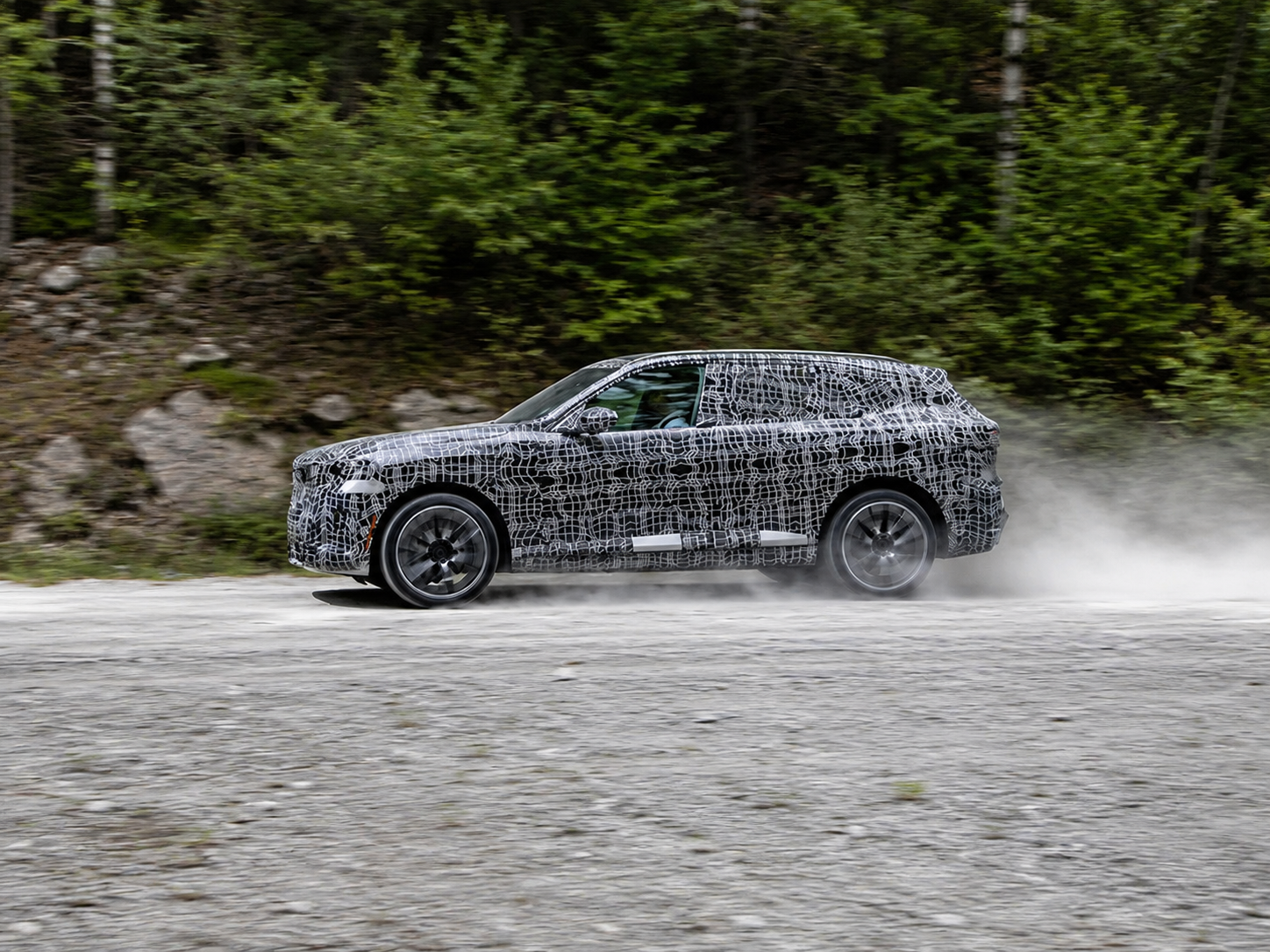
The BMW iX5 60 xDrive will be the first fully electric X5.
It uses the sixth generation of BMW eDrive technology. This includes a new high-voltage battery with cylindrical cells and an 800-volt architecture.
BMW says the iX5 60 xDrive will get a battery with usable capacity of:
144 kWh for the United States;
141 kWh for Europe.
This is the largest battery BMW has ever put in a fully electric production model.
The iX5 60 xDrive is rated at 578 hp. Power comes from two electric motors: one on the front axle and one on the rear axle.
The official range has not been published yet. BMW has also not disclosed final WLTP or EPA energy consumption figures. So any exact range numbers remain estimates for now, not confirmed information.
The BMW iX5 Hydrogen will arrive in 2028
The hydrogen version will be the most unusual part of the new X5 lineup.
The BMW iX5 Hydrogen is expected to reach the market in 2028. BMW calls it the first production hydrogen BMW. The company revealed additional technical details about the hydrogen version in a separate BMW Group article on hydrogen powertrain components.
Unlike a conventional EV, the iX5 Hydrogen does not rely only on a large traction battery. Its powertrain includes:
a fuel cell;
the new BMW Hydrogen Flat Storage hydrogen storage system;
a high-voltage battery.
The hydrogen X5 belongs to fuel cell electric vehicles: these cars use hydrogen and a fuel cell to generate electricity on board. A basic explanation of the technology is available on the U.S. Department of Energy page on hydrogen fuel cell vehicles.
BMW uses a third-generation fuel cell. This system is being developed together with Toyota. According to BMW, the new generation should be more compact, more powerful and more efficient than before.
How did BMW package the hydrogen tanks?
One of the biggest challenges for hydrogen vehicles is tank packaging. They must withstand high pressure, take up a lot of space and can affect the cabin layout.
For the iX5 Hydrogen, BMW developed the Hydrogen Flat Storage system. It consists of seven high-pressure tanks made from carbon-fiber composite. The tanks are connected in parallel and integrated into a strong metal frame.
BMW says this layout does not take away cabin space. That is an important point: the hydrogen version is meant to remain a proper X5, not a compromised variant with less interior room.
Another practical advantage is that the hydrogen X5 can be built on the same production line as the other versions of the model.
The new X5 will receive Neue Klasse technology
BMW emphasizes that the new X5 uses technologies from the Neue Klasse family.
One of the key systems is called Heart of Joy. It is BMW’s new control unit and software stack, BMW Dynamic Performance Control.
The system is responsible for coordinating:
the powertrain;
the brakes;
steering functions;
charging;
regeneration.
According to BMW, the system works ten times faster than previous solutions and can make adjustments within milliseconds.
For the electric iX5 and the iX5 Hydrogen, this is especially important for regenerative braking and smooth stops. For the gasoline, diesel and plug-in hybrid versions, the system should help use available grip more precisely and keep the vehicle more stable through corners.
The suspension and chassis have changed too
The new BMW X5 will get adaptive suspension as standard equipment. The dampers will be electronically adjusted separately for each wheel.
BMW also talks about an almost even weight distribution between the axles. Wheel sizes of up to 23 inches will be available for the X5.
Optional package for the iX5 and plug-in hybrid
The electric iX5 and the plug-in hybrid versions will be available with the Adaptive Chassis Control Professional package.
It includes:
two-axle air suspension;
Integral Active Steering;
active roll stabilization.
These systems should help the large SUV better control its body mass, especially in corners and during sudden direction changes.
Driver assistance will still remain under human control
BMW will also update the driver assistance package.
The new X5 will get SAE Level 2 systems. That means the vehicle can assist the driver, but it does not become fully autonomous.
Optional equipment will include Motorway and City Assistant. BMW describes it as a system that helps on highways and in the city.
The driver still remains involved in control. They can accelerate, brake and steer without the assistants switching off immediately.
What has BMW not revealed yet?
BMW has not yet shown the new X5 in full production form. The test cars were camouflaged prototypes.
There are also no final figures yet for:
fuel consumption;
energy consumption;
WLTP or EPA range;
charging time;
the final lineup structure by country;
prices.
All published power figures are listed as preliminary.
Why does this matter?
The new BMW X5 shows that BMW does not want to choose just one path for a large SUV.
The company keeps gasoline and diesel, strengthens the plug-in hybrid, adds a full electric iX5 and prepares the production iX5 Hydrogen.
For buyers, that means more choice. For the market, it is a signal that BMW continues to develop several technologies at once, instead of betting only on battery electric vehicles.
The new X5 becomes more than just another generation of a popular SUV. It is the model through which BMW is showing its strategy for the next few years: one car, five powertrain types and a separate focus on hydrogen in 2028.