
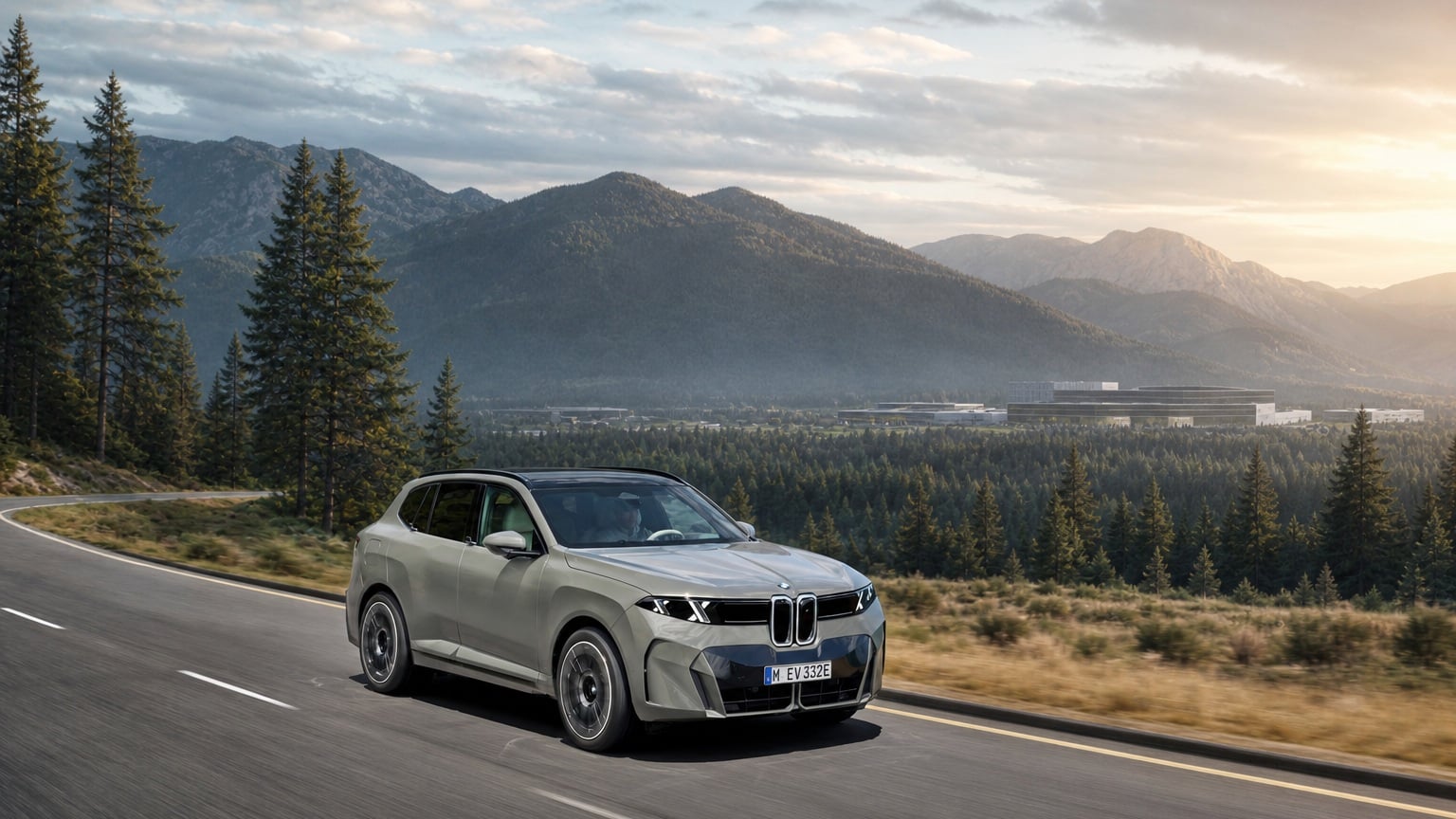
On June 24, 2026, BMW published a preliminary life-cycle assessment of the new X5. The manufacturer claims that the electric iX5 60 xDrive could gain an advantage in total CO₂e emissions over a comparable X5 with an internal-combustion engine after approximately one to two years of use.
That claim needs some context. BMW is not saying that every iX5 automatically becomes more environmentally friendly after 12 or 24 months. The result depends on mileage, the specific version used for comparison, and the sources of electricity used for charging. The company says it will publish the complete Product Carbon Footprint calculation, verified by TÜV, only by the start of series production.
The phrase “after one to two years” is BMW’s scenario-based estimate, not a universal timeframe for every owner. The cleaner the electricity and the greater the useful mileage, the sooner the electric vehicle can offset the additional emissions associated with battery production.
The Short Answer
The electric iX5 starts its life cycle with a large battery and high mass, but it produces no tailpipe emissions while driving. An X5 with an internal-combustion engine generally requires fewer emissions during production, but continues burning fuel throughout its service life. The point at which the iX5’s accumulated emissions become lower depends primarily on mileage and the structure of electricity generation.
Key Dates: From the Environmental Assessment to Battery Production
Date | What happened | Why it matters |
|---|---|---|
June 24, 2026 | BMW disclosed data on recycled materials and the preliminary carbon break-even point for the iX5. | An official life-cycle estimate became available |
June 30, 2026 | The world premiere of the fifth-generation BMW X5 and the first production iX5 took place. | The iX5 60 xDrive specifications were published |
July 27, 2026 | BMW presented the Woodruff plant, where high-voltage batteries for the iX5 will be assembled. | Series battery production is scheduled to begin in December 2026 |
July 31, 2026 | BMWBlog examined in detail the claim that the iX5 gains an advantage after one to two years of use. | The topic gained additional industry context |
Why an Electric Vehicle Starts with a Larger Carbon Footprint
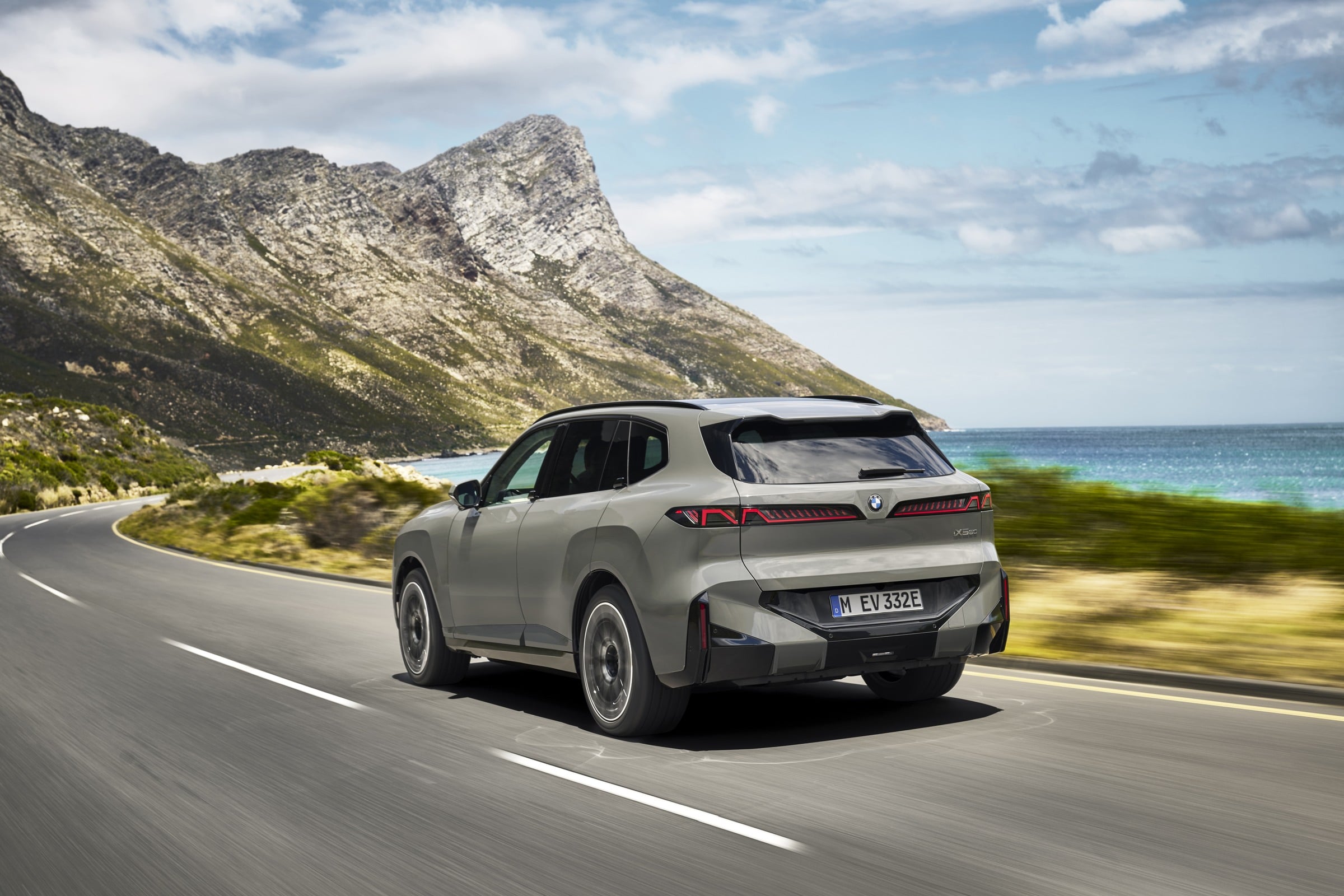
The iX5 60 xDrive is equipped with a battery offering 141 kWh of usable capacity—the largest among fully electric BMW models at the time of its presentation. Producing the cells requires the extraction and processing of raw materials, the manufacture of cathode and anode materials, and the subsequent assembly of the battery. As a result, at the factory gate, the electric version may have a higher accumulated carbon footprint than a comparable X5 with an internal-combustion engine.
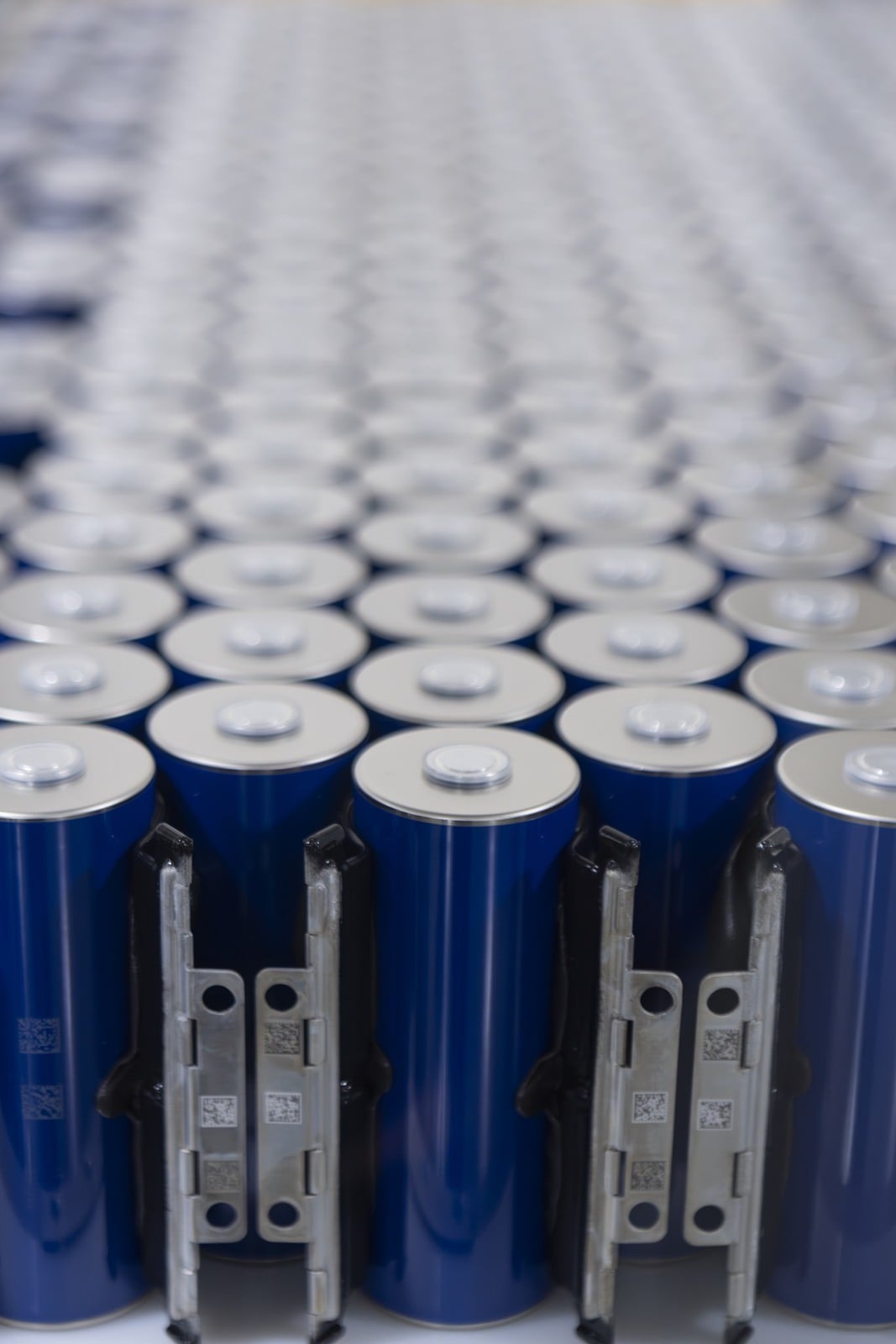
BMW is working to reduce that gap before the vehicle enters service. Gen6 cells use recycled cobalt, lithium, and nickel, while renewable energy is used to produce the electrode materials and the cells themselves. According to the company, CO₂e emissions per watt-hour of capacity have been reduced by approximately 28% compared with the Gen5 cells used in the BMW iX. This comparison applies to the cells, not to the vehicle as a whole.
BMW has compiled the details in its official material on the new X5’s life cycle. It also states that the final Product Carbon Footprint, together with the calculation methodology, will be published when series production begins after verification by the German TÜV organization.
What Carbon Break-Even After One to Two Years Really Means
Carbon break-even does not refer to recovering the vehicle’s purchase price or restoring the resources used to make its battery. It refers to the point at which the combined production and operating emissions of the electric vehicle become lower than those of the comparable internal-combustion vehicle.
BMW’s published announcement does not specify a single fixed mileage at which the advantage begins. The company explicitly lists the variables: vehicle version, annual mileage, and electricity source. The calculation can therefore be viewed as a set of scenarios.
Factor | What brings break-even closer | What pushes it further away |
|---|---|---|
Annual mileage | Regular trips and high mileage | Infrequent vehicle use |
Electricity | Charging from low-carbon or renewable generation | A grid with a high share of coal and other carbon-intensive fuels |
Comparison version | A powerful, less efficient X5 with an internal-combustion engine | A more efficient version or a different operating pattern |
Ownership period | Keeping the same vehicle for a long time | A short ownership period does not reduce the production footprint by itself |
A Simple Way to Visualize the Break-Even Point
The iX5 has a higher initial “carbon debt” because of its battery. With every journey, that gap may narrow because the internal-combustion X5 continues to release CO₂ as it burns fuel. If the electricity used for charging is carbon-intensive or the vehicle is driven very little, the gap closes more slowly.
BMW iX5 60 xDrive Technical Specifications
BMW presented the production model on June 30, 2026. The official page for the new X5 states that the electric version uses an 800-volt architecture, 120 mm-high cylindrical Gen6 cells, and supports bidirectional charging.
Specification | BMW iX5 60 xDrive | Data status |
|---|---|---|
Usable battery capacity | 141 kWh for Europe | BMW data |
Power | 425 kW, or 578 hp | BMW data |
Torque | 805 Nm | BMW data |
0–100 km/h acceleration | 4.6 seconds | Claimed figure |
Range | Up to 845 km WLTP | Preliminary figure, depends on equipment |
Peak charging power | Up to 460 kW | Claimed figure |
10–80% charging | Approximately 23 minutes | BMW claim under suitable conditions |
Curb weight | 2900 kg, including 75 kg under the EU methodology | Preliminary European specification |
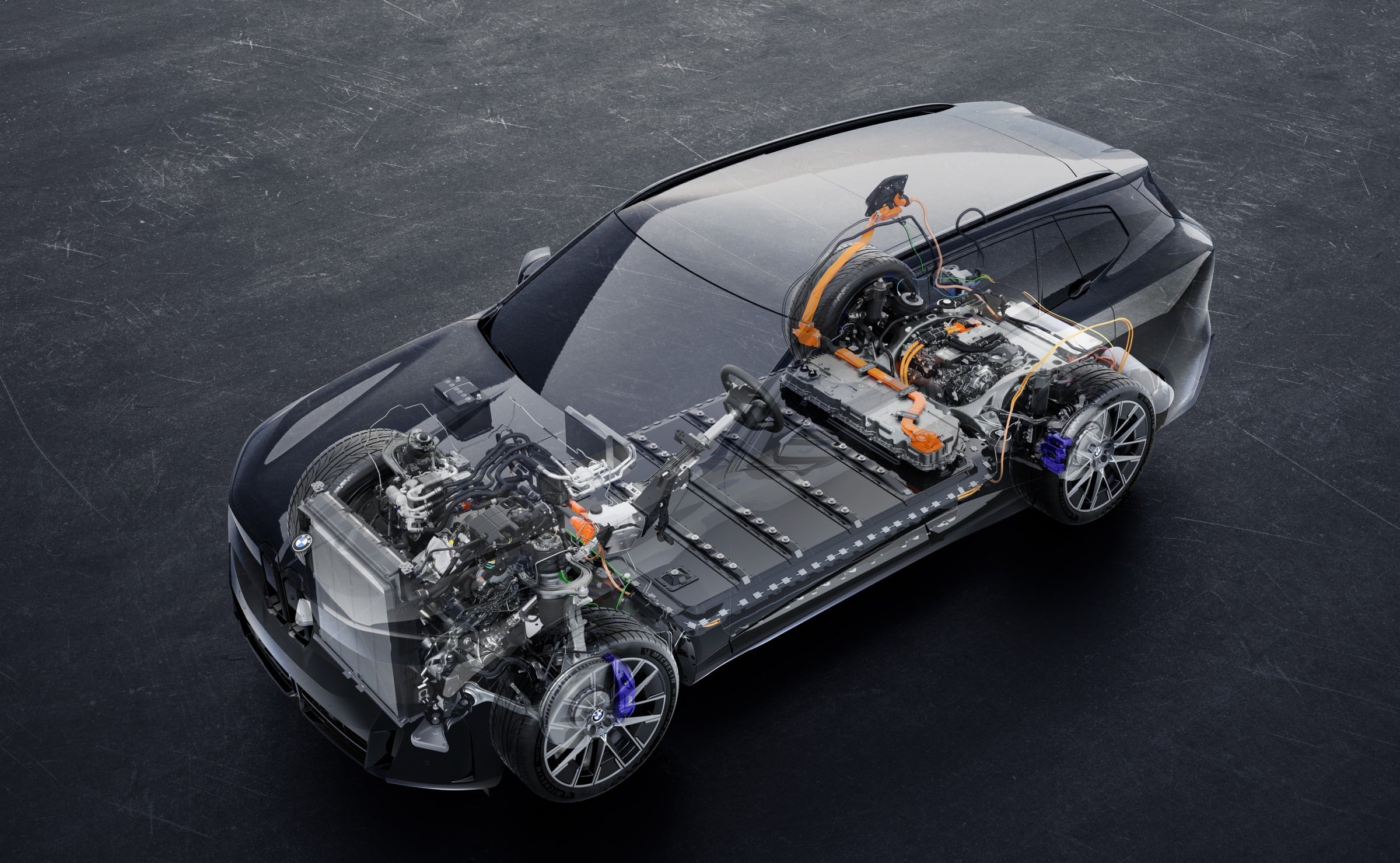
Long range and high charging speed are useful on longer journeys, but they do not determine the environmental result by themselves. A large battery requires more materials than the compact battery in a city electric vehicle. The iX5’s life cycle should therefore be compared with vehicles of a similar size and purpose, rather than with any car powered by a gasoline or diesel engine.
940 kg of Recycled Materials: What Does This Figure Include?
BMW says that approximately one-third of the iX5 60 xDrive’s mass consists of recycled materials—an estimated 940 kg. This does not mean that almost a tonne of the vehicle is made from old traction batteries. The figure applies to the entire vehicle and includes metal, plastic, and textiles.
approximately half of the flat steel used contains a high share of recycled material;
35% of the door aluminum is made from closed-loop recycled material from stamping production in Spartanburg;
the yarn used as the basis for the headliner is made entirely from recycled PET;
recycled materials are used in the wheels, brake calipers, and selected suspension components;
the battery cells use recycled lithium, nickel, and cobalt.
940 kg of Recycled Material Does Not Mean Zero Emissions
Recycled metal still has to be sorted, cleaned, remelted, and transported. Its use generally reduces the need for virgin raw materials and energy-intensive processes, but it does not make production carbon-free. That is why the energy used at every stage matters alongside the share of recycled materials.
Where the BMW iX5 and Its Battery Will Be Produced
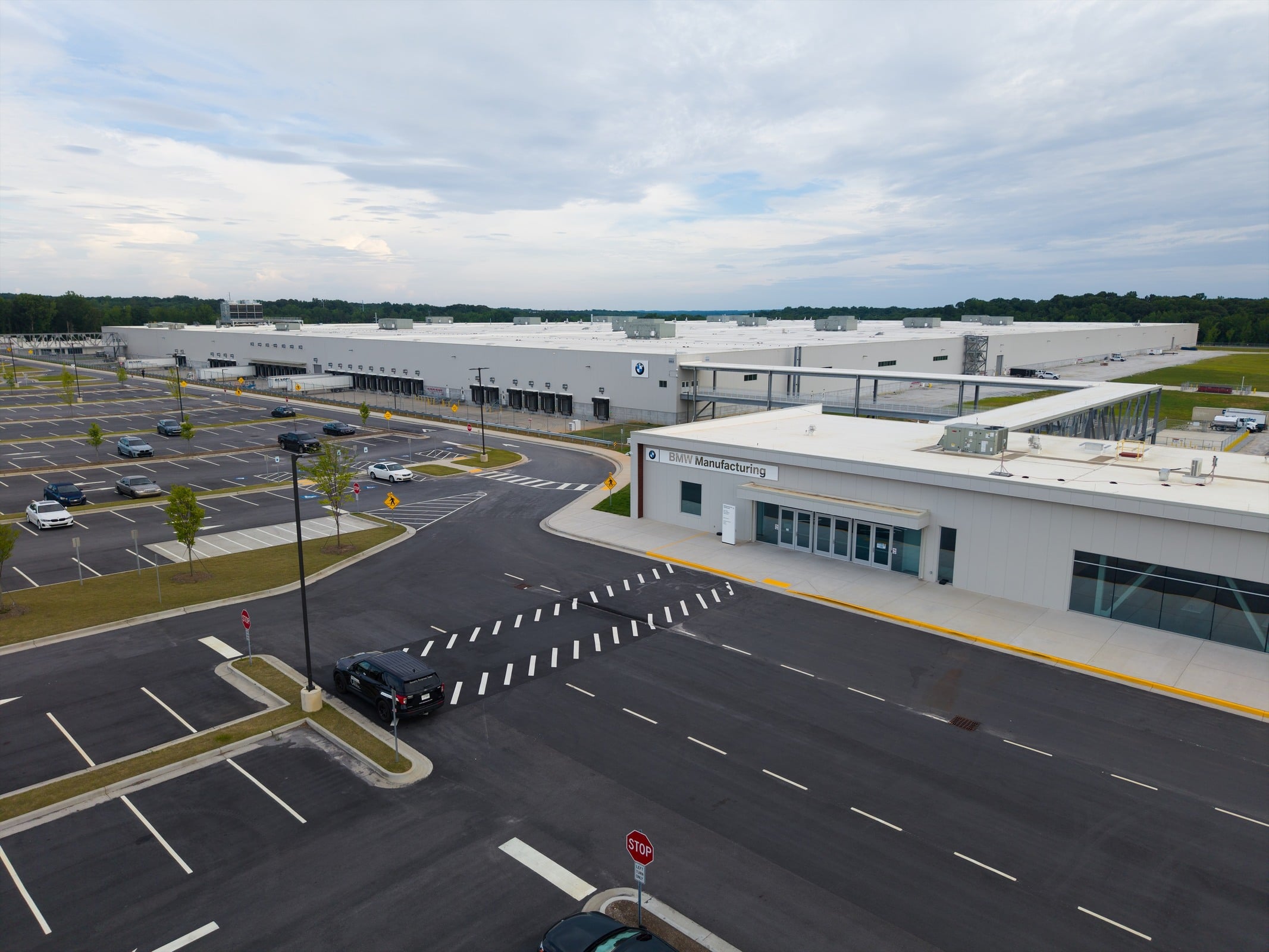
The fifth-generation X5 will be assembled at BMW’s plant in Spartanburg, South Carolina. Series production of the family is scheduled to begin in August 2026; the first internal-combustion versions are expected to reach the market in late November, while the electric iX5 and plug-in hybrids are scheduled for early 2027.
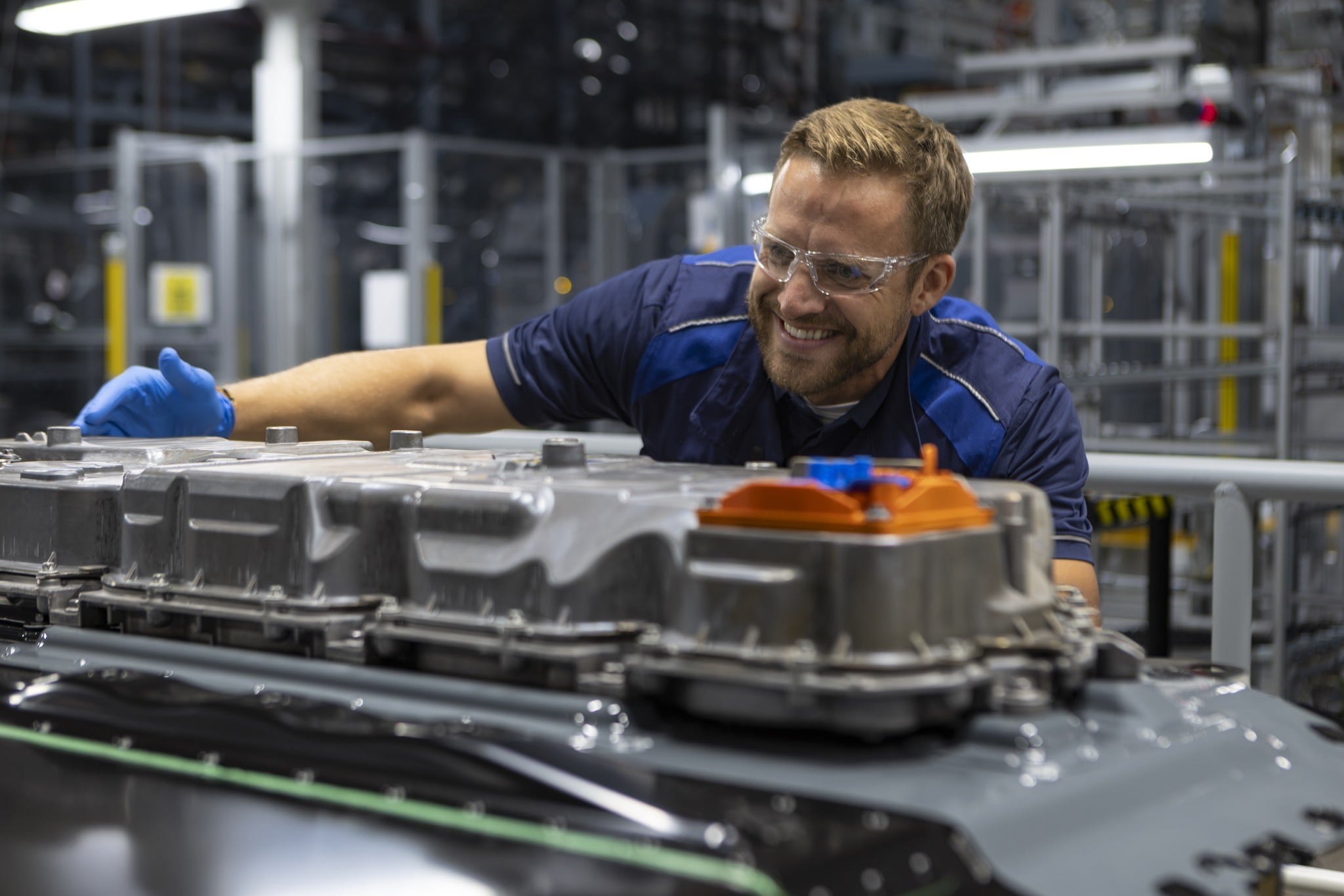
On July 27, 2026, BMW published information about the new Woodruff facility, located next to the vehicle plant. Series assembly of high-voltage batteries is scheduled to begin in December 2026. BMW says that under normal operating conditions, the facility does not use fossil fuels, while the external electricity supplied to the Spartanburg plant comes from renewable sources.
What Data Is Still Missing for an Independent Conclusion?
The central figure—the CO₂e advantage after one to two years—comes from the manufacturer. BMW has not yet published the complete set of underlying parameters in an accessible format: production emissions for each version, the assumed annual mileage, the electricity-generation mix, and the fuel consumption of the comparable X5 with an internal-combustion engine.
Until the verified TÜV report is released, the result should be described only as BMW’s preliminary calculation. It indicates that early carbon break-even is possible, but does not prove that the same result will occur in every country or under every operating scenario.
How Owners Can Assess Their Own Scenario
Determine the actual annual mileage instead of using a national average.
Check the electricity mix behind the home tariff or charging network.
Compare the iX5 with an X5 of similar power and purpose.
Consider the full expected service life, not just the first years of ownership.
Wait for BMW’s complete Product Carbon Footprint, including its methodology and calculation boundaries.
So When Does the iX5 Become Greener Than the X5 with an Internal-Combustion Engine?
According to BMW’s preliminary scenario, after approximately one to two years. That point will arrive sooner with high mileage and charging from low-carbon electricity, and later with infrequent trips and carbon-intensive generation. Without the underlying data, the exact result for a particular owner cannot be calculated.
The iX5 is interesting not as an example of an “unconditionally green vehicle,” but as an attempt to reduce the impact of a very large and heavy electric SUV. Its 141 kWh battery and 2.9-tonne mass create a substantial production footprint, which BMW is reducing through recycled materials, cleaner cell production, and local assembly. The final result can be assessed only after the verified report is published and real-world operating data becomes available.