 EN


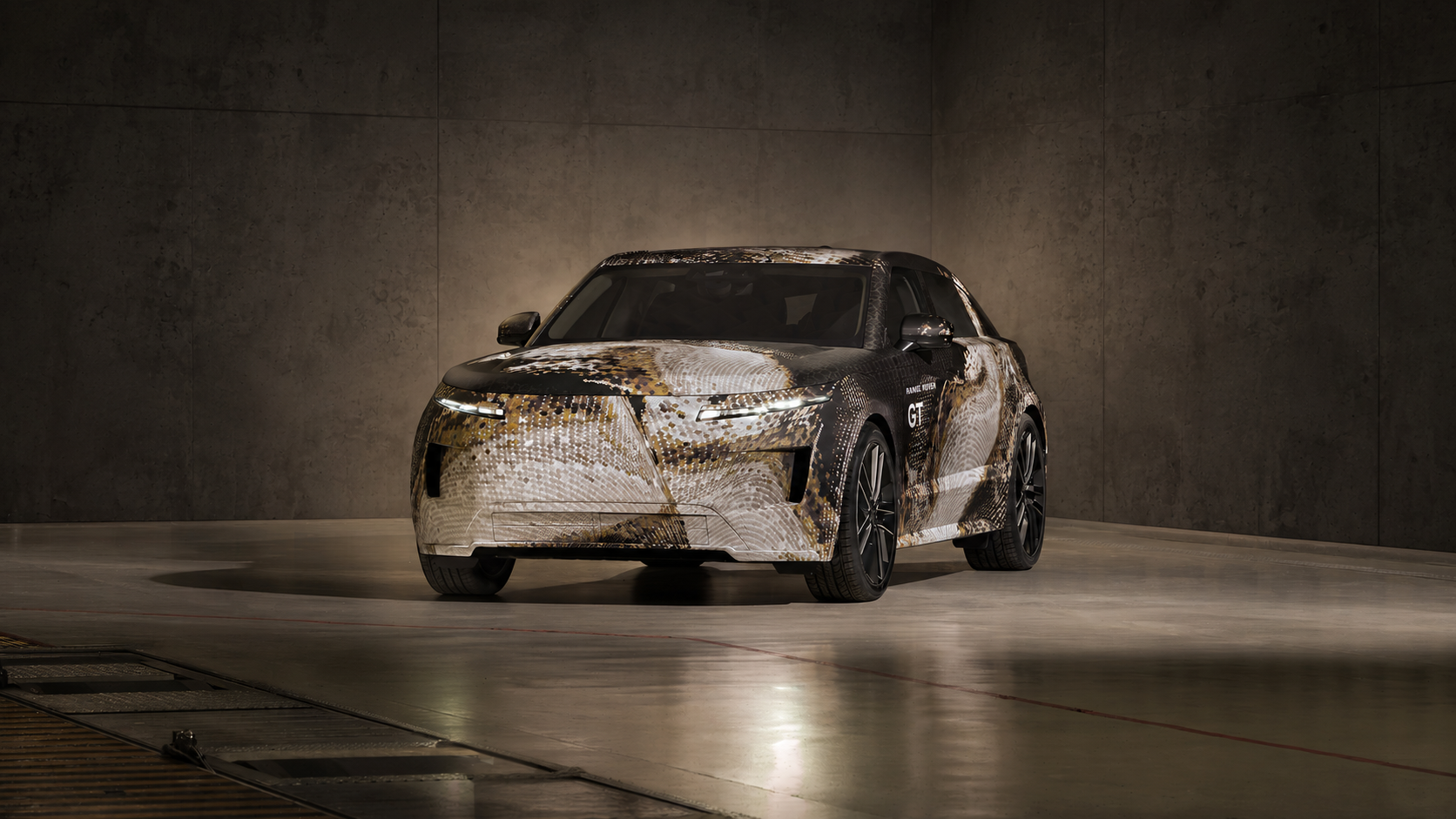
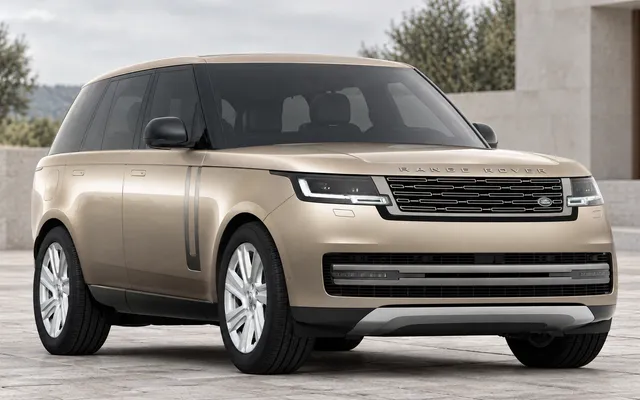
On 26 October 2026, Range Rover showed the GT in the final stage of testing: a prototype travelled through Brussels and Germany to the Nürburgring test centre. Engineers explained how they are combining a smooth ride over urban bumps with handling and the ability to travel off-road. They say the GT has the lowest centre of gravity of any Range Rover.
The company had revealed the model name and first interior images earlier, in its official announcement of 22 July 2026. The GT will be a separate, fifth model in the Range Rover family. It was developed on the EMA platform, with production planned at Halewood in the UK. An all-electric version will come first; a full HEV hybrid is envisaged for a later stage of the model's life cycle.
What was tested on the way to the Nürburgring
In the official A Grand Tour video of 26 October, the development team highlights Brussels. The urban section was used to test how the suspension smooths uneven surfaces while remaining composed over speed bumps. For a car designed for long journeys, those settings matter as much as its behaviour on fast roads.
The low centre of gravity is intended to combine the brand's familiar ride comfort with a more road-focused character. The team is also continuing work on off-road capability. The engineers' assessment of comfort and handling remains part of the factory test programme; these materials contain no independent comparative test.
No lap record at the Nürburgring
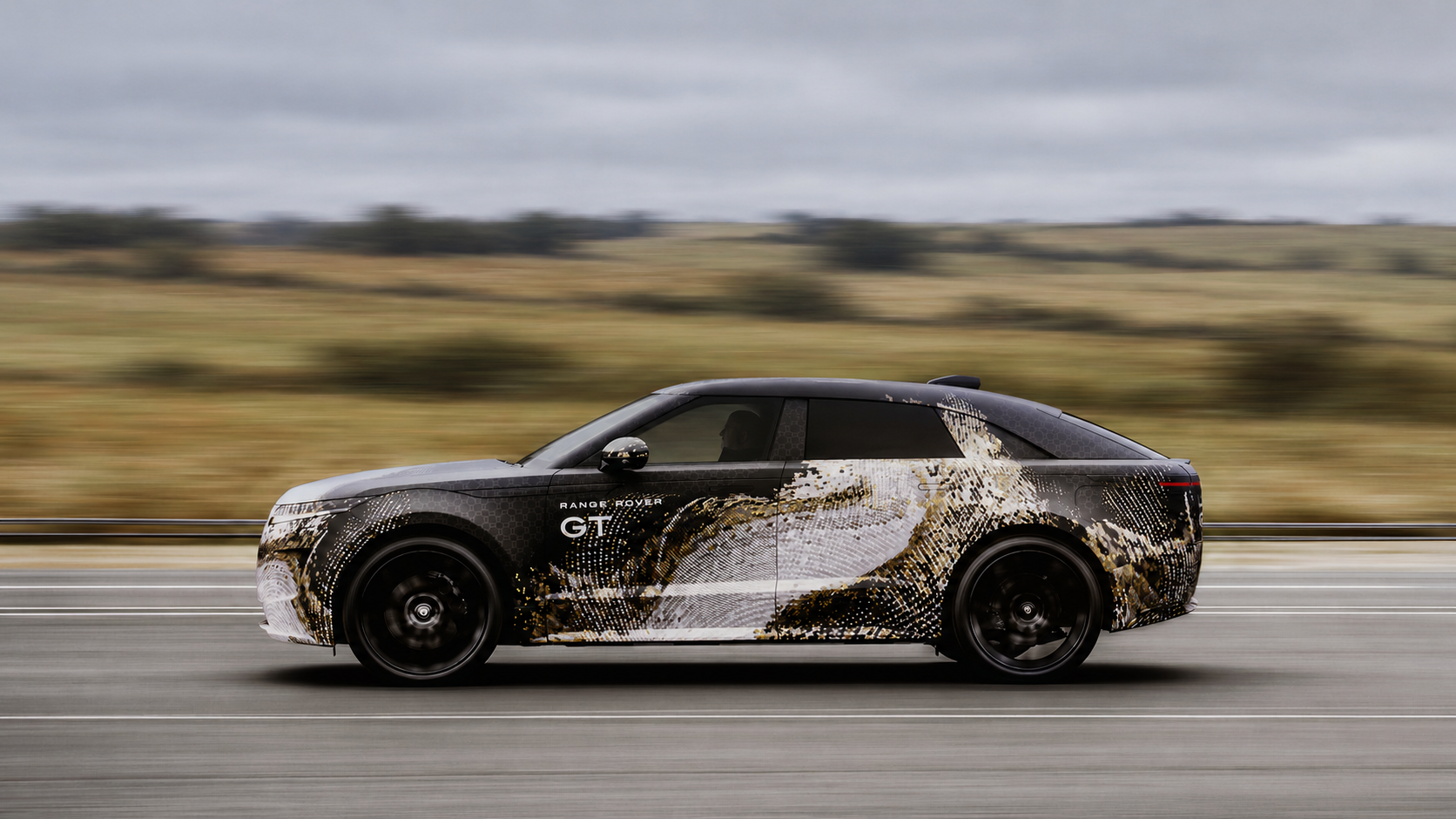
The video was filmed at the Nürburgring test centre, but the company does not give a lap time. It focuses on tuning the car for everyday driving and long trips.
How the body shape relates to range
The GT uses a lower silhouette and coupé proportions. In the October video, engineers call it the most aerodynamic Range Rover and link that to two goals: reducing wind noise in the cabin and increasing the distance travelled on one charge.
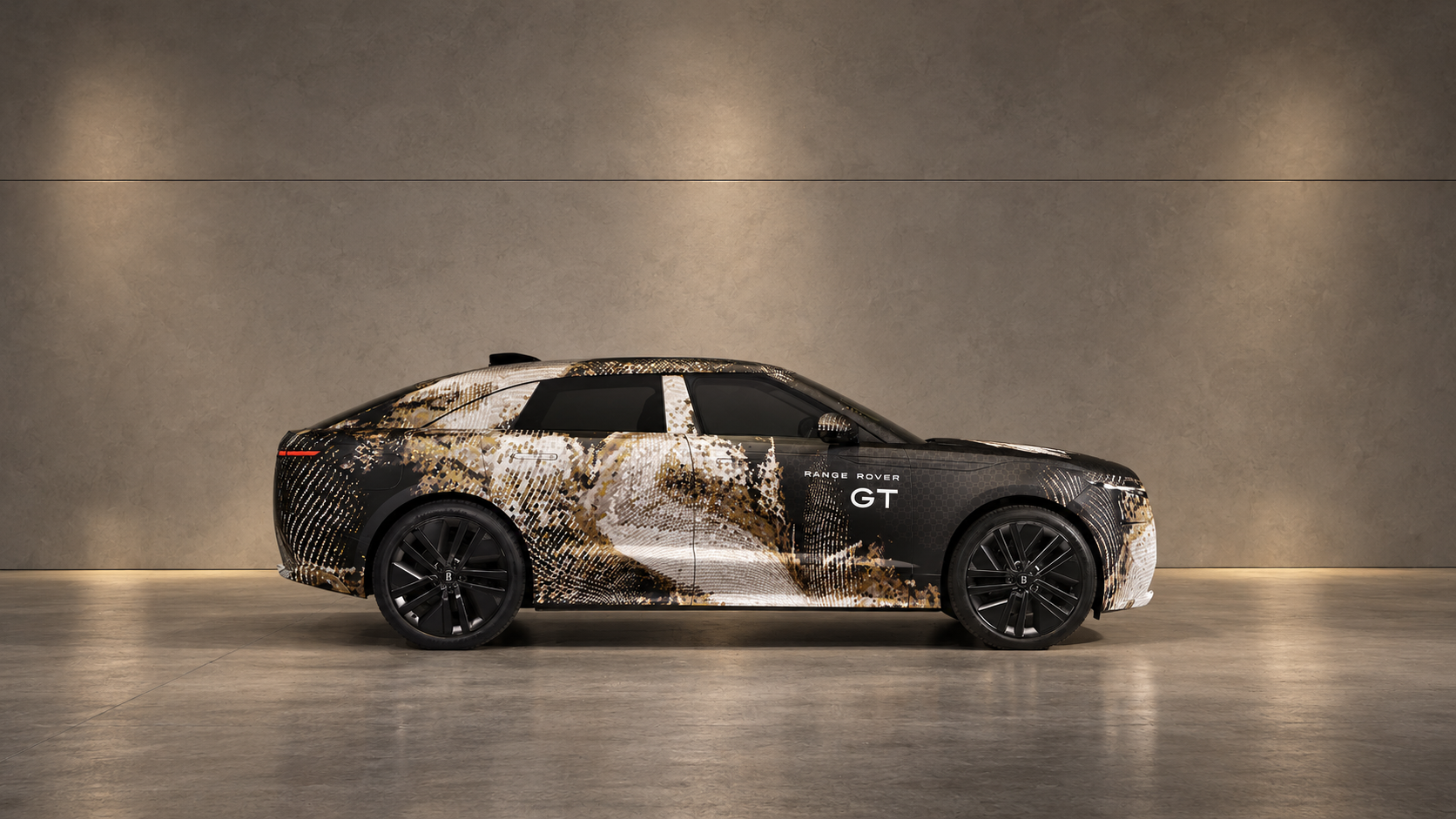
Automotive publications on 26 October reported a drag coefficient of Cd 0.25, along with battery capacity, range and off-road geometry figures. They help indicate the project's direction, but these figures cannot yet be treated as final specifications: they were not confirmed in the manufacturer's public materials checked.
Parameter | Published figure |
|---|---|
Electrical architecture | 800 V |
Battery capacity | 100 kWh |
Range | Up to 658 km WLTP |
Drag coefficient Cd | 0.25 |
Ground clearance | 249 mm |
Wheel articulation | 450 mm |
Wading depth | Up to 600 mm |
Why 658 km does not tell the whole story of a long trip
Even a confirmed WLTP figure is a guide for comparing cars. Actual range depends on speed, temperature, route, load and battery condition. Planning a journey also requires charging time and usable battery capacity. Dividing the reported 100 kWh by 658 km and presenting the result as the GT's official energy consumption would be misleading.
Air suspension and cabin: what is known about comfort
Reports on the GT describe standard air suspension, acoustic laminated glass and active noise cancellation. They also mention four- and five-seat cabin layouts and front seats with climate functions, massage and 20-way adjustment. Detailed equipment for individual markets remains to be confirmed.
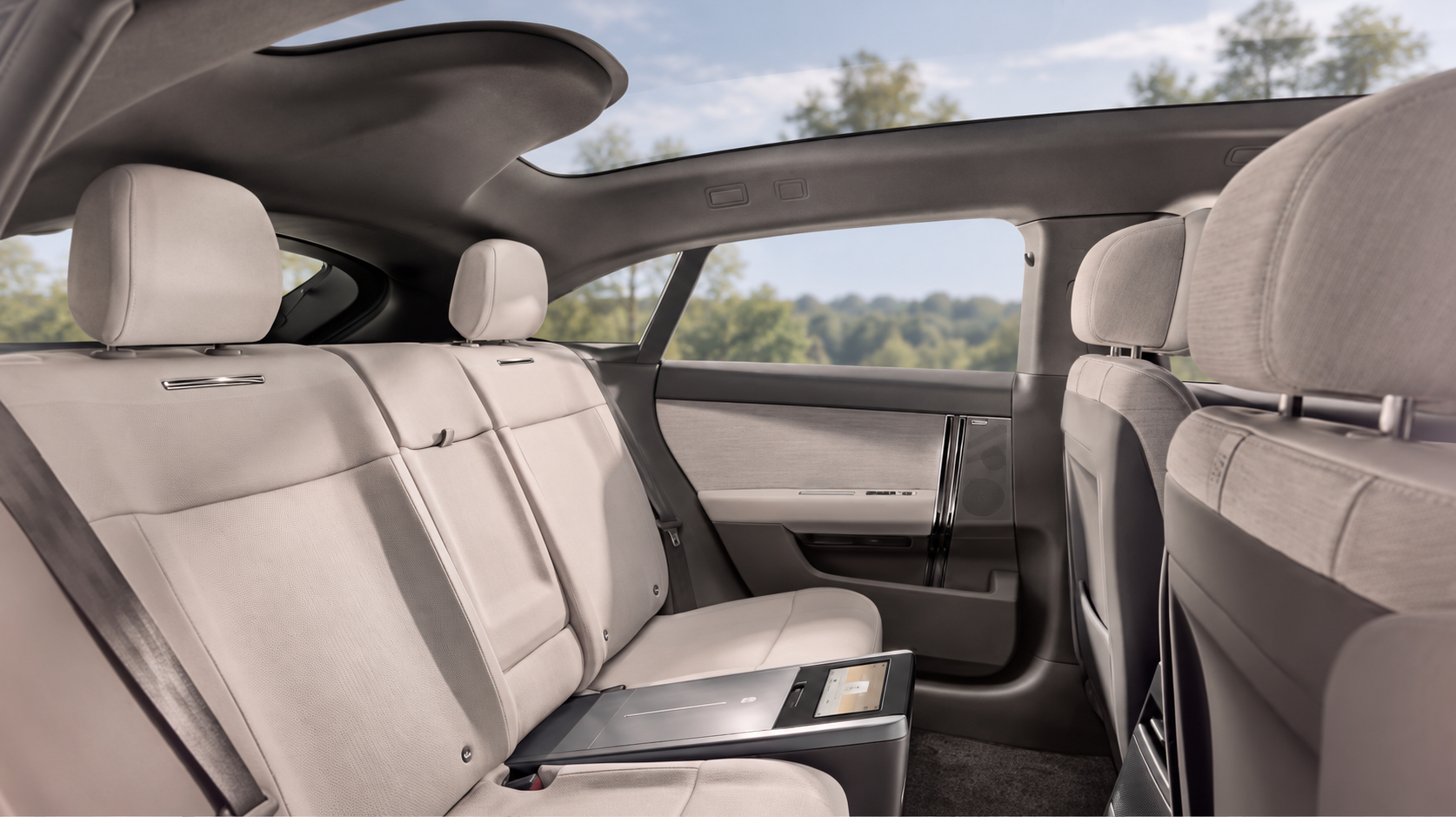
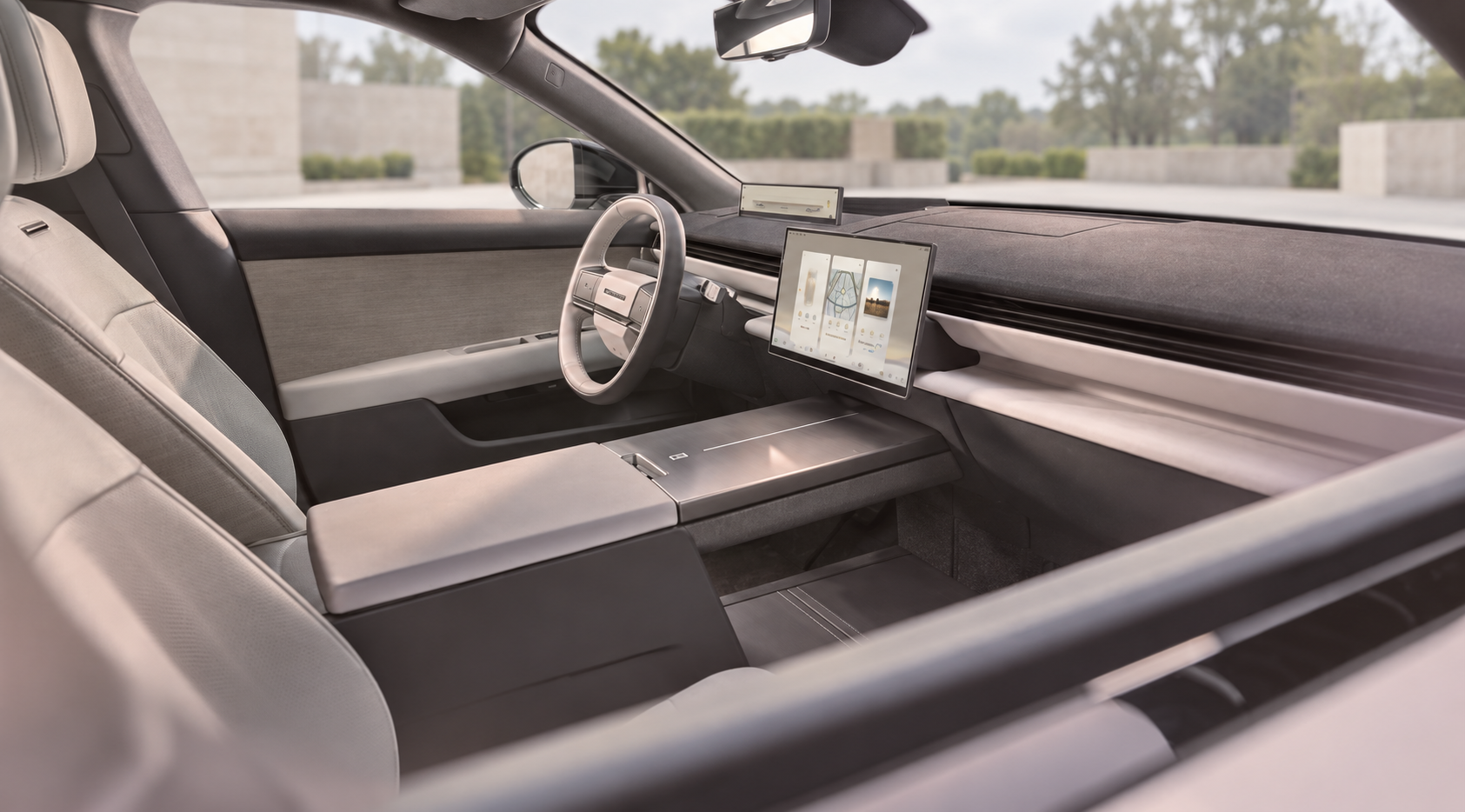
The official July announcement offers a closer look at the layout. The central screen is separate from the driver's display, the air vent is concealed within a horizontal line across the dashboard, and fabric trim hides the speakers. The company emphasises second-row space, but the announcement gives no exact legroom measurement.
What to check when the model is fully revealed
Boot capacity, door-opening dimensions and ease of access to the rear seats will help assess it as a family car. A low roof and the claimed legroom alone do not answer how comfortable tall passengers will be.
When will prices and production specifications arrive?
As of 27 October 2026, the official Range Rover GT page described the car as pre-production and unavailable for sale. The company promised more details by the end of the year. An exact sales date and prices had not yet been announced.
The next figures needed to compare the GT with other electric cars are power, usable battery capacity, confirmed range and charging time. The October video already explains the engineers' aim: a comfortable long-distance car with a low centre of gravity that retains capability beyond paved roads. Tests of the production version will show how well that has been achieved.