 EN


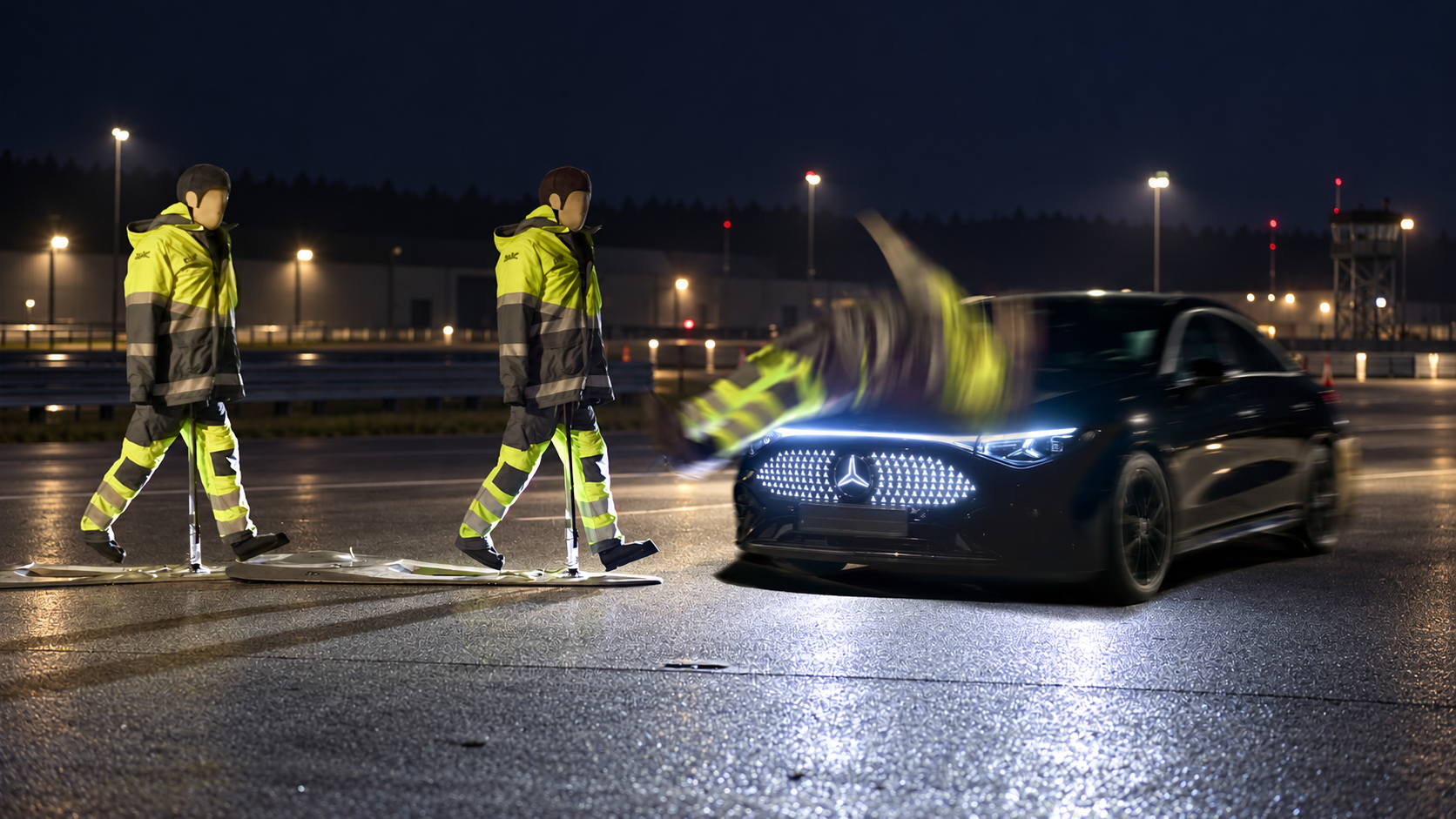
Reflective clothing helps drivers spot pedestrians in the dark. But it proved challenging for some automatic emergency braking systems. In a test by German motoring club ADAC, nearly all the cars tested failed to respond in time to a child dummy wearing reflective clothing and a backpack.
The results were published on 27 October 2026. Researchers tested six cars in several scenarios in darkness. The finding applies to the specific test conditions, not every car or encounter with reflective material.
Which cars were tested and how
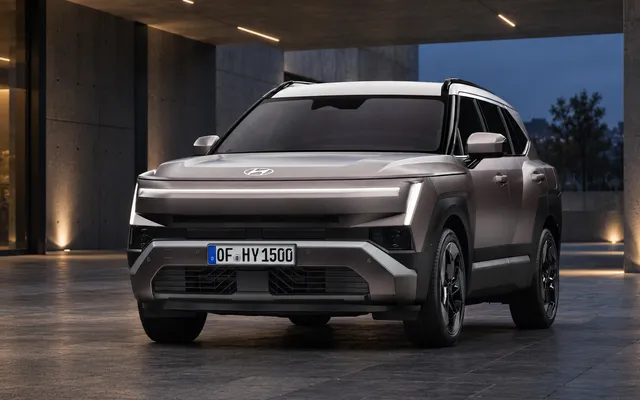
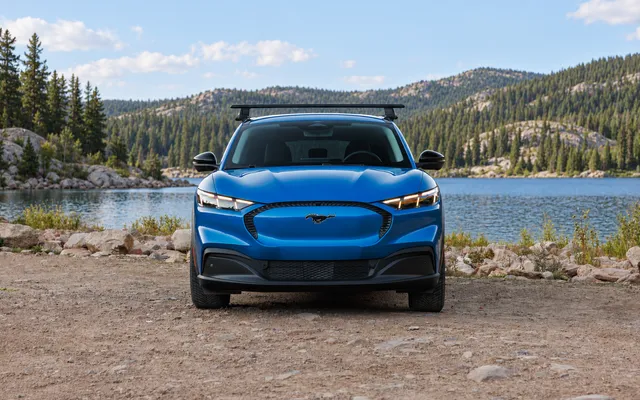
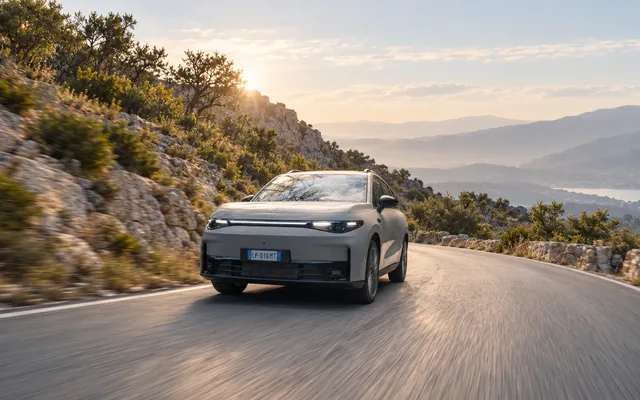
The study included the Mercedes CLA, Tesla Model Y, BYD Seal, Hyundai Tucson, Dacia Duster and Opel Astra. The cars had to respond to adult and child dummies wearing different clothing.
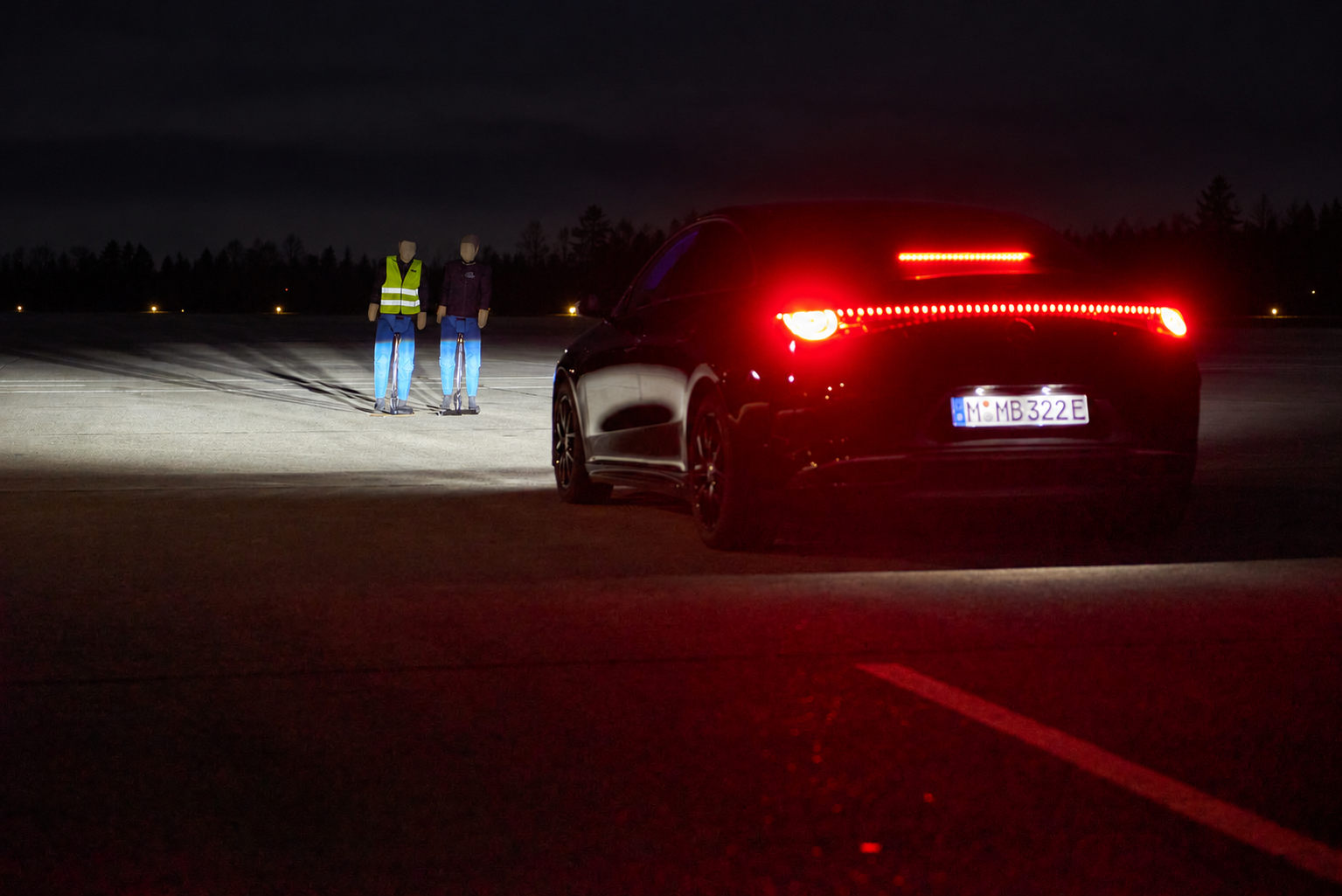
ADAC first tested the systems at several speeds using dummies without high-visibility clothing. For each car and scenario, the researchers selected the highest speed at which a collision could still be avoided. They then used that speed as the reference for tests with different clothing.
This is not a ranking of the six models: each car had its own reference speed, so ADAC cautions against comparing their results directly. The club did not state the test date in its press release.
What happened when the dummies changed clothes
Scenario in darkness | ADAC result |
|---|---|
Adult dummy in an ordinary high-visibility vest | All six cars detected the situation and avoided a collision. |
Adult dummy in standardised reflective workwear | Nearly all cars failed to detect the pedestrian or detected it too late to stop. |
Child dummy in dark clothing | All cars detected the dummy. |
Child dummy in reflective clothing with a backpack | Nearly all systems failed. Only the Mercedes CLA detected the child in the scenario where it emerged from behind a parked car. |
The distinction between the first two scenarios matters: the result does not mean a car will necessarily ignore everyone wearing a reflective vest. It depended on the dummy's appearance in the particular test.
One successful scenario does not make a car infallible
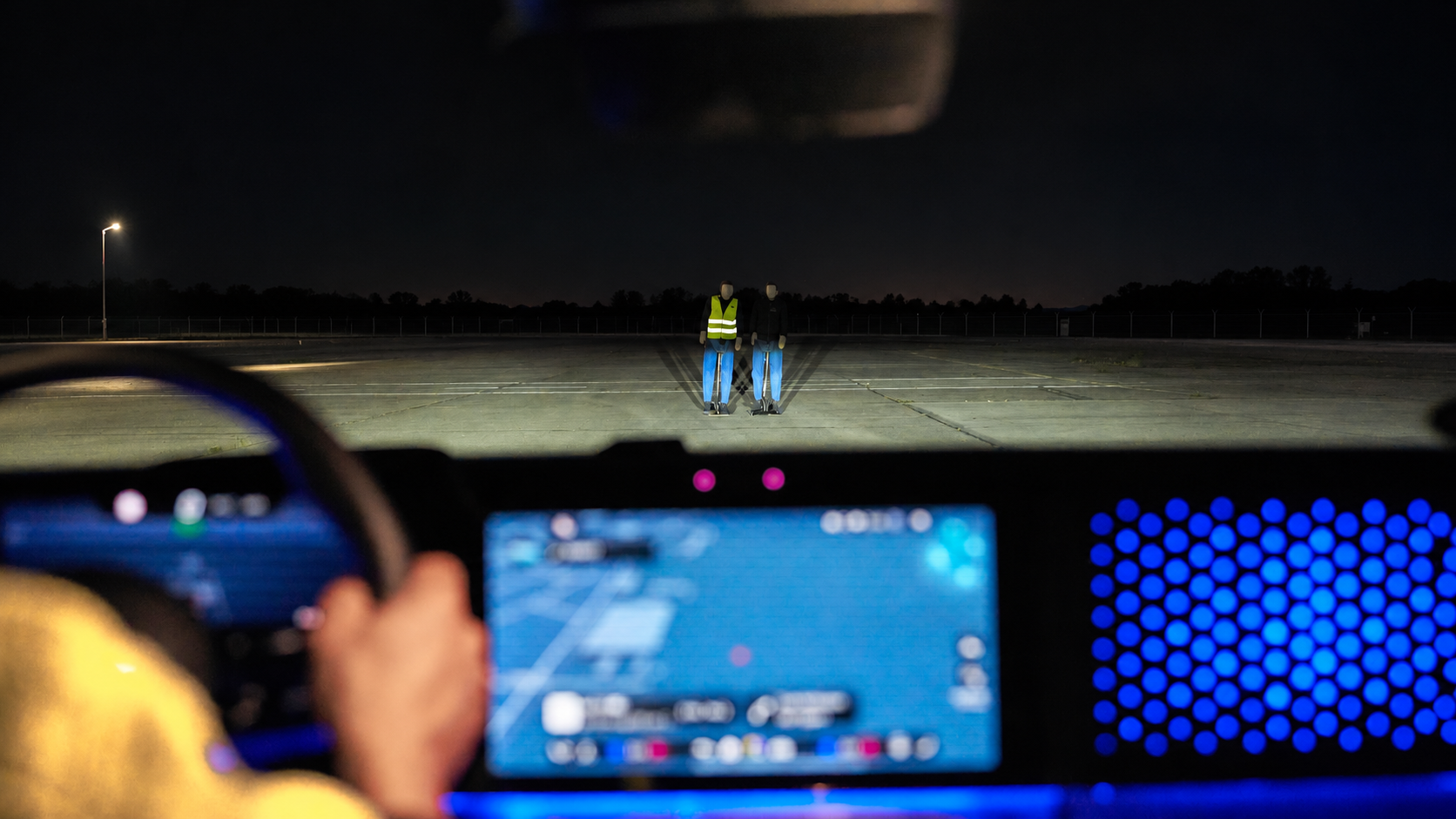
The Mercedes CLA detected the child dummy emerging from behind a parked car, showing that a system can handle such a situation. But the study does not prove that the CLA or any other car will stop for a pedestrian at every speed and in every condition.
Why a system can make a mistake
Automatic emergency braking, or AEB, is designed to help when a collision is imminent. It processes sensor data, assesses the situation and, when necessary, warns the driver or applies the brakes. Depending on the circumstances, it may prevent an impact or reduce its severity.
ADAC believes the problem is probably related primarily to how software recognises and classifies road users. The club considers that updates could resolve the issue in many cases. This is an expert assessment, not confirmation that the cause has been established for every car or that updates are already available.
The test cannot identify from one visible feature which particular strip or item of clothing caused a given system to fail. Manufacturers may use different combinations of sensors and data-processing algorithms.
Do these results change the value of reflective clothing?
No. ADAC continues to recommend conspicuous clothing, especially for children. Its main purpose is to help the driver see a pedestrian earlier. The club considers the benefit of improved visibility greater than the risk associated with a late automatic braking response.
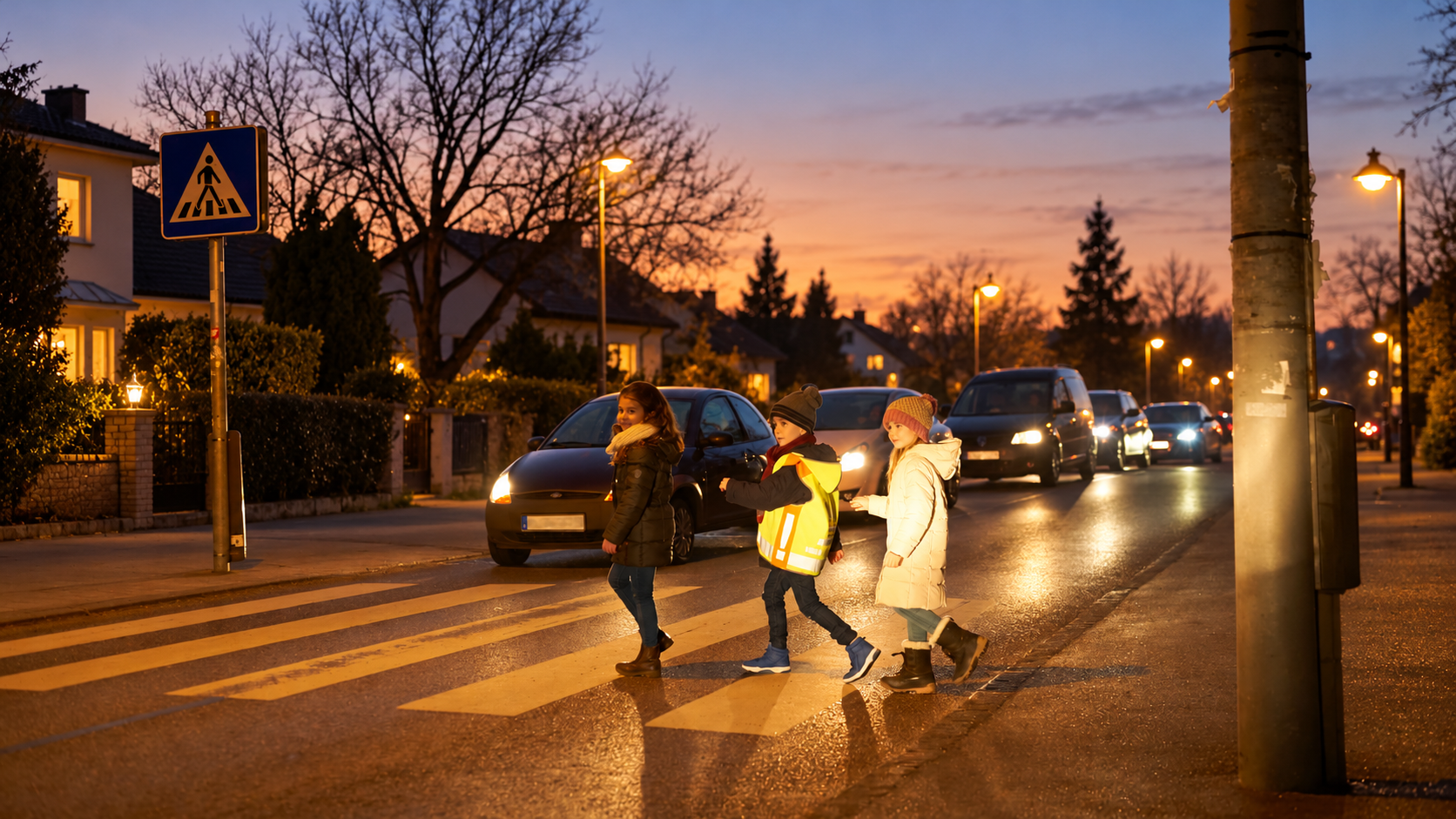
In its advice on children's visibility, ADAC recommends shoes and jackets with reflective elements and checking the reflectors on school backpacks. Drivers benefit from clean windows and headlights, working windscreen wipers and a speed suited to visibility.
What drivers should check in their own car
Having AEB on the equipment list does not mean every car offers the same capabilities. When choosing a car or getting to know one you already own, check:
Whether the fitted system detects pedestrians and the conditions in which it operates, as described in the owner's manual.
How the car indicates system limitations and where its cameras and other sensors are located.
Whether dirt, snow or accessories obstruct the cameras or sensors; consult the manufacturer's instructions for cleaning.
Whether updates are available for the specific car and how they are installed, for example through the manufacturer's service network.
When approaching a crossing or parked cars, drivers must be ready to brake themselves. The assistant does not replace attention to the road and may not stop the car in time.
What other tests show
On 14 April 2026, ADAC published a separate test of automatic braking in heavy rain and fog. It involved a different group of six cars and scenarios that differed from the October clothing study. The club found limitations, particularly in dense fog.
Both tests show why car buyers should consider the conditions under which an assistance system was tested as well as whether it is fitted. The reflective-clothing test adds one specific nighttime scenario; by itself, it is not a comprehensive assessment of a car's safety.