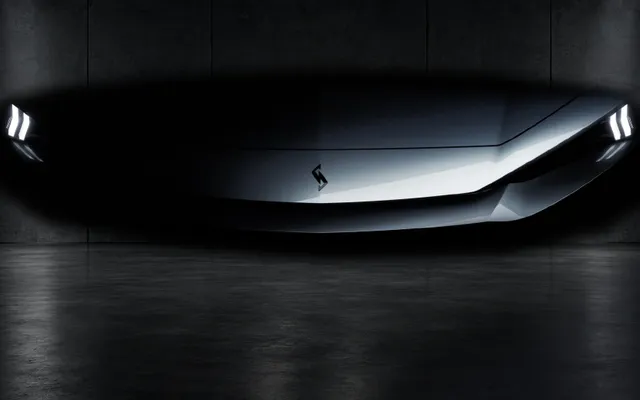

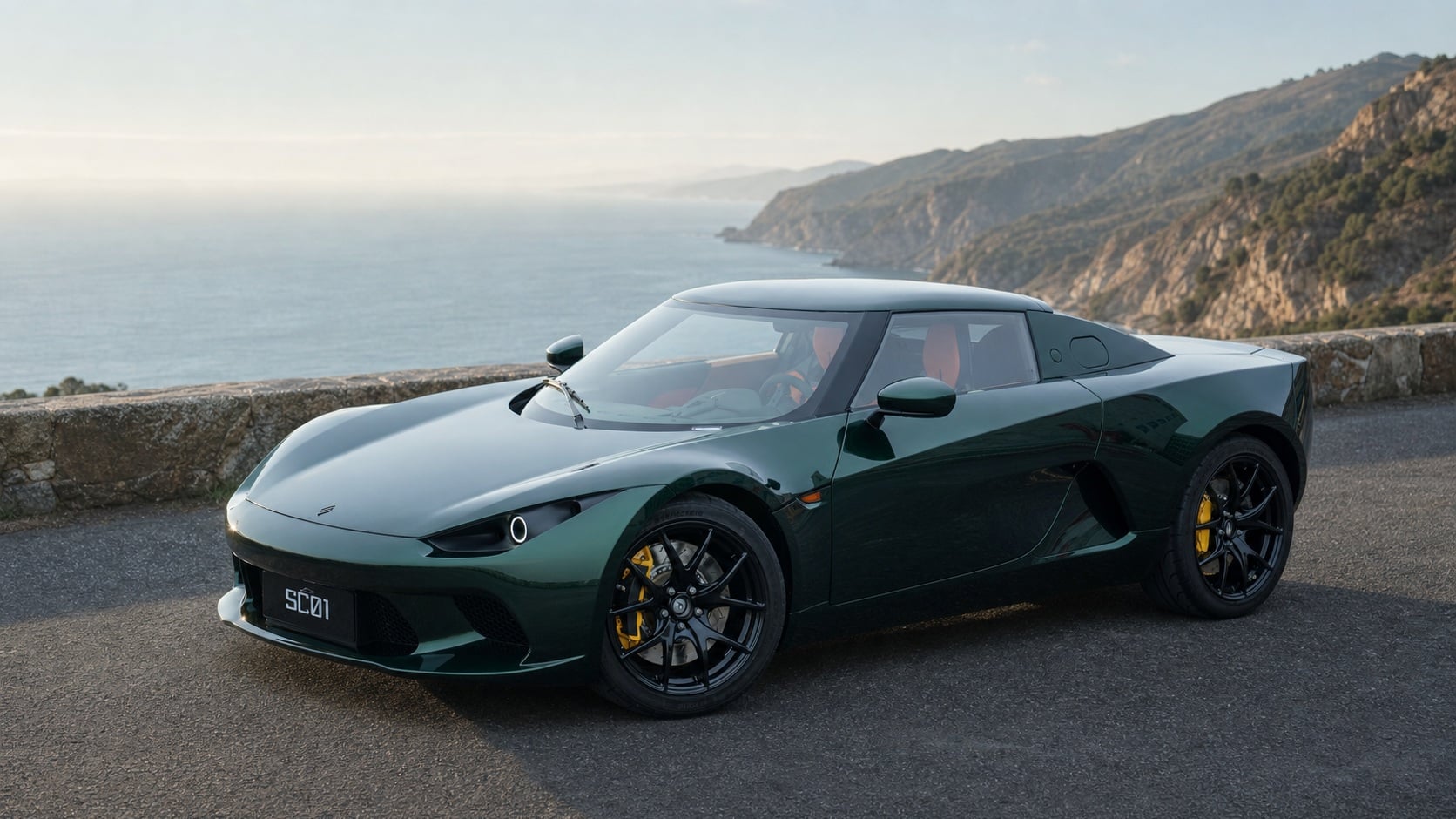
On 1 August 2026, Car and Driver published a feature on the SC01, a compact Chinese electric sports car rated at 429 hp and weighing just 1365 kg. Four days earlier, on 28 July 2026, Autocar revealed the British importer’s plans to bring right-hand-drive cars to the local market in spring 2027.
The SC01 already exists as a production model. In China, it officially went on sale on 26 April 2025, with prices starting at 229,800 yuan. Its European story is only beginning: final pricing, certified range and the UK specification have not yet been published.
The SC01’s main feature is not its claimed 0–100 km/h time of 2.9 seconds, but the combination of high power and low weight for an electric car. The developers achieved this with a spaceframe chassis, a compact battery and a cabin without a large central screen.
SC01 at a glance
This is a two-seat electric coupe measuring 4106 mm in length. Two motors produce a combined 320 kW, the battery has a capacity of 60 kWh, and the driver can select front-, rear- or all-wheel drive. The model is already on sale in China, but the European and UK versions are still being prepared for market launch.
From the Chinese launch to the UK market: key dates
Date | Event | Information status |
|---|---|---|
26 April 2025 | The SC01 officially entered the Chinese market with a starting price of 229,800 yuan. | Chinese launch |
21 January 2026 | Automotive publications reported preparations for a European version and a limited production run. | Automotive media reports |
28 July 2026 | Autocar revealed plans to supply a right-hand-drive version to the UK in spring 2027. | Interview with the British importer |
1 August 2026 | Car and Driver described the model’s construction, weight and intended positioning in detail. | Publication by an automotive outlet |
What is the SC01?
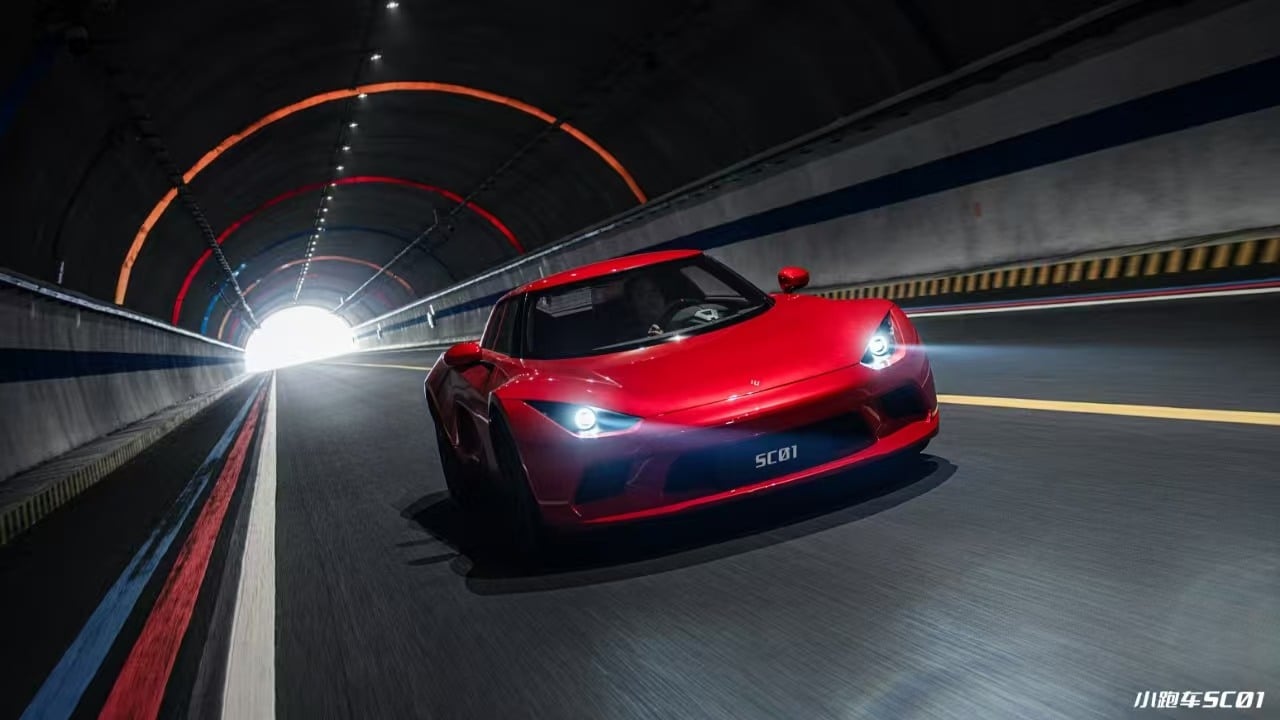
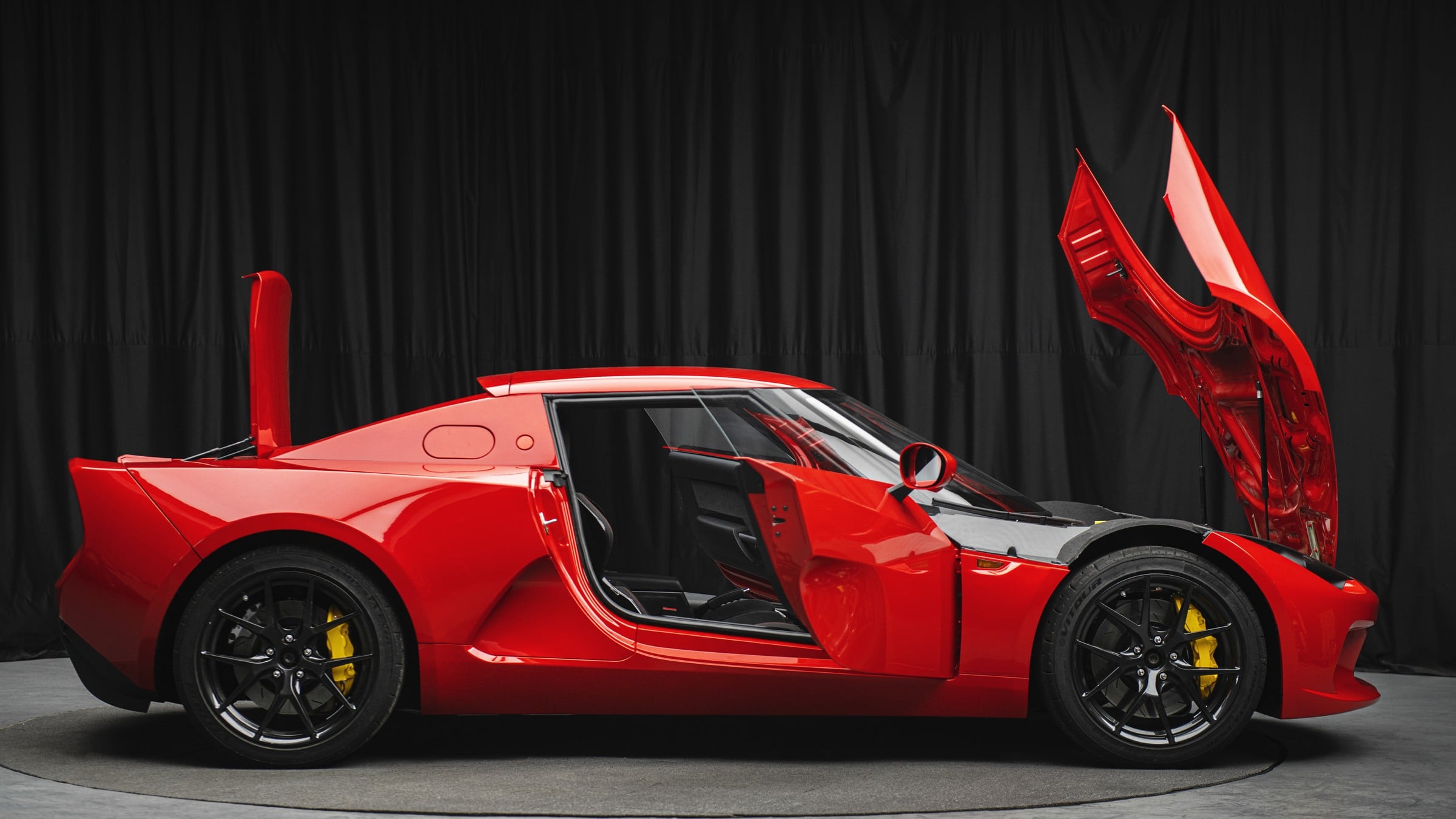
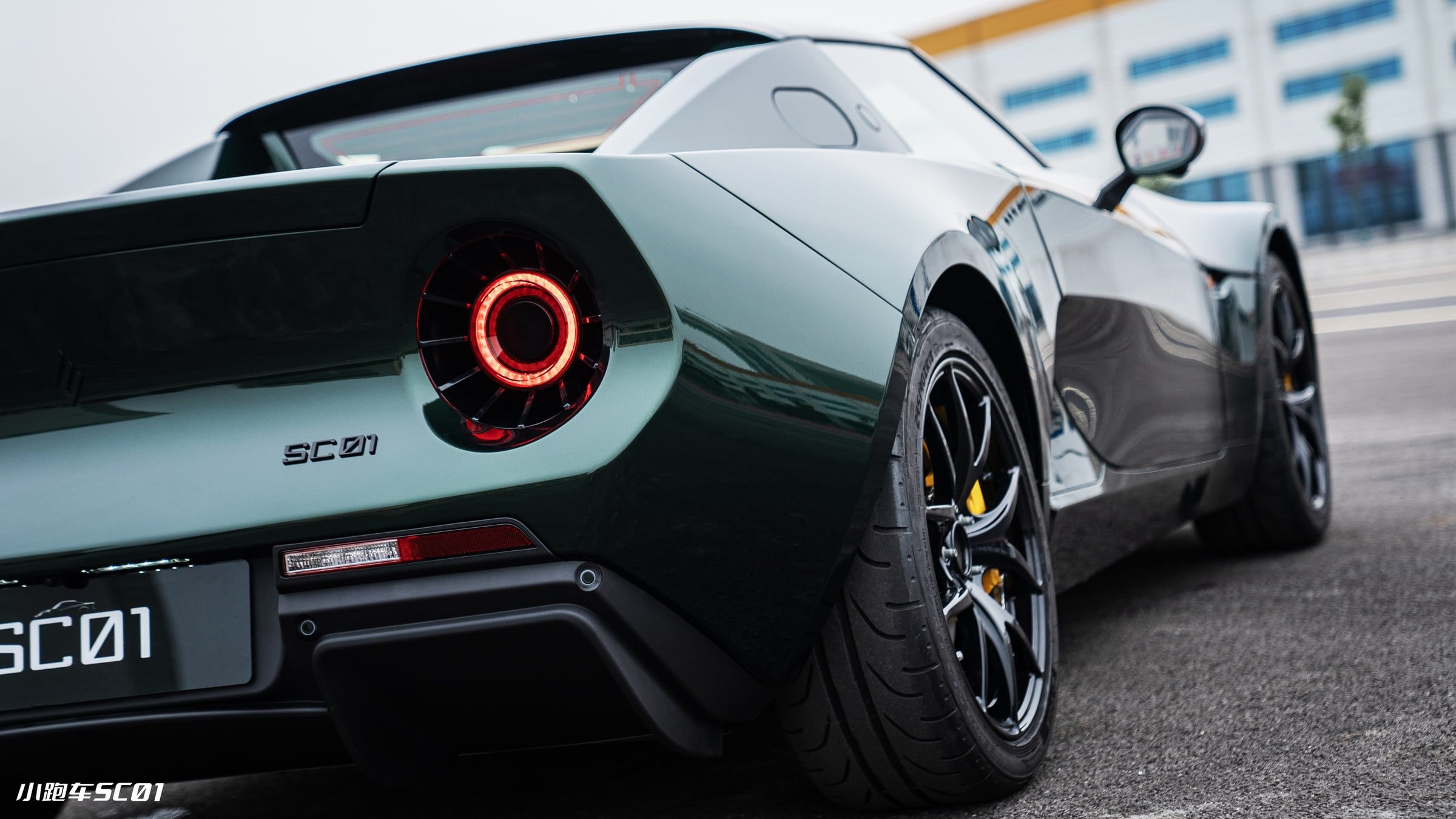
The official UK SC01 page describes the model as a two-seat coupe with a tubular spaceframe and a mid-engined layout. There is no conventional engine behind the seats. Instead, that space houses the traction battery, while one electric motor is mounted on each axle.
This battery placement differs from the common layout in which a flat battery pack occupies most of the space beneath the floor. The developers aimed to keep the heaviest components close to the centre of the car. The battery itself is not a structural part of the frame and, according to Autocar, is removable to simplify servicing.
Parameter | Claimed figure | What to consider |
|---|---|---|
Body | Two-seat coupe, tubular spaceframe | Final UK certification has not been completed |
Dimensions | 4106 × 1830 × 1170 mm | Wheelbase — 2503 mm |
Kerb weight | 1365 kg | Published for the current specification; the UK version may weigh more or less |
Powertrain | Two motors, 320 kW and 560 Nm | 429 British hp; maximum figures are achieved with all-wheel drive |
0–100 km/h | 2.9 seconds | Manufacturer claim; there is no independent test of the European version yet |
Top speed | 200 km/h | Equivalent to 124 mph on the UK model page |
Battery | 60 kWh, NMC lithium-ion | Located behind the passenger compartment |
Range | 520 km, or 311 miles | Chinese CLTC cycle; no WLTP result yet |
Peak charging power | 120 kW | The official 10%–80% charging time has not been disclosed |
How can an electric car be mid-engined?
In a conventional sports car, this term means that the engine sits behind the cabin but ahead of the rear axle. In the SC01, the battery takes on that role in terms of weight distribution. The motors are mounted on the axles, so the term primarily describes the position of the heaviest component rather than the literal location of the engine.
Why the 1365 kg weight really matters
A larger battery increases range, but it also adds weight and puts greater demands on the tyres and brakes. The SC01’s creators chose a different approach: its 60 kWh battery is noticeably smaller than the packs used by large, high-performance electric cars. This keeps the coupe in a weight class familiar from compact petrol sports cars and makes it lighter than many modern high-powered coupes.
Low weight matters for more than acceleration. It affects how quickly the car changes direction, how it brakes and how rapidly the tyres heat up on a track. However, a figure on a specification sheet does not guarantee sharp handling. That will depend on independent tests of the production car, as well as the steering calibration and suspension performance.
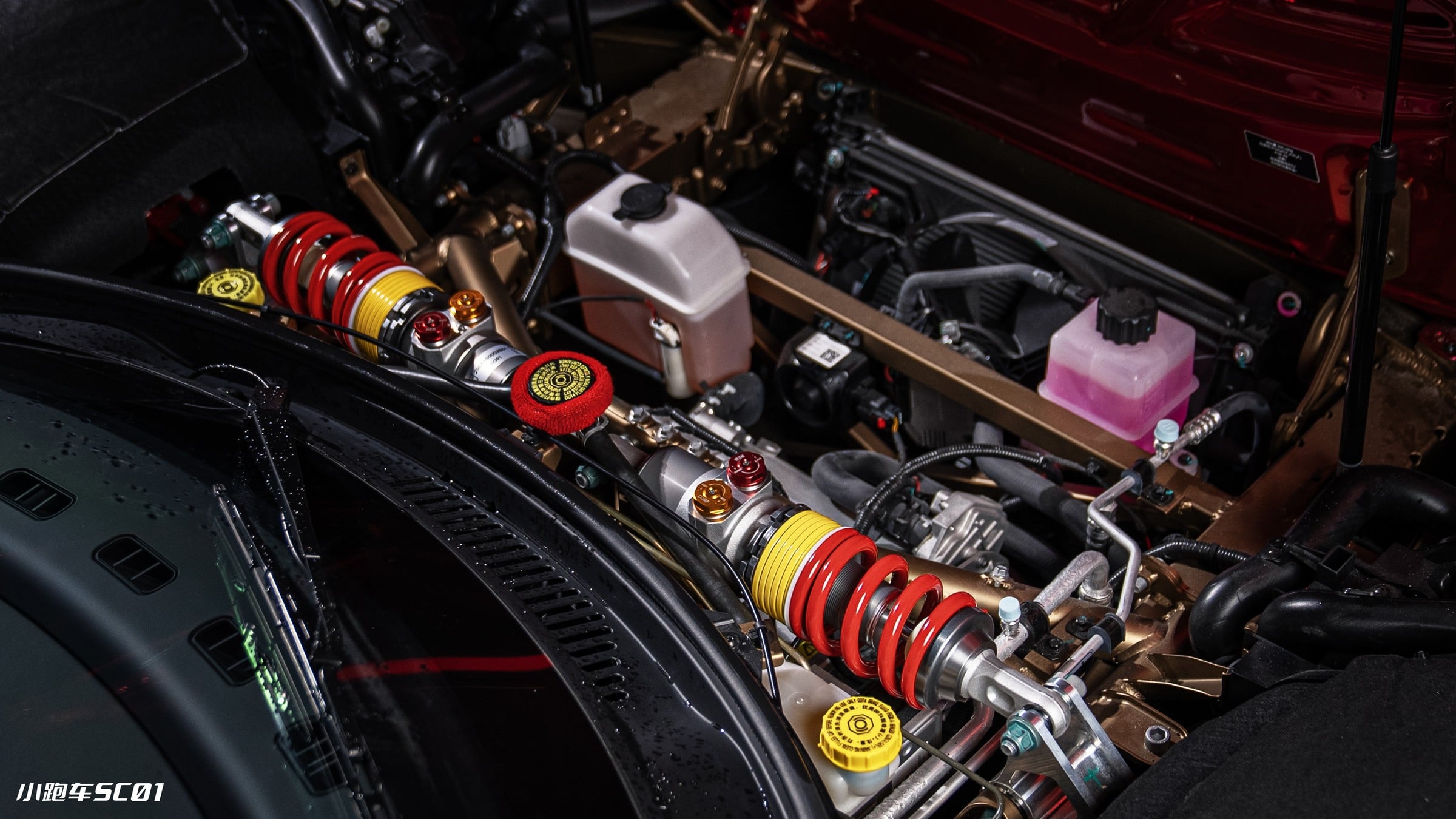
The front and rear suspension use horizontally mounted dampers actuated through pushrods. The manufacturer says the compression and rebound can be adjusted manually. The driver can also switch between front-, rear- and all-wheel drive. This is unusual for a road-going electric car: the SC01 allows the driver to change not only the electronic modes but also which axle drives the car.
A simple cabin is part of the design, not just a cost-cutting measure
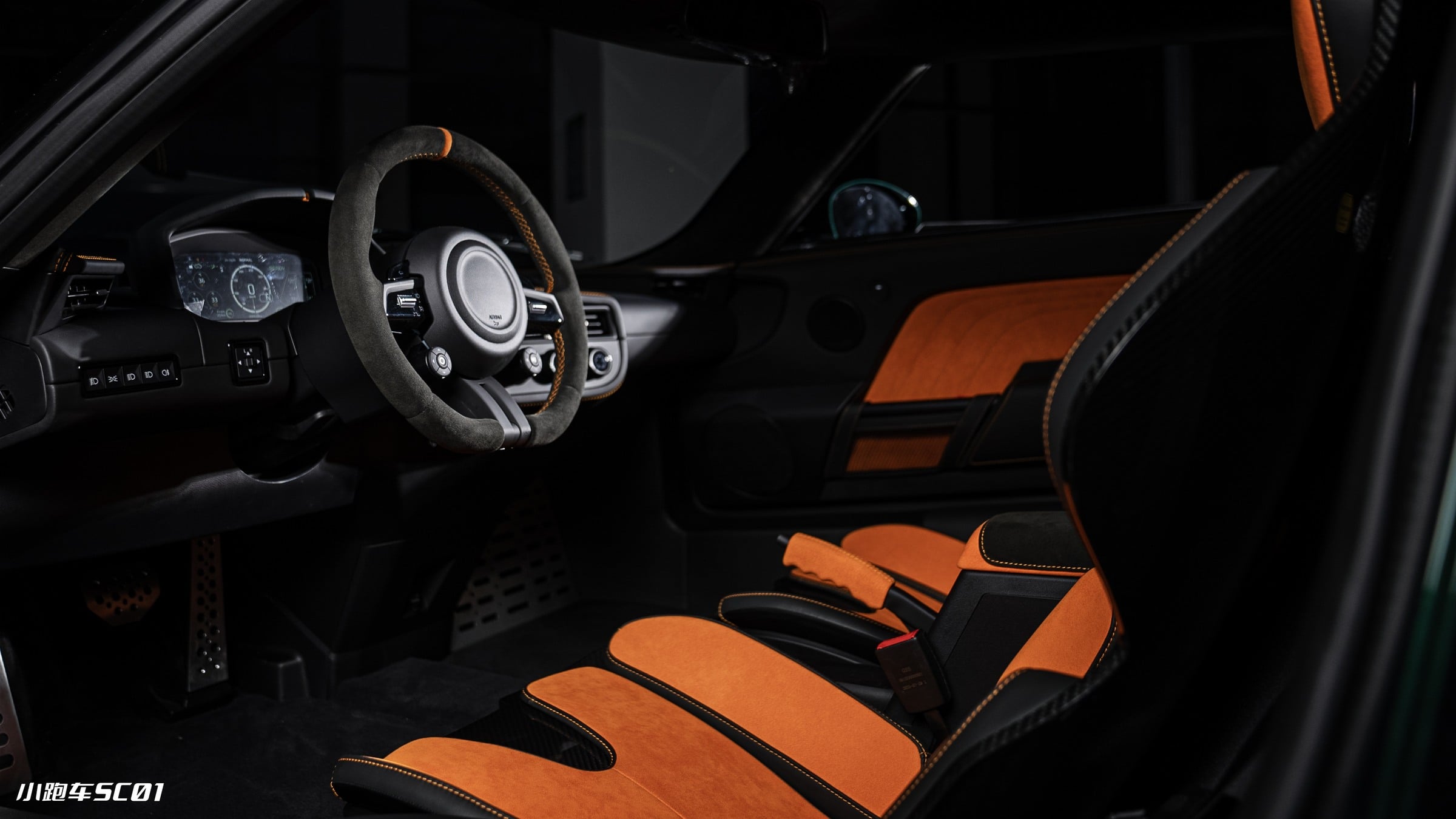
There is no large infotainment display in the cabin. Key information appears on the screen in front of the driver, the climate control system is operated using physical buttons, and the parking brake has a conventional mechanical lever. Carbon-fibre bucket seats are fitted.
The British company also highlights the absence of intrusive ADAS features. That may appeal to enthusiasts, but the equipment will depend on the requirements of each market. ABS, stability control and two airbags are listed, although the full safety-system specification for the right-hand-drive version has not yet been published.
Why the claimed 520 km range cannot be compared directly with European EVs
The 520 km range figure was achieved under the Chinese CLTC cycle, not the European WLTP test. The two methods use different driving conditions, so comparing the figures directly would be misleading. The future UK version does not yet have a certified WLTP figure.
The complete charging curve has not been disclosed either. A peak of 120 kW indicates only the maximum power the car can accept at a particular point. To assess long-distance travel, buyers need the 10%–80% charging time, battery performance in cold weather and the speed of repeated rapid charging. The manufacturer has not published these details yet.
When and at what price will the SC01 arrive in Europe?
The brand’s UK website says the launch is planned for spring 2027. Autocar gives a more specific target of April 2027 and an expected price of around £50,000. However, there is no official price list yet, so this figure should not be treated as confirmed.
The European SC01 website has opened registration for a priority list and announces a limited run of 1000 examples. It does not explain how many cars each market will receive or whether the UK allocation is included in the same limit.
According to Autocar, the importer is considering Individual Vehicle Approval or small-series certification to gain access to British roads. This is a logical route for a niche model, but the final process has not been announced. The official procedure for individually imported and small-series vehicles is described on the UK government website.
What to check before ordering a European SC01
the final price, including taxes and delivery costs;
certified weight and WLTP range;
warranty terms for the car and traction battery;
the location of service centres and parts delivery times;
10%–80% charging speed and whether the battery can be preconditioned before using a rapid charger;
the final list of safety systems fitted to the UK or European version.
What is confirmed about the SC01, and what remains a promise?
The SC01 is already being built and sold in China, so this is not a non-production concept with no manufacturing base. Its twin-motor layout, 60 kWh battery, spaceframe chassis and Chinese starting price have been confirmed. A British importer is in place, and the market launch is scheduled for spring 2027.
The final European price, WLTP figure, homologated weight and exact timing of the first deliveries have not been confirmed. Until those details are published, the SC01 is most notable for its approach: instead of creating a heavy electric grand tourer, the developers built a compact coupe with a moderate-sized battery, a straightforward cabin and an adjustable chassis. Testing of the production right-hand-drive version will show how convincingly that formula works on the road.