
Genesis is taking a step that, only a few years ago, would have seemed almost unbelievable. The South Korean premium brand, which built its reputation on design, comfort, and calm confidence, is moving into one of the toughest arenas in global motorsport: endurance racing.
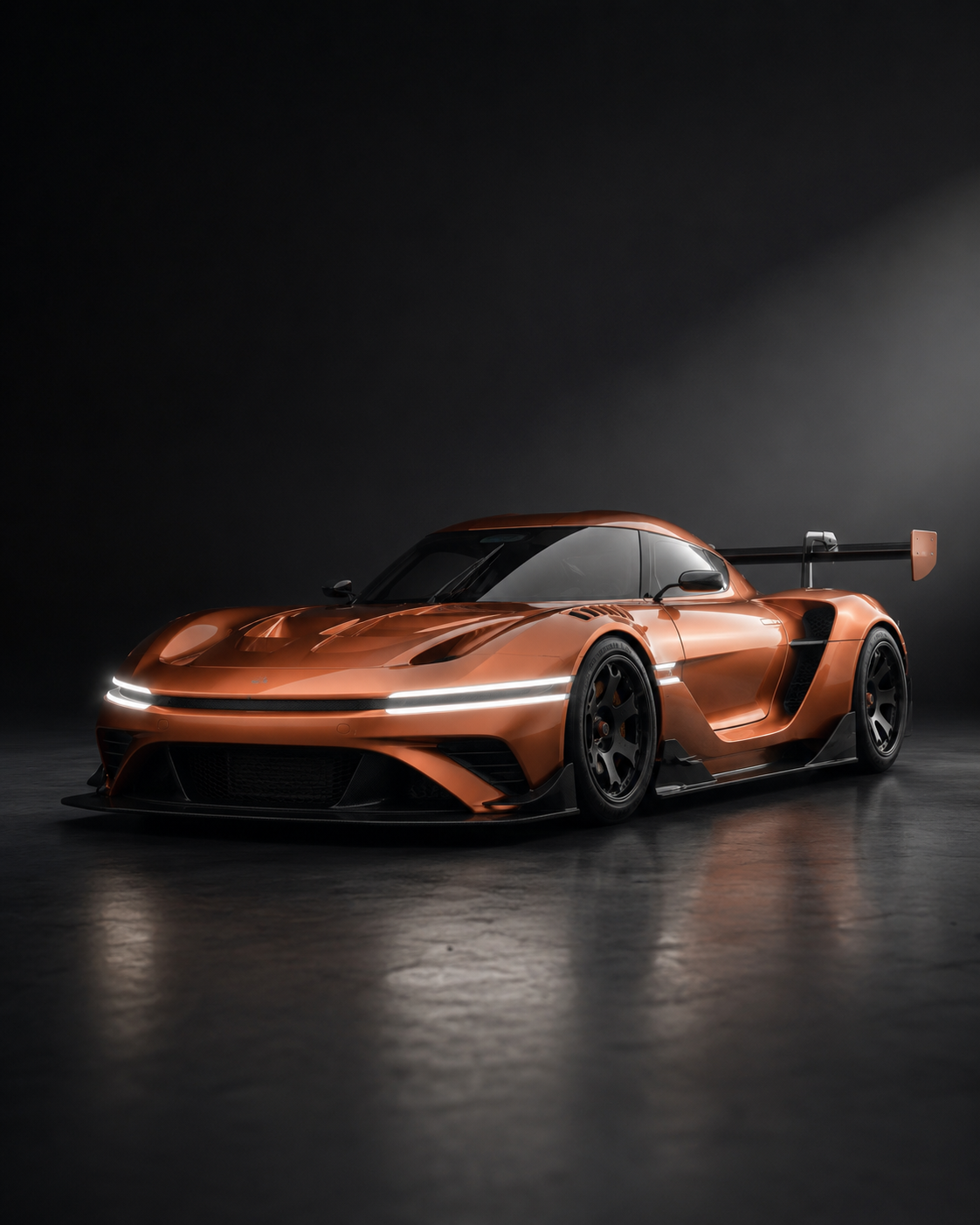
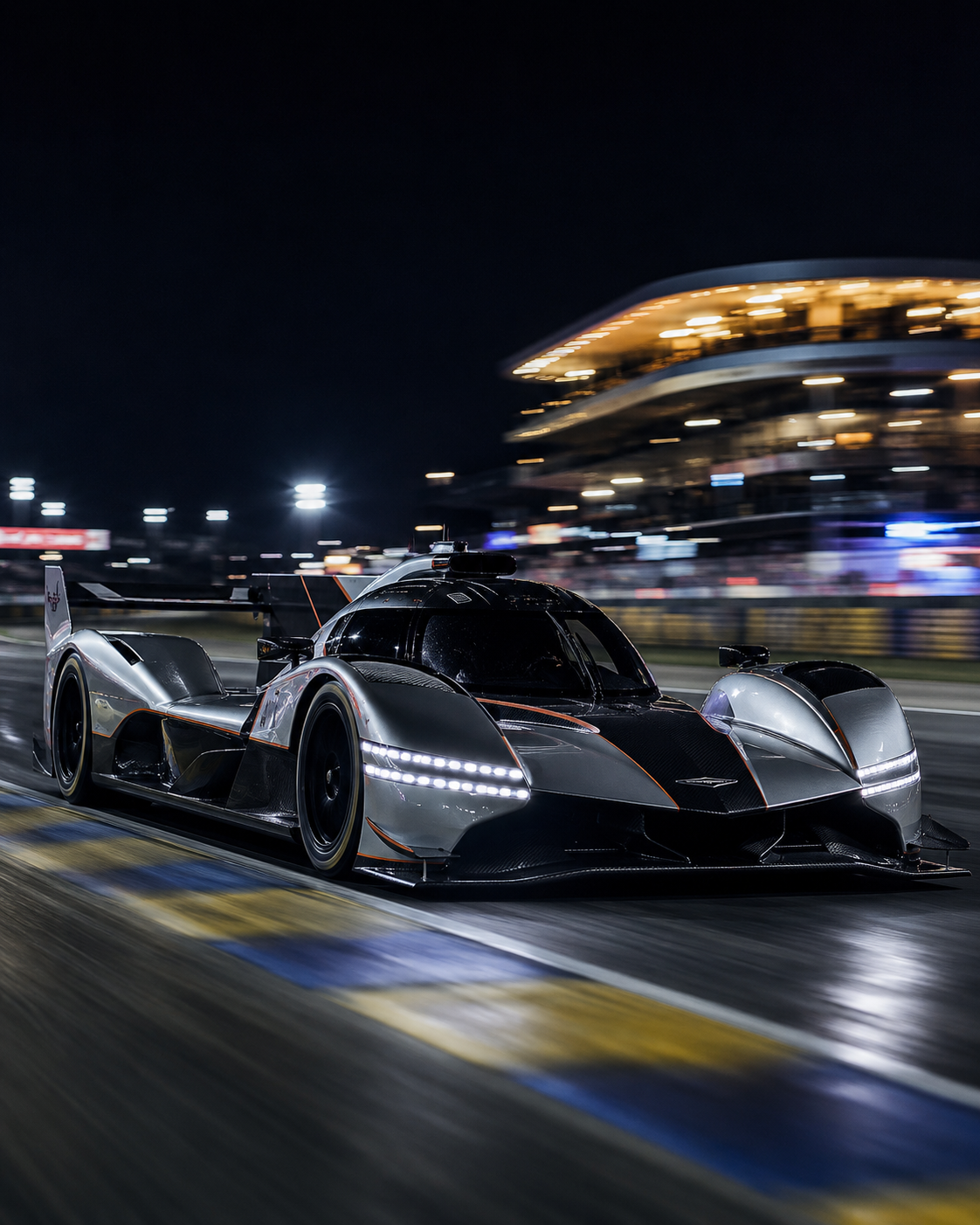
This is not just about a stylish presentation or another show concept for an auto show. Genesis is entering the Hypercar class with the GMR-001 prototype, while also unveiling the Magma GT3 Concept — a car that shows just how seriously the brand is taking high speeds, racing culture, and the future of customer motorsport.
For Genesis, this is a major moment. The brand no longer wants to be seen only as an alternative to German and Japanese premium marques. It wants to speak the language that all car enthusiasts understand: speed, endurance, engineering, risk, and character.
Genesis and Le Mans: why is this more than a sports headline?
Le Mans is not an ordinary race. It is 24 hours in which the car, the team, the drivers, and the engineers are put to the test. Being fast over one lap is not enough here. You have to be consistent at night, precise in the rain, reliable after hundreds of laps, and strong when fatigue has already become part of the race.
For a newcomer, that kind of entry is a huge challenge. This is especially true for a premium brand that wants to use motorsport not only as advertising, but as part of its own identity.
What does the Hypercar class mean?
The Hypercar class is the peak of modern endurance racing. It features the most advanced sports prototypes built for long-distance competition. For Genesis, competing in this class means moving to a level where the brand image is tested not by words, but by results on track.
The GMR-001 becomes the symbol of this new ambition. It is a car meant to show that Genesis can do more than create striking road cars — it can also perform under the pressure of fierce racing competition.
GMR-001: Genesis Magma Racing’s first major step
The Genesis GMR-001 is a racing prototype developed for the LMDh category. It was created with experienced technical partners and uses a hybrid architecture that matches modern endurance racing regulations.
At its core is a carbon-fiber monocoque, advanced aerodynamics, a hybrid system, and a twin-turbo V8 gasoline engine. For Genesis, this is not just the first major Hypercar project. It is a technology lab in which every solution has to work at speed, under load, and for many hours.
Why is the GMR-001 important for the brand?
Because motorsport changes how a brand is perceived. When a brand enters Le Mans, it steps into a space where not only design and marketing matter, but engineering integrity as well.
If a car survives a long race, if a team learns to manage pace, tires, energy, fuel consumption, and strategy, that gradually builds a new technical culture. Projects like this often become the foundation for future road cars.
Magma GT3 Concept: a hint at a new sporting chapter
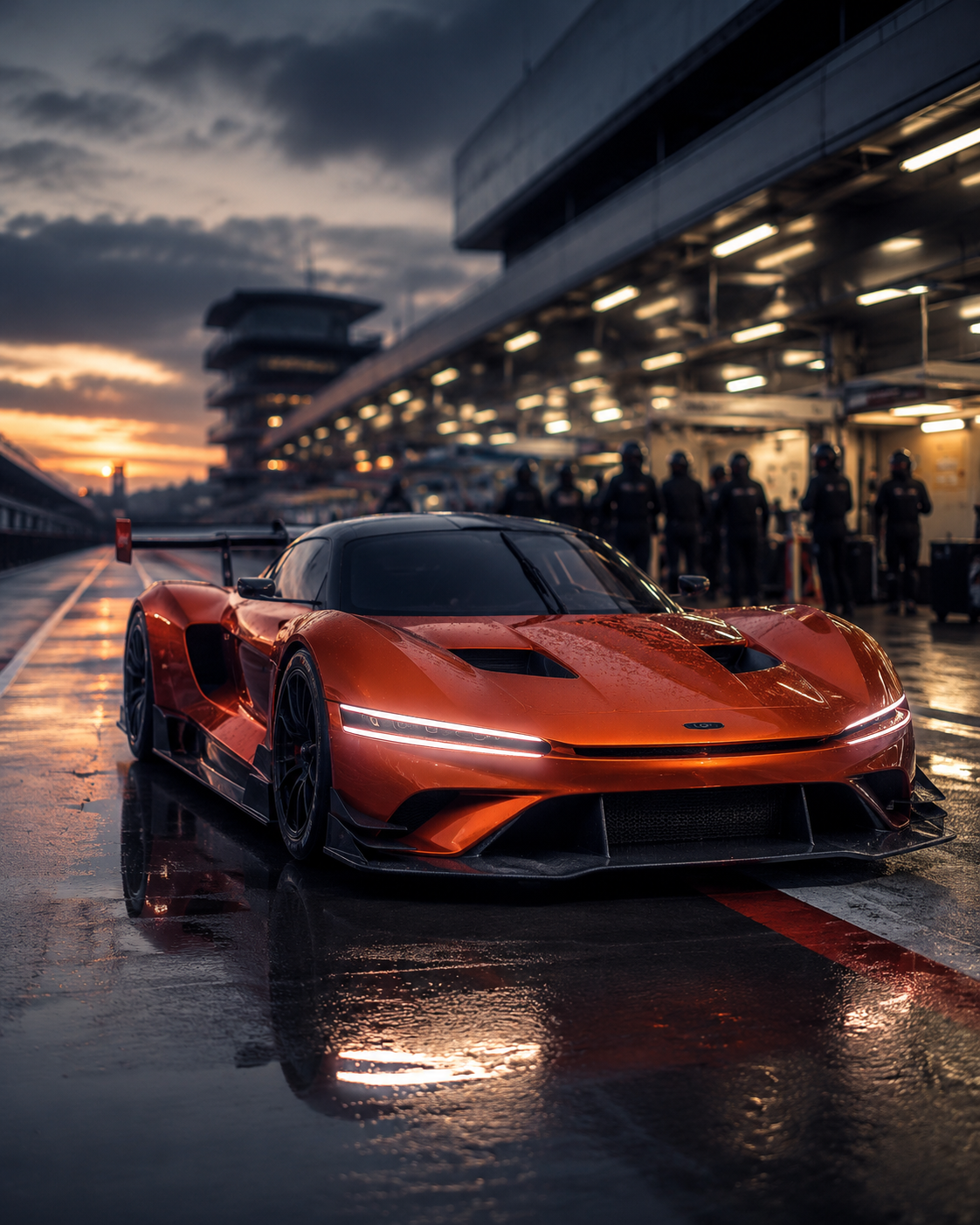
Against the backdrop of the GMR-001 project, the Genesis Magma GT3 Concept drew particular attention. This car shows that Genesis is not only thinking about the top level of prototypes, but also about the GT3 world, which is closer to production cars.
GT3 is a special category. In it, race cars are visually and philosophically linked to road-going sports cars. That is why the Magma GT3 Concept looks like an important signal: Genesis may be looking at motorsport more broadly than a single Hypercar program.

What do we know about the Magma GT3 Concept?
The Magma GT3 Concept is based on the Magma GT design idea. The car has a wider track, a racing body, pronounced aerodynamics, a fixed rear wing, and proportions that make it clear right away: this is not just a show car, but a concept shaped with GT3 requirements in mind.
It is important to stress that this is still a concept. The technical components, final architecture, and path for further development are still under review. But the very existence of such a car shows where Genesis is heading.
Magma GT: luxury turned into sport
The Magma GT has been one of Genesis’s most emotional creations in recent years. It is not a family sedan, not a crossover, and not just a design experiment. It is a sports grand tourer with assertive proportions, a low stance, a long body line, and a character that is noticeably different from the brand’s familiar models.
Genesis is trying to combine two ideas: premium softness and real sporting temperament. That is the philosophy of Magma.
The interior as part of the character
The Magma GT’s cabin stands out in particular. It is not built around a huge number of screens and cold digital display. Instead, the focus is on tactility, materials, the driving position, and the feeling of the car as a personal space.
That is an important detail. At a time when many cars are starting to feel like gadgets, Genesis is trying to restore the sense of physical connection with the car. For a sporting brand, that matters even more.
Why is Genesis betting on Magma?
Magma is not just a new color, an appearance package, or a sporty badge. It is an attempt to create Genesis’s own high-performance identity.
BMW has M, Mercedes-Benz has AMG, and Audi has RS. Genesis also needs its own performance language. But the Korean brand cannot simply copy German formulas. It has to build its own character.
What could set Genesis apart?
Genesis is betting on a combination of:
expressive design;
a premium atmosphere;
racing engineering;
emotional presentation;
restrained but confident aggression;
a link between road cars and motorsport.
It does not necessarily have to be the loudest or most extreme approach. Genesis can carve out its own place: performance without unnecessary theatrics, speed without losing refinement.
The social and cultural meaning of this news
The news about Genesis at Le Mans and the Magma GT3 Concept matters not only to motorsport fans. It shows how South Korea’s car culture is changing.
Not long ago, Korean brands were seen mainly as makers of practical, reliable, and affordable cars. Then came more mature Hyundai and Kia models, and Genesis began building a premium reputation. Now the brand is entering territory where it must compete with names that have spent decades writing motorsport history.
Why does this matter without exaggeration?
It would be premature to say that Genesis is already on par with the most legendary racing brands. But the key point is different: the marque is taking a serious step into an area where reputation is built over years.
For younger car fans, this can be an inspiring example. It shows that the automotive industry no longer belongs only to the old centers of power. New brands can also aim for Le Mans, build racing programs, and shape their own sporting culture.
What does this mean for future Genesis road cars?
Racing projects rarely remain isolated. Even if the technology does not carry over directly into production cars, it influences the way engineers and designers think.
Hypercar and GT3 experience could show up in future Genesis models through:
more precise chassis tuning;
improved aerodynamics;
new materials;
a more pronounced sporty design;
greater emphasis on cooling and reliability;
the development of high-performance Magma versions;
a more emotional connection between driver and car.
The main thing is not just power
A modern sports car cannot simply be fast. It has to be understandable, stable, emotional, and reliable. That matters especially if a brand wants to talk seriously about performance.
That is exactly where motorsport becomes valuable. It teaches a car not only to accelerate, but also to withstand stress.
Keeping expectations realistic
The Magma GT3 Concept looks very promising, but it should not yet be seen as a finished production car. Genesis is studying development options, components, and architecture. That means the final technical specifications, timing, and format of the future car are not yet defined.
Even as a concept, though, it matters. It shows that the brand is already thinking about the next step after Hypercar.
Genesis is becoming bolder
The most interesting thing in this story is the change in the brand’s character itself. Genesis began as a premium brand built around comfort, design, and quiet luxury. Now it is adding speed, racing, and ambition to that image.
That does not destroy the old identity. On the contrary, it makes it richer.
Genesis no longer wants to be only beautiful and comfortable. It wants to be desirable for people who love a car not only as a means of transport, but also as an emotion.
Conclusion
Genesis is stepping into new territory. Its entry into the Hypercar class with the GMR-001 and the unveiling of the Magma GT3 Concept show that the brand is serious about motorsport and wants to build its own racing story.
This is not an instant triumph or a ready-made legend. It is the beginning of a path. But it is a strong, confident, and important beginning.
If Genesis succeeds in combining luxury, engineering discipline, and racing passion, Magma could become more than a sub-brand — it could become the brand’s new emotional face.