 EN


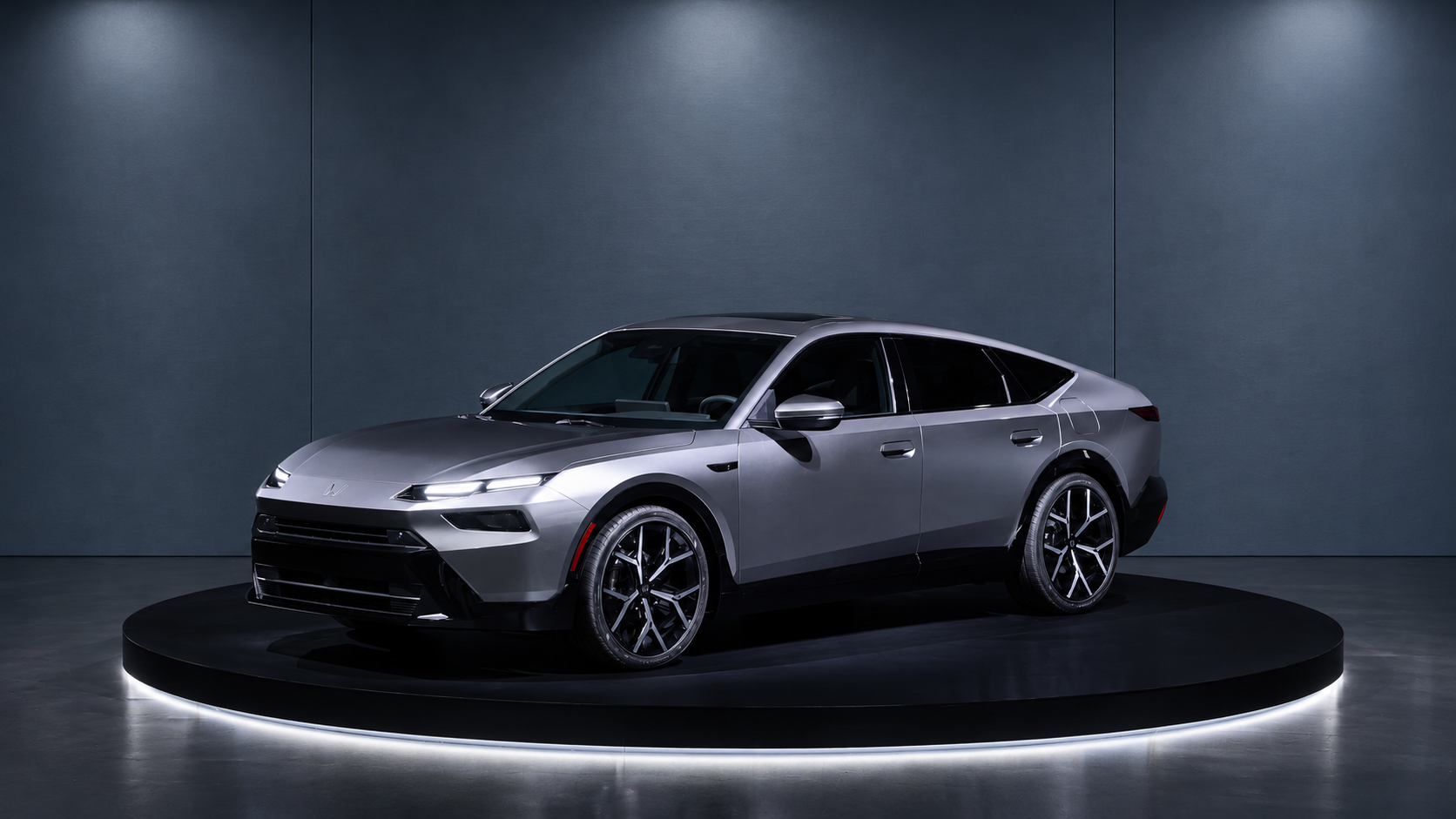
On 9 November 2026, Honda announced plans for a $3 billion vehicle plant in Ohio. Production is expected to start in 2029, but its first next-generation hybrids are due earlier, from 2027. The programme includes a Honda sedan, an Acura SUV and a separate development path for larger V6 hybrids.
What Honda will build in Ohio, and why the plant will support more than hybrids
The facility will sit between Honda’s existing Marysville and East Liberty plants. Planned capacity is 240,000 vehicles a year. Honda’s official announcement makes the expected 2029 start conditional on final government approvals.
The plant will be able to build hybrids, gasoline vehicles and battery EVs. That flexibility will let Honda adjust the production mix as demand changes. The company has not named the models assigned to the new site.
Why the new hybrids need not wait for the plant
New hybrid production and the new factory opening are separate milestones. Honda is already retooling existing facilities: Ohio is preparing for next-generation hybrid systems and a four-cylinder Atkinson-cycle engine, while Alabama is preparing for a new V6 for hybrids.
Honda Hybrid: what changes after e:HEV
On 9 October 2026, the company announced Honda Hybrid as the name of its next-generation hybrid system. Its global rollout starts in 2027. Honda plans 15 models using the technology by 31 March 2030, primarily for North America.
The system builds on experience with the two-motor e:HEV layout. Honda is developing the engine, drive unit and control electronics. Announced changes include a wider high-efficiency engine operating range, a more compact drive unit, a new platform and electric all-wheel drive, e-AWD.
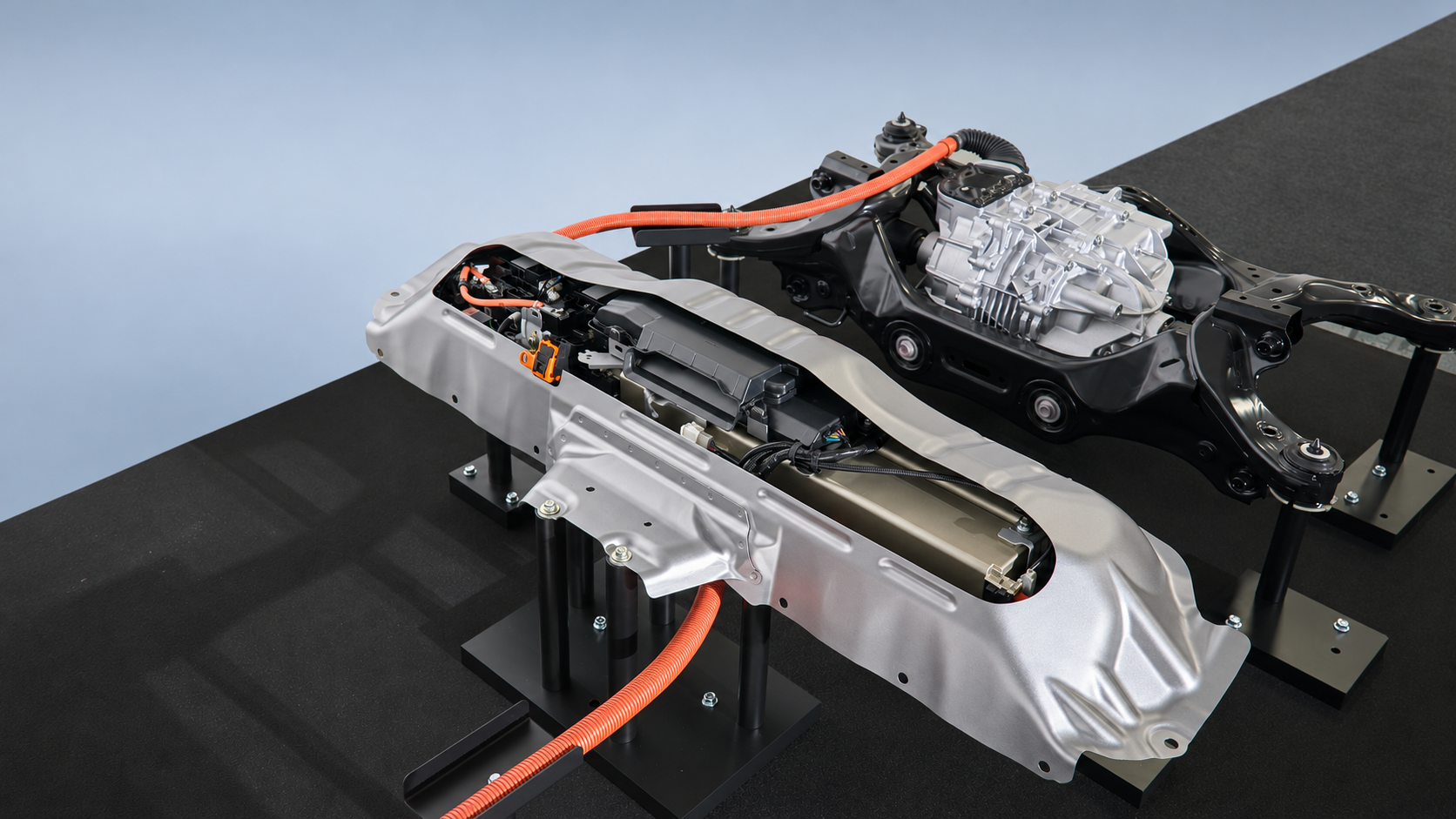
In the current two-motor arrangement, one motor generates electricity and the other drives the wheels. The word “hybrid” therefore says relatively little about a vehicle’s hardware: the actual system, drivetrain and version specifications matter more. Honda Hybrid also names a technology family, rather than a single model.
Which vehicles have already been shown
On 14 May 2026, Honda unveiled two prototypes at its business strategy briefing: the Honda Hybrid Sedan Prototype and Acura Hybrid SUV Prototype. At the time, the company planned to launch production vehicles based on them within the following two years.
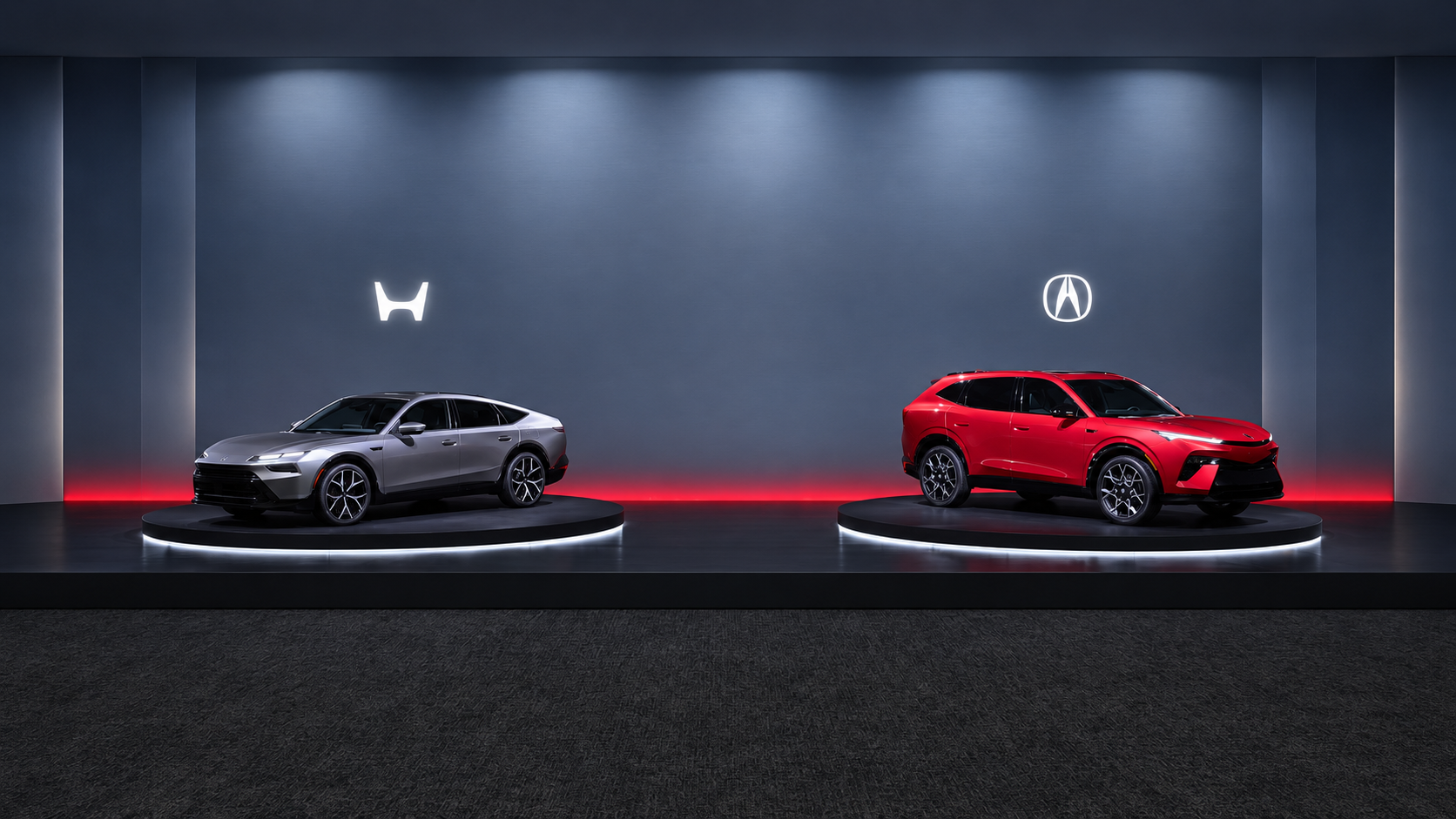
The names confirm two directions: a sedan and an SUV. They do not yet provide a complete list of future models, trims or sales markets.
Programme | Announced timing | What is known |
|---|---|---|
Next-generation Honda Hybrid | From 2027 | Start of the global system rollout |
Honda sedan and Acura SUV based on the prototypes | Within two years of 14 May 2026 | Production versions announced; detailed specifications remain undisclosed |
Large hybrid models | 2029 | North American launch, D-segment and above |
Honda Hybrid range expansion | By 31 March 2030 | Plan for 15 models worldwide, primarily for North America |
Why larger hybrids need a new V6
For larger vehicles, Honda is developing a separate hybrid system with a new V6, drive units and battery. Its objectives include efficiency and pulling capability, including towing. The development targets vehicles in the D-segment and above.
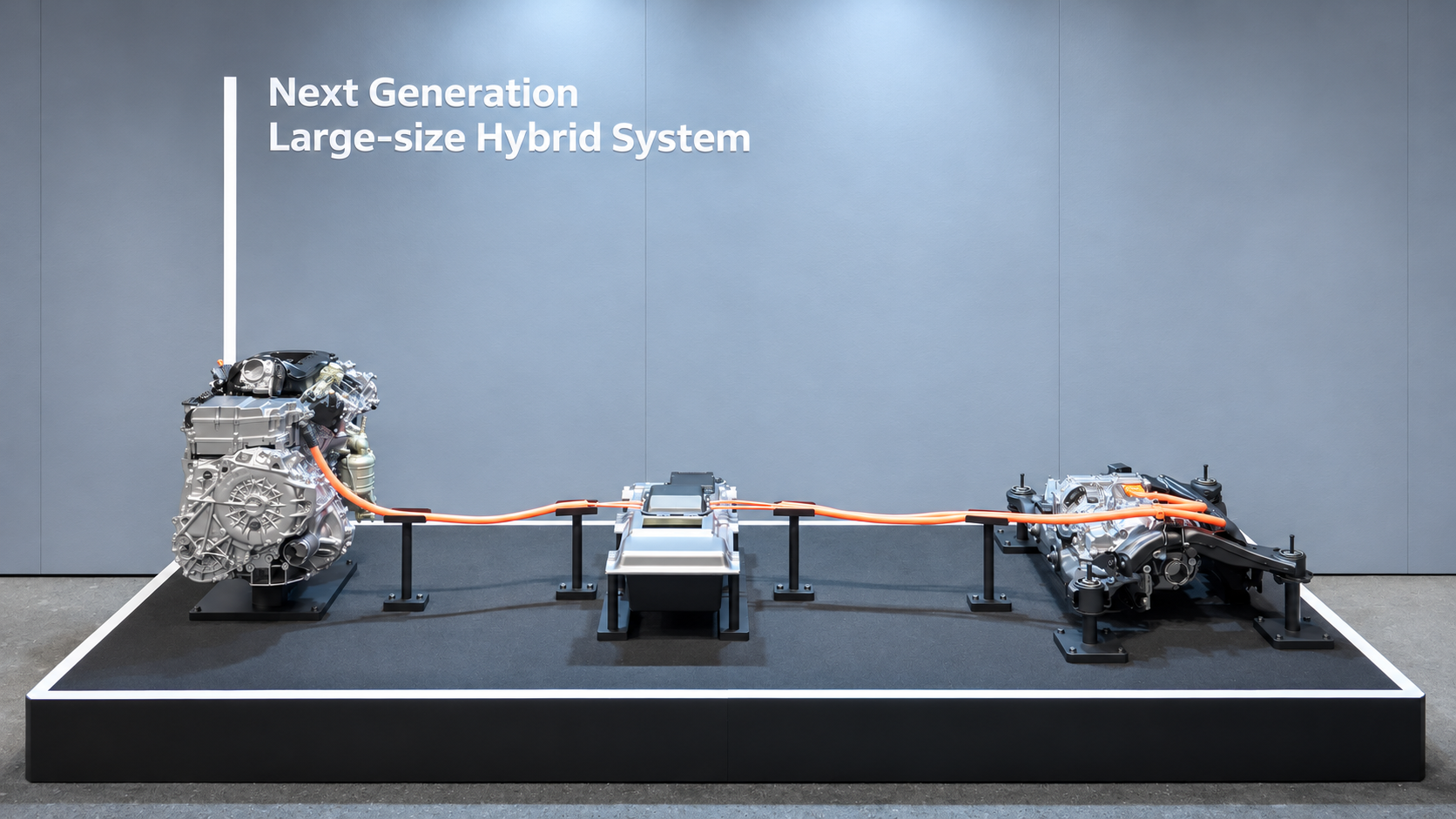
MotorTrend links this programme to models such as the Pilot, Passport, Ridgeline, Odyssey and Acura MDX. The list helps explain the potential applications, but it is not an official launch schedule. Honda’s November release confirms preparations for V6 production without assigning future versions to individual models or dates.
90 kg: what Honda actually made lighter
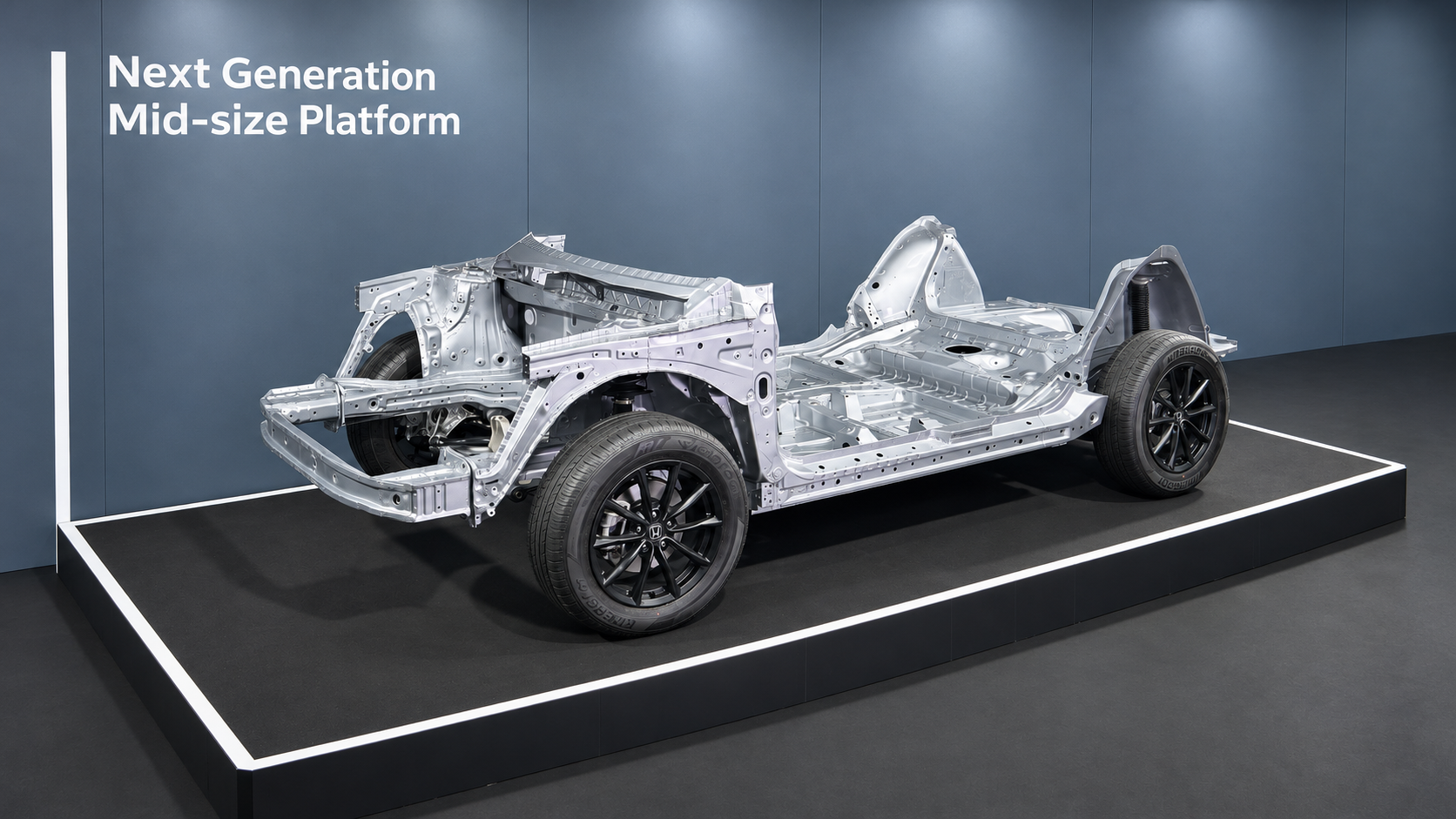
Honda’s technical materials report a 90 kg reduction in the new hybrid platform’s weight compared with the current platform, achieved through changes to body construction and design methods. This compares platforms; it does not mean every future car will weigh exactly 90 kg less than its predecessor. Dimensions, battery, drivetrain and equipment also affect final vehicle weight.
Will a cheaper hybrid system mean cheaper cars?
Honda aims to reduce the cost of its next-generation hybrid system by more than 30% against the system introduced in 2023. Combining the new system, platform and electric all-wheel drive, it also targets an improvement of more than 10% in the fuel economy of a next-generation hybrid model.
A 30% reduction in system cost does not mean a 30% reduction in vehicle price. This is a manufacturing target for one set of components. It does not determine a finished car’s price in a particular country. The efficiency figures are also development targets, rather than independent test results for production cars.
What to check before buying
If you are choosing a Honda or Acura now, distinguish expectations for future technology from the specifications of a car already on sale. A comparison with the next generation will require:
The chosen model’s sales launch date in your own market.
The price of the specific trim and warranty terms for hybrid components.
Certified fuel-economy figures, drivetrain type and permitted trailer weight.
Confirmation of the exact hybrid system fitted to the vehicle.
The announced programme is focused primarily on North America. A global plan for 15 models does not mean every one will arrive in every country at the same time. For a buying decision, the local launch date and specification of the version you want matter more than the factory’s overall opening date.