 EN
EN
Frequently asked questions
Include the vehicle price, insurance, maintenance, fuel or charging, taxes, registration fees, parking, toll roads, depreciation and possible repairs.
Create a table of all ownership expenses, add them together and divide the total by 12 to estimate the monthly cost.
A car that costs less to buy may be more expensive to operate because of higher insurance, fuel consumption or repair costs. Comparing several models can show which is truly affordable.
How to calculate the real cost of owning a car
Buying a car is not just the purchase price. True expenses consist of many factors: insurance, fuel, maintenance, taxes and possible repairs. Many buyers focus only on the vehicle price and are later surprised why running costs exceed expectations. Personal experience shows that proper budget calculation before purchase helps choose the optimal car and avoid financial difficulties.
Main expense items
Car insurance
Insurance is a mandatory expense for every driver. Rules vary by country, but the basic elements remain: compulsory liability insurance, optional comprehensive coverage and personal accident insurance. Cost depends on the brand, vehicle age, driver experience and region. It is important to account for this expense in advance to understand the real annual cost of owning the car.
Maintenance and repairs
Regular maintenance and possible repairs are another major expense. This includes oil changes, filters, brake pads, tires, and scheduled inspections of the engine and transmission. For premium or rare models, maintenance costs can be several times higher than for mass-market cars.
Fuel and energy consumption
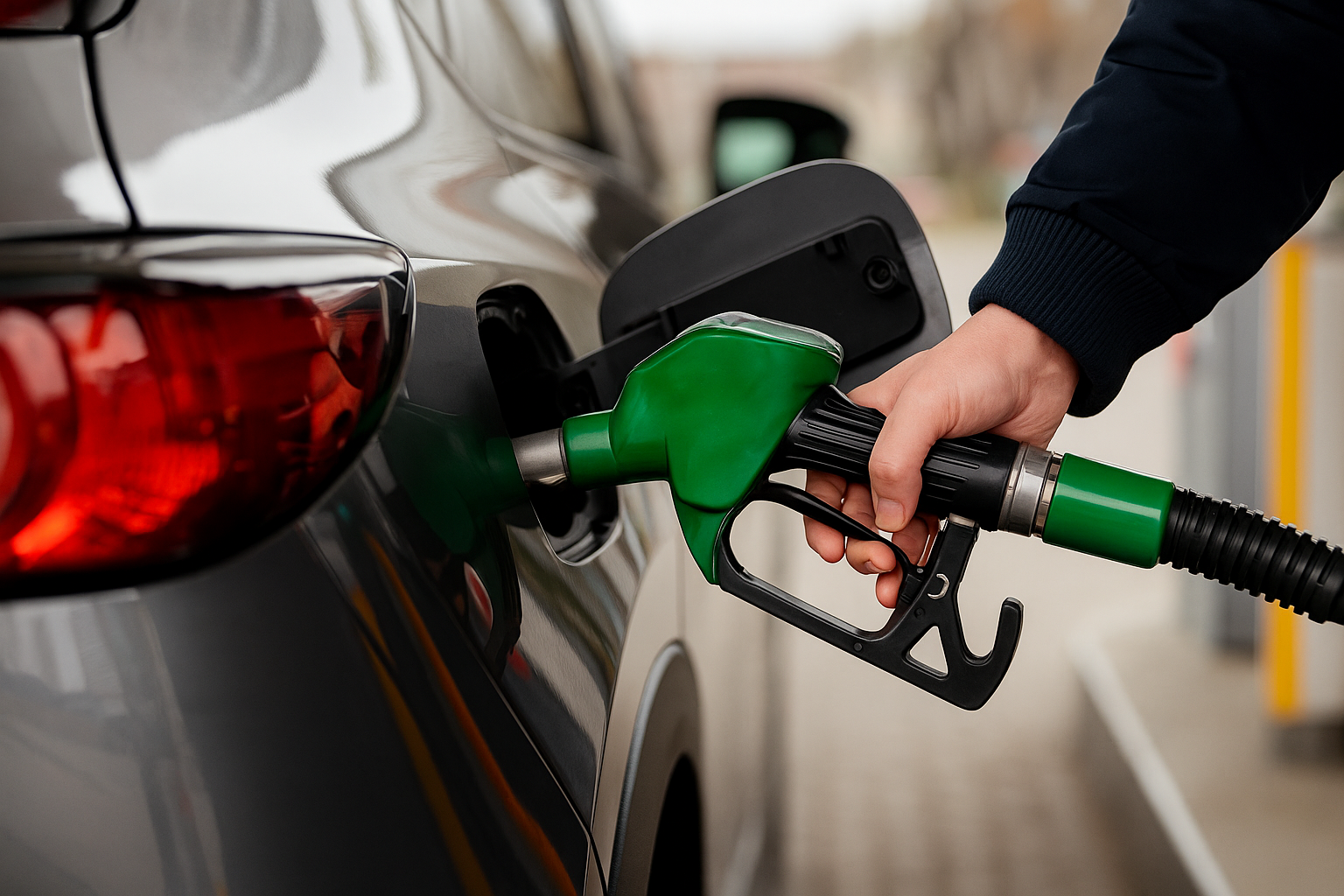
Petrol, diesel, electricity
Fuel consumption directly depends on engine type and driving style. Small cars are more economical, while powerful cars and SUVs are more expensive to run. For electric vehicles, account for charging costs, availability of stations and electricity tariffs. Calculating average fuel consumption and annual cost helps assess the real impact on your budget.
Trip forecasting
Analyze how many kilometers per month you plan to drive. The higher the mileage, the greater the expenses for fuel, as well as for maintenance and wear of parts. It is recommended to keep an expense log to get an accurate understanding of the budget.
Taxes and mandatory payments
Registration fees and road taxes
Each country has its own vehicle tax rules. This can include an annual road fee, vehicle tax or environmental levy. Check current rates for your region and include them in your budget calculation.
Parking fees and toll roads
For city residents, parking and toll road expenses are important. Even if these costs seem small, they can significantly increase the cost of owning a car when summed over time.
Depreciation and loss of value
Vehicle price decline over time
Cars lose value every year. The average rate is 15–25% per year for new cars and less for used ones, but it depends on brand, model and condition. When planning a purchase, consider that after several years you will get less at resale than you spent.
Impact of mileage and condition
The higher the mileage and the older the car, the faster its value falls and the higher the likelihood of additional repair expenses. Include this factor in your budget calculation to avoid ending up with an expensive car and high running costs.
Practical method to calculate the real cost
Make a list of all expenses
For an accurate calculation, create a table: vehicle price, insurance, maintenance, fuel, taxes, parking, tolls, depreciation and possible repairs. Sum these expense items and divide by 12 months to understand monthly costs.
Compare different options
Apply the calculation to several models to understand which car is truly affordable. Sometimes a car that is cheaper to buy turns out to be more expensive to run due to high insurance, fuel consumption or repair costs.
Tips to optimize expenses
Choose economical and reliable models
Cars with low fuel consumption and affordable spare parts will help save throughout ownership. Reliable models reduce the risk of costly repairs and decrease unexpected expenses.
Plan maintenance in advance
Regular scheduled maintenance and timely replacement of consumables help avoid major breakdowns and save your budget. Create a maintenance calendar and include it in your ownership cost calculation.
Conclusion
The real cost of ownership is more than the purchase price
Understanding all expense items allows you to choose a car that truly matches your budget and lifestyle.
Responsible calculation saves money and nerves
Thorough analysis of insurance, maintenance, fuel, taxes, depreciation and other expenses helps you understand in advance whether you can afford the chosen car and how to make ownership as comfortable and cost-effective as possible.