 EN


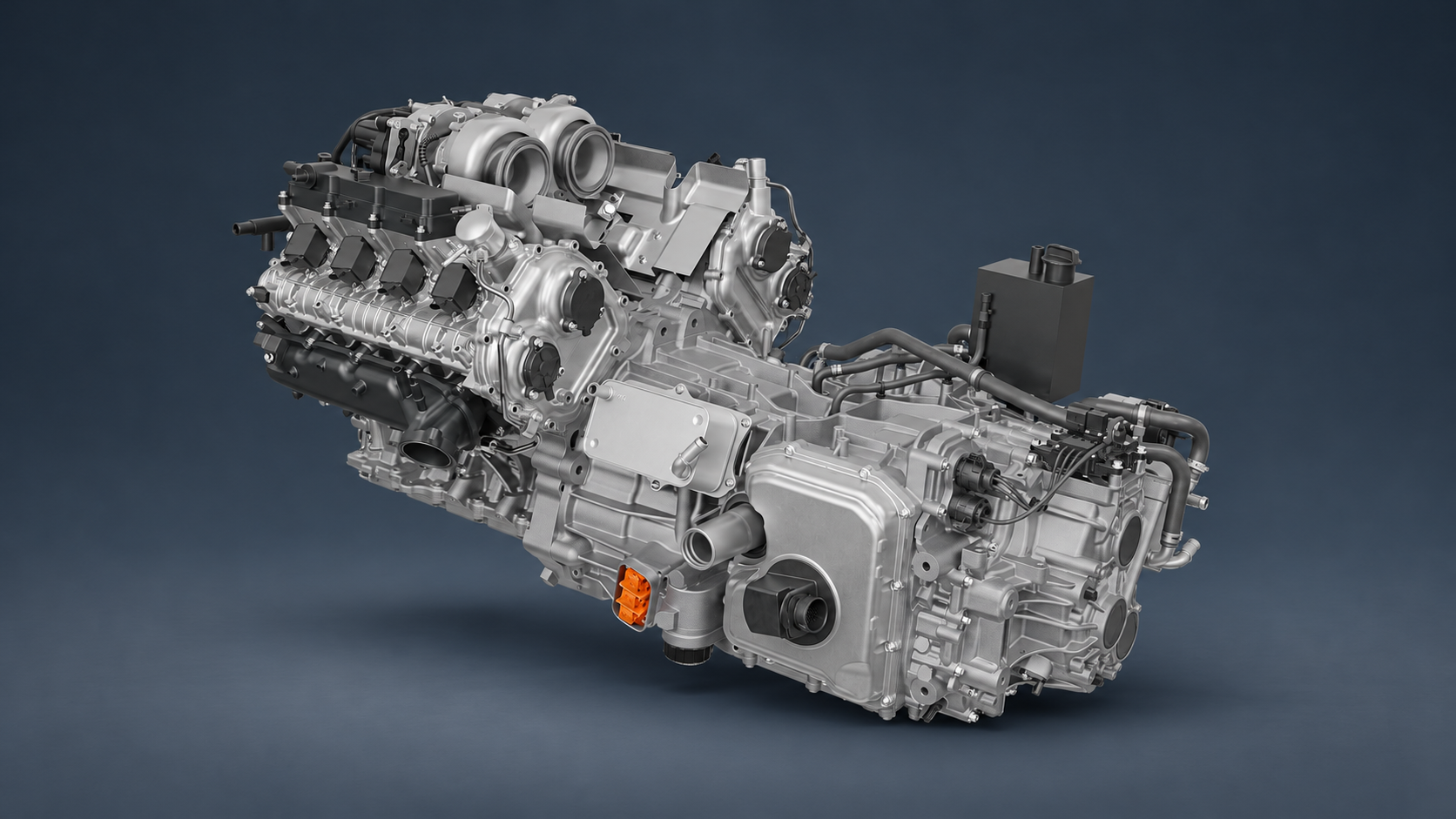
On 10 November 2026, HORSE Powertrain unveiled the W40, its first production-ready V8. The twin-turbocharged four-litre engine produces more than 500 kW, or around 680 metric horsepower, at a stated weight of 200 kg. It was developed for hybrid powertrains, and the first car to use it will be the Lotus Type 135.
The official HORSE announcement covers two components: the W40 engine and the eight-speed 8LDCT hybrid transmission. They will debut together in the future Lotus. A production-ready engine does not mean the car itself is already on sale.
Which specifications have been revealed?
Manufacturer specifications for the HORSE W40 and 8LDCT transmission
Parameter | Manufacturer’s figures |
|---|---|
Engine | 4.0-litre V8 |
Forced induction | Two turbochargers, hot-V layout |
Peak combustion-engine output | Over 500 kW, around 680 metric hp |
Maximum engine torque | 800 Nm |
Engine weight | 200 kg |
Engine installation | Longitudinal |
Transmission | 8LDCT, eight speeds, wet dual clutch |
Maximum permitted peak transmission input torque | Up to 1,050 Nm |
Claimed shift response | Under 20 ms |
Why do reports mention both 670 and 680 horsepower?
The difference is the unit of measurement. 500 kW is approximately 680 metric horsepower, commonly used in Russian-language specifications, or 671 mechanical horsepower in the Anglo-American system. Similar figures in different publications can therefore describe the same engine. For the W40, the safest reference is HORSE’s original wording: more than 500 kW.
What hot-V means and how the W40 is arranged
A V-engine has two banks of cylinders. In a hot-V layout, the turbochargers sit between those banks, inside the V. This makes the turbocharger installation compact, but requires careful management of heat in the engine’s central area.
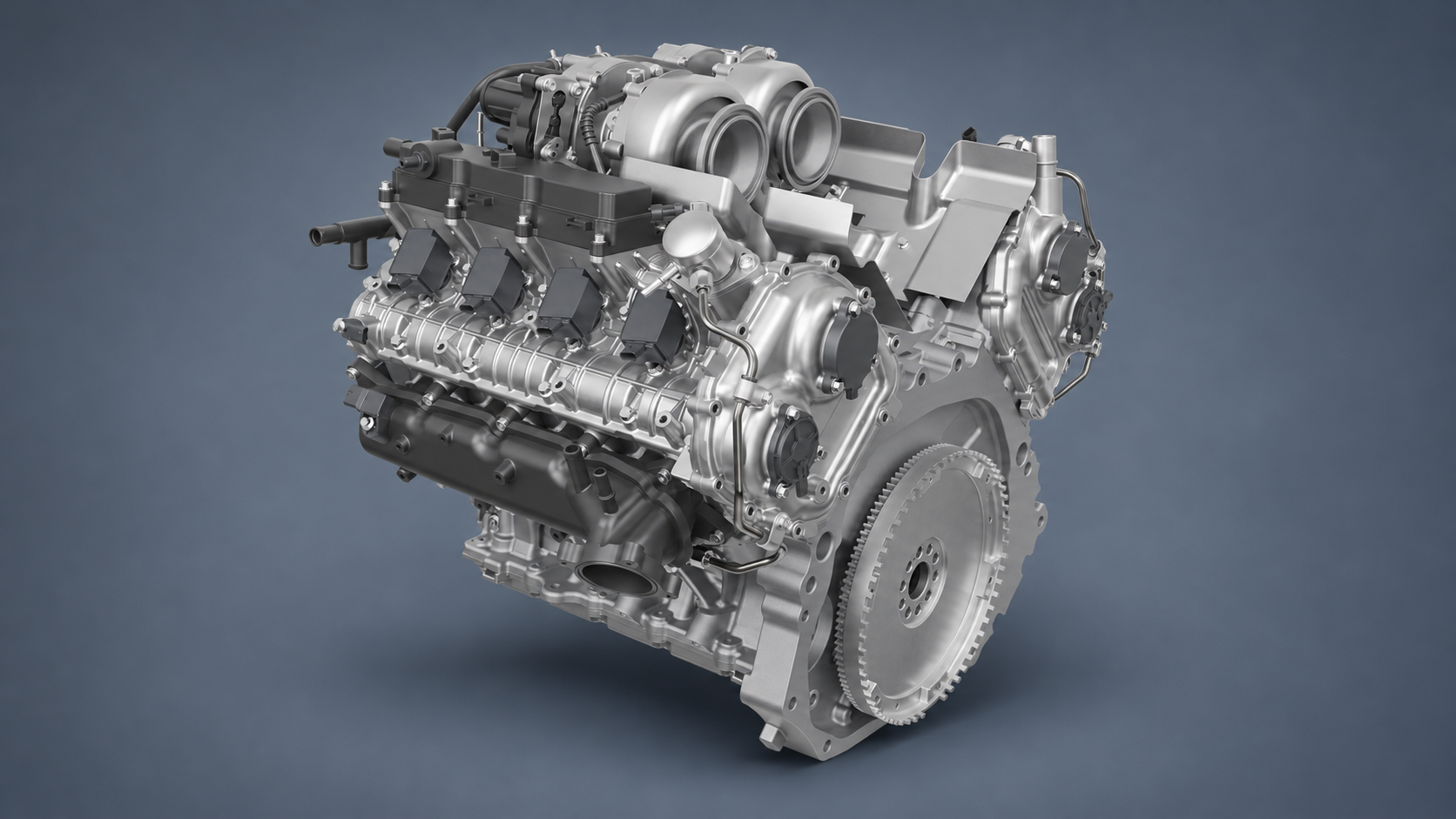
HORSE also specifies direct fuel injection and a shortened turbocharger intake path. It has not published the peak-power engine speed or the rev range over which 800 Nm is available. The figures alone cannot yet tell us how the production Lotus will build torque or respond to the accelerator.
What the 200 kg figure tells us
200 kg is the engine’s weight, not the weight of the complete hybrid powertrain. Dividing the stated output by that weight gives more than 2.5 kW per kilogram for the V8 itself. This excludes the transmission, electrical components and battery. It cannot be used to calculate the future car’s weight or acceleration.
Why the engine gets a new hybrid transmission
The W40 was designed from the outset for a hybrid system. Alongside it, HORSE developed the 8LDCT, using a wet dual clutch, a silicon-carbide power module and a variable-displacement mechanical pump.
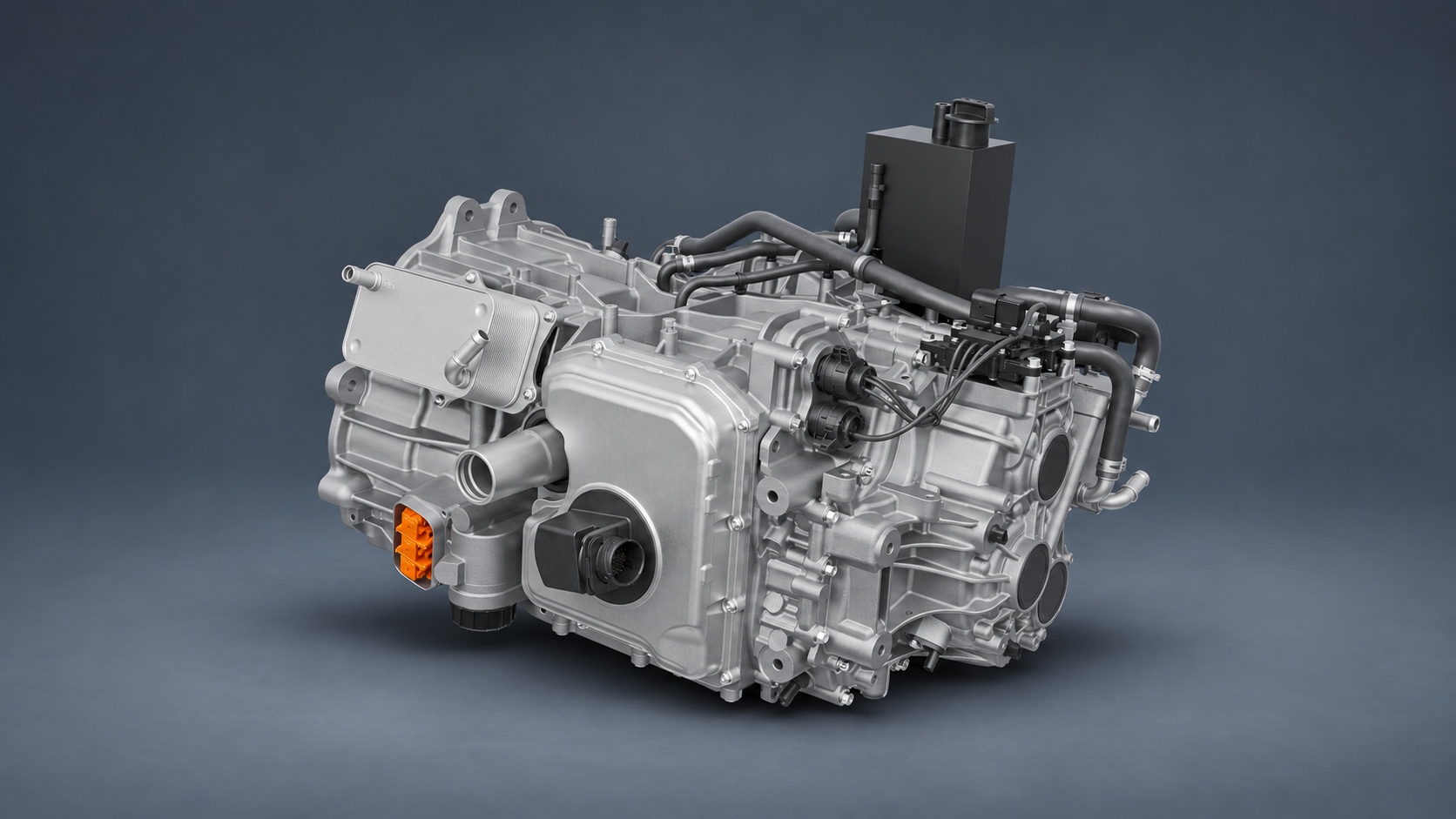
Two separate figures are easily confused here: 1,050 Nm is the permitted transmission input torque, while the V8 itself is rated at 800 Nm. The gearbox’s higher limit does not confirm the Lotus Type 135’s final combined torque output.
The manufacturer separately quotes a shift response of under 20 ms and a pre-fill time of under 50 ms. These are transmission operating figures in HORSE’s terminology; the first should not automatically be treated as the duration of an entire gear change.
When the Lotus Type 135 will arrive and how much power it will have
On 11 May 2026, Lotus’s Focus 2030 strategy announcement already outlined a 2028 market launch for the Type 135 and hybrid-system output of more than 1,000 metric horsepower. This is a stated target for the complete car’s powertrain, including its electrical contribution.
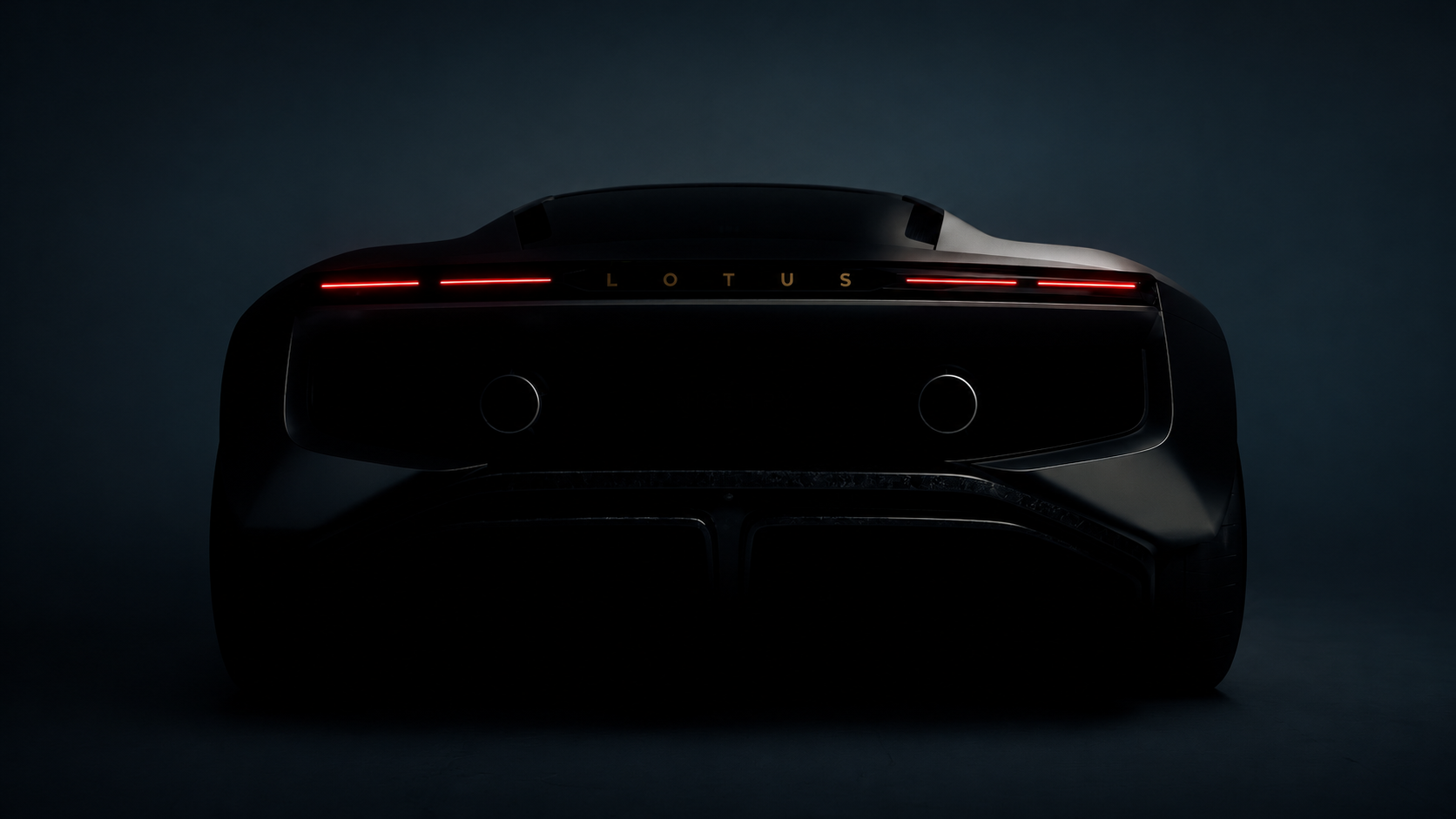
November’s announcement added details of the petrol engine and gearbox. However, subtracting W40 output from the promised 1,000 hp to work out electric-motor power would be incorrect: the published numbers are thresholds, not a complete set of system specifications.
Automotive publications have linked the future car with a return of the Esprit name. The official HORSE and Lotus announcements examined use Type 135, so the production name remains an open question.
Who is behind HORSE Powertrain?
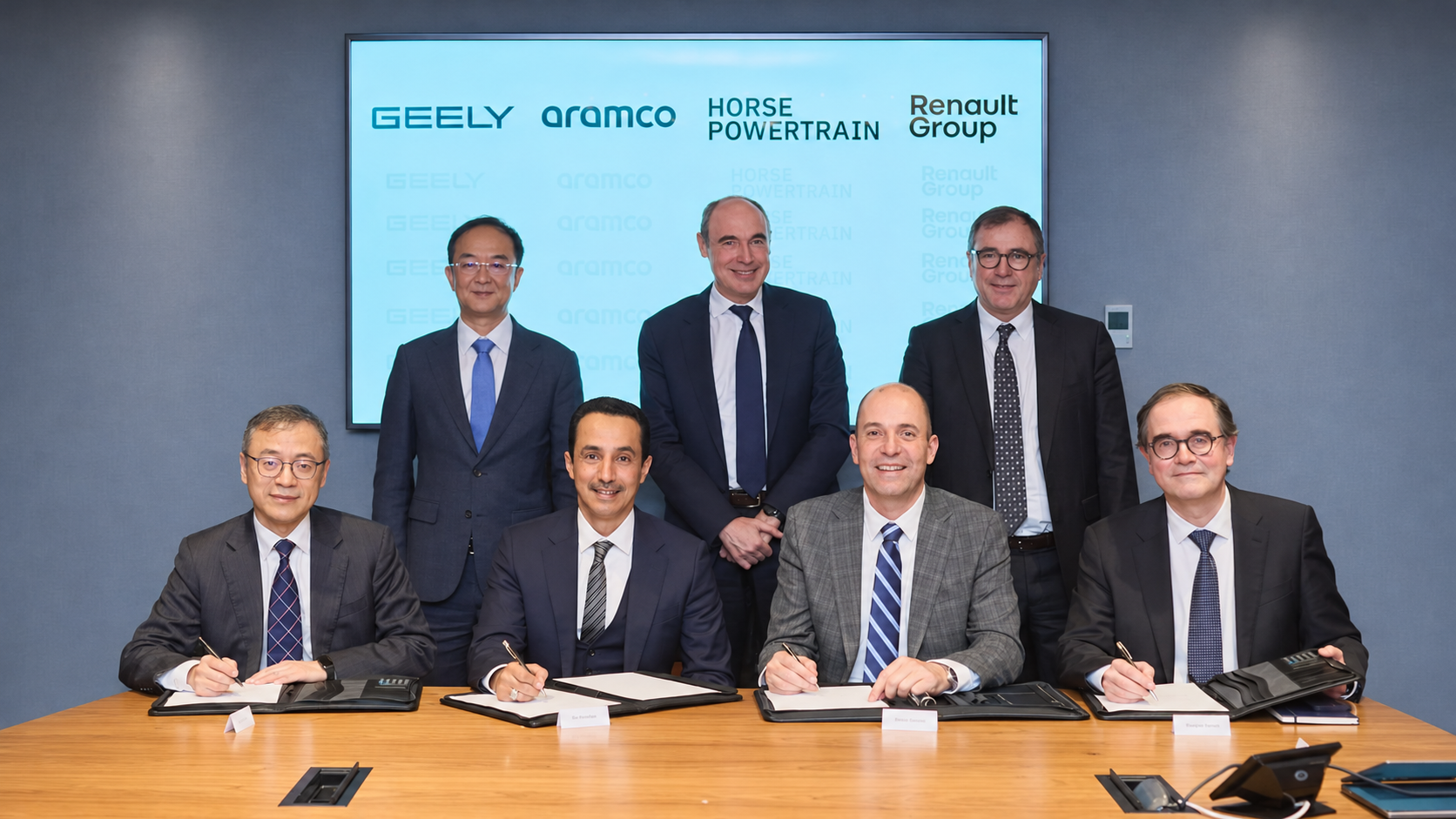
The W40’s developer is a separate supplier of engines and hybrid systems. A Renault Group announcement dated 2 December 2024, reporting completion of the Aramco transaction, set out HORSE’s ownership: 45% each for Renault Group and Geely, and 10% for Aramco. Renault’s involvement does not mean Lotus is receiving an engine previously used in production Renaults: the W40 is presented as HORSE’s own first production-ready V8.
Which details of the future Lotus are still missing?
The official announcements examined do not disclose:
the production hybrid system’s exact combined power and torque;
battery capacity and electric-only range;
vehicle weight, 0–100 km/h acceleration and top speed;
price, trim levels and the exact sales launch date.
The 2028 plan has been announced, but assessing how light and fast the Type 135 will be requires the car’s specifications, followed by independent tests.