 EN
EN

Frequently asked questions
Romania produced 31,450 passenger cars in April 2026, compared with 44,264 in April 2025. This was a year-over-year decline of 28.9%.
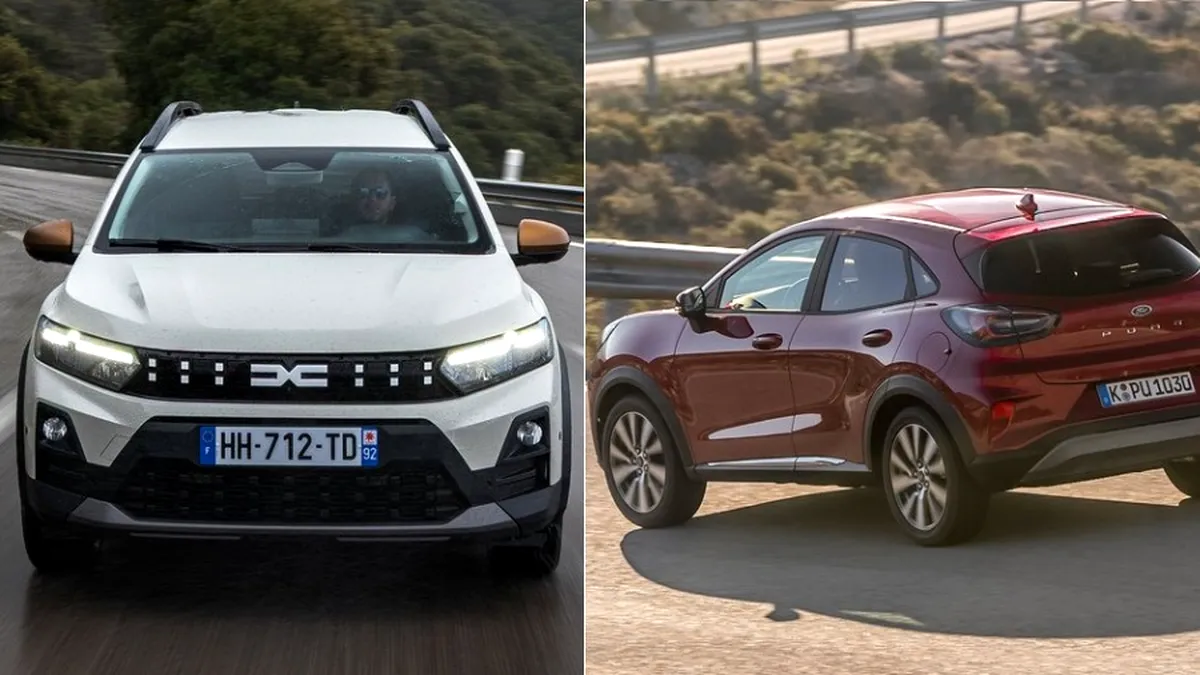
The Dacia plant in Mioveni produced 18,366 vehicles, while Ford Otosan’s plant in Craiova produced 13,084 vehicles.
The article identifies several possible factors, including weaker demand in some European markets, the transition toward hybrid and electric vehicles, stronger competition from Chinese brands, more cautious buyers, and production or logistics adjustments.
Romania has long been one of the most important automotive manufacturing centers in Eastern Europe. The Dacia plant in Mioveni and the Ford Otosan factory in Craiova are not just two large production facilities. They represent thousands of jobs, exports, suppliers, logistics companies, dealerships and a whole business ecosystem built around the car industry.
But 2026 has not started as strongly as many expected. According to data published by ACAROM, Romania’s car production fell noticeably in the first months of the year, and April brought an even sharper decline.
For the market, this is more than just another monthly statistic. It is a sign that the automotive industry is entering a more complicated period, where demand, prices, model changes and competition are all putting pressure on manufacturers.
The Main Fact: Production Fell by Almost 29% in April 2026
In April 2026, Romania produced 31,450 passenger cars. In the same month of 2025, the country produced 44,264 vehicles. That means production dropped by 28.9% year over year.
In simple terms, Romanian factories built almost 13,000 fewer cars in one month compared with April of the previous year.
Car Production in Romania: April 2026
Indicator | April 2025 | April 2026 | Change |
|---|---|---|---|
Total car production | 44,264 | 31,450 | -28.9% |
Dacia plant, Mioveni | — | 18,366 | — |
Ford Otosan plant, Craiova | — | 13,084 | — |
At first glance, these may look like dry industry numbers. But behind them there is a much bigger story: lower production volumes, a more cautious market, changing buyer behavior and a car industry that is still adjusting to a new reality.
Dacia Remains the Main Player, But Pressure Is Growing
Dacia is still the most important car manufacturer in Romania. In April 2026, the Mioveni plant produced 18,366 vehicles, more than Ford Otosan’s Craiova plant.
This is not surprising. Dacia has always played a central role in Romania’s automotive industry. Its models are sold not only locally, but also across many European markets. That is why any slowdown at Dacia quickly affects the national production figures.
Why Dacia’s Situation Matters
Dacia has built its success around a clear idea: practical, accessible cars with good value for money. That formula worked extremely well for years, especially in Europe, where many buyers wanted simple, reliable and affordable vehicles.
But the market is changing quickly.
Today, buyers are paying more attention to hybrid technology, electric cars, fuel consumption, safety equipment, digital features and long-term running costs. At the same time, Chinese car brands are becoming more visible in Europe and are offering well-equipped models at competitive prices.
For Dacia, this means that affordability alone is no longer enough. The brand also needs to stay modern, efficient and competitive in a market that is moving faster than before.
Ford Otosan: More Balanced, But Still Part of the Same Market Pressure
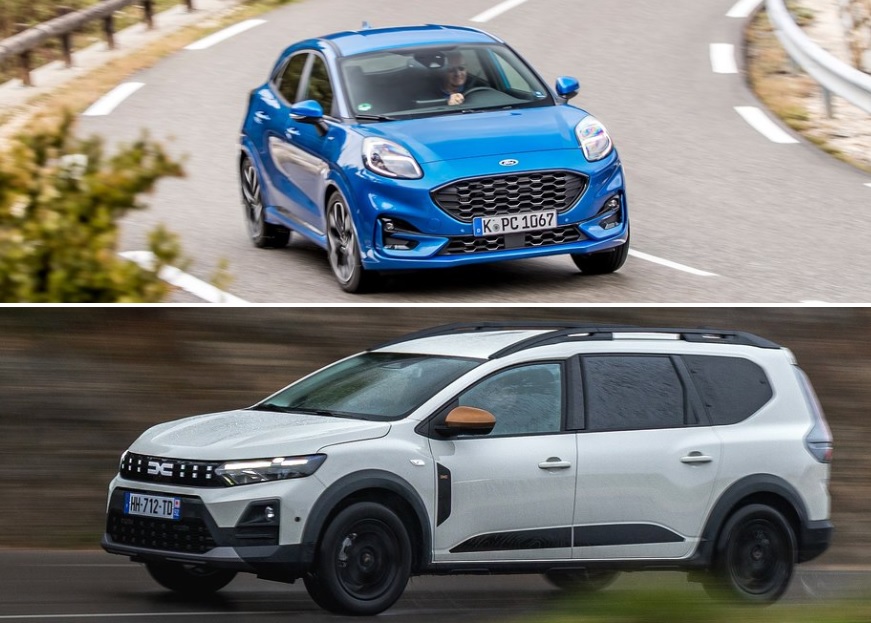
Ford Otosan’s plant in Craiova produced 13,084 vehicles in April 2026. In the first quarter of the year, Ford Otosan showed a more stable performance than Dacia in some months, but the sharp decline in April affected the entire Romanian production picture.
The Craiova factory is also important because it is connected to export demand. Its performance depends not only on the Romanian market, but also on orders from other European countries, production planning and Ford’s broader strategy in the region.
In other words, the slowdown is not only a local issue. It is part of a wider automotive market that is becoming harder to predict.
The Decline Did Not Start Overnight
The April result looks dramatic, but the slowdown had already started earlier in the year. Production was already down in February and March 2026, although the decline was much smaller than in April.
Romania Car Production in 2026
Period | Vehicles Produced | Change |
|---|---|---|
February 2026 | 43,369 | -5.3% |
March 2026 | 48,175 | -4.5% |
April 2026 | 31,450 | -28.9% |
January–March 2026 | 128,419 | -5.4% |
January–April 2026 | 159,869 | -11.2% |
The table shows the real problem clearly. The beginning of the year was weaker, but still relatively controlled. April, however, brought a much sharper fall, which is why the topic attracted so much attention in the Romanian automotive press.
Why Is Car Production Falling in Romania?
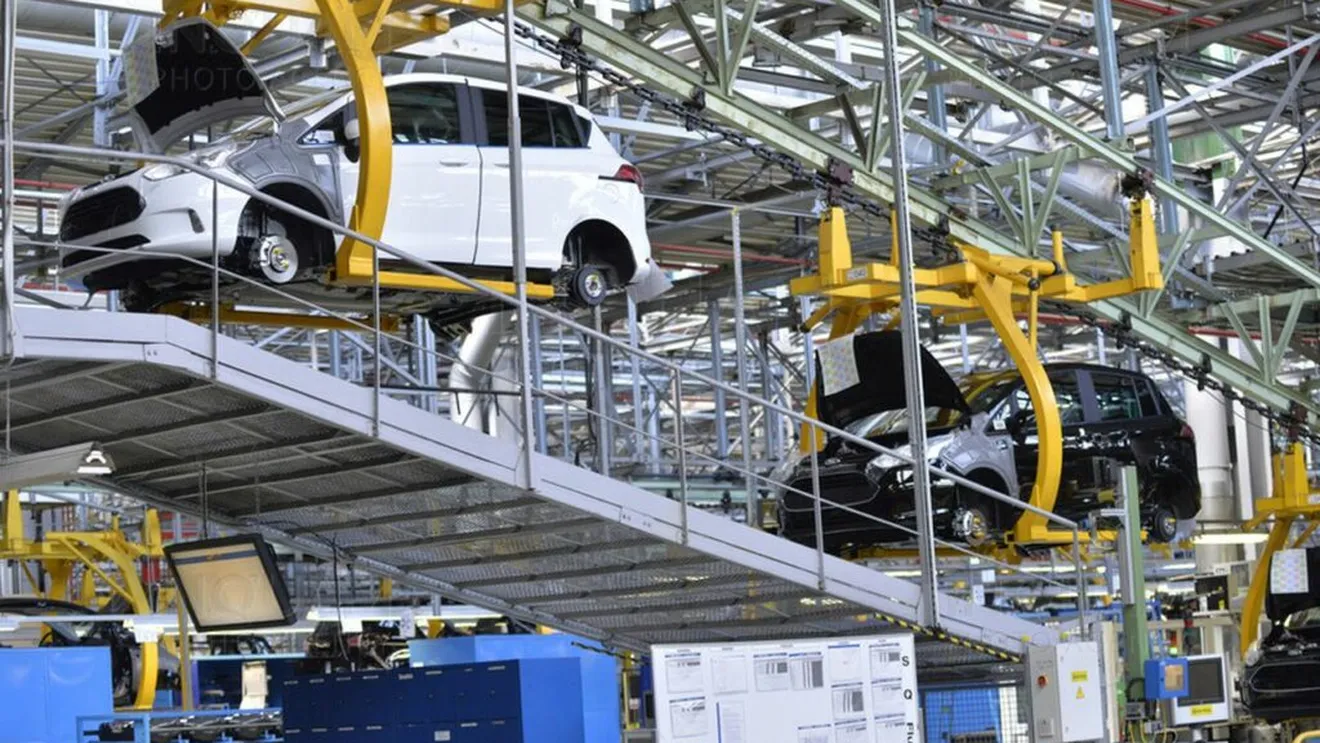
The official data confirms the drop, but the reasons behind it are more complex. Car production rarely falls because of one single factor. Usually, several things happen at the same time: demand changes, factories adjust production, model lines are updated and buyers become more cautious.
Possible Reasons Behind the Decline
1. Weaker demand in some European markets
Romania does not produce cars only for its domestic market. A large share of vehicles made by Dacia and Ford Otosan is exported. If buyers in Europe become more cautious, Romanian factories can feel the impact very quickly.
2. The transition toward hybrid and electric vehicles
The automotive industry is going through a major shift. Manufacturers are updating their model ranges, investing in electrified versions and preparing production lines for new types of vehicles. During such transitions, production volumes can become less stable.
3. Stronger competition from Chinese brands
Chinese carmakers are becoming more active in Europe. Many of them offer hybrid or electric models with modern design, rich equipment and aggressive pricing. This creates additional pressure on traditional European brands, including Dacia and Ford.
4. More cautious buyers
New cars have become more expensive in recent years. Many buyers now compare new vehicles with used cars, imports from Europe, the United States or South Korea, and other alternatives. For some customers, a used car can feel like a more rational choice.
5. Production and logistics adjustments
Car factories sometimes reduce output because of planned production changes, supply issues, model transitions or changes in order volumes. These adjustments can have a strong effect on monthly production figures.
An Interesting Paradox: Production Is Falling, But Interest in Cars Is Still Strong
A decline in production does not mean that people have stopped buying cars. The market has simply become more selective.
The modern car buyer is more careful than before. People no longer look only at the brand name. They compare price, fuel consumption, equipment, service costs, reliability, resale value and vehicle history.
This is especially important in markets such as Romania, Moldova and Ukraine, where many buyers compare new cars with used cars, imported vehicles, hybrids, electric cars and practical SUVs.
What This Means for Buyers
For everyday buyers, lower production can have several effects. Some models may become less available, waiting times for certain versions may increase, and dealers may become more careful with stock.
Possible Market Effects
Market Area | Possible Effect |
|---|---|
New cars | Lower availability for some models |
Dealer stock | More cautious inventory planning |
Popular trims | Longer waiting times |
Prices | Continued pressure on affordability |
Used cars | Stronger buyer interest |
Imports | More attention from price-sensitive buyers |
If new cars become more expensive or harder to find, some buyers naturally move toward the used car market. This is especially true for popular segments such as SUVs, crossovers, family cars and fuel-efficient city cars.
What It Means for the Used Car Market
A slowdown in new car production can indirectly support demand for used vehicles. When new cars are less available or too expensive, buyers start looking for other options.
For the used car market, this can create more activity in several segments.
Segments That Could Benefit
Segment | Possible Effect |
|---|---|
Used SUVs | Higher demand |
Cars imported from Europe | More buyer interest |
Hybrid vehicles | Growing number of searches |
Electric cars | Gradual increase in interest |
Affordable city cars | Stable demand |
New cars | More careful purchase decisions |
This is where platforms like zvelta become more useful for buyers. In a changing market, people need a simple way to compare offers, check prices and understand what is actually available.
Why This News Matters Beyond Romania
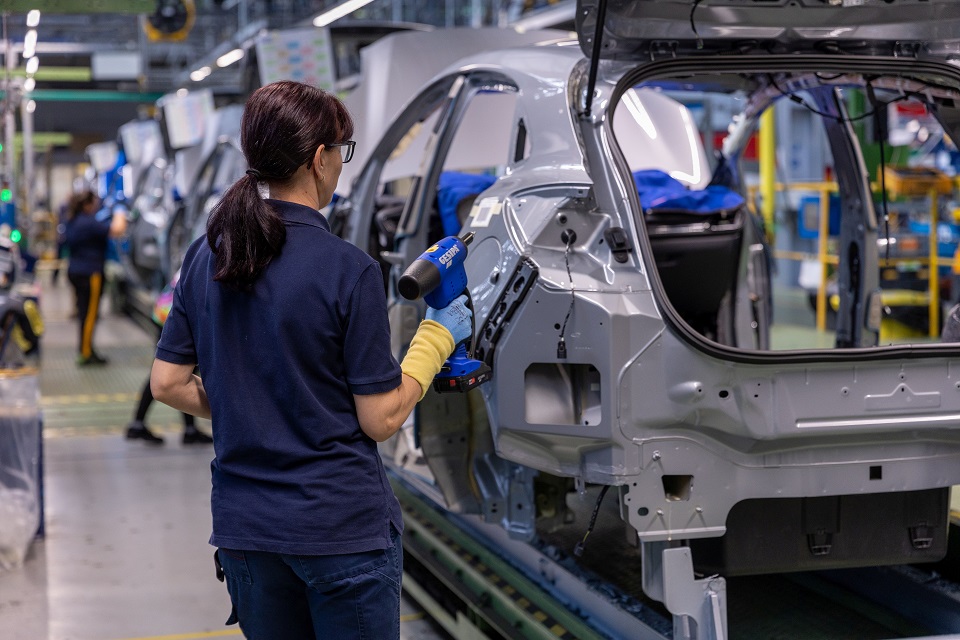
Romania is one of the key automotive production hubs in Eastern Europe. The country’s factories are linked to exports, suppliers and regional demand. That means a production slowdown in Romania can matter not only locally, but also for nearby markets.
Dacia models, Ford vehicles and other cars connected to European production are popular across the region. If production patterns change, the effects can be felt by dealers, importers and buyers in other countries as well.
For the Region, This Could Mean:
changes in the availability of some models;
stronger competition between new and used cars;
more interest in imported vehicles;
more cautious dealer behavior;
a bigger role for online car platforms.
Dacia and Ford Are Still Strong, But the Market Has Changed
It would be wrong to say that Romania’s car industry is in crisis based only on one month of data. Dacia and Ford Otosan remain strong manufacturers with important production facilities.
But the market in 2026 is clearly different from the market of a few years ago.
In the past, it was often enough to offer a practical and affordable car. Today, buyers expect more. They want modern design, efficient engines, hybrid technology, good safety features, better infotainment systems, warranty coverage and a fair price.
That is why even large manufacturers are going through periods of adjustment. They are adapting to a market where competition is stronger and buyers are much more informed.
What Could Happen Next
The next few months will show whether April’s sharp drop was a temporary production issue or part of a longer trend.
If production recovers in May and June, the market may see April as a difficult but temporary month. But if the decline continues, it could become a more serious signal for the Romanian automotive sector.
Key Things to Watch
Dacia’s production figures in the next months;
Ford Otosan’s output in Craiova;
new car registrations in Romania;
demand for hybrid and electric vehicles;
prices of new and used cars;
the expansion of Chinese brands in Europe;
buyer interest in imported used vehicles.
Conclusion
Romania’s almost 29% drop in car production in April 2026 is more than just an industry statistic. It reflects the bigger changes taking place across the automotive world.
Dacia and Ford Otosan remain key players, but they are operating in a more difficult market. Buyers are more cautious, competition is stronger, electrification is changing production strategies, and price has become one of the most important factors in the purchase decision.
For car buyers, the message is simple: choosing a car now requires more attention than before. It is no longer enough to look only at the brand. Buyers need to compare prices, equipment, vehicle history, running costs and long-term value.
That is why online platforms such as zvelta are becoming increasingly important. When the market changes quickly, the best advantage a buyer can have is access to clear information, real offers and the ability to compare cars in one place.