
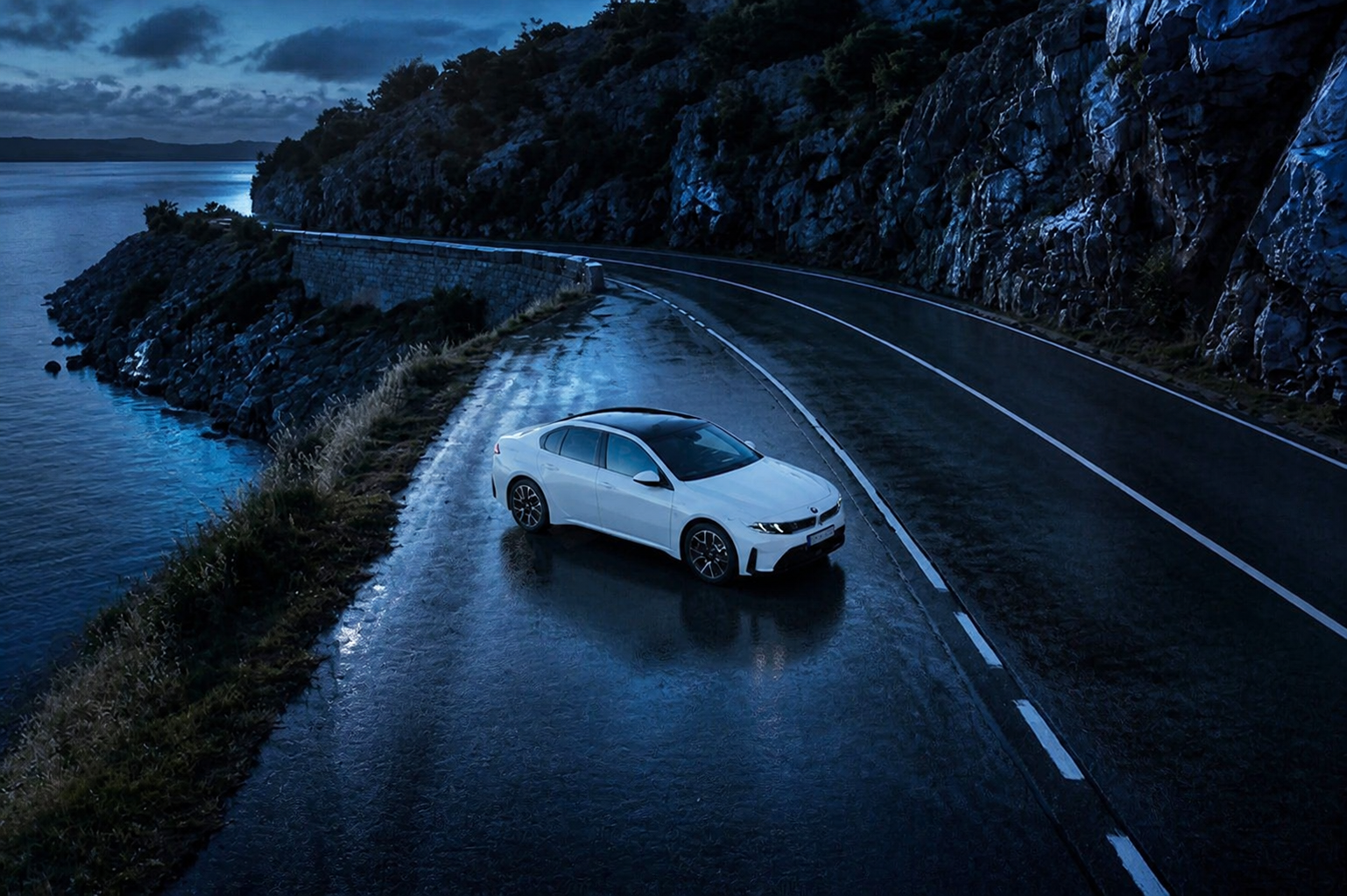
On August 6, 2026, BMWBLOG and AutoMarket reported that series production of the new BMW i3 had started in Munich. In the press materials currently available, BMW does not name a specific calendar date for the launch: the company confirms that production will begin in August 2026. The date of August 6 should therefore be treated as a report from specialist publications, not as a separately published BMW announcement.
The move from presentation to the production line changes the discussion around the model. The new i3 is not a concept or a renamed version of the former city hatchback: BMW is bringing an electric sedan roughly the size of the 3 Series to market, making it the second production model in the Neue Klasse family. Some specifications have already been announced, while several questions, especially those concerning markets, pricing and future versions, remain unanswered.
Three confirmed dates and one date reported by the press
March 18, 2026 BMW presented the new i3 and announced that the first version would be the i3 50 xDrive. The same material stated that production would begin in August and that the first customer deliveries in the UK would take place in the autumn.
April 2, 2026 BMW published a separate update about its Munich plant. The facility was preparing to build the i3 and is scheduled to switch to producing only electric vehicles from 2027.
June 18, 2026 Orders opened in the UK for the i3 50 xDrive First Edition ahead of the model's official market launch there.
August 6, 2026 Specialist publications reported the start of series production. BMW's official wording remains broader: production will start in August 2026.
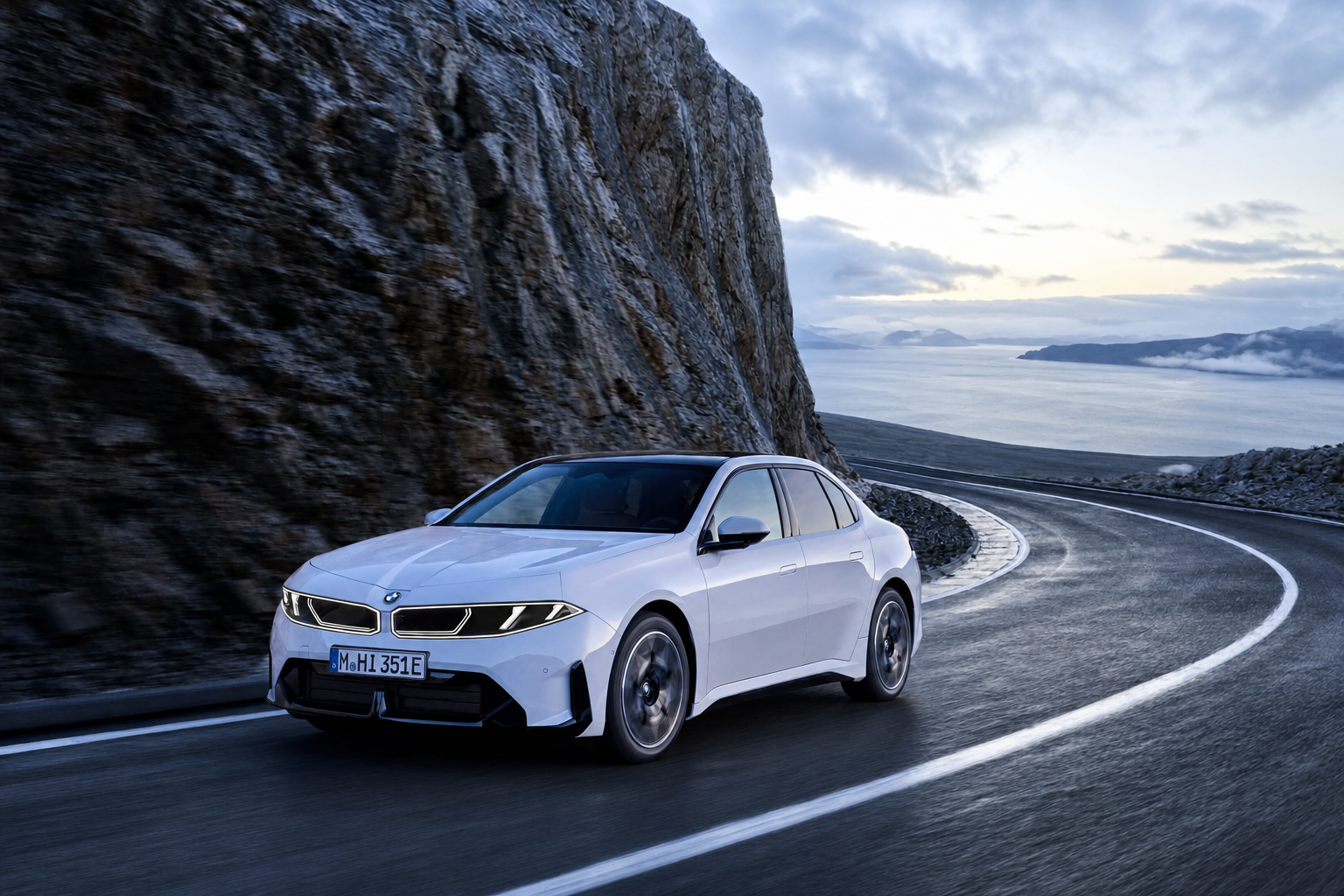
BMW revealed the initial specifications in its official announcement about the new i3. For buyers, this is more useful than a headline date: it is already clear which version will arrive first and which specifications to use when comparing the car with other electric sedans.
What BMW has announced about the i3 50 xDrive
Specification | What is known | What to keep in mind |
|---|---|---|
Launch version | BMW i3 50 xDrive: two electric motors, all-wheel drive, 469 hp and 645 Nm. | These figures apply to the first announced version; the line-up for other markets has not yet been disclosed. |
Battery | 108.7 kWh of usable capacity in the i3 50 xDrive First Edition for the UK. | BMW has not yet announced the battery capacities of future versions. |
Range | Up to 900 km on the WLTP cycle. | This is a preliminary laboratory-cycle figure, not a guarantee of covering that distance in all weather and at every speed. |
Fast charging | 800-volt architecture, up to 400 kW; BMW claims up to 400 km of added range in 10 minutes. | That result requires a suitable high-power DC charging station and is calculated according to the WLTP methodology. |
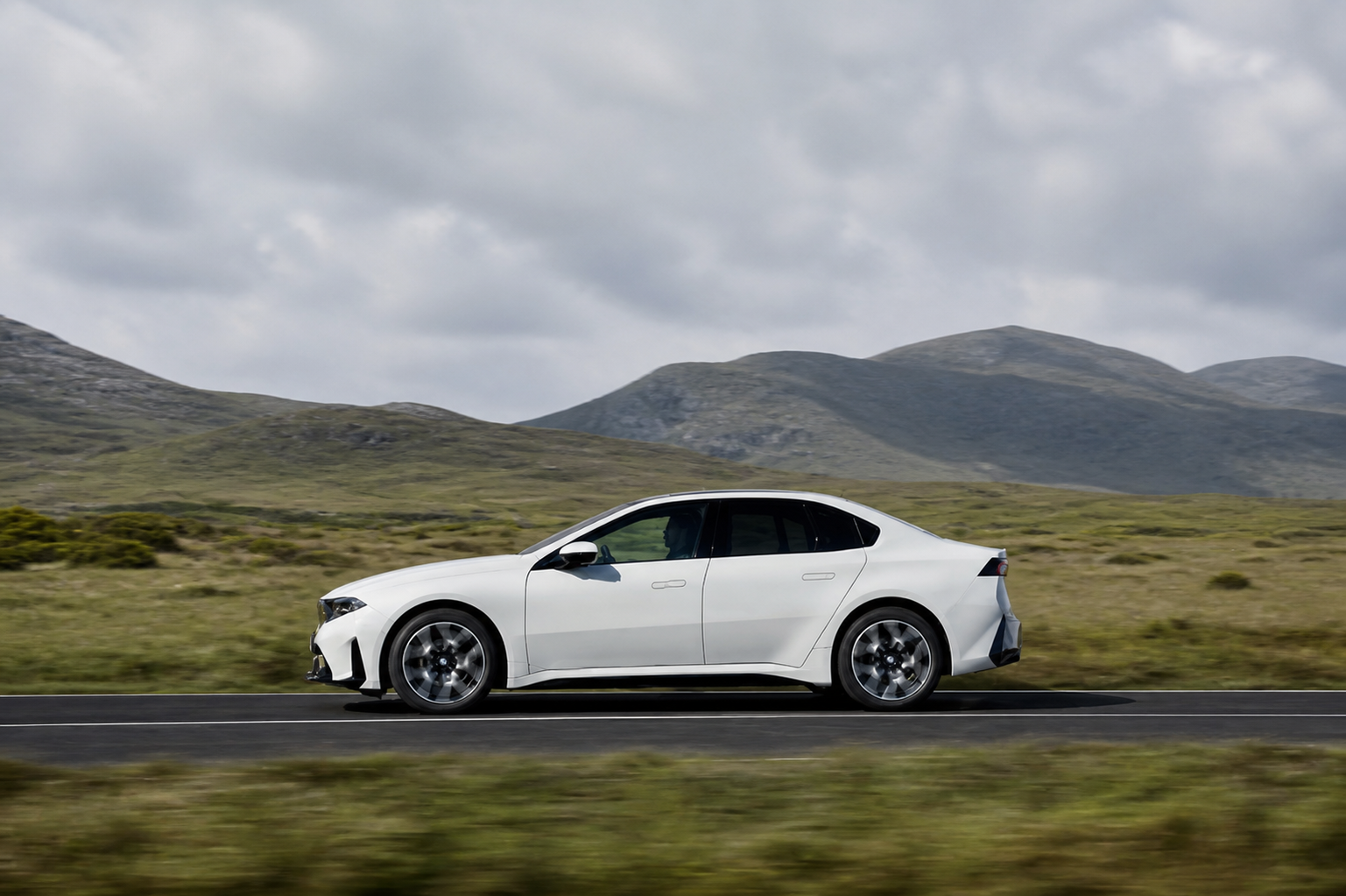
Dimensions | Length 4,760 mm, width 1,865 mm, height 1,480 mm, wheelbase 2,897 mm. | These are the dimensions of the production body, not the Neue Klasse concept. |
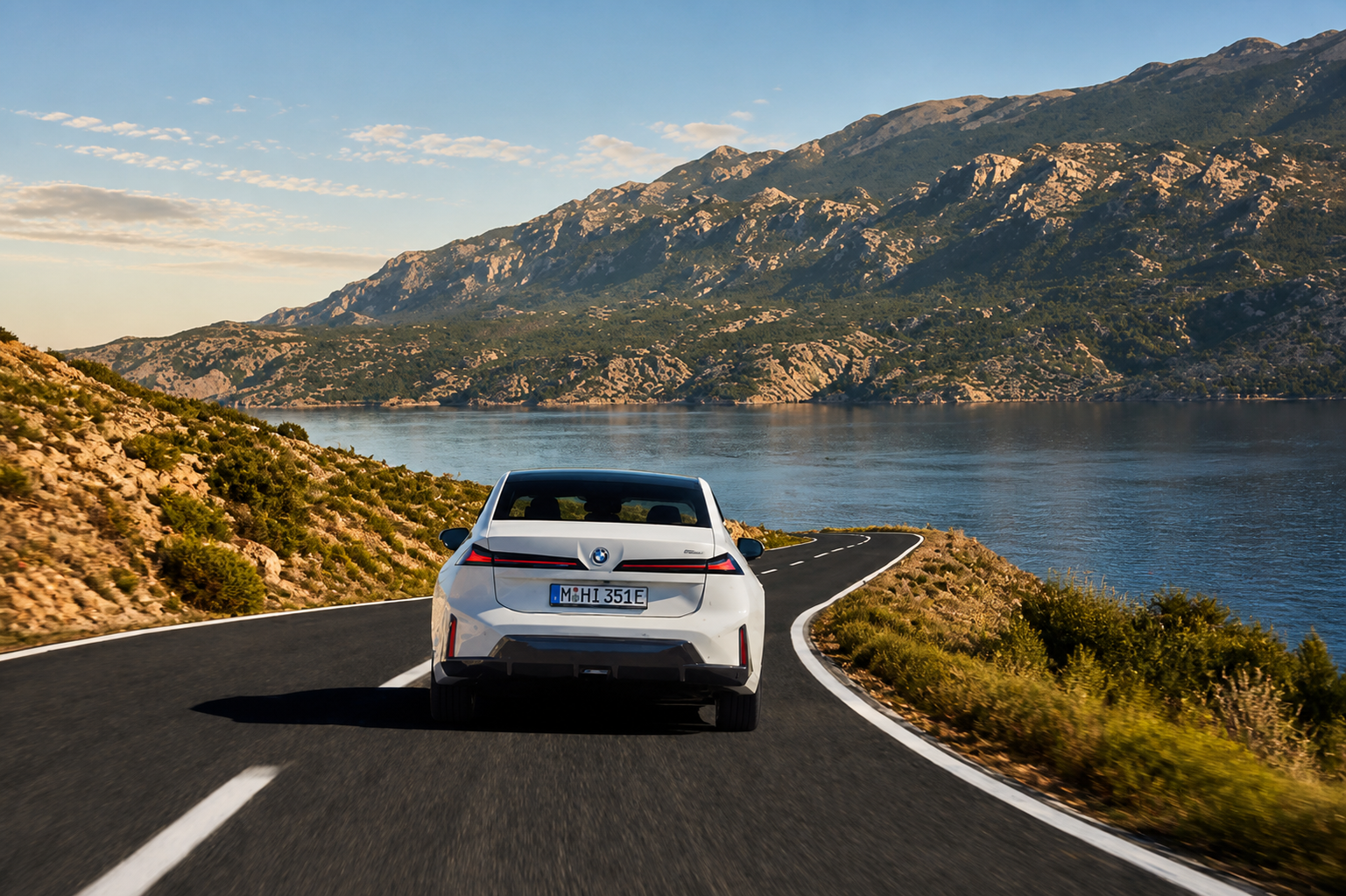
BMW also quotes a 0–100 km/h time of 4.7 seconds for the i3 50 xDrive. The car is based on the sixth generation of BMW eDrive, with an 800-volt system, cylindrical cells and a battery integrated into the body's structural architecture. These solutions explain the claimed charging figures, but they do not remove the influence of the specific charging station, battery temperature and grid conditions.
How to interpret the “900 km” figure
It is not a promise that the car can cover 900 km on a motorway without stopping. BMW cites a WLTP calculation, and its official announcement describes all key figures as preliminary. The more useful conclusion is this: the i3 is designed for long-distance travel and high charging power, but its real-world route range can only be assessed after independent testing and the publication of final data for each market.
Neue Klasse is about more than the battery
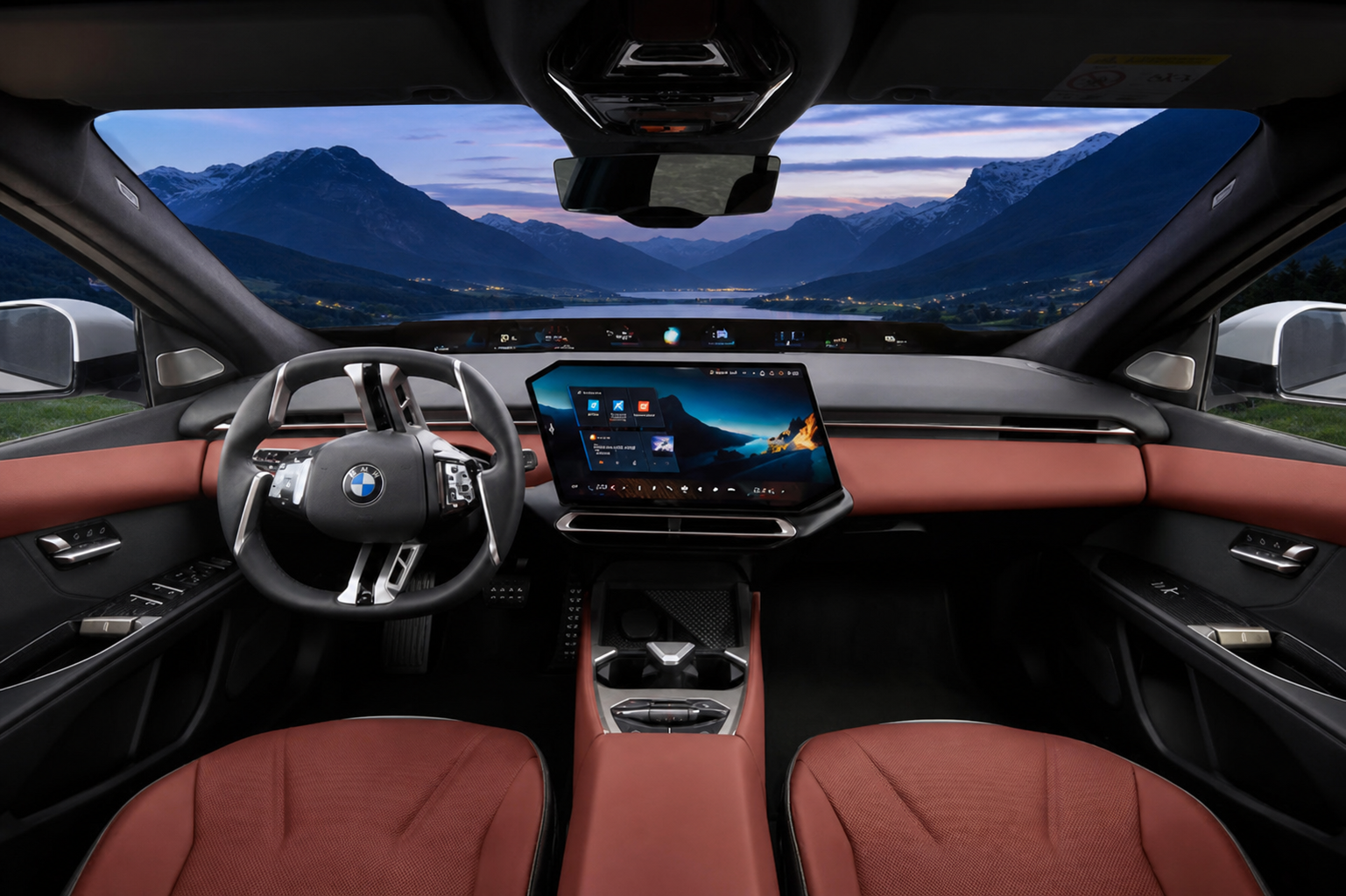
Inside the i3, BMW introduces its new Panoramic iDrive control layout. Information is projected across the lower section of the windscreen from pillar to pillar, the central display is angled towards the driver, and the controls combine touch-sensitive elements, steering-wheel buttons and a voice assistant. Four high-performance computing units handle driving functions, driver assistance, media and comfort features.
The practical significance of this architecture is not the number of screens. BMW promises over-the-air updates and the ability to add selected digital functions after purchase. However, the specific range of services, assistants and subscriptions will depend on the country; the equipment list of the UK First Edition cannot be applied to every other market.
Why Munich is more than just the assembly location
The Munich plant was modernised for Neue Klasse production. BMW built a new body shop, final assembly area and logistics zones. The official press kit for the plant states that the site will produce only electric vehicles from 2027. The same document describes the i3 as the beginning of Munich's future Neue Klasse line-up and mentions the i3 Touring, but provides no technical details or launch date.
For the model, this means production was not adapted for an electric version at the last minute: it was planned from the outset around the new electronic architecture and battery supply system. That does not allow conclusions about future quality or delivery times, but it helps explain the scale of BMW's transition from the familiar 3 Series formula to an electric platform.
When sales will begin and what not to expect yet
BMW confirms the official UK launch of the i3 50 xDrive for autumn 2026. Orders for the UK First Edition opened on June 18; BMW also disclosed the usable battery capacity and part of the equipment list there. Further details are available in the BMW release about the First Edition.
Delivery schedules, prices, specifications and availability in other countries are not confirmed in these materials. Until local price lists appear, the UK price or equipment list should not be applied to other markets. The key point about the new BMW i3 is that series production is scheduled to begin in August, the first version has clearly stated specifications, and BMW is still finalising the sales picture for each region.