 EN



The BMW i3 50 xDrive travelled 5,886.7 km from Norway’s North Cape to Tarifa in Spain, spending a total of 2 hours, 45 minutes and 54 seconds charging. BMW published the results on 10 November 2026. Three things make this run interesting: low energy consumption, high average charging power and a route using public roads and chargers.
The figure of “less than three hours” covers charging sessions alone. To understand what the result means for an ordinary long trip, it helps to look at how it was measured and the conditions in which the car travelled.
What Paneuropeana actually measured
The run was part of Paneuropeana, a project founded by Rafael de Mestre. Participants must follow a route through specified checkpoints while spending as little time charging as possible. Choosing chargers is part of the challenge: crews have to consider their location and capabilities.
The official Paneuropeana website explains the method: the time from plugging in the charging cable to unplugging it is added together. The organiser says the Official World Record team verified this measurement. It is a charging-time record for this particular route and set of rules.
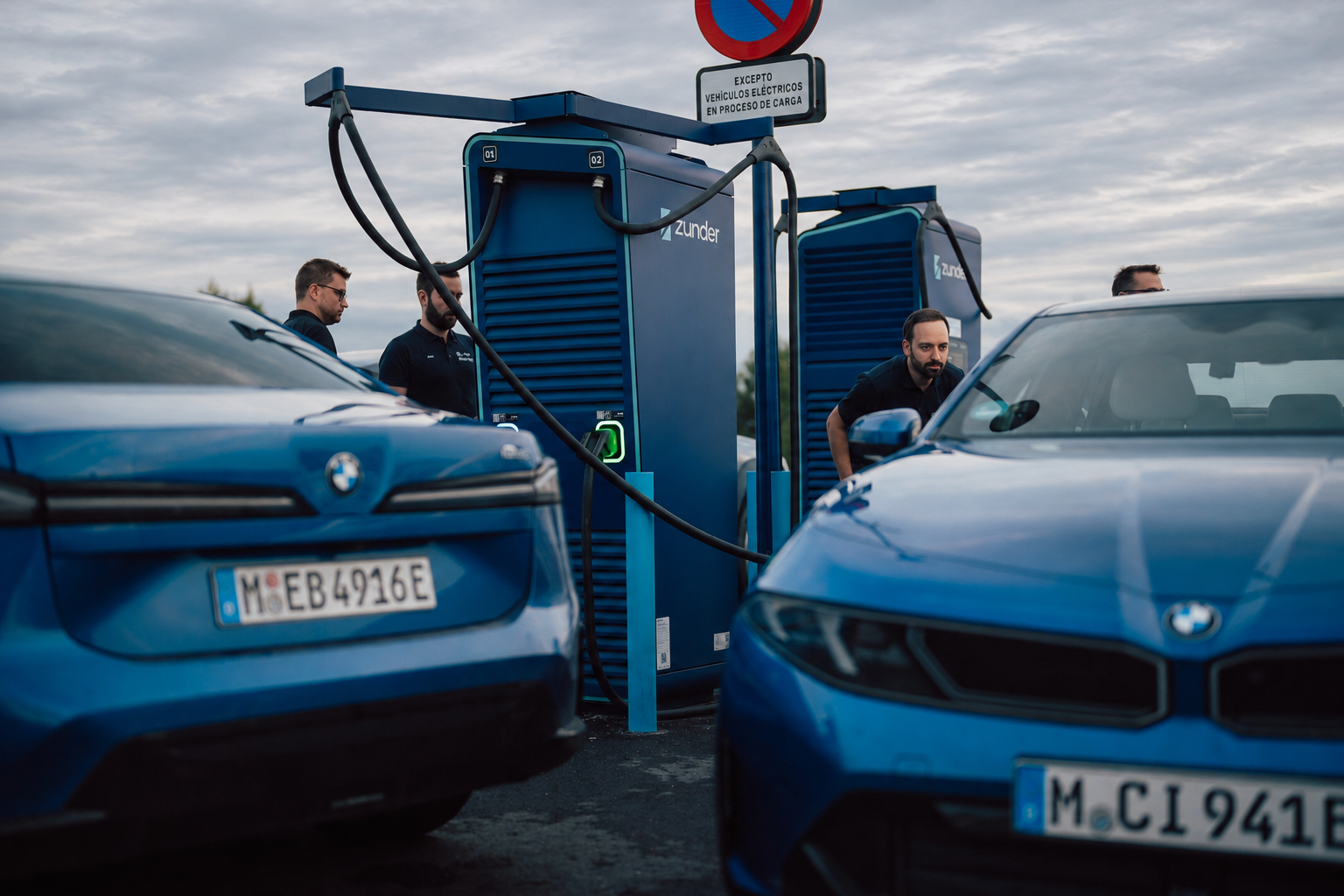
Finding a charger, reaching it, waiting for a space and crew rest fall outside that metric. Driving alone took 74 hours and 41 minutes, according to BMW. Adding this to the charging time and presenting the sum as the entire journey’s duration would be incorrect.
The BMW i3 road trip in figures
BMW’s report on the journey gives the following results. These are the manufacturer’s figures for a specific test.
BMW i3 50 xDrive on the North Cape–Tarifa route
Measure | Result |
|---|---|
Distance travelled | 5,886.7 km |
Countries crossed | 8 |
Total charging time | 2 h 45 min 54 s |
Driving time | 74 h 41 min |
Average driving speed | 79.7 km/h |
Average energy consumption | 12.5 kWh/100 km |
Average charging power | 275 kW |
Charging infrastructure | Publicly accessible chargers only |
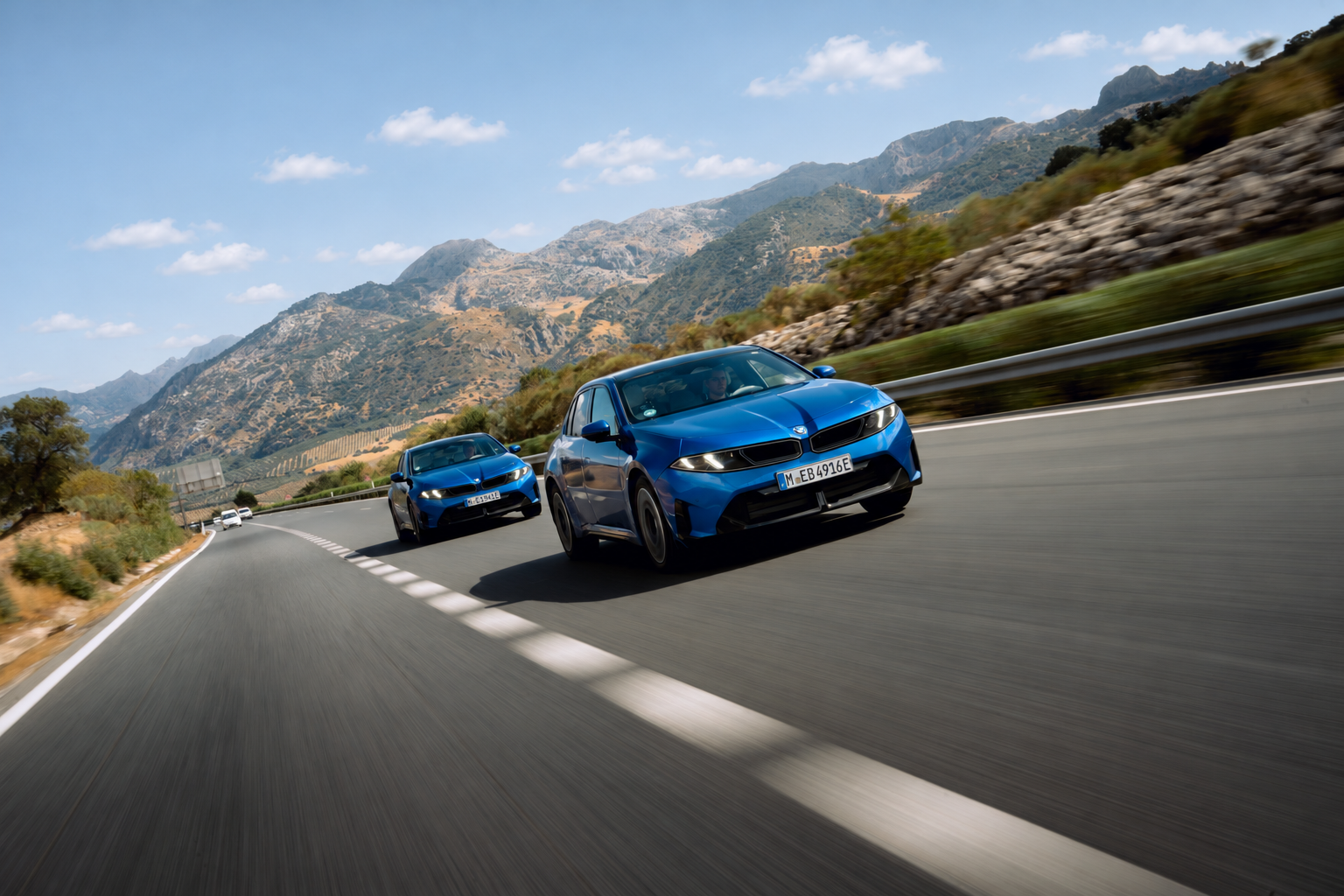
The route included motorways, country roads and towns. One engineer drove the car throughout, accompanied by another i3 and a BMW iX3 50 xDrive. BMW says the hardware and software of all three cars matched production vehicles available to customers.
Which i3 took part?
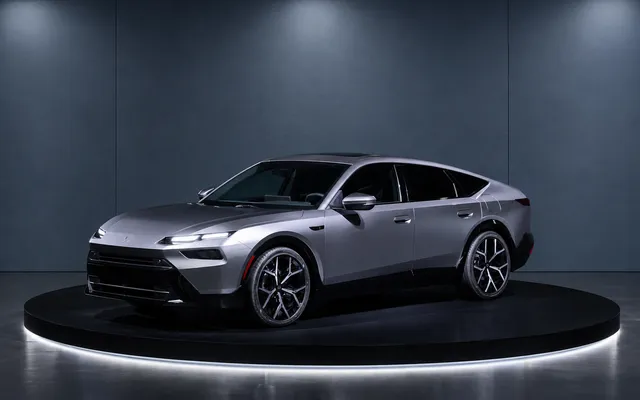
The car was the new Neue Klasse BMW i3 saloon in 50 xDrive form. Its two motors, one on each axle, produce a combined 345 kW, or 469 metric horsepower, and 645 Nm. The battery has 108.7 kWh of usable capacity. In its November report, BMW quotes up to 912 km of WLTP range and peak DC charging power of up to 400 kW.
Sixth-generation BMW eDrive combines an 800-volt architecture, electric motors and a battery with cylindrical cells. For long journeys, battery capacity and peak charging power answer different questions: one describes the energy available, the other the upper limit on how quickly it can be replenished.
Why an average of 275 kW adds more than a peak figure
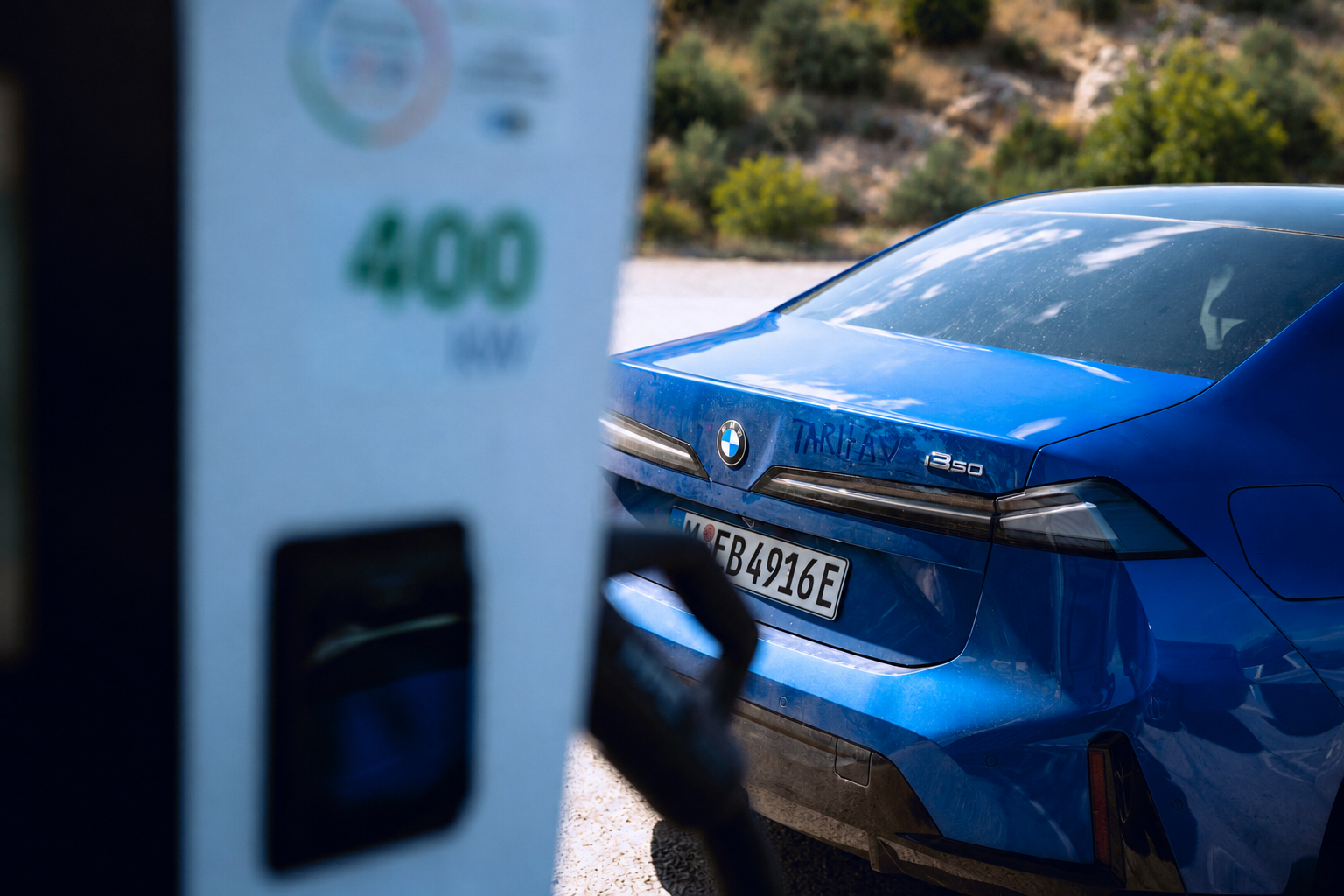
The stated 400 kW does not mean the car receives that power for the entire time it is plugged in. That makes the 275 kW average across charging sessions on the trip useful additional information: it shows how the car and the selected infrastructure worked together in practice.
When comparing EVs, look at the charging range you actually need. A brief peak and high average session power are different characteristics. Battery temperature and the power a particular charger can supply are also significant.
What navigation and battery preparation do
In its technical description of the new i3, BMW explains that routing to a rapid DC charger in BMW Maps automatically heats or cools the battery to a suitable temperature. Preparation can also be activated manually. This helps shorten the charging session.
The navigation system also lets drivers choose their preferred remaining charge on arrival at a charger and at the destination. Planning takes account of expected power, charger availability and previous sessions. Owners can therefore plan the route around charging rather than start searching only when a low-charge warning appears.
Can you expect the same consumption on your own trip?
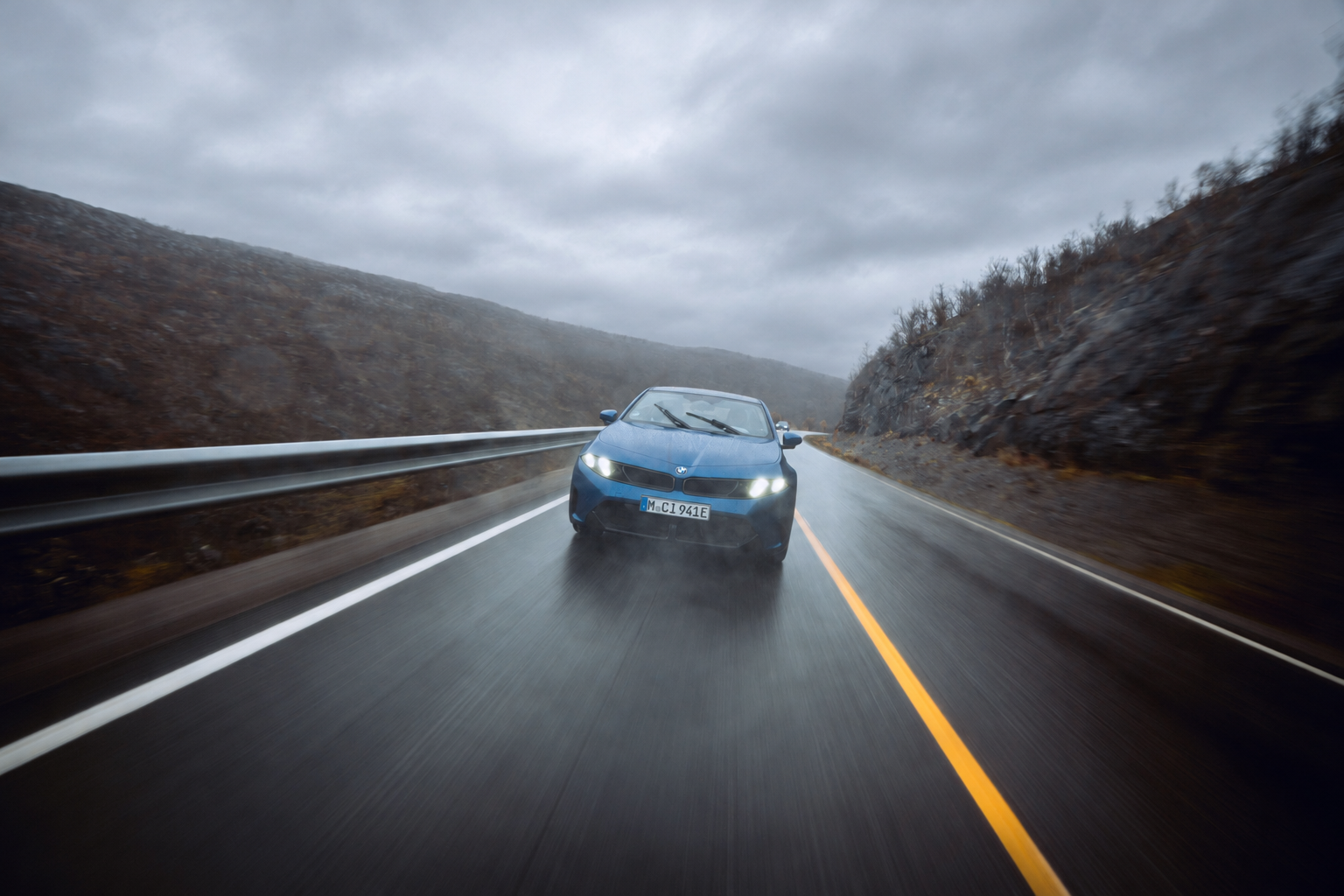
The average of 12.5 kWh/100 km was achieved at an average driving speed of 79.7 km/h on a mixed route. It cannot establish consumption at a steady 130 km/h on a motorway. The overall average does not reveal the speed on each individual section.
Weather, load, tyres, climate control use and battery condition alter the circumstances of a journey. BMW lists these among the factors affecting range and charging performance. One road trip’s result does not guarantee the same figures on a different route.
The run offers buyers three useful pointers:
Consider consumption alongside speed and road type: without the test conditions, a kWh/100 km figure says little about your own journey.
Check the charging infrastructure available on your route: the car’s capabilities matter in combination with suitable stations.
Compare charging time over the range you need and consider battery preparation, rather than choosing a car on peak power alone.
The combination of consumption and energy replenishment is what makes the i3’s run interesting for long-distance driving. It shows what a production car achieved on a selected European route; how relevant that is to another journey depends on its conditions.