 EN
EN

Frequently asked questions
No. Dacia’s official plan through 2030 identifies the C-segment as an area for growth, with its sales share expected to rise from approximately 20% to 33%. Bigster and Striker are described as the foundation for this expansion.
No. Automotive media reported on September 4, 2026, that a third model was not part of Dacia’s immediate plans. As of September 6, 2026, Dacia had published no name, premiere date, or specifications for it.
Dacia’s official March 10, 2026 plan says the brand intends to launch four fully electric models by 2030 and expects electrified models, including electric vehicles and hybrids, to account for two-thirds of sales by the end of the decade.
On September 4, 2026, automotive media reported that Dacia would not proceed with a third C-segment model that could have followed Bigster and Striker. This does not mean the brand is stepping away from the large family car class. On the contrary, Dacia’s official strategy still identifies the C-segment as an area for growth. What is changing is the immediate focus: the brand is prioritizing the already announced pair of models and the electrification of its entire lineup.
What has been confirmed and what is known only from media reports
Fact | Status | What it means |
|---|---|---|
On March 10, 2026, Dacia presented its plan through 2030. | Official | The brand aims to increase the C-segment share of its sales from one-fifth to one-third. |
Bigster and Striker were described as complementary C-segment models. | Official | Dacia already has an announced foundation for growth in this class. |
A third C-segment model is not part of the brand’s immediate plans. | Reported by automotive media on September 4, 2026 | The project should not be treated as an approved future production vehicle. |
Dacia plans to launch four fully electric models by 2030. | Official | Development and launch resources are being allocated beyond the C-segment alone. |
Dacia Is Not Leaving the C-Segment
Dacia published its official roadmap on March 10, 2026. It explicitly identified the C-segment as an area for growth, with the share of these vehicles expected to rise from approximately 20% to 33% of sales by 2030. Bigster and Striker are named as the foundation for this expansion. The reasoning is outlined in Dacia’s official plan through 2030.
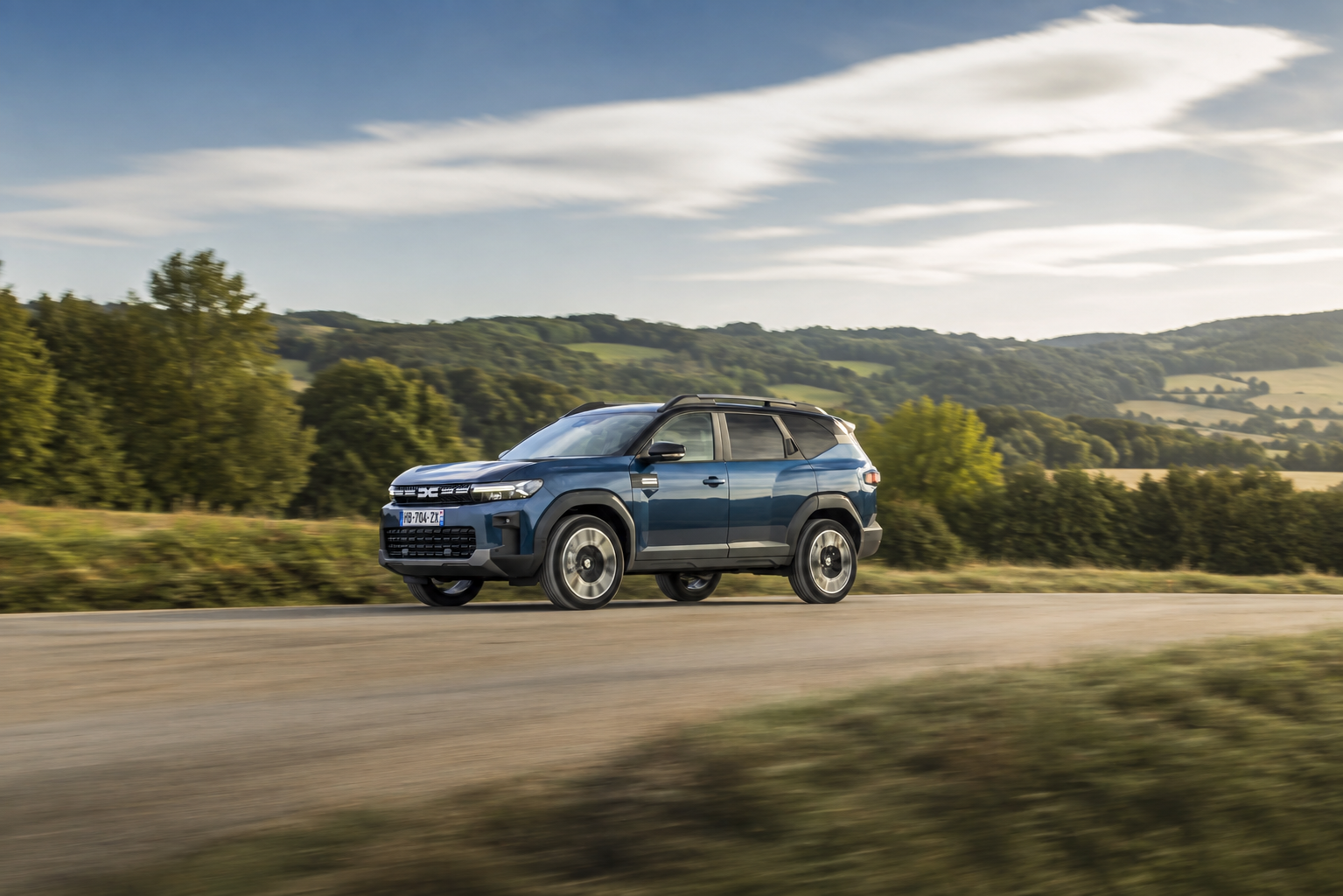
That is why the phrase “cancellation of the third model” should not be interpreted as an exit from the class. More precisely, Dacia has not confirmed another vehicle beyond Bigster and Striker in its immediate product plan. The company has not publicly disclosed what form it might have taken—an SUV, an estate car, or another version based on the existing architecture.
What This Means for Buyers
There is no reason to postpone choosing a Bigster while waiting for an unknown “third Dacia C-segment model.” As of September 6, 2026, Dacia had published no name, premiere date, or specifications for such a vehicle. It is impossible to compare it with current models or include a future price in a budget.
Why Electrification Has Become a Priority
In the same March 10 plan, Dacia announced that it would launch four fully electric vehicles by 2030. The goal goes beyond introducing several EVs: by the end of the decade, the brand expects electrified models to account for two-thirds of its sales, including electric vehicles and hybrids.
This direction is already visible in production vehicles. On September 2, 2026, Renault Group separately announced the arrival of the full Hybrid 155 powertrain in the Sandero. The official Sandero Hybrid announcement says that this version is part of a broader program of gradual electrification. A hybrid is not an electric vehicle, but it shows that the changes affect not only new premium-priced models but also the brand’s key cars.
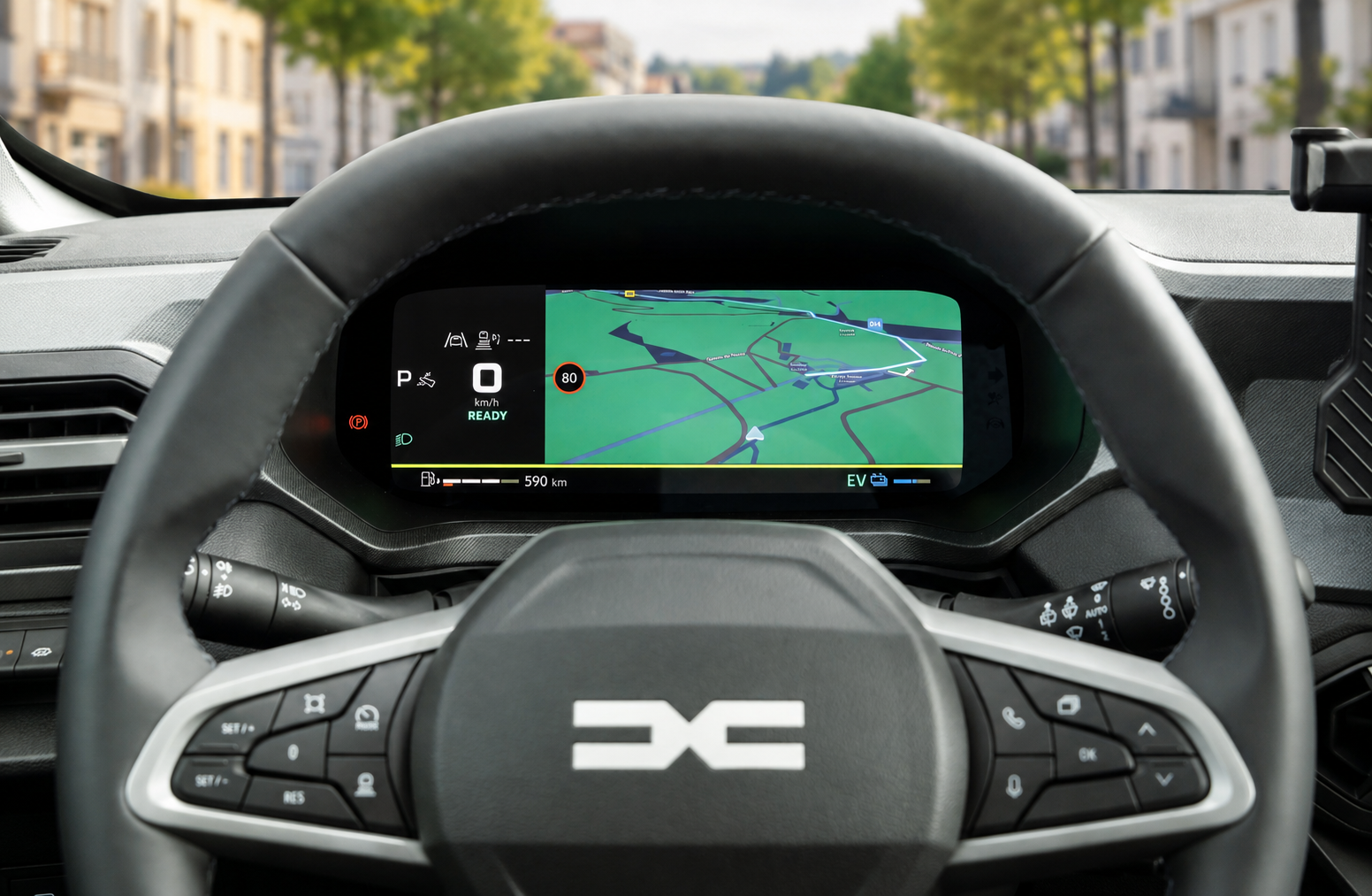
This does not mean Dacia will immediately abandon petrol engines or switch its entire range to battery power. The official materials describe a transition period in which electric vehicles, hybrids, and other powertrains will coexist. For buyers, that is more relevant than a dramatic headline: the available powertrain options will depend on the specific model and market.
Striker’s Role in the New Plan
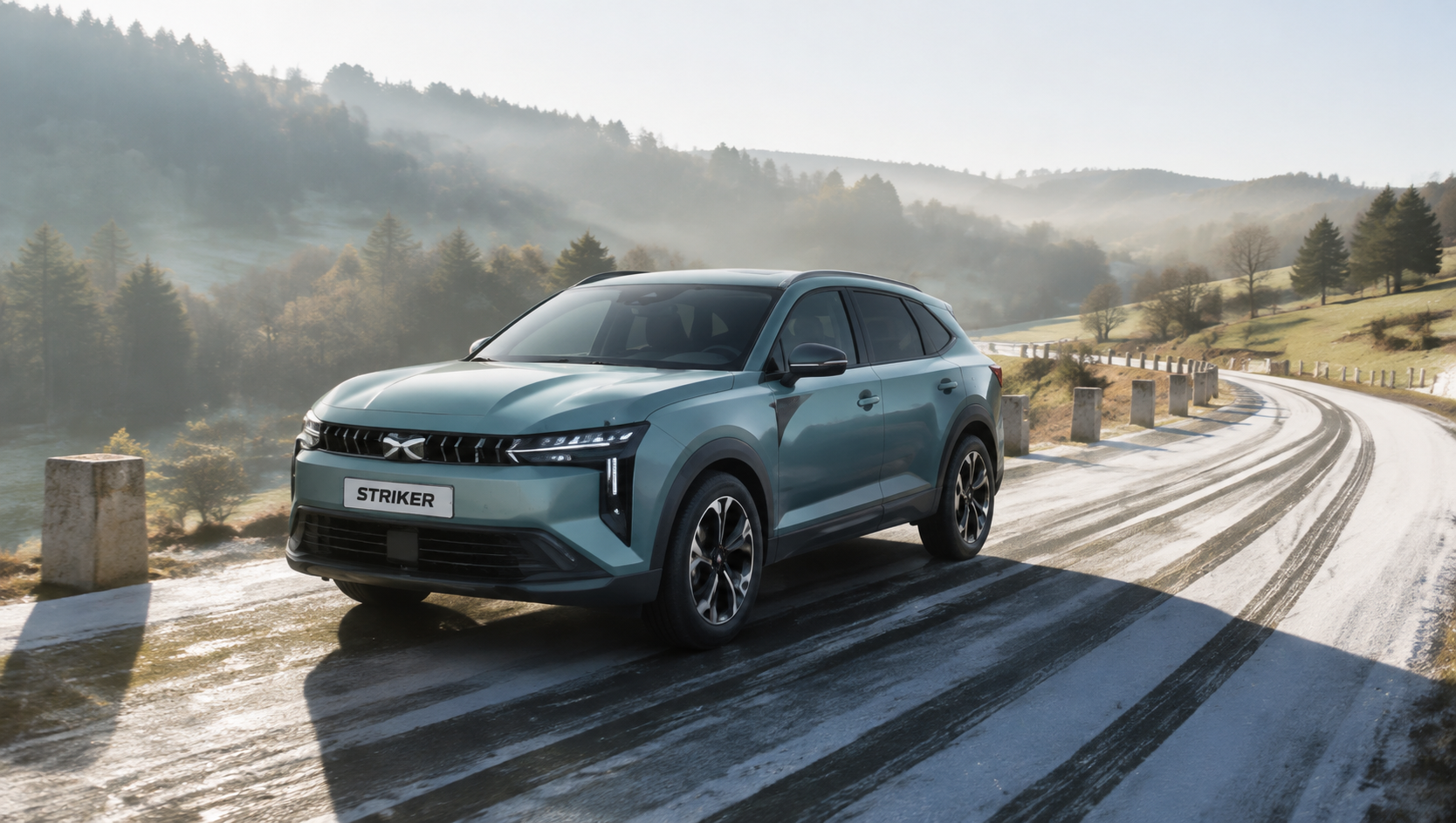
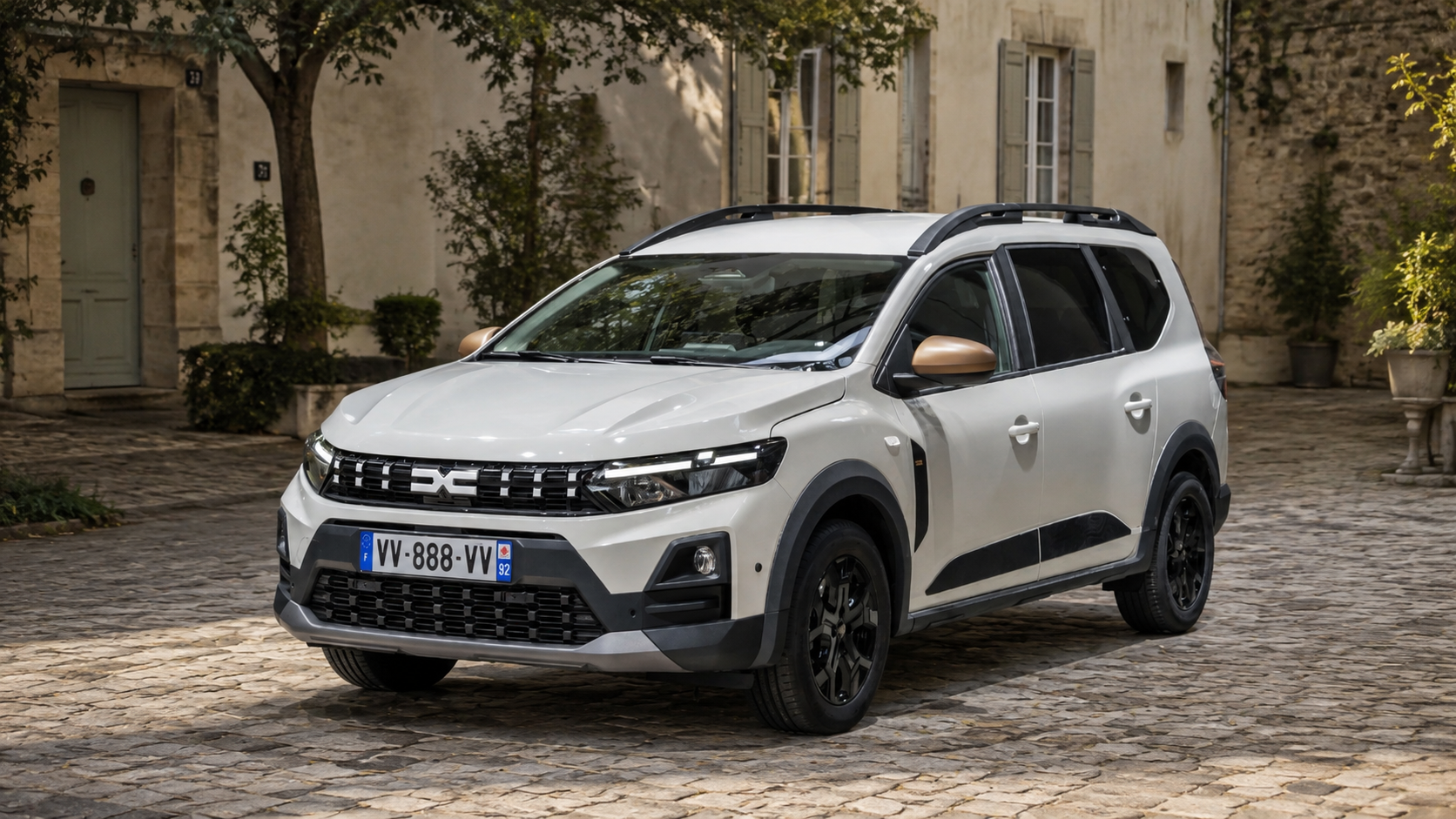
Striker is Dacia’s second core C-segment vehicle after Bigster. On July 8, 2026, Renault Group described it as an electrified model intended to expand the brand’s presence in this class. The official Striker announcement refers to four electrified powertrains, but local specifications, prices, and delivery timelines will depend on the market.
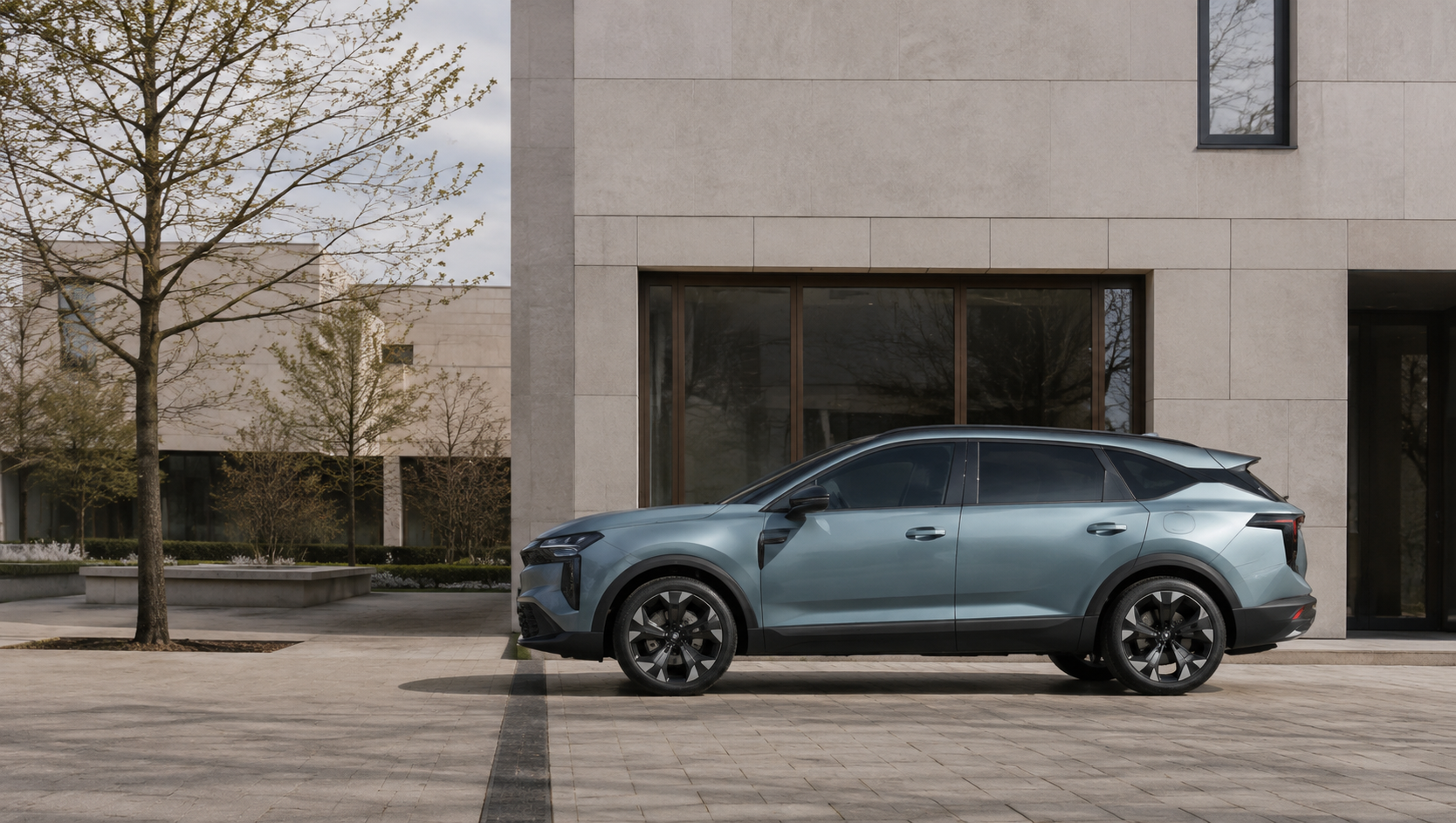
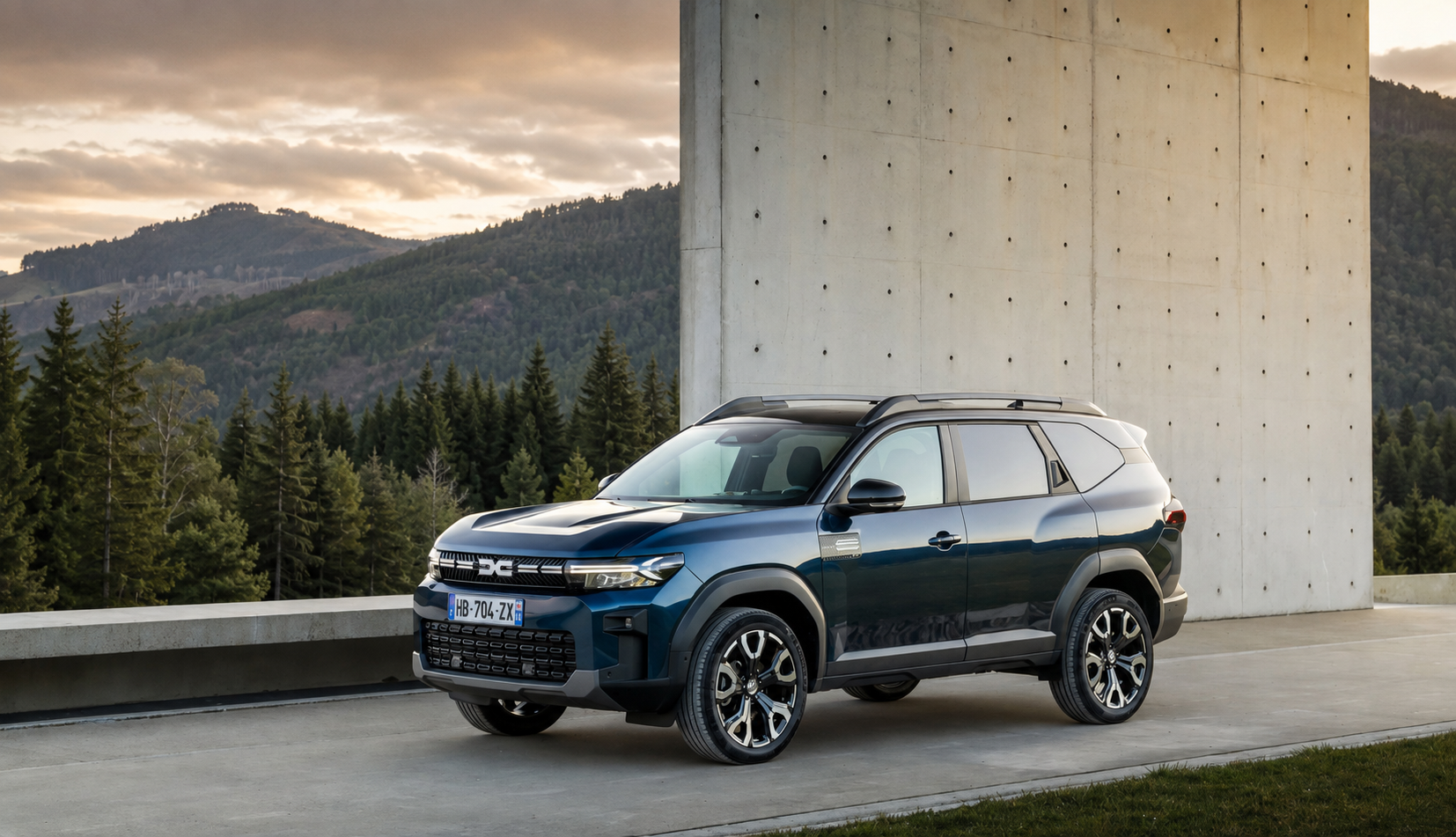
That is why the current strategy looks less like a reduction in choice and more like an effort to keep the model range focused. Bigster covers the large SUV format, Striker is intended to add a different body style in the same class, and developing electric and hybrid versions requires separate investment in platforms, batteries, and production.
What Remains Unknown
Whether the idea of a third C-segment model will be abandoned permanently or return after 2030.
Which markets will receive Striker first and in which versions.
What prices and specifications Dacia’s future electric models will have outside the announced affordable A-segment EV.
Whether Bigster and Striker will receive new powertrains before the next-generation Sandero arrives.
The Bottom Line
The September 4 report should be viewed as an adjustment to Dacia’s immediate plans, not as the brand turning its back on the C-segment. Dacia’s confirmed strategy is built around two C-segment models—Bigster and Striker—and faster electrification through 2030. A third vehicle in this class has no public status yet, so treating any proposed specifications, price, or launch date as fact would be premature.