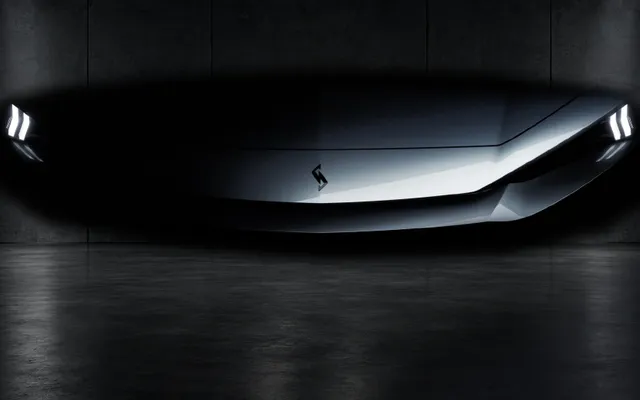

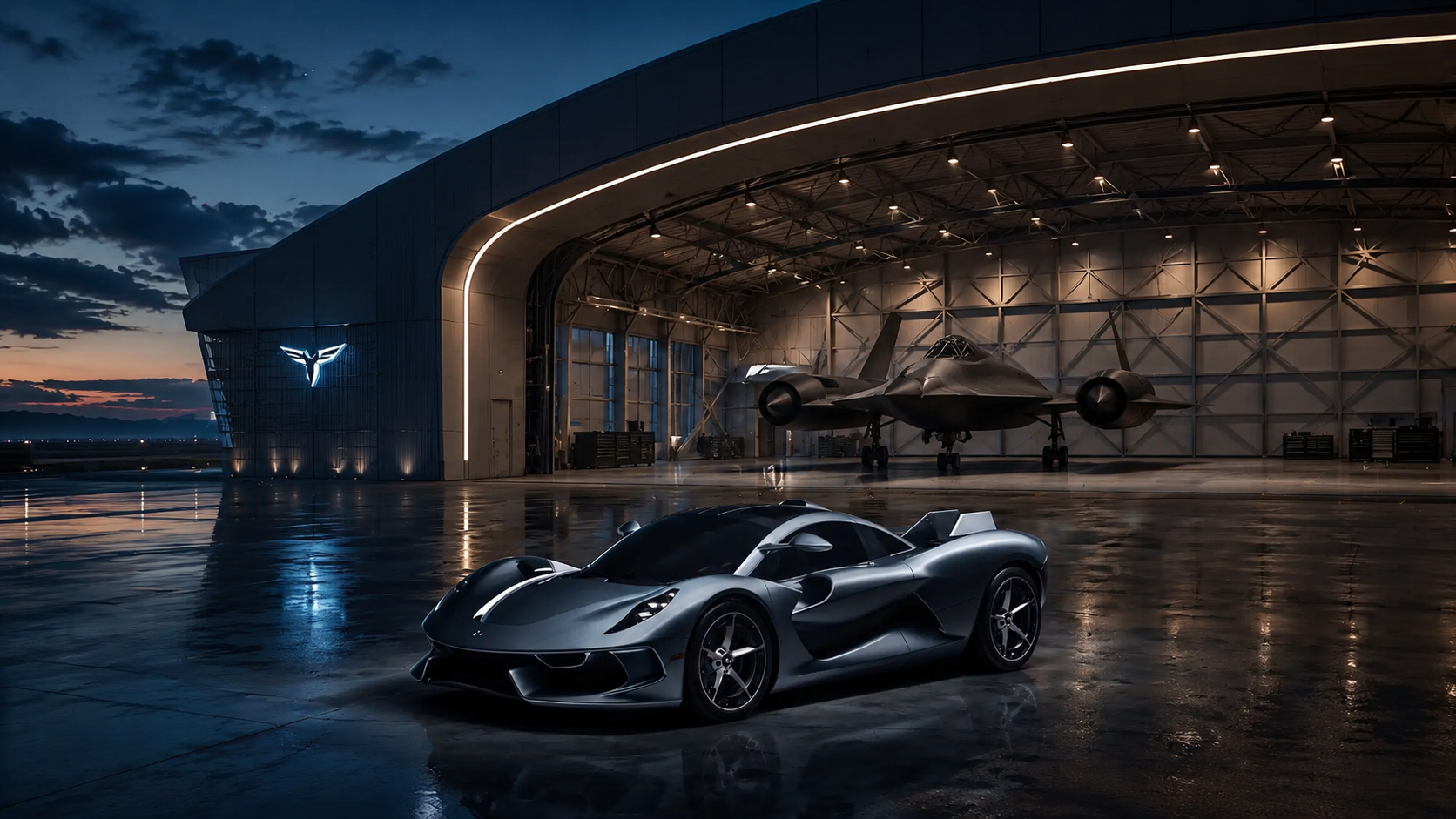
On August 3, 2026, American company Hennessey Special Vehicles unveiled the Blackbird, a new hypercar that deliberately does without turbocharging, a hybrid powertrain, an automatic gearbox and cabin screens. Instead of chasing maximum output, its creators focused on a naturally aspirated engine, rear-wheel drive and a six-speed manual gearbox with an exposed shift mechanism.
Blackbird will be Hennessey's third standalone hypercar after the Venom GT and Venom F5. However, the new model occupies a separate place in the lineup: the Venom F5 was created primarily for extreme speed, while the Blackbird is intended to be lighter, more analog and better suited to long-distance driving.
Key facts at a glance
The premiere took place on August 3, 2026.
Engine: a 6.2-liter naturally aspirated V8.
Target output: 800 to 850 hp.
Gearbox: six-speed manual.
Drive: rear-wheel drive.
Production will be limited to 71 cars.
Pricing starts at $2.5 million before taxes.
Production is scheduled to begin in 2029–2030.
Naturally aspirated V8 instead of turbochargers and electric motors
A new 6.2-liter naturally aspirated V8 has been developed for the Blackbird. Ilmor Engineering, a company specializing in the development and testing of high-performance powertrains, is involved in creating the engine.
Hennessey is targeting between 800 and 850 hp, while the engine's maximum speed is expected to exceed 9000 rpm. There will be no turbochargers or electric assistance. The manufacturer says this approach is intended to deliver linear power delivery and a quick response to throttle inputs.
For now, however, these are target specifications. The production engine is still under development, so its final output, torque and rev range may change before production begins.
Six-speed manual gearbox and rear-wheel drive
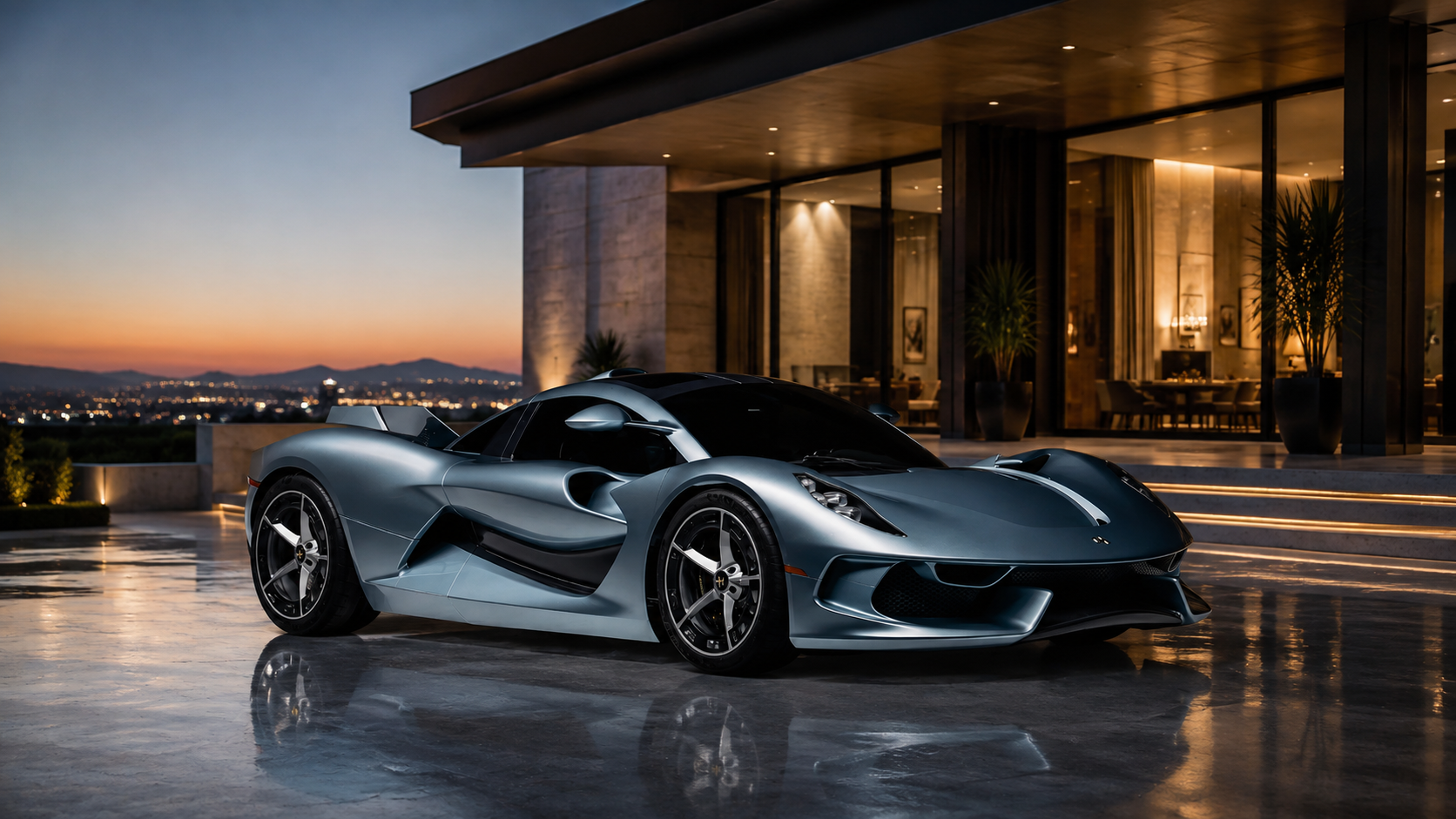
Power will be sent to the rear wheels through a six-speed manual gearbox. The exposed shift mechanism will be one of the cabin's defining features. The driver will also get a conventional ignition key, analog gauges and a steering wheel without buttons.
This combination is unusual among modern hypercars. Most models in this class use automated manual gearboxes, all-wheel drive or hybrid systems because these technologies help them accelerate faster and put down high power more effectively. The Blackbird, by contrast, requires the driver to shift manually and manage traction at the rear axle.
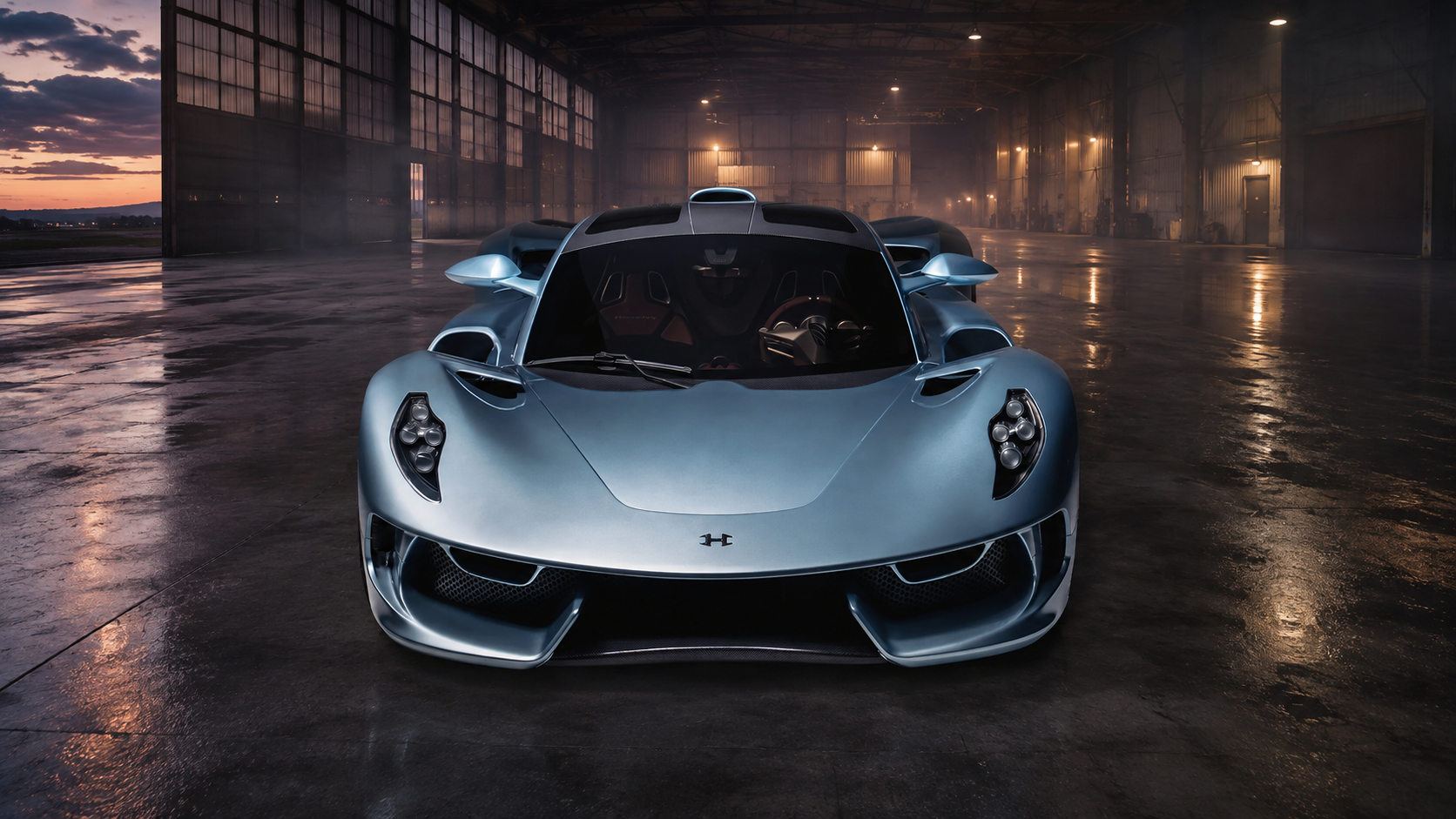
Why it is unusual: Hennessey has deliberately limited the car's complexity. The Blackbird is intended to be fast not because of a collection of electronic systems, but because of its low weight, naturally aspirated engine and the driver's direct involvement.
Claimed Hennessey Blackbird specifications
Parameter | Claimed figures |
|---|---|
Engine | 6.2-liter naturally aspirated V8 |
Power | Target 800–850 hp |
Maximum engine speed | More than 9000 rpm |
Transmission | 6-speed manual |
Drive | Rear-wheel drive |
0–60 mph | Target 2.5 seconds |
Top speed | Target 220 mph, approximately 354 km/h |
Dry weight | Less than 3000 lb, or approximately 1360 kg |
Production run | 71 cars |
Starting price | $2.5 million before taxes |
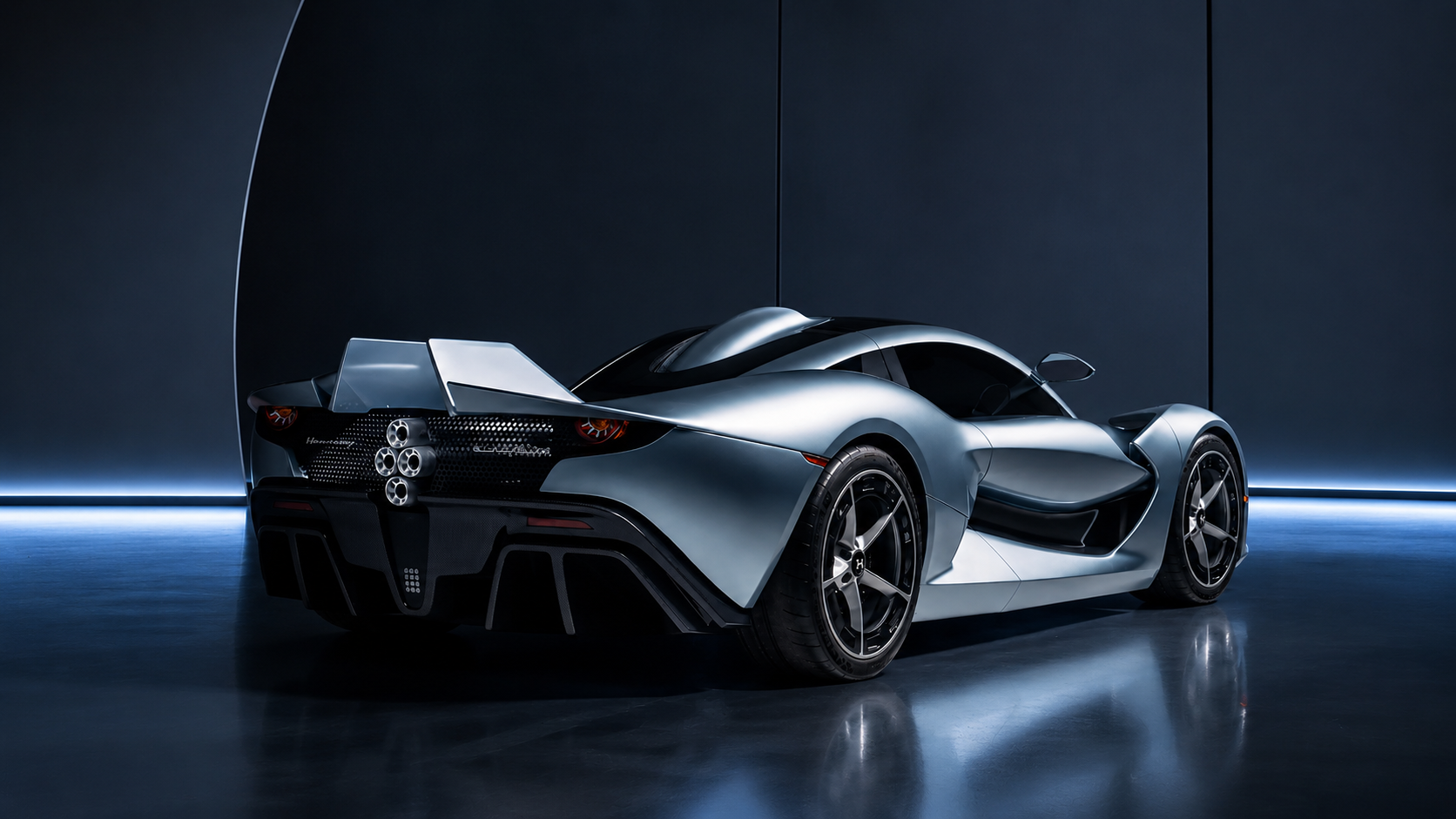
All performance figures have been provided by the manufacturer and have not been verified in independent testing. Full technical specifications will be released closer to the start of series production.
Carbon-fiber construction and active stabilizers
The Blackbird is built around a new carbon-fiber monocoque. Its body panels will also be made from carbon fiber. Hennessey is targeting a dry weight of less than 3000 lb, or approximately 1360 kg. Comparisons with other hypercars should be made cautiously, since manufacturers may calculate dry and curb weight differently.
The car will feature adaptive suspension, ABS, traction control and Michelin Pilot Sport Cup 2 tires. Despite its analog philosophy, the development team has not eliminated essential electronic driver aids.
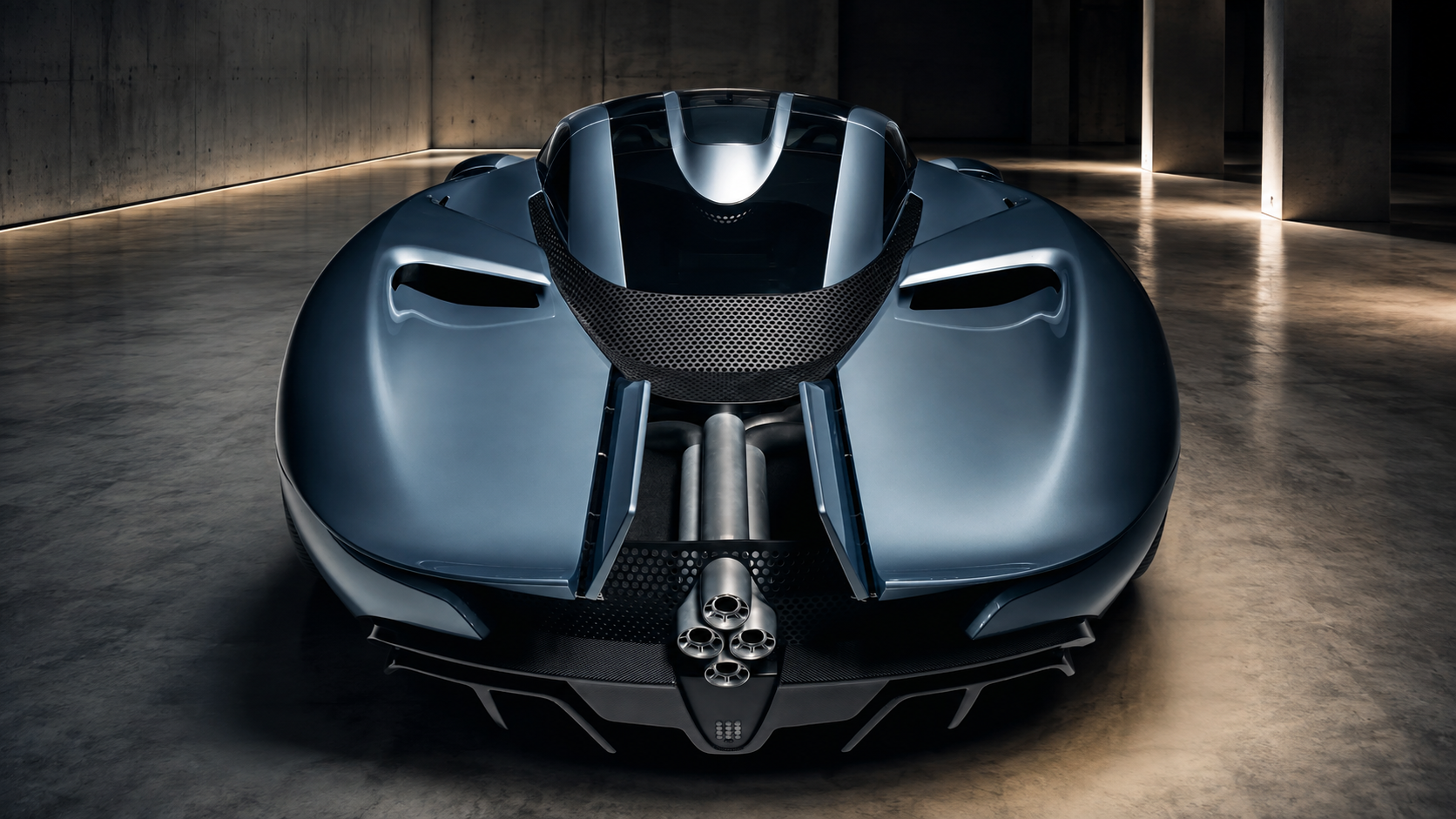
The model's name and design reference the Lockheed SR-71 Blackbird reconnaissance aircraft. Its most distinctive feature is a pair of active vertical stabilizers at the rear of the body. They automatically rise at 71 mph, or approximately 114 km/h, and are positioned at an angle of 71 degrees. The number also relates to the SR-71 designation and the planned production run.
Why the number 71?
Hennessey uses it in several elements of the project: the Blackbird is named after the SR-71, the active stabilizers deploy at 71 mph, their operating angle is 71 degrees, and production is limited to 71 cars.
No screens in the cabin, but smartphone connectivity remains
A large central tachometer sits directly in front of the driver. There will be no infotainment display, digital instrument cluster or steering-wheel buttons. The main functions are controlled by physical switches.
Even so, the Blackbird will not be completely disconnected from modern services. A smartphone can be placed in a dedicated holder and used for navigation, Apple CarPlay or Android Auto. The screen therefore remains the owner's personal device rather than a permanent part of the dashboard.
The Blackbird is being designed for more than short trips or track use. According to Hennessey, the car should be able to cover more than 800 miles—approximately 1287 km—in a single day. To support that goal, it will have adaptive suspension, improved visibility, a cabin that is more spacious than the Venom F5's and storage areas.
The front luggage compartment should hold two full-size carry-on bags. Additional storage compartments are provided behind the seats and inside the cabin. Another unusual feature for a hypercar is the inclusion of four cupholders.
When will the Blackbird arrive, and how much will it cost?
The Hennessey Blackbird's public debut will take place on August 14, 2026, at The Quail event in California. Further project details have been published in the official Hennessey Special Vehicles announcement.
Production of the Venom F5 is expected to finish around 2028. Hennessey will then move on to the Blackbird: customer cars are scheduled to begin assembly in Texas in 2029–2030, with deliveries following later.
The starting price is set at $2.5 million before taxes and additional options. Only 71 examples will be built. At the time of the August 3, 2026, presentation, more than two-thirds of the production allocation had already been assigned to customers.
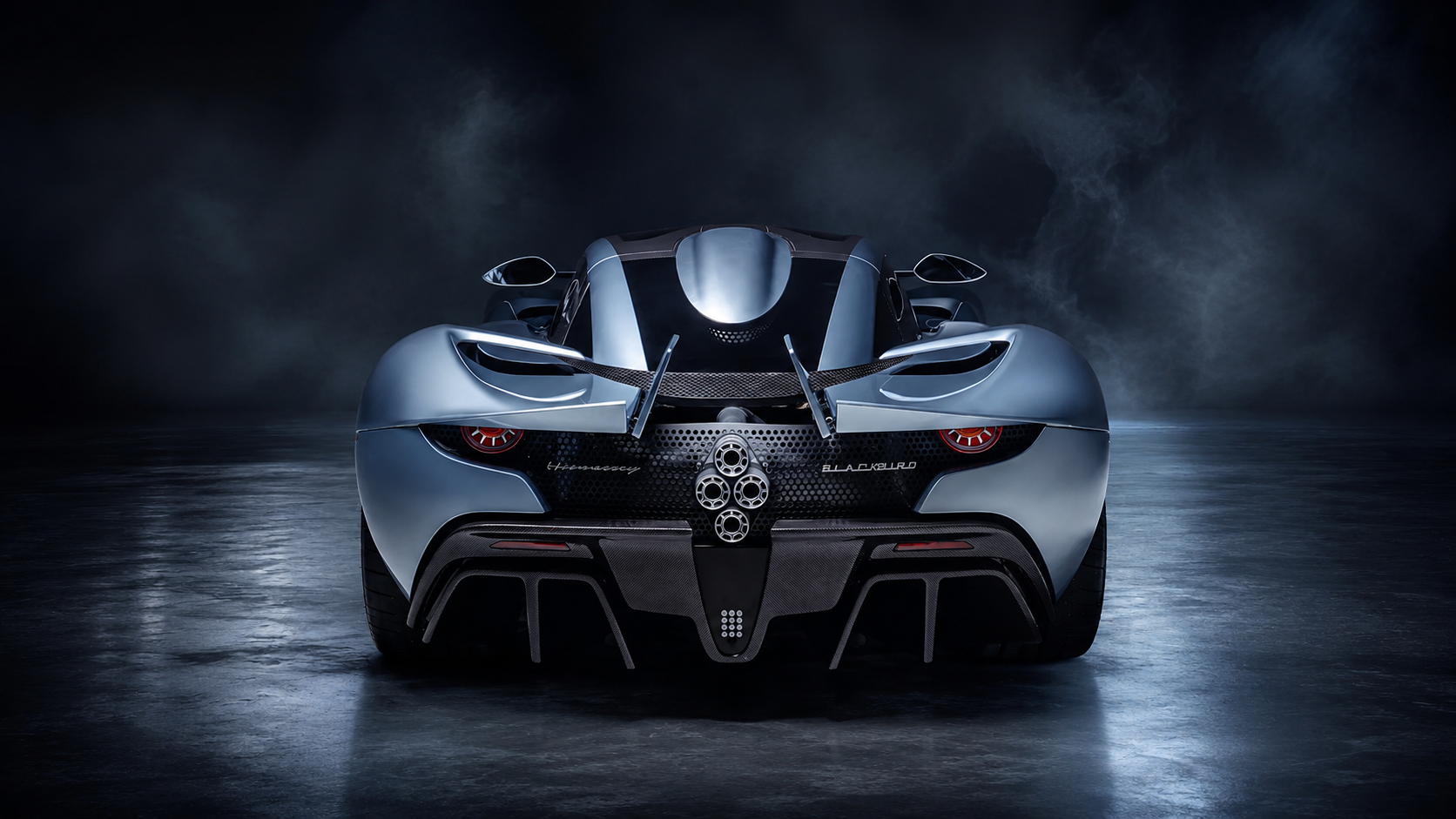
How the Blackbird differs from the Venom F5
The Venom F5 is built around maximum power and speed. Its 6.6-liter V8 uses twin turbochargers, while some versions of the family produce more than 1800 hp. The Blackbird is not trying to beat those figures.
The new model is intended to be a lighter, more intuitive car for the driver, with a naturally aspirated engine, manual gearbox, rear-wheel drive and minimal digital technology. It should not be viewed as a direct replacement for the Venom F5. Instead, Hennessey is opening a second direction: hypercars for people who value not only acceleration results, but also the act of driving itself.
Additional context on the company's previous hypercar generation is available on the official Hennessey Special Vehicles website.
What remains unknown
the engine's final power and torque;
the exact curb weight;
real-world acceleration and top-speed test results;
the full list of options;
the dates of the first customer deliveries;
brake-system specifications and wheel dimensions.
Several years remain before production starts, so some specifications may change. For now, the Blackbird exists as an officially unveiled project with claimed target specifications, rather than as a finished production car that has undergone independent testing.