 EN
EN

Frequently asked questions
Jaguar plans to open orders in early 2027, with first deliveries expected in the second half of 2027. The exact sales launch date has not yet been announced.
Jaguar gives a preliminary WLTP estimate of up to 720 km and expects up to 400 miles, or approximately 644 km, under the US EPA cycle. JLR also estimates up to 320 miles, or about 515 km, at a steady speed of around 120 km/h.
Buyers should confirm the final certified specifications, the equipment available in their market, battery warranty terms, rear-seat comfort, rear-door access and practical luggage space.
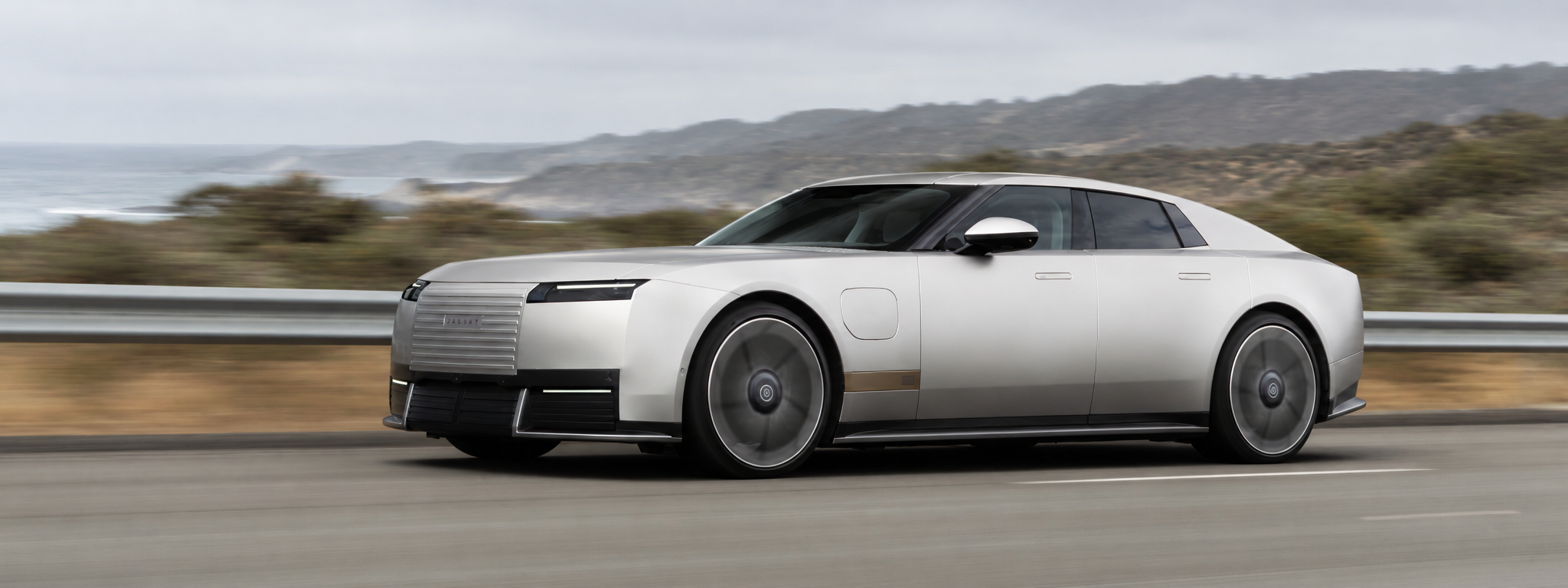
On October 6, 2026, Jaguar unveiled the electric four-door GT Type 01 in New York. The official premiere announcement was published on October 7. The long hood, rear-set cabin and low roof shaped more than the car’s appearance: Jaguar developed a dedicated electric architecture, JEA, around these proportions.
The Type 01 has three electric motors, up to 1,030 PS and four individual seats. Jaguar plans to open orders in early 2027, with first deliveries expected in the second half of the year. There is still time between the premiere and the cars reaching customers, so the claimed specifications should be separated from the results of future independent testing.
Why does an electric car need such a long hood?
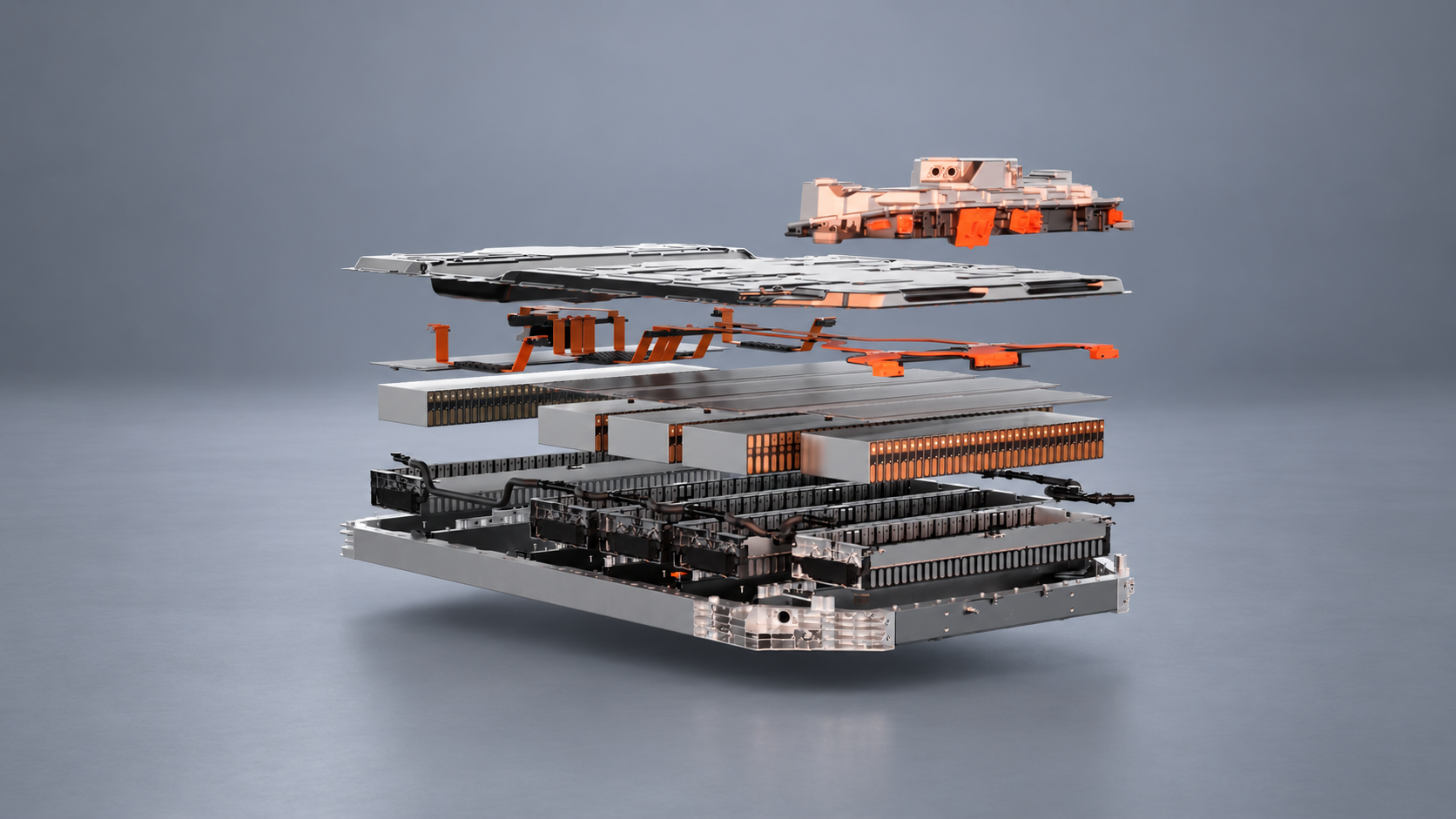
According to MotorTrend, engineers were looking for a way to retain a low body while accommodating a large battery. The solution was an unusual layout: 32 of the 200 cells are positioned at the front, ahead of the passenger-compartment bulkhead. This made it possible to reduce the thickness of part of the battery beneath the floor. The publication attributes this detail to the vehicle’s developers.
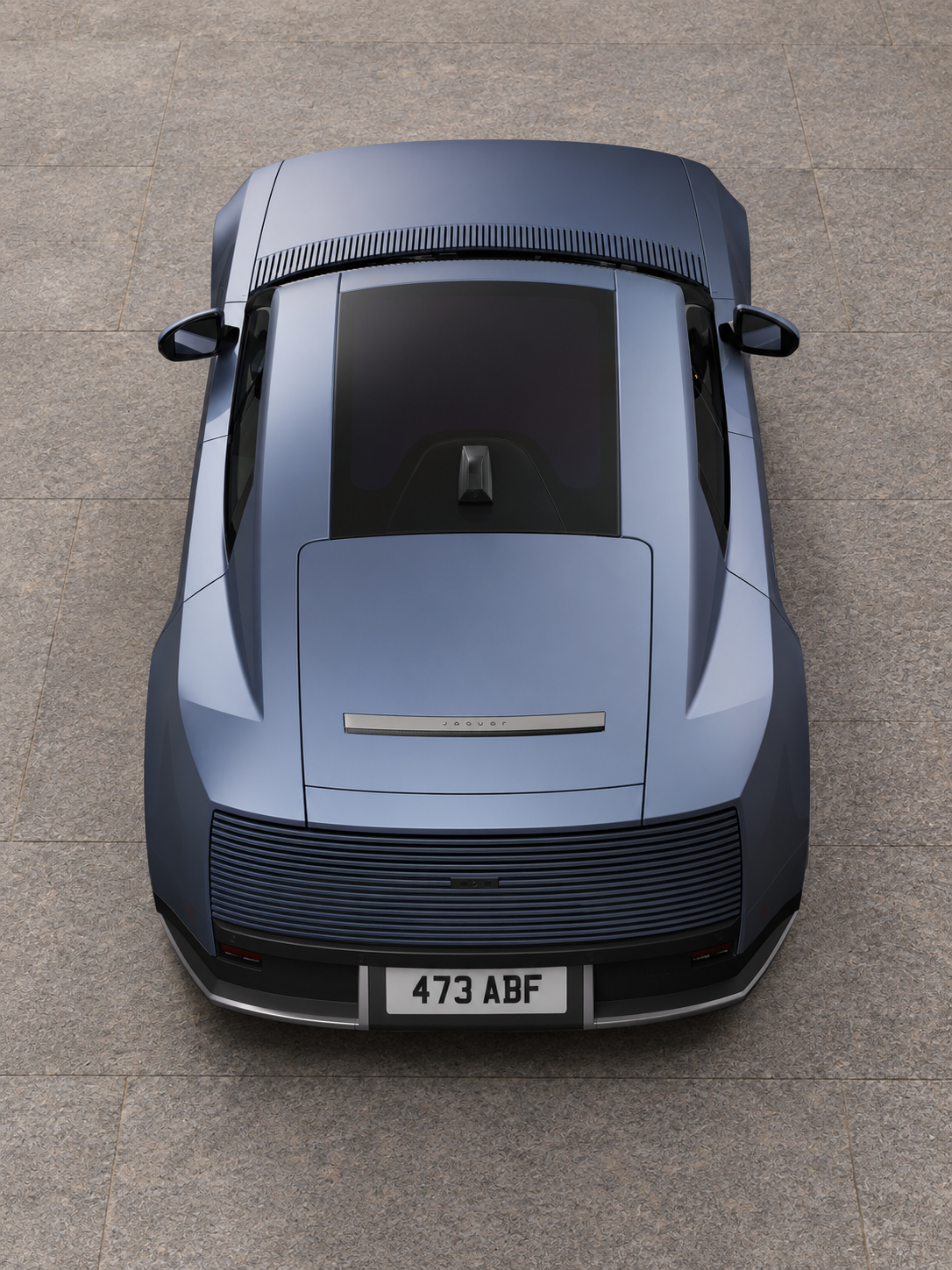
The Type 01 has no rear window; a camera provides the rear view. At the same time, the long body should not automatically be taken as a promise of a large trunk. After seeing the car, Car and Driver journalists noted the limited luggage space behind the rear seats.
The detail you cannot see in photographs
For most buyers, a long hood suggests a large engine. Here, part of that space is used for elements of the electric powertrain. That is why it is not enough to view the Type 01 only as a design experiment: its proportions affect the battery layout and the way the body is engineered.
1,030 PS: what Jaguar has revealed about the technology
In its Type 01 technical description, Jaguar quotes power in metric horsepower, or PS. Peak output is 1,030 PS, while torque is 1,365 N·m. This is the most powerful road-going Jaguar the brand has introduced.
Parameter | Jaguar data as of October 7, 2026 |
|---|---|
Powertrain | Three electric motors |
Maximum power | Up to 1,030 PS |
Torque | 1,365 N·m |
0–100 km/h acceleration | From 3.2 seconds |
100–180 km/h acceleration | 4.0 seconds |
Usable battery capacity | 118 kWh |
Electrical architecture | 850 V |
WLTP range | Up to 720 km, preliminary manufacturer estimate |
According to MotorTrend, one motor drives the front wheels while the other two operate on the rear axle. This arrangement allows the traction at the rear wheels to be controlled individually. However, the power and acceleration figures do not answer questions about response smoothness, braking or how the heavy GT behaves on uneven roads. Those questions require road testing.
Why 720 km cannot be applied directly to a highway trip
Up to 720 km under WLTP is Jaguar’s preliminary estimate before certification testing is complete. For the US EPA cycle, the company expects up to 400 miles, or approximately 644 km. These figures use different testing methods and do not indicate two different battery sizes.
JLR also gives an estimate for driving at a steady speed of around 120 km/h: up to 320 miles, or approximately 515 km. This is also a manufacturer estimate. For planning a long trip, it is closer to a specific driving scenario than the general WLTP figure, but it does not account for every possible route condition.
What does “321 km in 13 minutes” mean?
Jaguar claims that a 350 kW DC fast charger can add enough energy for up to 321 km of range in 13 minutes. This is not the time required to fully charge the battery. Temperature, the initial state of charge and the charging station’s capabilities all affect the result. When comparing the Type 01 with another electric vehicle, it is more useful to also check charging time over the same range, such as from 10% to 80%.
Four seats, with a note about passenger space
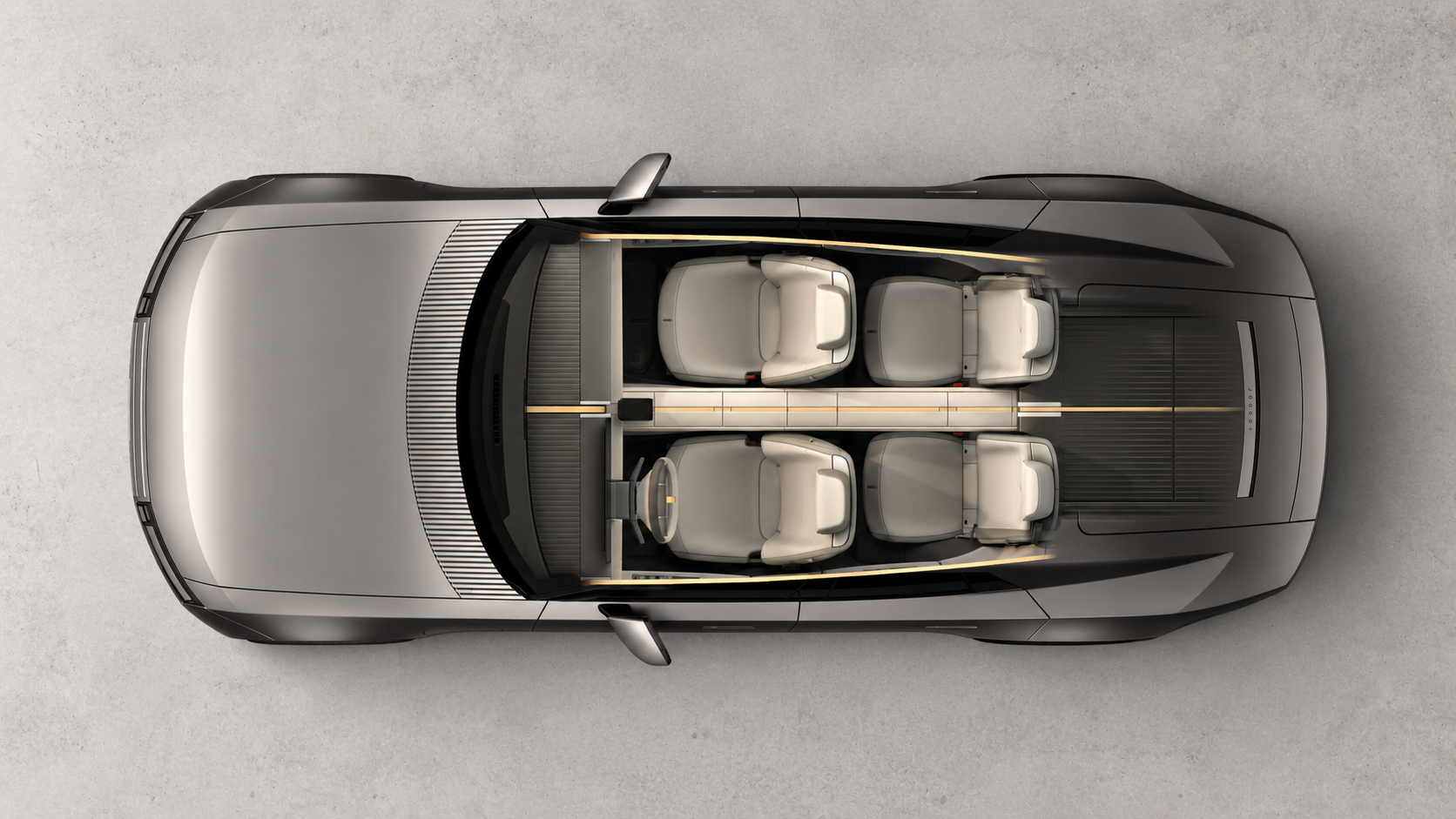
The cabin is divided into four individual areas by a longitudinal center console. A 24-inch OLED display sits in front of the driver, while a separate vertical seven-inch screen handles the main functions.
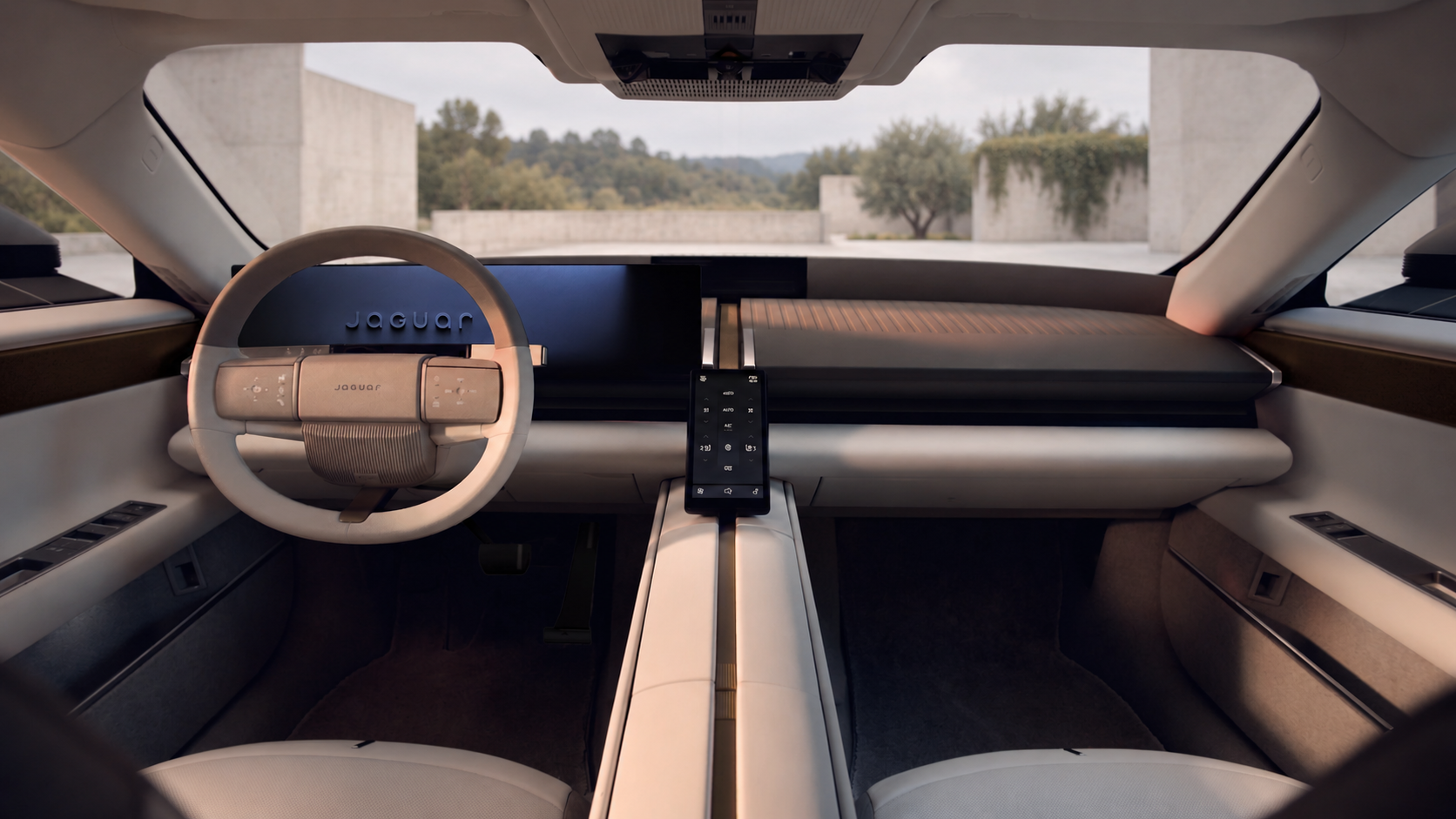
Car and Driver raised concerns about the small door openings and the ease of accommodating tall passengers. MotorTrend also describes the rear row as tight for taller occupants. These are journalists’ impressions rather than measurements taken under a single standard, but they give buyers a specific reason to check the seating position in person.
What to check when you first see the car
Sit in the rear seat behind a front seat adjusted for your height and assess the legroom and headroom.
Get in and out through the rear door several times; the practicality of the opening cannot be judged from a cabin photograph.
Check the rear-view camera image and how comfortable you are using it.
Try loading the luggage you normally take on a trip if you expect to travel with four people.
Price, production and delivery timeline
In a Type 01 production announcement published on October 7, 2026, JLR gives a starting price of £130,000. This should not be treated as a ready-to-use price for other countries: local prices, taxes and equipment levels must be checked separately.
Assembly is planned to begin in 2027 in Solihull. Electric drive units and battery packs will be produced in Wolverhampton, while stamped body panels will be made in Halewood.
Orders are scheduled to open in early 2027, with first deliveries planned for the second half of 2027. The exact sales launch date has not yet been announced. Before placing an order, buyers will still need to confirm the final certified specifications, equipment for their market and battery warranty terms, as these details are not included in the premiere announcements used here.