 EN


Frequently asked questions
Apex Position is a layout in which the driver leans forward, reaches toward the steering wheel, and extends their legs toward pedals positioned behind them. It is inspired by the riding position on a sports motorcycle.
No. The figures of 800 hp, 700 N·m, 1100 kg, and 330 km/h are project targets, not test results from a production One.
Sanrivatti identifies 2028 as the target for the first fully functional running prototype of the One and 2030 as the target for the start of production. These are development and production plans, not guaranteed delivery dates for buyers.
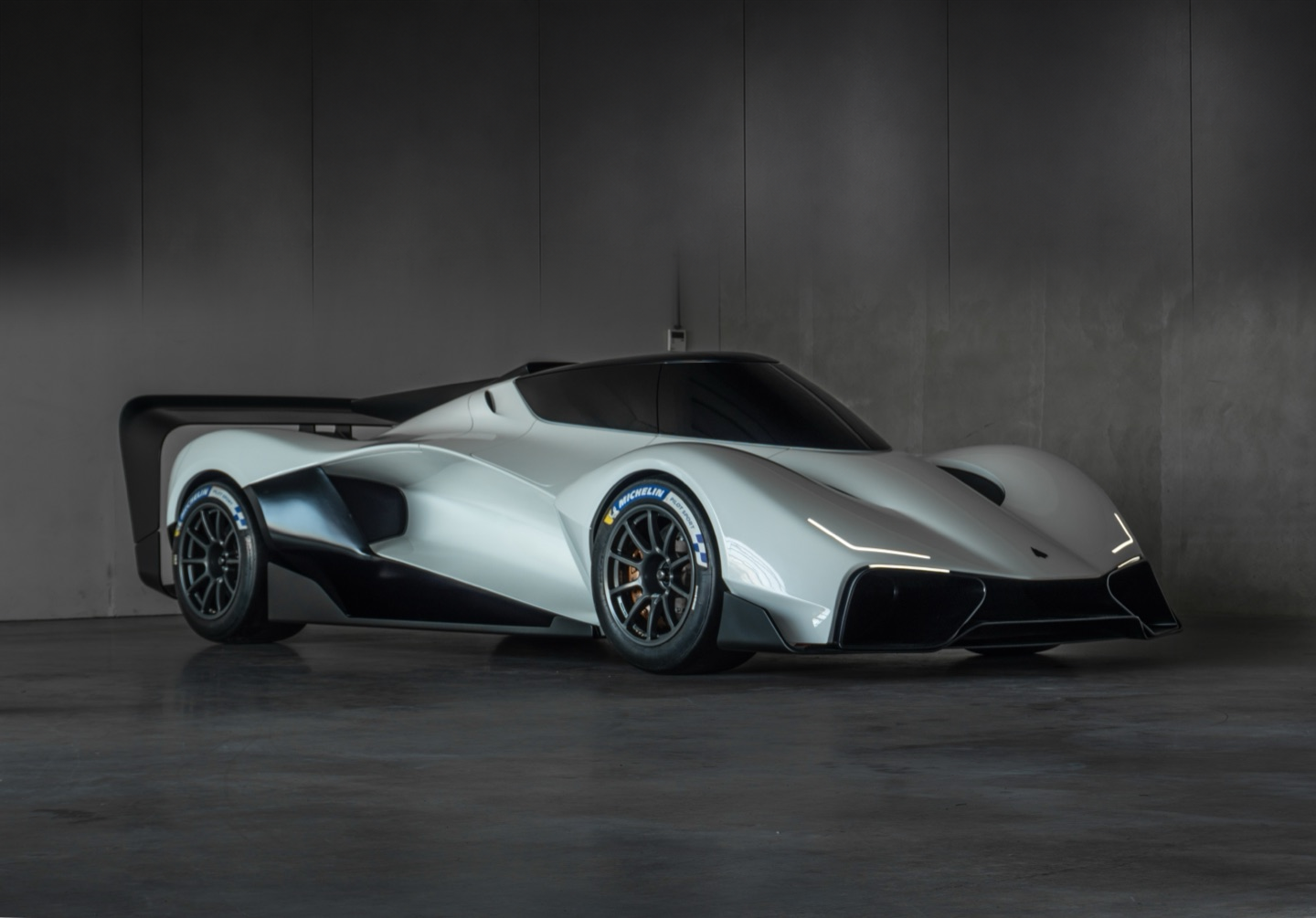
Dutch company Sanrivatti is developing the single-seat track hypercar One, in which the driver leans forward as if riding a sports motorcycle. The hands reach toward the steering wheel, while the legs extend backward to the pedals. This layout is called Apex Position, and it shapes the entire car, from the cockpit to the controls.
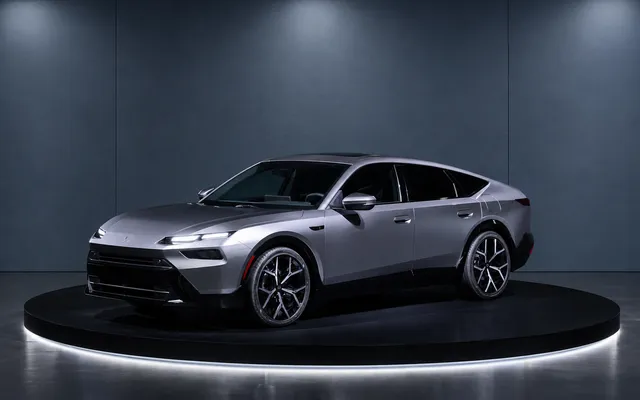
The project already has a full-size One demonstrator and a separate running vehicle for testing the seating position. However, the One shown is not yet a completed, driveable hypercar. Its specifications still need to be confirmed, and the company is targeting 2030 for the start of production.
How the Apex Position Seating Layout Works
In a conventional sports car, the driver rests their back against a reclined seat, with the legs pointing forward. In the Sanrivatti, the upper body is positioned toward the front of the cockpit, the steering wheel sits in front of the hands, and the pedals are behind the driver. To test this arrangement, the developers use a special torso support.
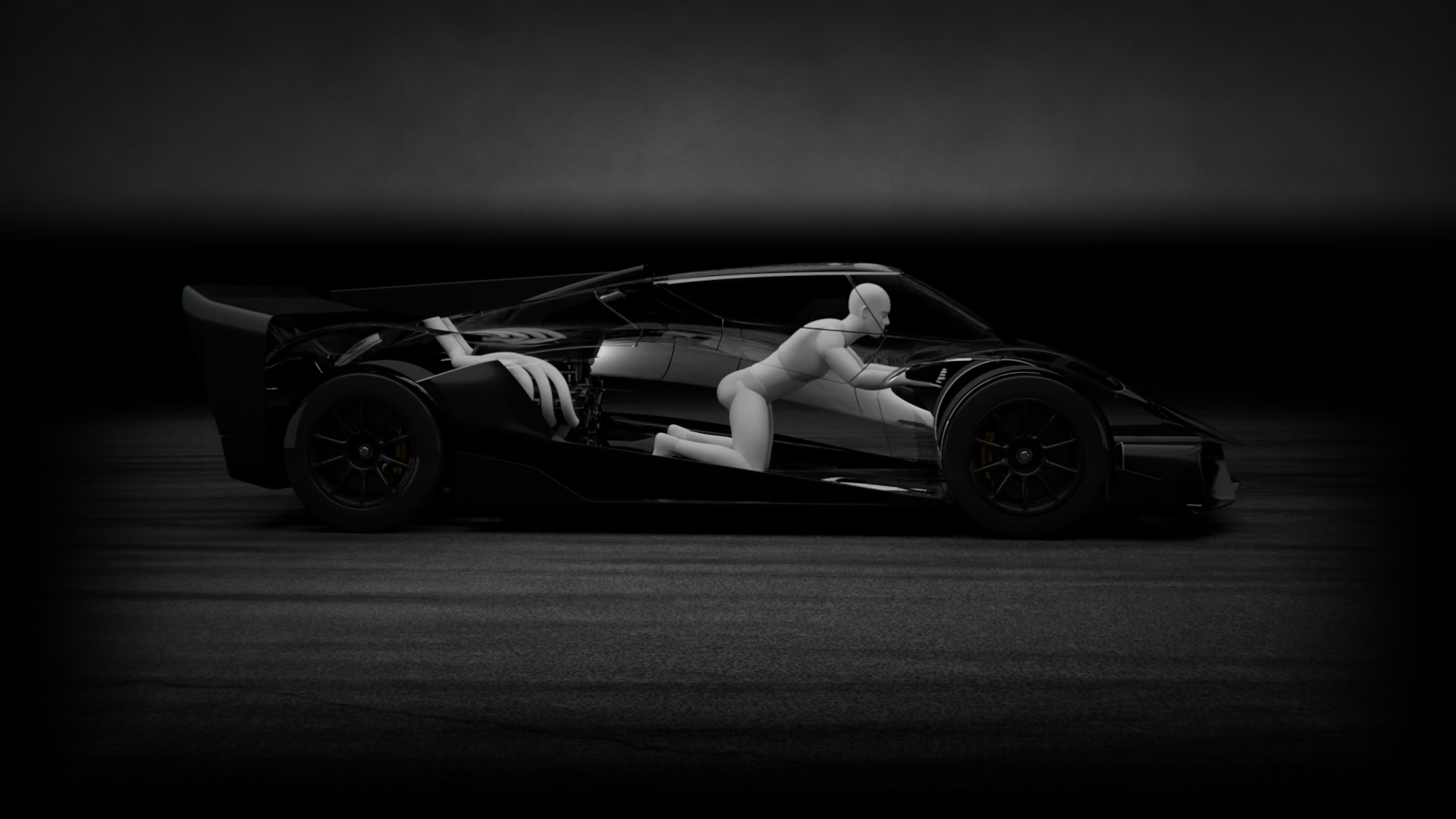
In the official description of Apex Position, the company explains the concept through a motorcyclist’s sensations: body position, balance, and the perception of movement are intended to become part of the driving experience. Sanrivatti founder Santiago Sanchez Rivero wants to reduce the distance between the person and the machine that, in his view, is created by a conventional automotive seating position.
This explains the choice of layout, but it does not by itself prove that the design is superior. Whether it allows the driver to take corners more precisely or with less fatigue must be assessed separately from how unusual the seating position feels inside the car.
What “3.2 Times More Track in the Field of View” Means
Visibility is one of the arguments behind the new seating position. In a Sanrivatti engineering study published on October 14, 2026, the company describes a virtual comparison with ten hypercars and track cars. The vehicles were placed at the same point of Silverstone’s third corner, and the amount of track surface visible from the driver’s eye position was measured.
According to the company’s calculations, Apex Position made an average of 3.2 times more of the track itself visible. This refers to a specific simulation scene: the visible sections before the braking point, corner entry, apex, and exit. It does not mean that the total viewing angle increases 3.2 times.
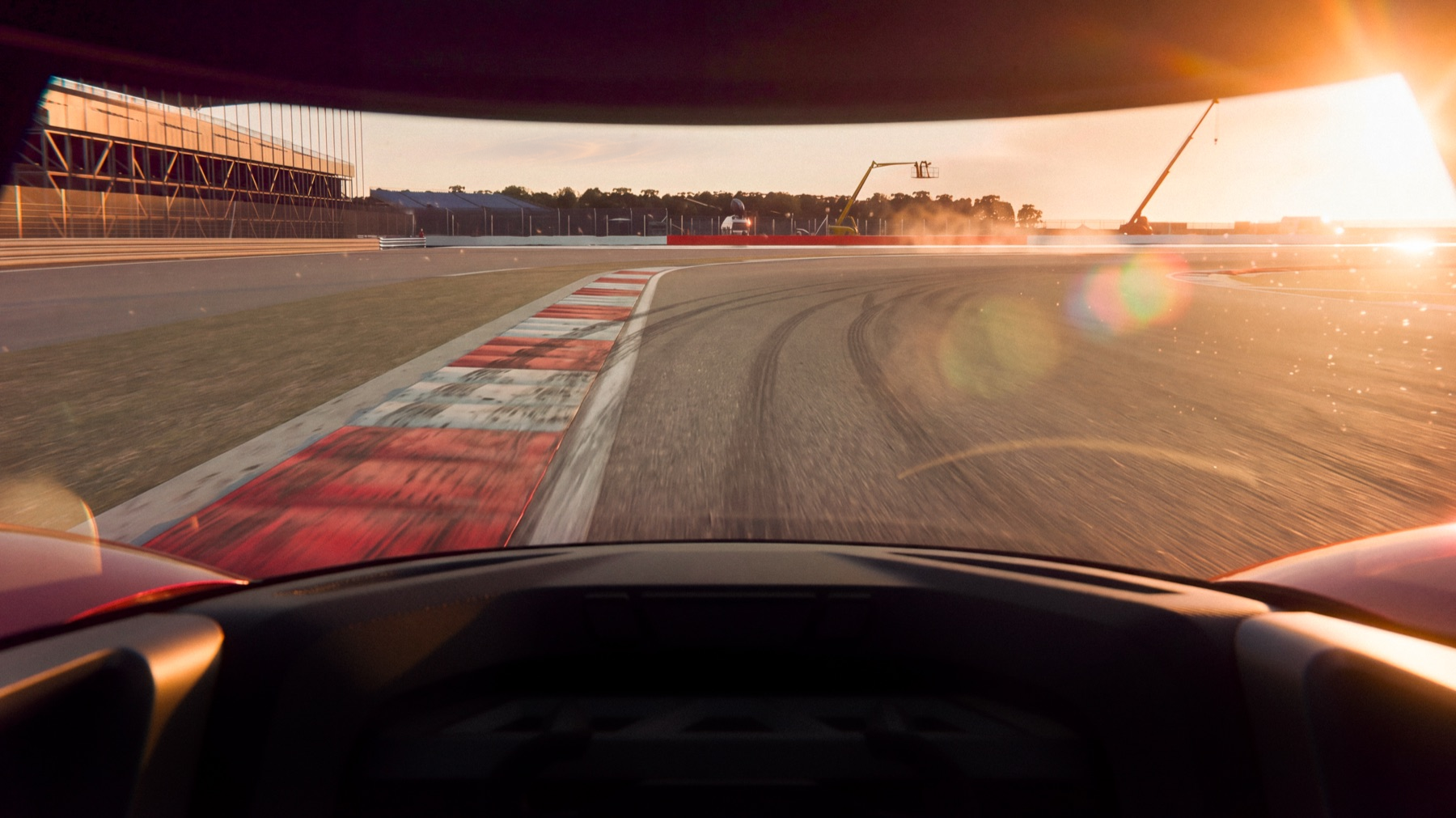
Sanrivatti gives separate figures for the vertical field of view: 28° compared with 15.5° for the hypercar selected for comparison. These figures come from a computer analysis of the geometry. They show what the engineers expect to achieve, but they do not replace independent testing of a completed car and do not demonstrate any gain in lap time.
What Specifications Have Been Announced for the One
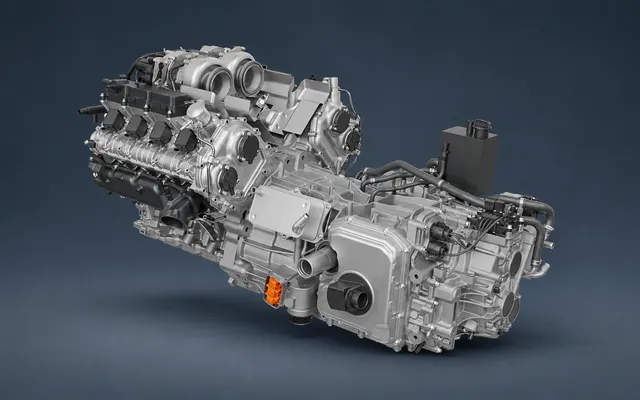
The One is planned to use a naturally aspirated V10 from Judd. In a direct interview, Sanchez Rivero explained the choice by pointing to throttle response, the character of the power delivery, and the sound. The official Sanrivatti One page lists four main development targets.
Parameter | Stated target |
|---|---|
Power | 800 hp at 9000 rpm |
Torque | 700 N·m |
Dry weight | 1100 kg |
Top speed | 330 km/h |
All four figures are project targets, not test results from a production One. The manufacturer specifically describes the weight as dry, so it cannot be directly compared with another car’s curb weight. The company has not yet published a verified 0–100 km/h acceleration time.
Why the Separate Prototype Zero Is Needed
Sanrivatti calls its running test vehicle Prototype Zero. It is used to evaluate body position, upper-torso support, the steering wheel, the rear-positioned pedals, and the perception of movement. The manufacturer explicitly distinguishes this engineering tool from the future completed car.
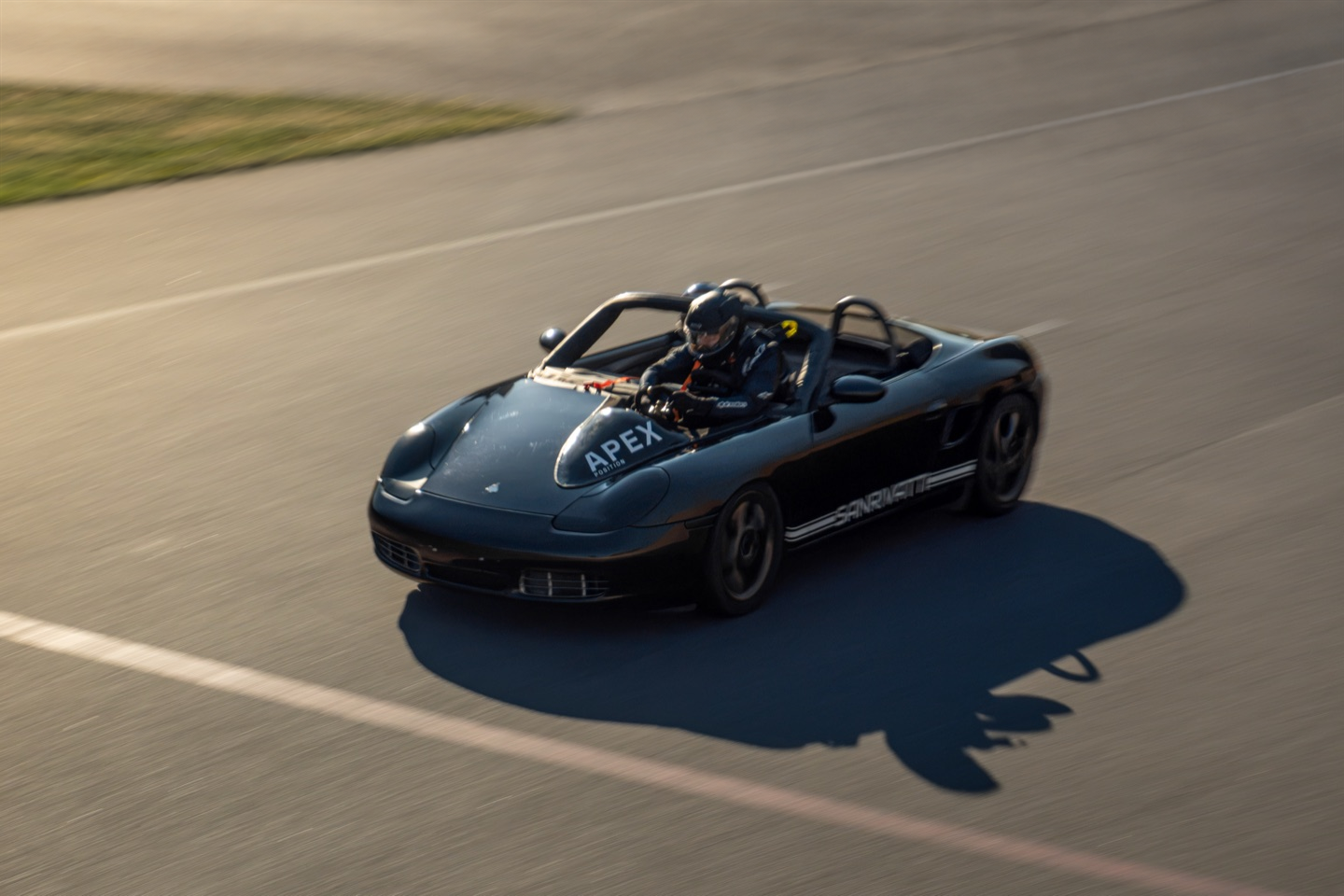
This separation helps clarify the project’s current development stage. Prototype Zero allows the seating position to be tested in motion, the One demonstrator shows the exterior and proportions, while digital and physical simulators help refine visibility and ergonomics. Having these tools does not yet mean that all the solutions have been combined in a fully functional One.
When Will the Driveable One Arrive, and How Much Will It Cost?
In responses to questions from autoevolution, Sanchez Rivero identified 2028 as the target for the first fully functional running prototype of the One and 2030 as the target for the start of production. Testing, structural validation, and production preparation are planned between these stages. 2030 is a production plan, not a guaranteed date for delivering cars to buyers.

The One is being developed exclusively for racing circuits. The founder considers a possible road version a separate issue. The final price has not yet been announced, and the production location is also still being selected. The company is preparing a driver-development program for future owners.
The project’s main technical test is still ahead: whether the unusual seating position can retain its claimed advantages in a finished car under braking, acceleration, and cornering. The running One will show how Apex Position works together with the chosen engine and the rest of the vehicle’s design.