 EN


Frequently asked questions
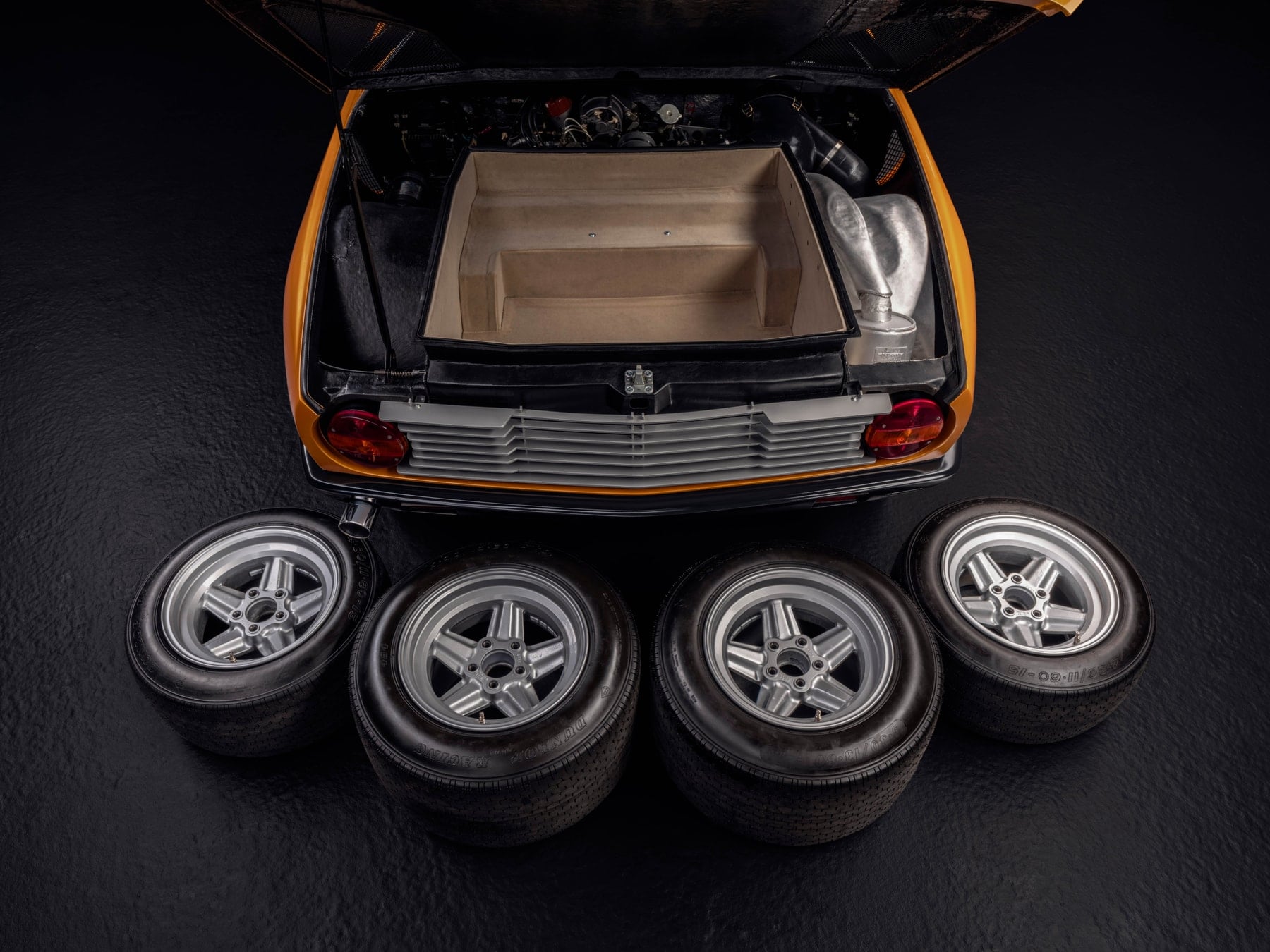
The engineers checked whether fuel was consumed evenly from the two side tanks, which had a combined capacity of 116 l, and tested an anti-lock braking system.
Mercedes-Benz cites new emissions regulations, high production costs and the 1973 oil crisis among the reasons.
RM Sotheby's will hold the auction on 3 February 2027 at the Carrousel du Louvre complex in Paris, alongside the Rétromobile show. The prototype is estimated at more than €25 million.
In December 1970, engineer Rudolf Uhlenhaut placed butter in the boot of the Mercedes-Benz C 111-II to find out how much the engine heated it during high-speed driving. Fifty-six years later, the same car will become the first C 111 that Mercedes-Benz has offered for sale. The auction will take place in Paris on 3 February 2027, according to a Mercedes-Benz announcement dated 18 November 2026.
Why Mercedes-Benz Built the C 111
The first C 111 was unveiled in Frankfurt in 1969, while the revised C 111-II debuted in Geneva the following spring. A Wankel engine was mounted behind the seats. In this type of engine, the working chambers change volume as the rotors turn. Mercedes-Benz aimed to achieve high power from a compact engine with smooth operation.
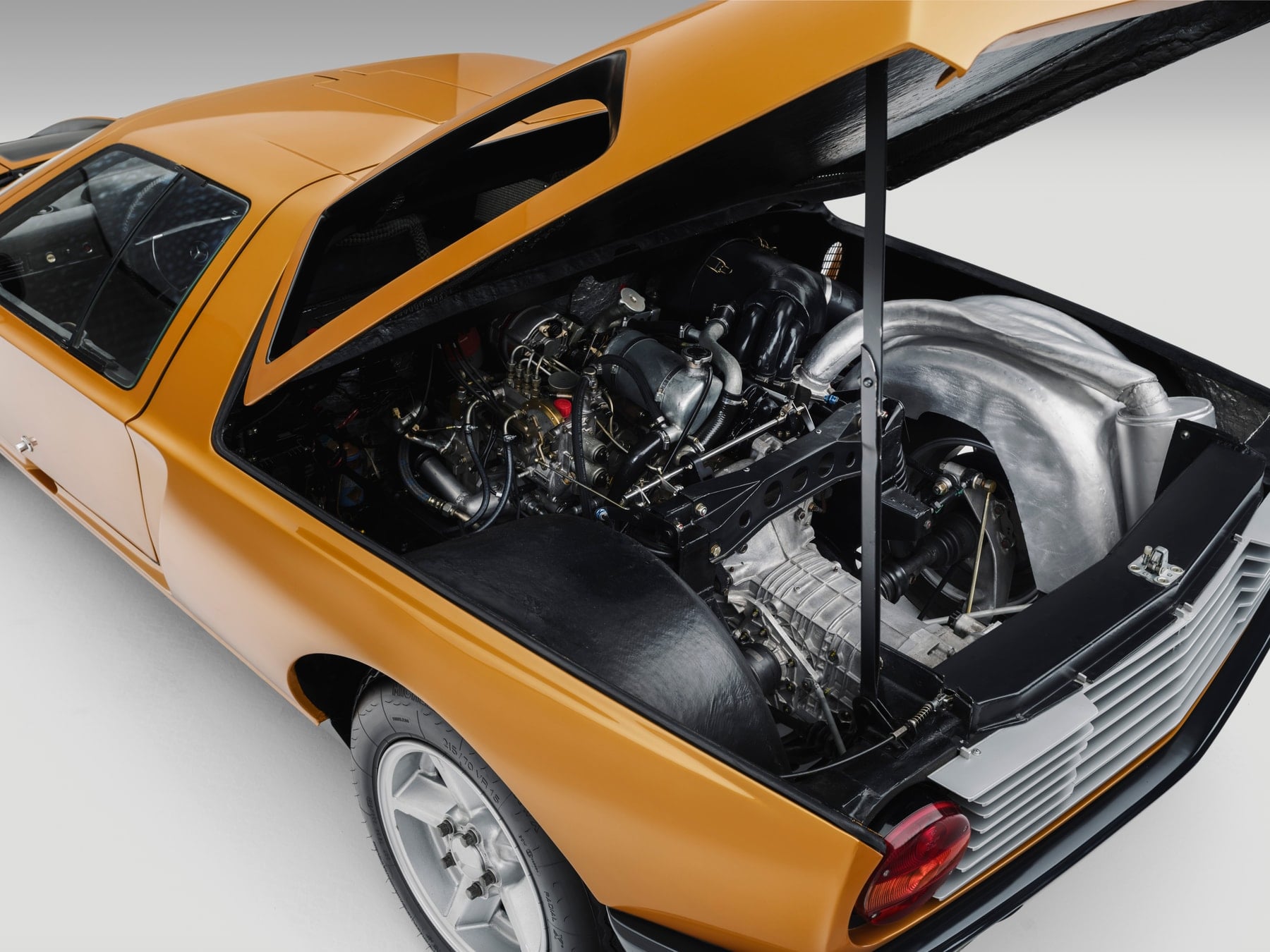
For the C 111-II, engineers redesigned the fenders, roof and boot lid to improve the driver's view. Wind-tunnel measurements showed that drag was 8% lower than on its predecessor. Mercedes-Benz describes the development work in an archive article about the Geneva premiere.
Factory specifications of C 111-II No. 33 in 1970
Parameter | Value |
|---|---|
Engine | Four-rotor Wankel M 950 W 48, 2,4 l |
Power | 257 kW (350 hp) at 7 700 rpm |
Transmission | Five-speed manual ZF |
Curb weight | 1 240 kg |
0–100 km/h | 4,8 s |
Top speed | 300 km/h |
The C 111 remained an experimental car. Mercedes-Benz cites new emissions regulations, high production costs and the 1973 oil crisis among the reasons it was not put into production. A total of 17 cars from the C 111 family were built, 13 of which survive. When the auction was announced, all of them were still owned by the manufacturer.
What Prototype No. 33 Was Used to Test
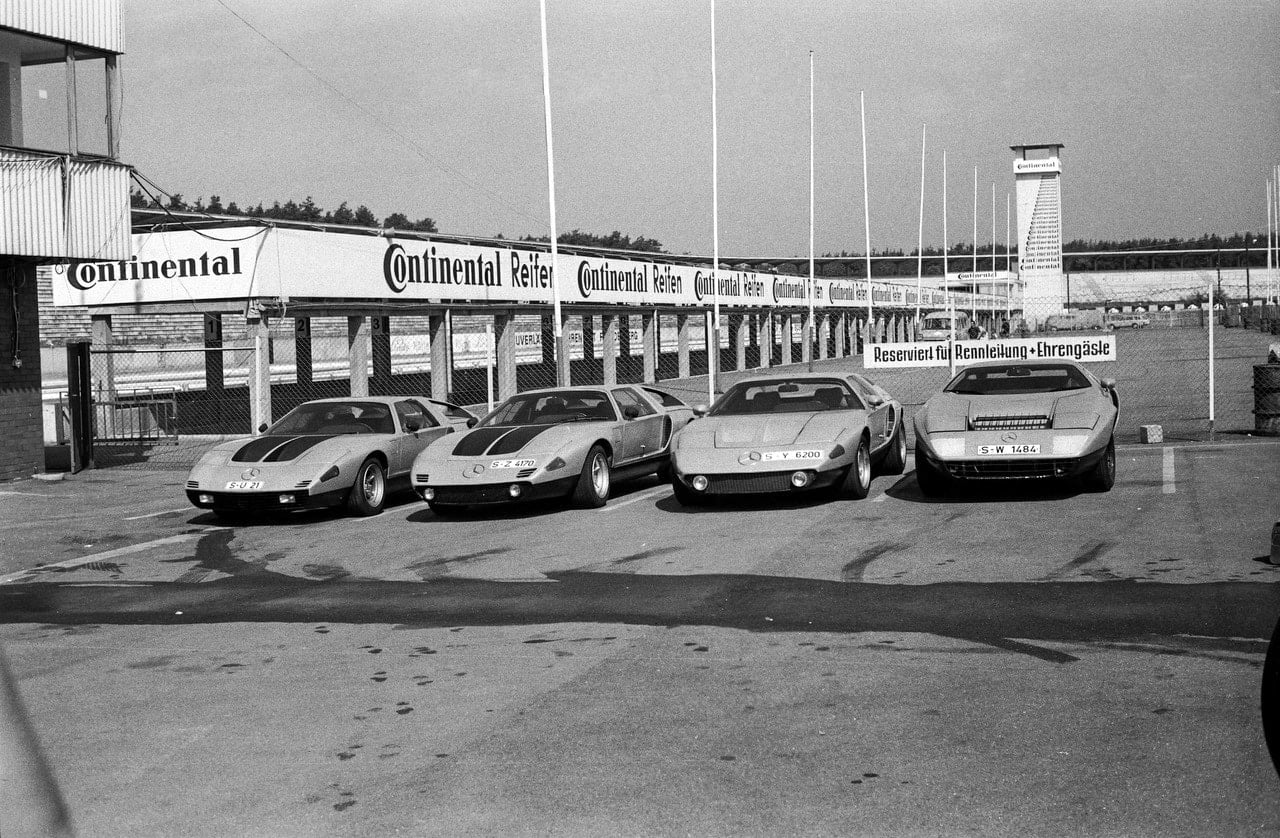
The original four-rotor engine installed in August 1970 has survived. Engineers used the car to check whether fuel was consumed evenly from its two side tanks, which had a combined capacity of 116 l, and to test an anti-lock braking system. In August 1971, No. 33 took to the Hockenheimring alongside three other prototypes.
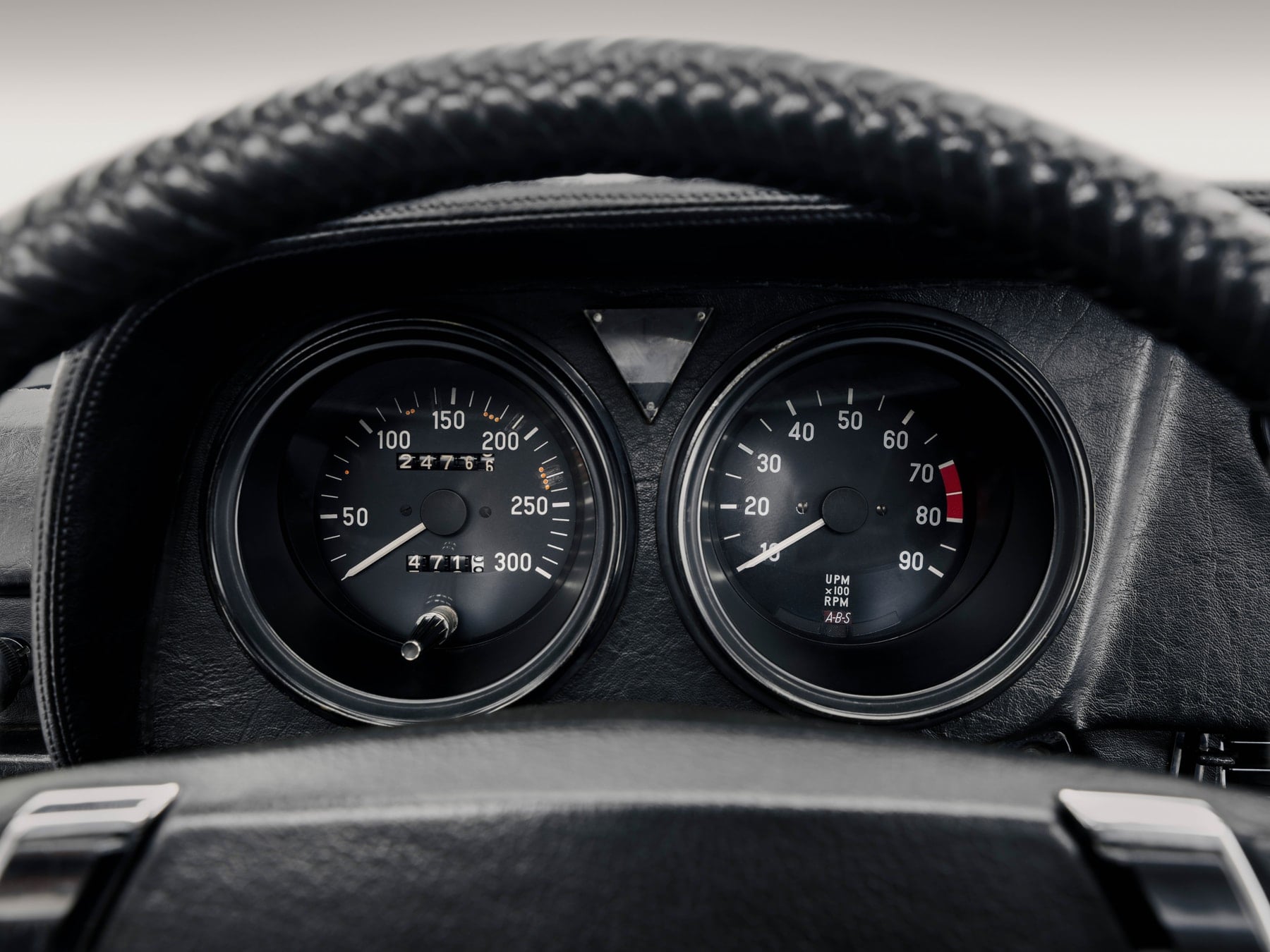
In 1975, the car was transferred to the factory collection. It was displayed at the Mercedes-Benz Museum in Stuttgart from its opening in 2006, and in 2024 it was returned to running condition. Specialists rebuilt the powertrain, installed a fire-suppression system in the engine bay and preserved the signs of age on the body and in the cabin. At the time of filming in October 2026, the odometer showed 24 766 km.
How the Auction Will Work and the Prototype's Valuation
RM Sotheby's will hold the auction at the Carrousel du Louvre complex alongside the Rétromobile show. The RM Sotheby's lot listing gives an estimate of more than €25 million. Bids will be accepted in the room and by telephone after registration.
Mercedes-Benz will use the proceeds to develop the museum in Stuttgart, including its virtual version. The company also said it had committed not to offer any other C 111 examples for sale for at least 25 years.