
Frequently asked questions
The front-wheel-drive Light starts at $31,385 and has a 58.3-kWh battery with an EPA range of 221 miles, or approximately 356 km.
The front-wheel-drive Wind starts at $36,485, uses an 81.4-kWh battery, and has an EPA range of 321 miles, or approximately 517 km. It costs $5,100 more than the Light.
The Light may suit drivers with predictable daily mileage, consistent overnight home charging, and infrequent long trips. The article says the Wind may be more suitable when the EV3 is the household's only car or is regularly driven out of town.
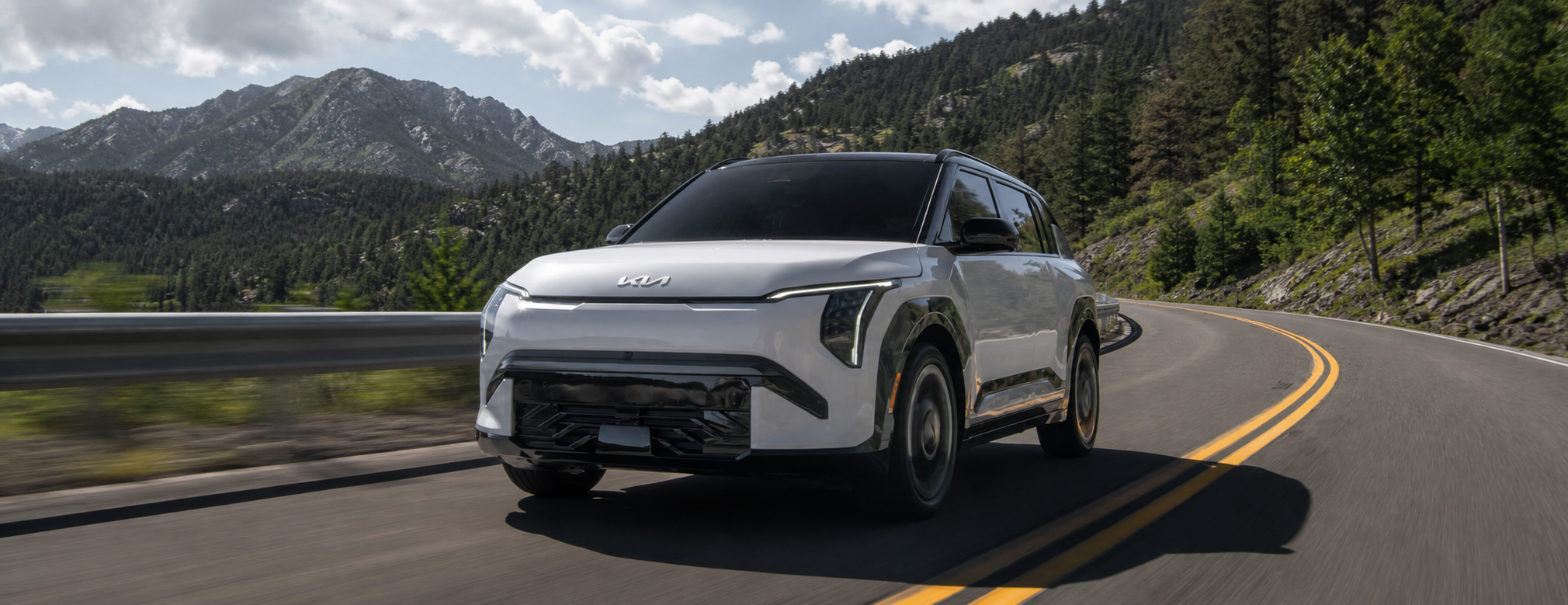
On August 12, 2026, pricing and updated EPA range estimates became available for the Kia EV3 in the US. The $31,385 starting price looks compelling, but it applies to the Light, which has the smaller battery and a range of 221 miles, or approximately 356 km. The model's advertised 321-mile range applies to the more expensive front-wheel-drive Wind and Land versions with the larger battery.
The Light's price does not necessarily mean the lowest ownership cost. The right choice depends less on the trim name than on how you use the car: whether you can charge at home, how often you drive on highways, and whether one EV needs to handle every task for your household.
What Kia Introduced for North America
On April 1, 2026, Kia unveiled the North American EV3 at the New York International Auto Show. In Kia's official announcement, the model is described as the brand's most affordable EV in this market. That distinction matters: the prices, trims, and EPA figures below apply specifically to the US. They are not prices or specifications for Europe, Moldova, or other countries.
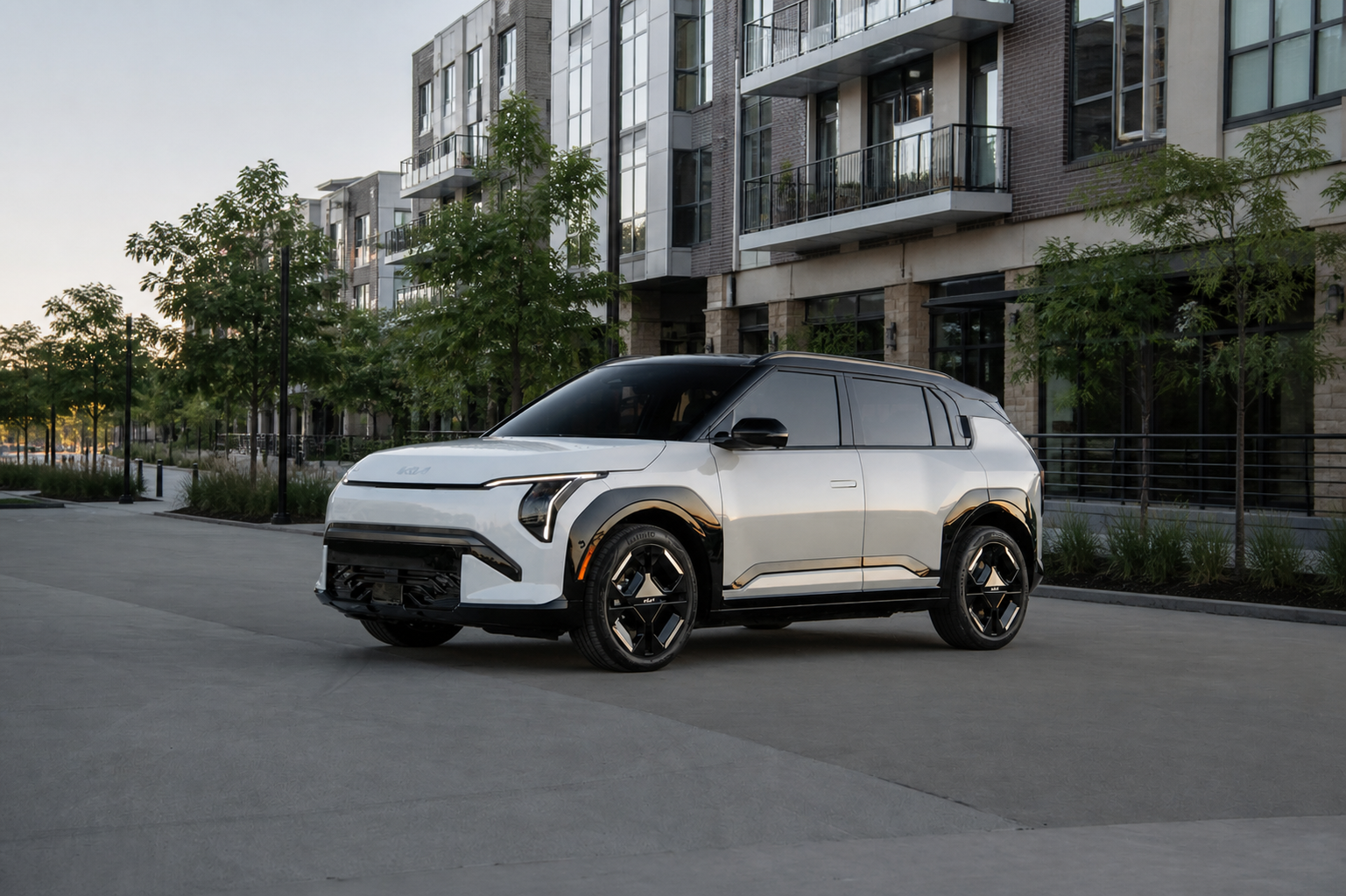
The US Kia EV3 page lists front- or all-wheel drive, fast charging, and a maximum range of up to 320 miles in the manufacturer's wording. After the EPA estimates were published, the top figure became 321 miles for the front-wheel-drive Wind and Land.
US version | Starting price | Battery | EPA range | What it changes |
|---|---|---|---|---|
Light, front-wheel drive | $31,385 | 58.3 kWh | 221 miles / approximately 356 km | Lower entry price, but less range for highway driving and winter conditions |
Wind, front-wheel drive | $36,485 | 81.4 kWh | 321 miles / approximately 517 km | 100 miles, or approximately 161 km, more on the EPA cycle |
Land, front-wheel drive | $39,985 | 81.4 kWh | 321 miles / approximately 517 km | The same range, but a different equipment package |
The difference between the Light and Wind is $5,100. For that money, the buyer gets not an abstract “higher trim,” but 46% more nominal battery capacity and significantly greater range. In an EV, that affects how often you need to stop, how freely you can choose a route, and how much energy remains after a cold night.
Why 221 Miles May Be Enough
The Light should not be dismissed. If the car is parked overnight where it can charge at home, the daily route is 40–80 km, and long trips are rare, 58.3 kWh can meet the need without paying for range that will be unnecessary most of the time. The base version has no trouble covering a commute and getting back home; the real question is how much flexibility remains outside that routine.
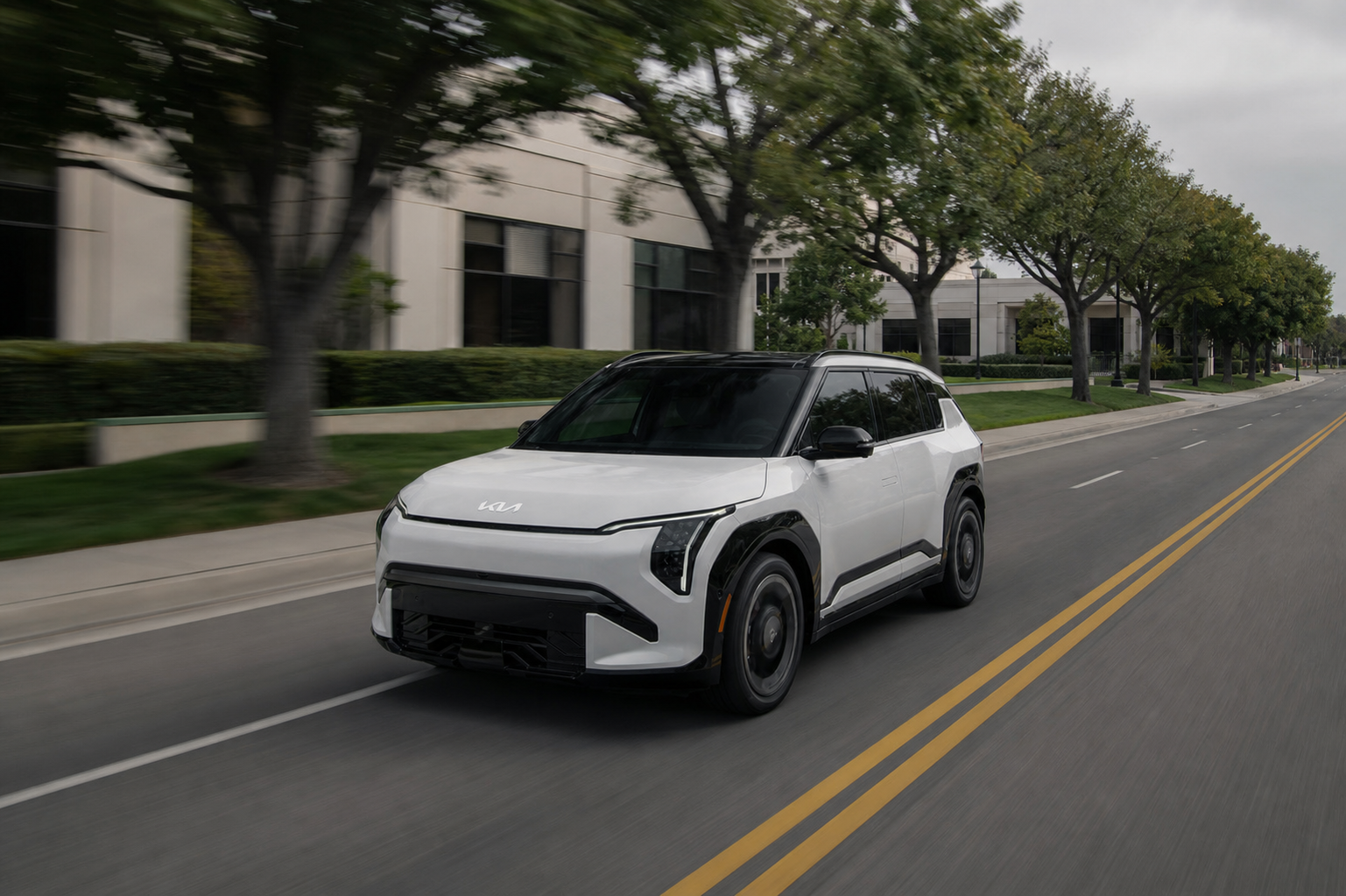
When the Light Makes Sense
The car travels 60 km on weekdays, charges overnight, and another vehicle in the household handles long-distance trips. In that situation, the buyer is primarily paying for a compact electric crossover, not an all-purpose vehicle for vacations.
EPA range should not be treated as a fixed figure. Temperature, speed, terrain, cabin heating, and driving style all affect the result. The EPA separately notes that cold weather and using the heater can significantly reduce range; useful explanations are available on the agency's page on EV operation. That is why the Light leaves less room for these variations.
Where the Light Starts to Lose Ground to the Wind
The difference does not show up on a trip to the supermarket. It appears in the ordinary inconvenient situations: an unplanned 150–200 km drive, a charging station that is occupied or unavailable, or a winter trip where you cannot return home with an almost empty battery. The 81.4-kWh Wind does not eliminate the need to plan a route, but it is less likely to make you organize your day around charging.
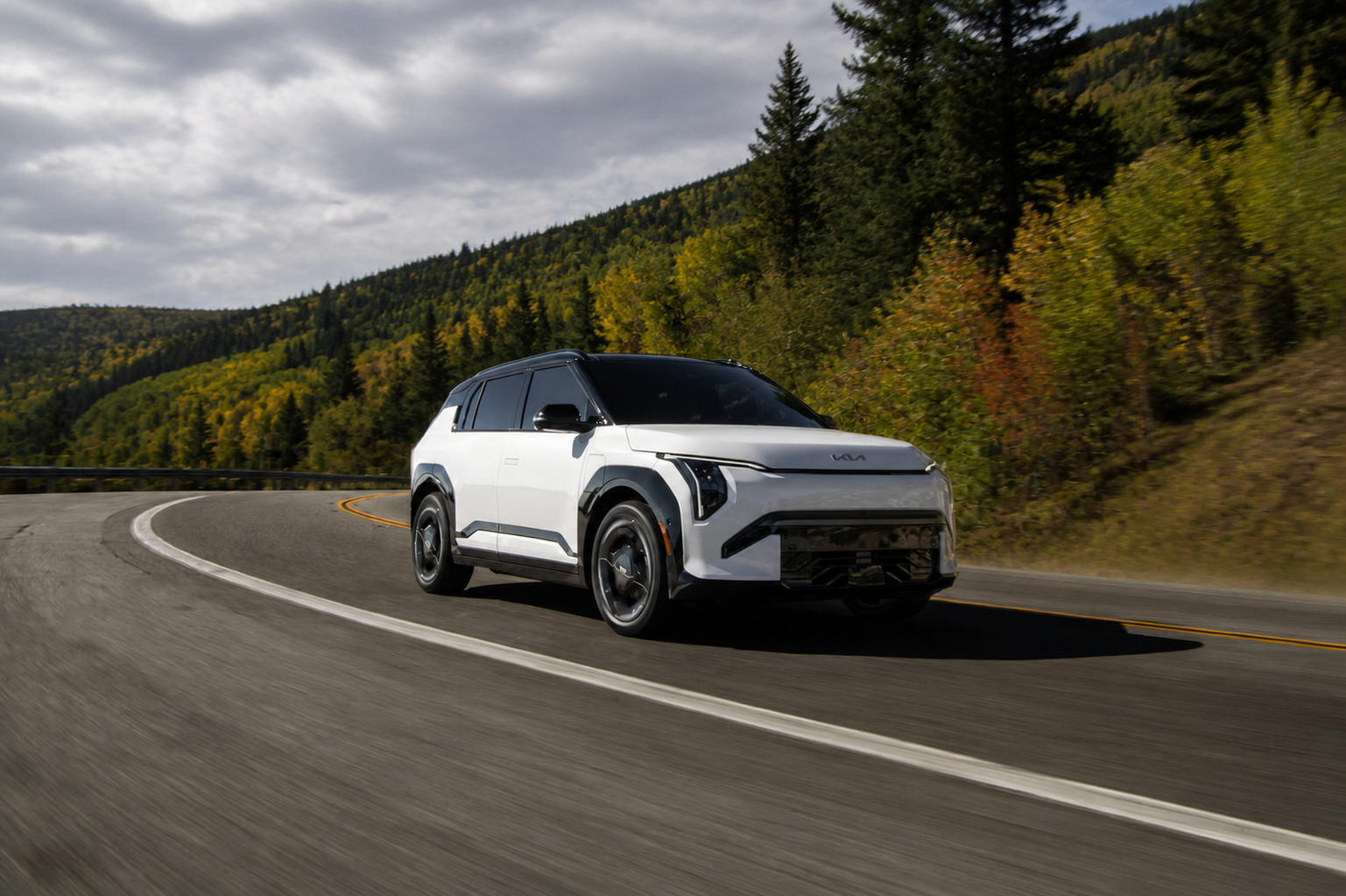
Kia says DC fast charging from 10 to 80% takes 29 minutes with the smaller battery and 31 minutes with the larger one. The time difference is small, but on a long trip the larger battery provides more miles between stops. That often matters more than the two extra minutes at a fast-charging station.
How to Choose Without Falling for the Starting Price
Choose the Light if your daily mileage is predictable, overnight charging is consistently available, and long trips are not part of this vehicle's role.
Look at the Wind if the EV3 will be your household's only car or will regularly be driven out of town. Here, the extra money primarily buys range, not decorative details.
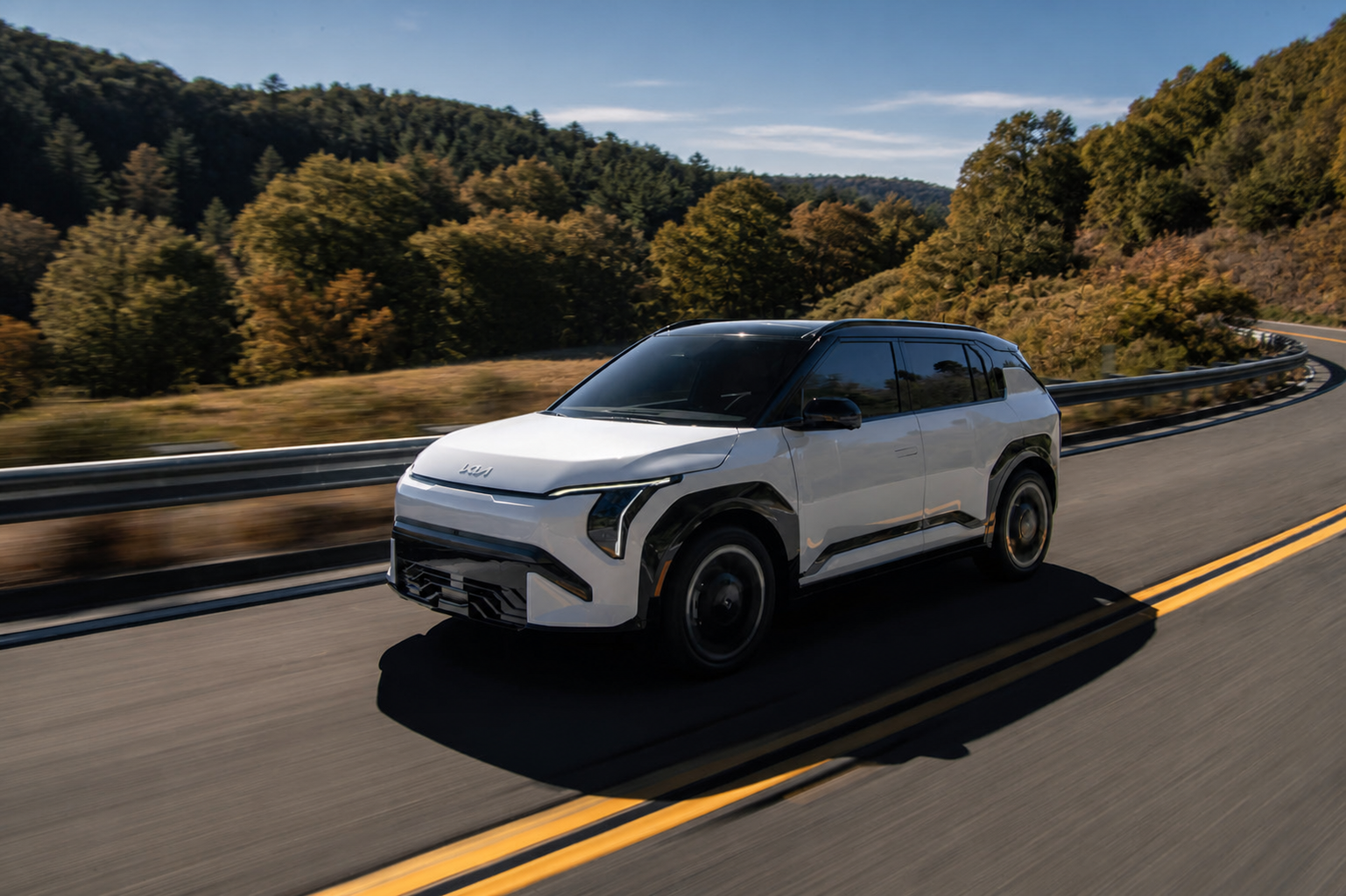
Do not compare prices between countries directly: batteries, equipment levels, taxes, subsidies, and delivery costs all change the final amount.
Before ordering, check the specific trim in the local configurator. The US Light, Wind, and Land versions may not be available in your market or may have different equipment.
The main takeaway is simple: the base EV3 is not a bad choice if its capabilities match the owner's daily routine. But for buyers who need one car for both city driving and regular longer trips, the Wind is more rational specifically because of its battery, not because of its trim status.