 EN
EN
Frequently asked questions
Lamborghini is developing the fourth model as a plug-in hybrid instead of the fully electric Lanzador originally planned. The exact engine, battery capacity, number of electric motors, output and electric range have not been announced.
It is intended to be a two-door Gran Turismo with a 2+2 seating layout, rather than a compact SUV or four-door sedan. Its final body design and dimensions remain unconfirmed.
Lamborghini still uses the name Lanzador when discussing the project, but has not confirmed it for the production car. The originally planned 2028 launch is no longer an official production date.
Lamborghini continues developing its fourth production model, but the concept has changed significantly. The car, shown in 2023 as a fully electric Lanzador, is now being developed as a plug-in hybrid. At the same time, the brand is refining the positioning of the future newcomer: it is meant to be a two-door Gran Turismo with a 2+2 seating layout, not another SUV or a large sedan.
July 13, 2026 Autoblog published an interview with Stefano Cossalter, head of the Urus model line. He confirmed that Lamborghini has abandoned the electric powertrain for the production Lanzador and is not currently developing a separate all-electric production model. Research into batteries, electric motors, software, and cell chemistry is still continuing.
That does not mean the fourth model has been canceled. What is changing first is the powertrain and, possibly, the body proportions. The name Lanzador is still being used when discussing the project, but Lamborghini has not confirmed whether it will remain on the production car.
How the fourth Lamborghini project evolved
The first outline came on May 18, 2021, when the company presented its official Direzione Cor Tauri strategy. The plan called for hybridizing the existing lineup and then launching a fourth model with a fully electric powertrain in the second half of the decade.
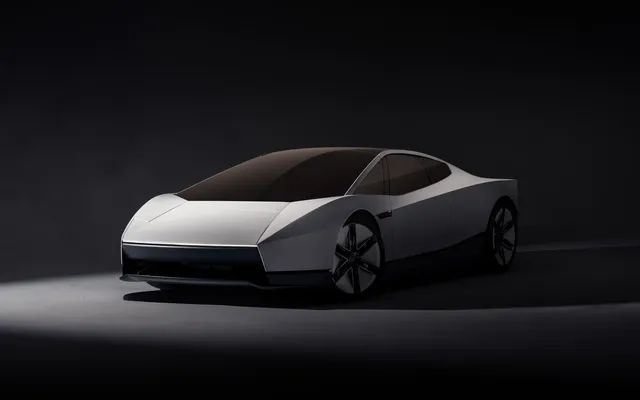
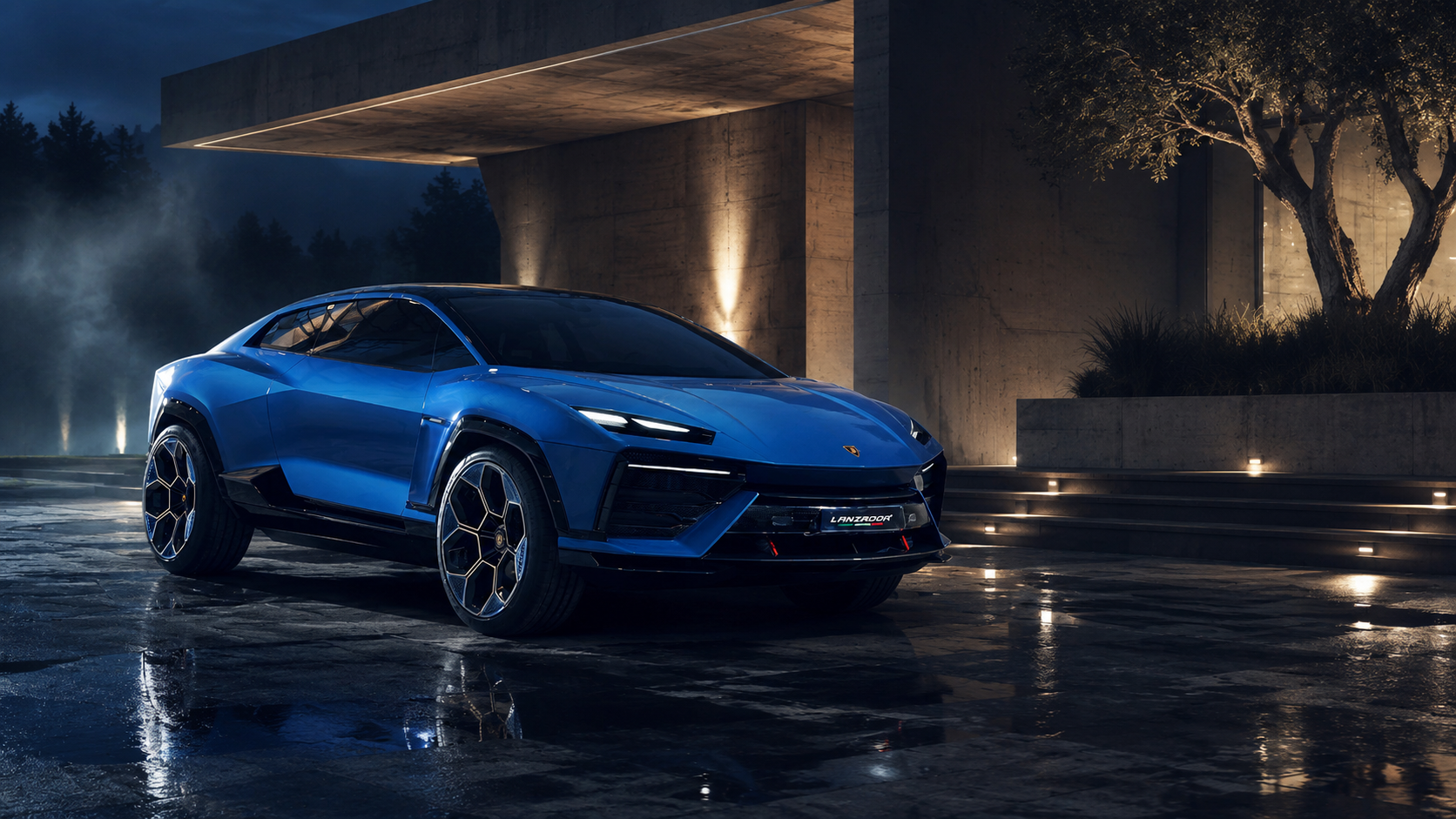
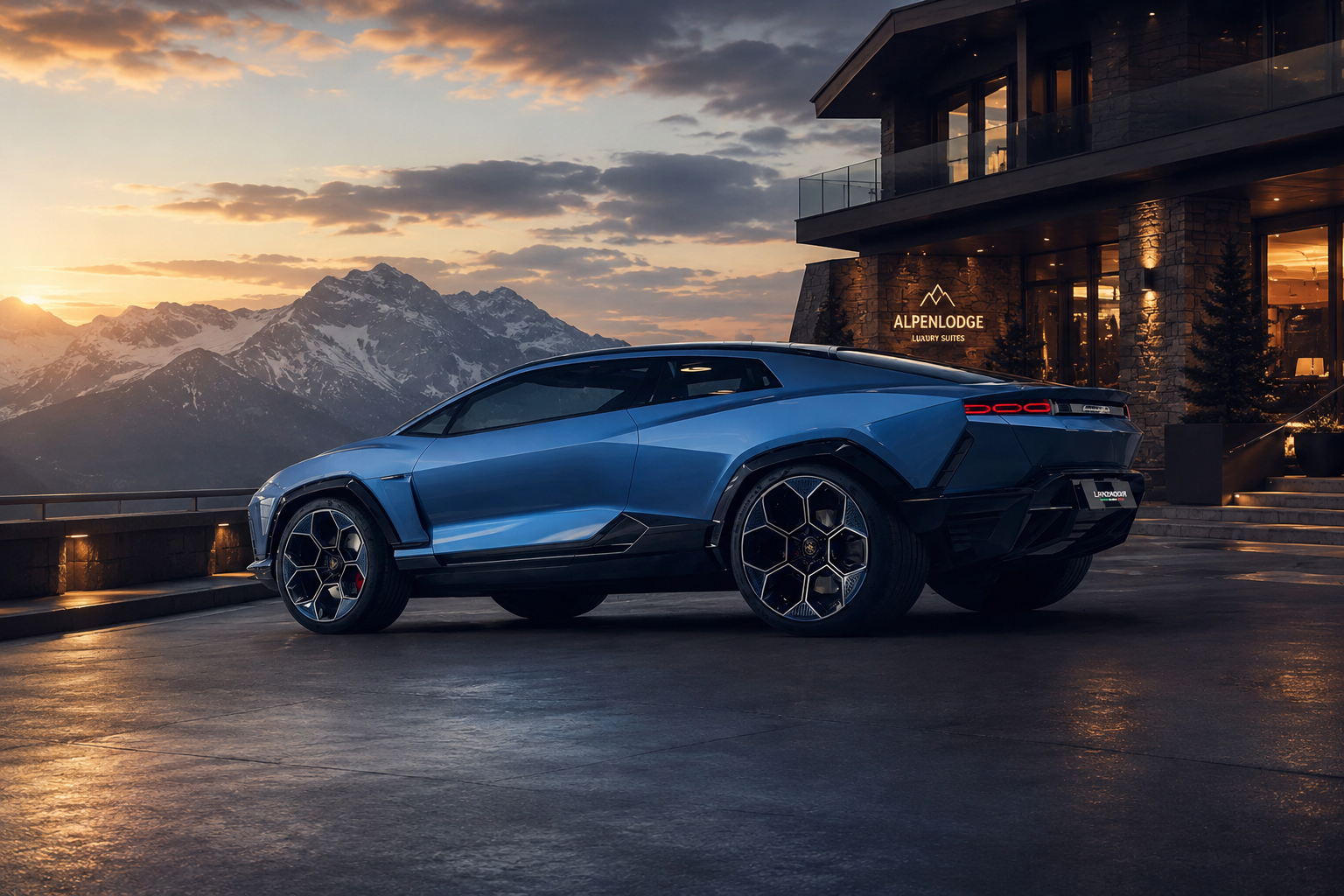
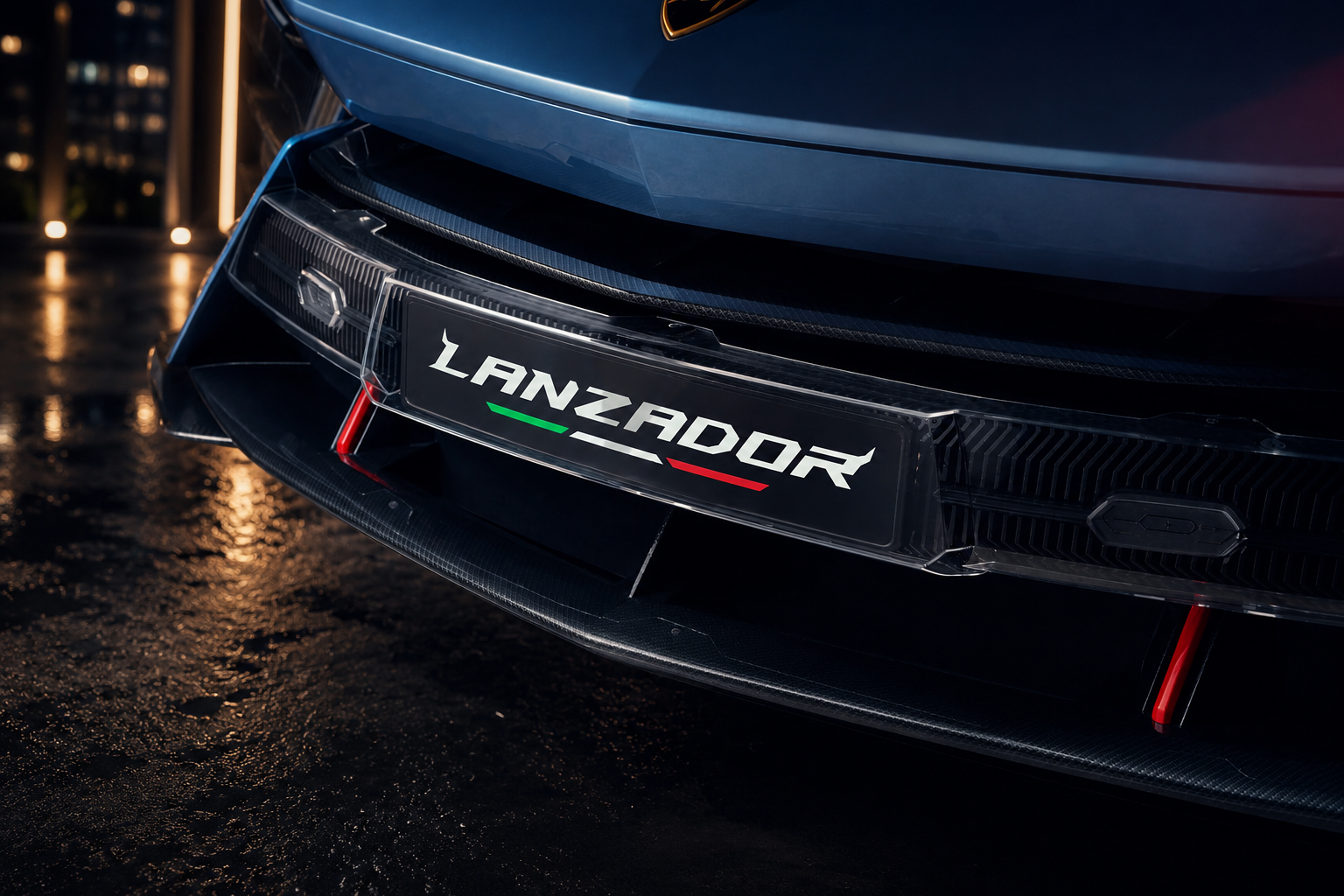
August 18, 2023 Lamborghini showed the Lanzador concept at Monterey Car Week. The manufacturer described it as an advance preview of the future fourth model and planned a production launch in 2028. The concept featured two electric motors, all-wheel drive, and a claimed peak output of more than one megawatt.
At the time, Lanzador represented a new category for the brand: Ultra GT, a tall two-door car with four seats, increased ground clearance, and a more practical cabin than Lamborghini's mid-engine supercars.
January 30, 2024 the company again confirmed the earlier timetable in an update to the Direzione Cor Tauri strategy: the first production EV was expected in 2028, and an electric Urus successor in 2029. That plan was later revised.
What changed in 2026
Public confirmation of the new direction came on February 23, 2026. A Lamborghini representative told Car and Driver that the first production version of the future model will be a plug-in hybrid. The fully electric version of Lanzador, in the originally announced form, is not planned.
March 19, 2026 Lamborghini CEO Stephan Winkelmann clarified in a conversation with Autocar that the brand has not abandoned electric technology forever. However, the first production EV is now expected only after 2030, if demand and technology levels meet the company's requirements.
In an interview at the Goodwood Festival of Speed, published on July 13, Stefano Cossalter added that the internal decision to drop the electric Lanzador was made back in 2025. According to him, Lamborghini buyers still do not show enough interest in EVs, and current solutions do not deliver the level of engagement the brand considers essential.
Parameter | Lanzador in 2023 | Current project direction |
Powertrain | Fully electric, two electric motors | Plug-in hybrid; exact setup not disclosed |
Output | The concept was said to exceed 1 MW | Not announced |
Format | Tall Ultra GT with 2+2 seating | Two-door Gran Turismo 2+2 |
Position in the lineup | Between supercars and the Urus | The same niche, but with a stronger focus on classic GT character |
Original timing | 2028 | No official production launch date has been named |
Name | Lanzador | Not yet confirmed for the production model |
The specifications of the 2023 concept cannot be automatically carried over to the future hybrid. More than one megawatt of output, two electric motors, and the other technical details belonged to the show car itself.
Why Lamborghini chose a plug-in hybrid
Lamborghini executives point to two main reasons. The first is demand: based on customer surveys, dealer feedback, and market research, interest in electric sports cars turned out to be lower than the company had expected when it drew up the original plan.
The second reason is the nature of the car itself. Instant EV acceleration is not enough if the driver does not get enough feedback, sound, and a sense of how the powertrain is working. Lamborghini continues to study artificial gearshifts and sound design, but it does not yet see those systems as a full replacement for traditional mechanics.
A plug-in hybrid makes it possible to keep an internal combustion engine while also using the benefits of electric motors: instant torque, torque distribution control, and the ability to drive on electric power in certain modes. That approach is already used across the brand's current lineup.
However, the fourth model's specific engine has not been announced. Claims about a V8, a V12, electric range, or the platform's origins remain speculation for now. Lamborghini has also not disclosed battery capacity or the number of electric motors.
The future car will not be a second Urus
March 24, 2026 Stephan Winkelmann told journalists that the company had looked at different open segments but rejected the idea of a compact SUV and a four-door sedan. The preferred option became a two-door Gran Turismo with two primary seats and two occasional rear seats.
That positioning takes Lamborghini back to its roots. The brand's first production cars, the 350 GT and 400 GT, were created as fast, comfortable cars for long-distance travel. Later, Islero, Espada, and Jarama filled that role.
The modern model is expected to sit between Temerario and Revuelto on one side and the larger Urus on the other. It should offer luggage space and rear seats, but it will not copy the layout of a traditional crossover.
Will the Lanzador concept design survive?
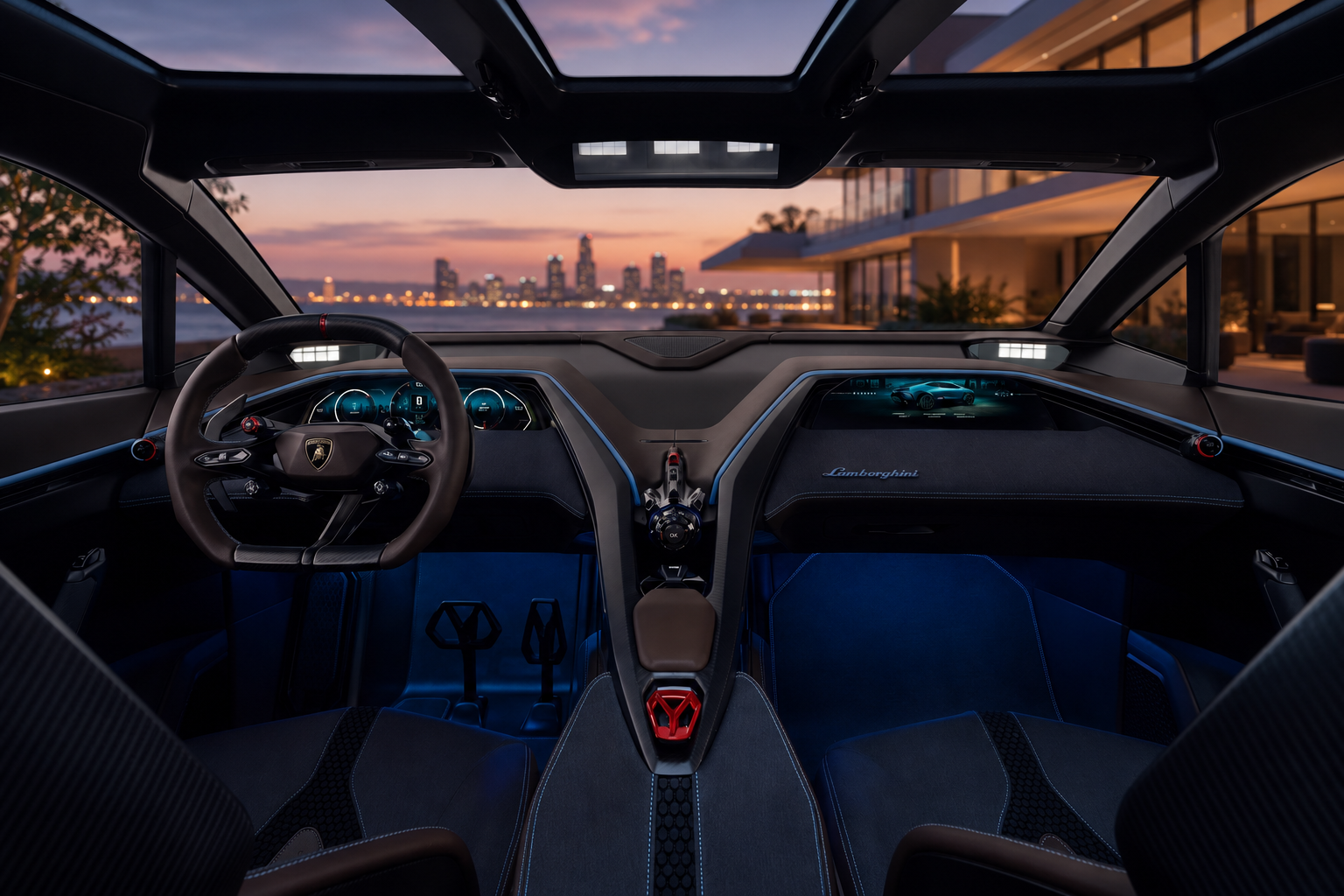
There is no official answer yet. The 2023 concept stood out for its high stance, large wheels, protective elements around the arches, and sloping roofline. In production form, the proportions could become lower and move closer to a classic Gran Turismo.
Cossalter described the project as an evolution of the GT idea rather than a conventional sedan or SUV. That leaves Lamborghini room for an unusual body style that combines the concept's ground clearance, long-distance capability, and the brand's recognizable silhouette.
Still unconfirmed:
the production car's name;
the body design and exact dimensions;
the engine and the hybrid system layout;
output and performance figures;
battery capacity and electric range;
the platform and where it will be built;
price and the start of sales.
What the plan change means for Lamborghini's electrification
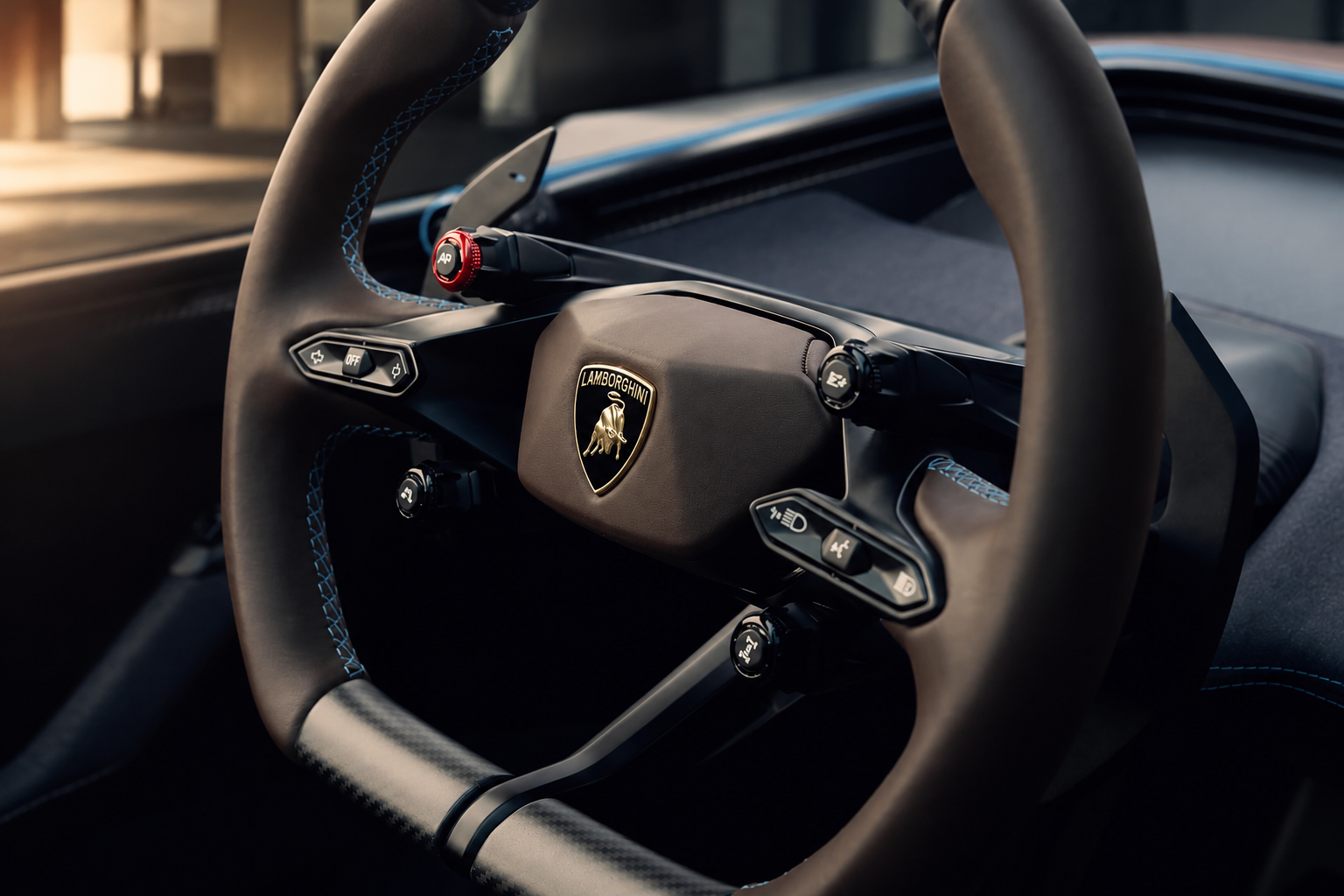
Lamborghini's current lineup is already fully electrified, but not fully electric. Revuelto combines a naturally aspirated V12 with electric motors, Temerario uses a V8-based hybrid system, and Urus SE has a plug-in hybrid setup.
The fourth model will continue that phase instead of taking the brand straight to battery-only propulsion. EV research is not stopping, but the timing of its arrival now depends not only on technical readiness, but also on how buyers of expensive sports cars feel about it.
So Lamborghini is not abandoning either Lanzador as an idea or a separate fourth model. The company is abandoning the original scenario in which this car was meant to become its first production EV in 2028. The new benchmark is a practical two-door 2+2 GT with a plug-in hybrid system and a character different from the Urus.